Swedish Vallhund: The Rare Breed on Postage Stamps Worldwide
Have you ever come across a dog that looks a little like a Corgi but carries the energy of a hardworking herder? The Swedish Vallhund is a compact, athletic breed with an impressive history, a distinctive appearance, and plenty of personality.
Sometimes called the Swedish cattle dog, this Nordic breed was developed to work on farms, where it helped herd livestock and protect the homestead. Today, it can make a wonderful companion for an active household that enjoys training, outdoor adventures, and spending time with its dog.
The Swedish Vallhund has even appeared on international postage stamps, an unusual distinction for a breed that remains unfamiliar to many dog lovers. Its appearance may attract attention, but its working instincts and everyday needs deserve just as much consideration.
Here’s what you should know about its history, size, temperament, grooming, exercise requirements, health, and how to find a responsible breeder.
History and Origin of the Swedish Vallhund
The Swedish Vallhund is an old Spitz-type herding dog whose history is closely connected to rural Sweden. For centuries, farmers relied on these sturdy dogs to help move cattle, watch over property, and control rodents.
The breed is often associated with the Viking Age. However, its precise origins remain uncertain, and the historical relationship between Swedish Vallhunds and Welsh Corgis has never been conclusively established.
Both breeds share a low-set body and a background in herding. Some historians have proposed that Viking travel helped connect their histories, but it would be misleading to present one definitive explanation as proven fact.
In Sweden, the breed is also known as the Västgötaspets, a name connected to the Västergötland region.
How the Swedish Vallhund Was Saved From Extinction
By the early 1940s, the Swedish Vallhund had become dangerously close to disappearing. Breeders Björn von Rosen and K. G. Zettersten helped revive the population by searching for suitable dogs and establishing a breeding program.
The Swedish Kennel Club recognized the breed in 1943. That effort preserved a traditional farm dog whose intelligence, stamina, and herding ability remain central to its identity.
Today, the Swedish Vallhund is recognized by major kennel organizations in several countries. The breed is still relatively uncommon compared with more familiar companion dogs.
Its history is worth knowing because it explains much of its behavior. A dog developed to watch livestock, respond to movement, and work alongside people needs more than a comfortable bed and a short walk.
Swedish Vallhund Physical Characteristics
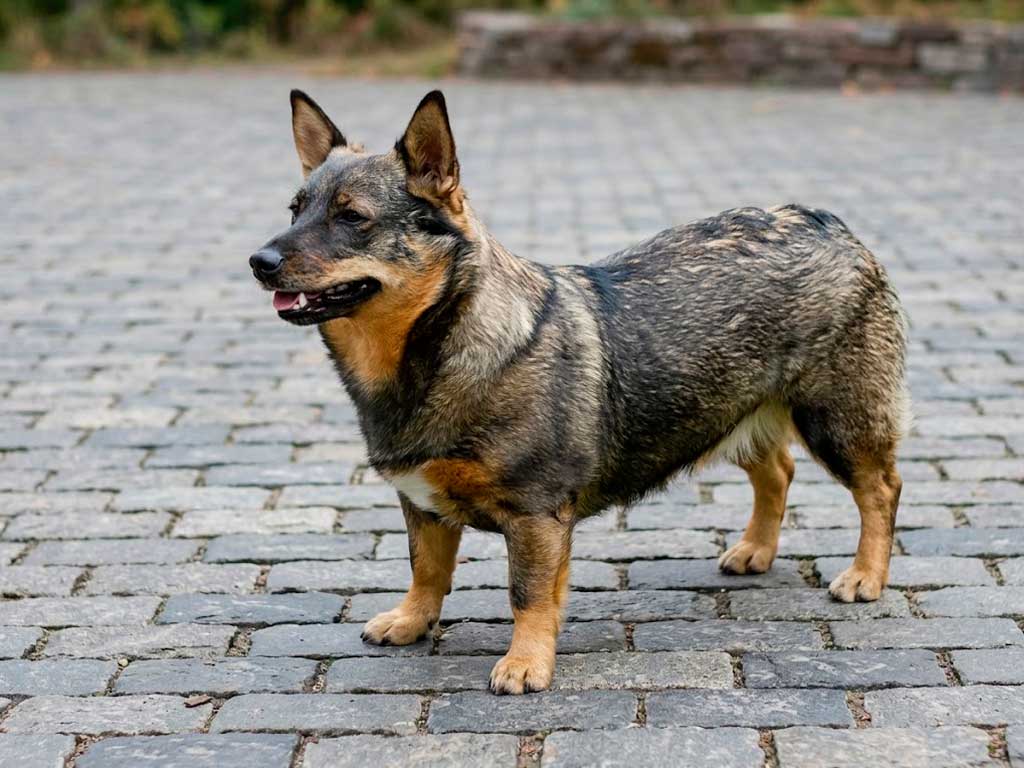
The Swedish Vallhund is a small but powerful dog with a longish body, sturdy legs, a wedge-shaped head, and upright ears. Its appearance may remind you of a Corgi, but the Vallhund has its own breed standard and distinctive working-dog proportions.
Size and Weight
Adult Swedish Vallhunds generally weigh around 25–35 pounds. Their height is approximately 12–14 inches, depending on sex and the breed standard being used.
| Characteristic | Typical description |
|---|---|
| Breed type | Spitz-type herding dog |
| Height | Approximately 12–14 inches |
| Weight | Around 25–35 pounds |
| Body | Compact, sturdy, and longer than tall |
| Ears | Upright and pointed |
| Coat | Medium-length double coat |
| Typical lifespan | Often around 12–15 years, with individual variation |
| Activity level | High |
These measurements are guidelines rather than guarantees. Individual dogs can fall outside typical ranges, and the standards used by different kennel organizations may vary slightly.
Coat Colors and Markings
The Swedish Vallhund has a weather-resistant double coat. Its outer coat is relatively harsh and close-fitting, while the undercoat is soft and dense.
Common coat colors include shades of gray and red, often with darker hairs along the back and lighter markings on the muzzle, throat, chest, belly, and legs.
Many Vallhunds have characteristic lighter markings across the shoulders that resemble a harness. These markings contribute to the breed’s recognizable appearance.
Does the Swedish Vallhund Have a Tail?
Yes, although tail length varies considerably.
Some Swedish Vallhunds have naturally long tails, while others have naturally short or bobbed tails. Tail appearance depends partly on genetics, so puppies in the same litter can look different in this respect.
A short tail should not automatically be assumed to have been surgically docked. If you are considering a puppy, ask the breeder about its family history and whether the tail is natural.
Shop for Your Breed

Just Food For Dogs – Fresh Frozen
Fresh meals. Gently cooked, then frozen to lock in nutrients. 100% Human Grade Ingredients. Gently Cooked in the USA. #1 Vet-Recommended Fresh Food.
Shop on JustFoodForDogs
Raw Paws Pet Food – Frozen Raw Pet Food
Feeding your pet a frozen raw pet food diet is a simple way to deliver real, whole-food nutrition in its most natural form.
Shop on RawPawsPetFood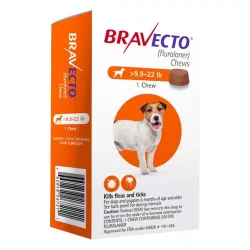
Bravecto Chews for Dogs
Bravecto is a long-lasting flea and tick protection option for your dog. 1 dose of Bravecto chew provides up to 12 weeks of powerful protection, which is nearly 3 times longer than a monthly treatment.
Shop on BestVetCare.com
Deworming Treatments for Dogs
BestVetCare offers you a wide range of worm treatments which come in a variety of forms such as oral paste, tablets, granules, and liquid solutions.
Shop on BestVetCare.comHappyPetZone participates in various affiliate programs with brands and retailers. We may receive a commission on purchases made through our links, at no extra cost to you.
Swedish Vallhund Temperament and Personality
The Swedish Vallhund is alert, intelligent, energetic, and eager to participate in family life. It was bred to work, so it tends to notice its surroundings and respond quickly to activity.
That combination makes it a rewarding companion for people who enjoy teaching their dogs new skills. It also means that a Vallhund can become noisy or restless when its daily needs are overlooked.
Are Swedish Vallhunds Good Family Dogs?
They can be excellent family companions when their temperament and activity level suit the household.
Many are affectionate with their families and enjoy participating in walks, games, training sessions, and outdoor activities. Early socialization can also help them develop comfortable relationships with visitors and other animals.
However, every dog is an individual. A puppy’s upbringing, experiences, and temperament influence how it behaves around children and unfamiliar people.
If you have young children, supervise interactions and teach them to respect the dog’s space. Even a friendly dog needs opportunities to rest without being disturbed.
Do Swedish Vallhunds Bark a Lot?
Swedish Vallhunds can be vocal. Their history as farm dogs and watchdogs makes them naturally attentive to unfamiliar sounds, visitors, and movement.
Barking may become more frequent when a dog is bored, frustrated, under-exercised, or left alone for extended periods.
You can help by teaching a reliable quiet cue, rewarding calm behavior, and providing appropriate activities throughout the day. Avoid shouting at the dog, since this can add excitement rather than teach the behavior you want.
Here’s the thing: a Vallhund does not need to be silent to be a good companion, but its barking should be manageable for your household and neighbors.
Can a Swedish Vallhund Live in an Apartment?
Yes, provided its exercise, training, and mental stimulation needs are met.
A large garden is not a substitute for interaction, and a small home does not automatically rule out this breed. Daily walks, structured games, training, and opportunities to explore safely matter more than having a particular type of property.
The biggest challenge in an apartment may be noise. If your dog reacts to footsteps in the hallway or sounds from neighboring homes, you’ll need to work on calm responses and create a comfortable resting area.
Swedish Vallhund Care Guide
The Swedish Vallhund is relatively straightforward to groom, but its energy level requires consistent attention. A good routine should include appropriate food, daily exercise, coat maintenance, and training.
Diet and Nutrition
Feed your Swedish Vallhund a complete and balanced dog food appropriate for its age, activity level, and health needs.
Puppies need food formulated for growth, while adults generally do well on an appropriate maintenance diet. Your veterinarian can help you choose a suitable formula if your dog has allergies, digestive problems, or other medical needs.
Keep these feeding principles in mind:
- Follow the food manufacturer’s starting portion guidelines and adjust according to body condition.
- Divide the daily ration into regular meals that suit your dog’s age and routine.
- Measure treats and account for them when estimating daily calorie intake.
- Keep fresh drinking water available.
- Monitor weight regularly and adjust portions if your dog gains or loses weight unexpectedly.
Swedish Vallhunds are active, but that does not mean they can eat unlimited amounts. Extra weight can put additional strain on their joints.
For more guidance, see our dog nutrition guide.
Exercise Requirements
Plan for around an hour of daily activity as a practical starting point for many healthy adult Swedish Vallhunds. Some individuals need more, while puppies and older dogs require routines adjusted to their development and physical condition.
A useful exercise routine can include:
- Daily walks: Give your dog opportunities to explore, sniff, and experience different environments.
- Training sessions: Practice obedience cues, recall, and calm behavior around distractions.
- Interactive games: Use fetch, hide-and-seek, or suitable puzzle toys to keep your dog engaged.
- Dog sports: Consider agility, rally, obedience, or herding activities if they are appropriate and available.
- Rest periods: Build quiet time into the day so your dog learns to settle after activity.
The goal is to provide both physical movement and mental work. Repeatedly throwing a ball for long periods is not the only way to exercise a herding dog.
Young dogs should not be pushed into strenuous repetitive exercise before their bodies are ready. Ask your veterinarian how to adapt activity to your puppy’s age and development.
Grooming Needs
The Swedish Vallhund’s double coat is designed for protection, and it generally needs less elaborate maintenance than many long-coated breeds.
Brush it thoroughly about once a week, increasing the frequency during seasonal shedding. Regular brushing removes loose hair, helps distribute natural oils, and gives you a chance to check the skin.
Your grooming routine should include:
- Brushing: Use a suitable brush that reaches through the coat without irritating the skin.
- Bathing: Bathe when needed with a dog-safe shampoo, then dry the coat thoroughly.
- Nail care: Trim the nails when they become too long.
- Dental care: Brush the teeth regularly with dog-specific toothpaste.
- Ear checks: Look for redness, odor, discharge, or signs of discomfort.
The breed sheds, sometimes heavily during seasonal coat changes. If you want a dog that leaves very little hair around the home, a Swedish Vallhund may not be the best fit.
Training a Swedish Vallhund
A Swedish Vallhund is generally quick to learn, but intelligence does not remove the need for consistent training. These dogs were bred to make decisions around livestock, so they can be independent and responsive to their surroundings.
Use short sessions, clear cues, and rewards that motivate your dog. Food rewards, toys, and play can all be useful when applied consistently.
Focus on these skills early:
- Responding to its name and coming when called.
- Walking on a loose leash.
- Settling on a mat or in a designated resting area.
- Greeting visitors without excessive excitement.
- Remaining calm around bicycles, cars, children, and other moving objects.
- Accepting grooming and routine handling.
Herding instincts can also show up as chasing, circling, or nipping at moving feet. If your dog displays these behaviors, redirect it to an appropriate activity and reward calm alternatives.
Avoid harsh corrections. They can damage trust and make some behavioral problems harder to resolve.
Socialization matters just as much as obedience. Introduce your dog gradually to different people, environments, surfaces, sounds, and friendly animals while keeping each experience positive.
Swedish Vallhund Health and Lifespan
The Swedish Vallhund is generally considered a hardy breed, but no breed is free from inherited health risks. Responsible breeding and regular veterinary care help owners make informed decisions.
Potential concerns include certain eye conditions, hip dysplasia, and Swedish Vallhund retinopathy, an inherited retinal disorder that can affect vision.
Health Checks to Discuss With a Breeder
Before choosing a puppy, ask what health screening has been completed for both parents.
Depending on the relevant breeding program, useful checks may include:
- Eye examinations: Ask about current eye-screening results and the family’s history of eye disease.
- Hip screening: Request available hip evaluation results.
- Retinopathy testing: Ask whether appropriate DNA testing has been performed and how the results affect breeding decisions.
- Family history: Find out whether close relatives have experienced inherited conditions or significant health problems.
The exact tests recommended can depend on the country, registry, and current breed-health guidance. The Royal Kennel Club’s health requirements provide a useful starting point for understanding the screening associated with this breed in the UK.
A breeder should be willing to explain the results rather than simply assuring you that every dog in the line is healthy.
Once your dog comes home, schedule routine veterinary examinations and discuss dental care, weight management, vaccinations, parasite prevention, and age-appropriate screening.
Contact your veterinarian if you notice changes in vision, persistent limping, unusual reluctance to exercise, or other concerning symptoms. Early assessment is more useful than assuming a problem is simply part of getting older.

Lemonade Pet Insurance
Explore customizable pet insurance coverage and learn whether Lemonade is the right fit for your dog or cat.
- Customizable coverage options
- Online policy management
Swedish Vallhund vs. Corgi: What’s the Difference?
The Swedish Vallhund and the Welsh Corgis can look similar at first glance. Both have a low-set build, upright ears, and a history of herding livestock.
However, they are distinct breeds with different standards and individual characteristics.
| Feature | Swedish Vallhund | Pembroke Welsh Corgi |
|---|---|---|
| Historical role | Swedish farm dog and cattle herder | Welsh cattle herder |
| General appearance | Spitz-type, sturdy, low-set body | Low-set body with a distinctive Corgi outline |
| Ears | Upright and pointed | Upright and rounded at the tips |
| Coat | Weather-resistant double coat | Weather-resistant double coat |
| Temperament | Alert, active, intelligent | Alert, intelligent, and active |
| Tail | May be naturally long, short, or bobbed | Tail characteristics vary by standard and individual |
Both breeds need training, exercise, and regular grooming. Neither should be chosen solely because it looks small enough to fit into a particular home.
The historical relationship between them remains uncertain. Similarities in appearance and working role are interesting, but they do not establish a definitive line of descent.
Explore our guides to the Pembroke Welsh Corgi and the Cardigan Welsh Corgi to compare their characteristics more closely.
Swedish Vallhund Puppies: Price and Finding a Responsible Breeder
If you are searching for Swedish Vallhund puppies, be prepared to research breeders carefully. Availability and prices can vary considerably by country, pedigree, breeder practices, and local demand.
There is no single reliable price that applies to every puppy. Rather than choosing the cheapest listing, look at the health information, care, and support provided by the breeder.
How to Choose a Swedish Vallhund Breeder
A responsible breeder should be prepared to answer questions about health screening, temperament, puppy development, and the needs of the breed.
Before making a decision:
- Ask for health records. Request documentation of the parents’ relevant health tests.
- Learn about the parents. Ask about their temperaments, daily routines, and any known health concerns in the family.
- Discuss early socialization. Find out how the puppies experience everyday sounds, handling, and age-appropriate enrichment.
- Review the contract. Understand the health provisions, registration documents, and arrangements if you can no longer keep the dog.
- Avoid pressure tactics. Be cautious of sellers who demand immediate payment, refuse reasonable questions, or offer no verifiable information about the puppy.
You can start your research through the Swedish Vallhund Club of America. Its resources can help you learn about the breed and explore responsible breeding practices.
If you are searching for a Swedish Vallhund for sale, verify the seller independently. Photos, registration claims, and polished websites are not enough to establish that a breeder is trustworthy.
Also consider whether an adult dog might suit your household. Rescue organizations and breed networks may occasionally know of Swedish Vallhunds needing new homes, although availability varies.
Is the Swedish Vallhund the Right Dog for You?
The Swedish Vallhund can be a great match if you want an alert, trainable companion who enjoys having a job to do.
It may suit you if you:
- Enjoy daily walks and active outdoor time.
- Want to participate in training or dog sports.
- Can provide consistent mental stimulation.
- Are prepared to manage barking and herding-related behaviors.
- Don’t mind regular brushing and seasonal shedding.
- Have time to build good habits from puppyhood onward.
It may be less suitable if you want a dog that requires very little exercise, spends most of the day alone, or rarely makes a sound.
A smaller body does not automatically mean a low-maintenance dog. The Swedish Vallhund has working instincts that need an appropriate outlet.
Before committing, speak with an experienced breeder or breed club, meet adult dogs if possible, and make sure the breed’s energy level fits your everyday routine.
Frequently Asked Questions
If you’re seriously considering a Swedish Vallhund, start by speaking with a reputable breeder or breed club and asking for documented health-screening results. That simple step will help you make a more informed decision before bringing a puppy home.