Dandie Dinmont Terrier: The Literary Terrier With Royal Heritage and Scottish Grit
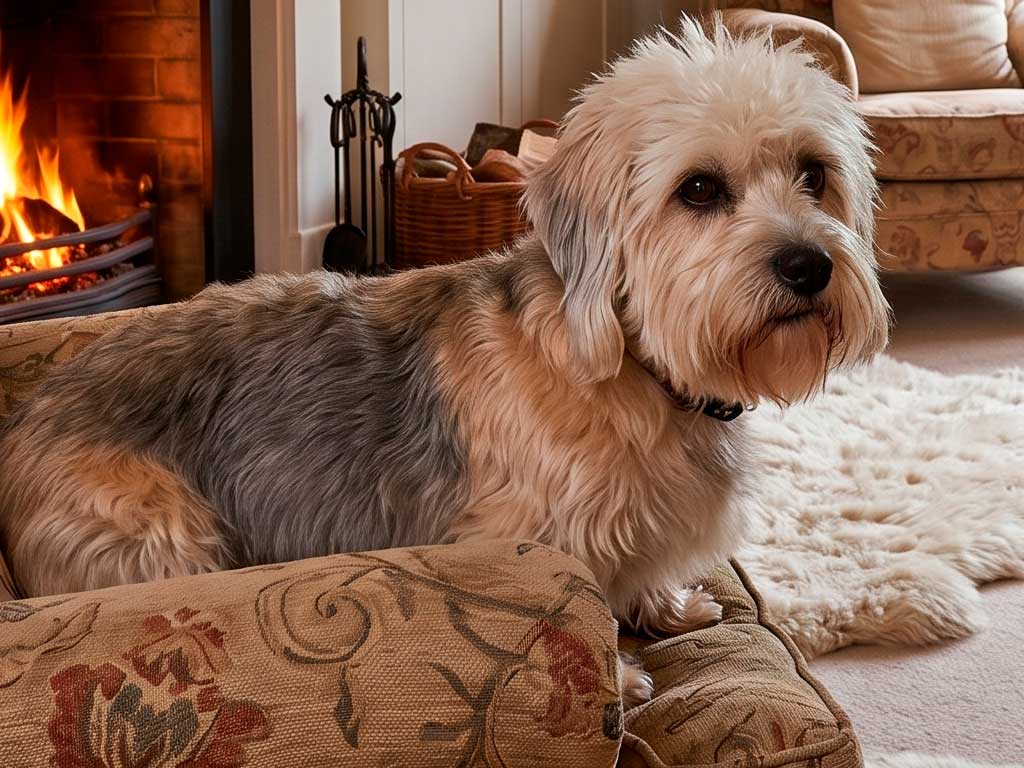
The Dandie Dinmont Terrier is one of the dog world’s most underappreciated small breeds. Named after a fictional character in Sir Walter Scott’s 1814 novel “Guy Mannering,” this Scottish hunting terrier combines the tenacious spirit of their working heritage with surprising sensitivity toward their loved ones. Dandie Dinmonts are rare—a breed that has maintained relative obscurity despite royal patronage and historical significance.
Their distinctive appearance, featuring “mustard” and “pepper” coloring and a unique silhouette, makes them immediately recognizable to breed enthusiasts, yet largely unknown to the general public. Understanding this breed requires appreciating their literary origins, their remarkable grooming demands, and their complex personality blend of independence and affection. This comprehensive guide explores whether a Dandie Dinmont Terrier fits your lifestyle and expectations.
History and Origin: From Poaching Grounds to Royal Courts
The Dandie Dinmont Terrier boasts one of the most unconventional origin stories in dog breeding history. This Scottish hunting terrier was developed in the 17th century specifically for hunting badger, otter, and other small prey. Hunters in the Scottish Borders region refined these small, low-slung dogs for their effectiveness at pursuing quarry into burrows and underground dens.
What makes the Dandie’s history remarkable is its poaching legacy. The breed was so valuable at locating prey that poachers highly prized these small hunters. In fact, historians believe that all modern Dandies descend from a single poacher’s dog discovered in a trap on the estate of the Duke of Buccleugh. This singular origin story—from an unknown poacher’s dog to the foundation of an entire breed—is genuinely remarkable.
The breed’s name comes not from a person but from a fictional character. Sir Walter Scott’s 1814 novel “Guy Mannering” features a character named Dandie Dinmont who keeps these terriers. Scott was so impressed by the breed that his fictional character gave them lasting cultural prominence. Before this literary immortalization, these dogs were known as “Mustard and Pepper Terriers”—names referring to their distinctive coat colors. The breed was formally recognized and registered by the 1880s.
Even more remarkably, the Dandie Dinmont has its own tartan (Scottish woven pattern)—a distinction shared by very few dog breeds and a point of pride for breed clubs and enthusiasts worldwide.
Physical Characteristics: The Unique “Scimitar-Tailed” Terrier
The Dandie Dinmont is a small to medium-sized dog with a distinctive long, low-slung body structure. Adults stand 20 to 28 centimeters tall (8 to 11 inches) and weigh 8 to 11 kilograms (18 to 24 pounds). This elongated body relative to height is intentional—it allowed them to navigate underground burrows efficiently when hunting.
The breed’s most distinctive feature is their unique coat. A double-layered coat with 5 centimeters of length, Dandies display either “mustard” (golden-yellow tones) or “pepper” (grey) coloring. The head features softer, silky hair, while the body coat is harder and requires specialized grooming. This contrast in texture and the color variations make Dandie Dinmonts immediately recognizable to those familiar with the breed.
Their tail is particularly striking—often described as resembling a curved scimitar (the short curved sword). This distinctive tail shape, combined with their silhouette and expression, gives them a unique, almost theatrical appearance compared to other terriers.
Their large, expressive eyes and intelligent expression convey considerable personality despite their diminutive size. Aesthetically, Dandies are far less “cute” and more “characterful” than typical toy breeds—a distinction that appeals to those seeking personality over sentimentality.
Temperament and Personality: Tenacious Yet Affectionate
The Dandie Dinmont possesses a complex personality reflecting their dual heritage as working hunters and companion dogs. They are decidedly independent and tenacious—characteristics essential for hunting alone in burrows. These are not dogs who instinctively obey or defer to human authority. They think independently and often make their own decisions.
However, this independent streak coexists with genuine sensitivity and affection toward their families. Dandies are loyal, devoted companions who crave involvement in family life. They’re not aggressive but rather determined—they’ll pursue a problem-solving approach with focus and persistence. This combination of independence and sensitivity can confuse owners expecting either a typical independent terrier or a typical affectionate companion.
These dogs are vocal—they bark to alert, defend territory, and express their opinions. Early training and socialization help manage excessive barking. Their guardian instinct remains strong despite their small size.
Social compatibility with other animals requires early socialization. Their prey drive, while less intense than some terrier breeds, means small animals may trigger hunting behavior. Proper introduction and management are necessary.
Care Guide
Diet and Nutrition
Small breeds like Dandie Dinmonts require specialized nutrition matched to their fast metabolism. Feed high-quality food formulated for small breeds, with appropriate nutrient proportions and kibble sizes suited to their small mouths. Feed twice daily in smaller portions rather than one large meal.
Monitor weight carefully—obesity significantly impacts small dogs’ joints and spinal health. Fresh water should always be available.
Exercise Requirements
Dandie Dinmonts require approximately one hour of daily exercise, though they’re reasonably forgiving if occasional days are shorter. These are active, engaged dogs but not hyperactive. Walks, play, and mental stimulation keep them content. Many owners find puzzle toys and scent games particularly engaging for this hunting-heritage breed.
Grooming Needs
Grooming is a significant commitment for Dandie Dinmont ownership. The coat requires brushing at least twice weekly (some devotees brush daily). More importantly, the coat requires hand-stripping (plucking the outer coat) at least twice yearly. This specialized grooming technique removes dead outer hair and maintains the distinctive texture.
Hand-stripping is labor-intensive and typically requires professional grooming by someone experienced with the breed. This specialized grooming cost and maintenance should factor into ownership decisions.
Training and Education
Dandie Dinmonts are intelligent but independent learners. Positive reinforcement works best—these dogs respond to food motivation and praise but resist harsh corrections. Early socialization with varied people and animals is essential.
Their independent nature means they’re less naturally obedient than many breeds. Consistent, patient training is necessary. Many owners appreciate the breed’s thinking approach to problems—they’re not blind followers but rather partners in problem-solving.
Health and Longevity
Dandie Dinmonts typically live 12 to 15 years—a reasonable lifespan for their size. The breed is predisposed to specific health concerns requiring breeder awareness and owner management.
Spinal problems are significant concerns, stemming from their elongated back and short legs. Intervertebral disc disease (similar to Corgis) can affect mobility and comfort. Managing weight, avoiding excessive jumping, and using ramps for furniture access help prevent or minimize issues.
Patellar luxation (temporary kneecap dislocation) is common in small breeds, including Dandies. Responsible breeders screen for this condition.
Hereditary eye problems require routine eye examinations. Before acquiring a Dandie puppy, ensure the breeder conducts eye screening on parents.
Is This the Right Dog for You?
Dandie Dinmonts suit owners appreciating independent, characterful small dogs with historical significance and grooming demands.
Choose a Dandie Dinmont Terrier if you:
- Appreciate independent, thinking dogs over blind obedience
- Can commit to specialized grooming (hand-stripping twice yearly)
- Want a rare, distinctive breed with literary heritage
- Enjoy training intelligent companions
- Like small dogs with genuine personality
- Understand spinal health concerns and management
- Can provide one hour daily exercise and mental stimulation
- Appreciate dogs valuing companionship over being lap dogs
Consider another breed if you:
- Want an easily trained, naturally obedient dog
- Cannot commit to hand-stripping grooming
- Prefer low-maintenance breeds
- Dislike barking or vocal dogs
- Cannot manage spinal health concerns
- Want a purely lap dog without independent nature
- Have limited grooming budget or patience
Frequently Asked Questions About Dandie Dinmont Terriers
1. Why is this breed named after a fictional character? Sir Walter Scott’s 1814 novel “Guy Mannering” featured a character named Dandie Dinmont who owned these terriers. Scott was so impressed that the fictional character’s name became the breed’s permanent name. Before this, they were called “Mustard and Pepper Terriers.” It’s one of the rare instances where a fictional character permanently named a dog breed.
2. What is hand-stripping and why is it necessary? Hand-stripping involves manually plucking dead outer coat hair rather than clipping. This maintains the distinctive texture and appearance while clipping would soften the coat. It’s labor-intensive, requiring professional expertise, and is necessary twice yearly. This specialized grooming is a significant ownership commitment.
3. Are Dandie Dinmonts hypoallergenic? Yes, relatively. Their hand-stripped coat sheds minimally, and low shedding makes them suitable for many people with dog allergies. However, no breed is completely hypoallergenic, and individual reactions vary significantly.
4. Do Dandie Dinmonts suffer from back problems like Corgis? They’re predisposed to spinal issues due to their elongated backs and short legs. Intervertebral disc disease is a concern requiring weight management, limiting jumping, and using furniture ramps. Responsible breeding and careful management minimize but cannot eliminate this risk.
5. Why are they called “Mustard and Pepper Terriers”? Their coat colors are “mustard” (golden-yellow) and “pepper” (grey). Before being named after Scott’s fictional character, these Scottish terriers were simply called by their distinctive coloring. The colorful nomenclature reflects their visually distinctive appearance.
The Underappreciated Scottish Classic
The Dandie Dinmont Terrier remains one of dog breeding’s best-kept secrets—a rare breed with extraordinary literary origins, royal patronage, and unique characteristics. Their tenacious independence combined with surprising sensitivity, distinctive appearance, and specialized grooming needs make them far more complex than typical toy breeds.
For owners seeking a rare, characterful small dog with significant history and personality—and who can commit to their distinctive grooming demands—the Dandie Dinmont offers incomparable reward. These remarkable terriers continue the tradition of Scottish grit and independence, whether hunting badgers on the border or serving as devoted companions in modern homes.
Another small Scottish terrier worth knowing is the Skye Terrier, famous for the real story of Greyfriars Bobby and a loyalty streak that matches its Scottish terrier cousins.