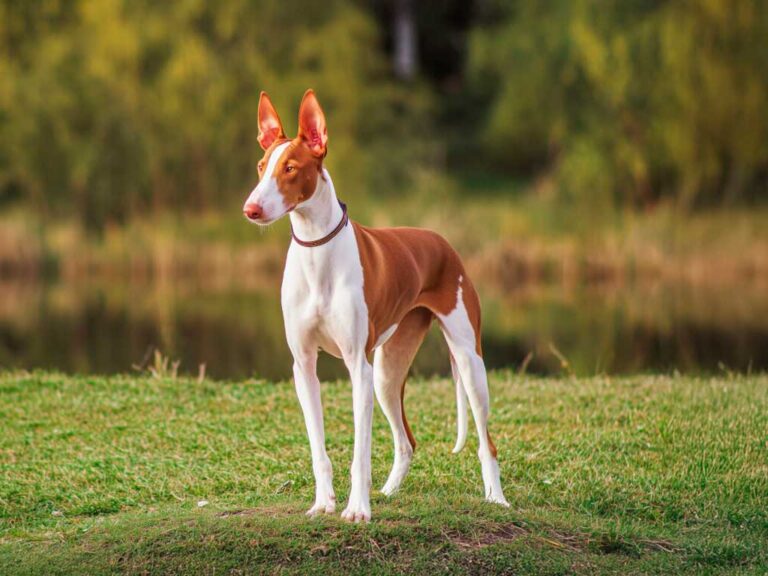
Sloughi Dog Breed: The Arabian Greyhound Found in Egyptian Tombs
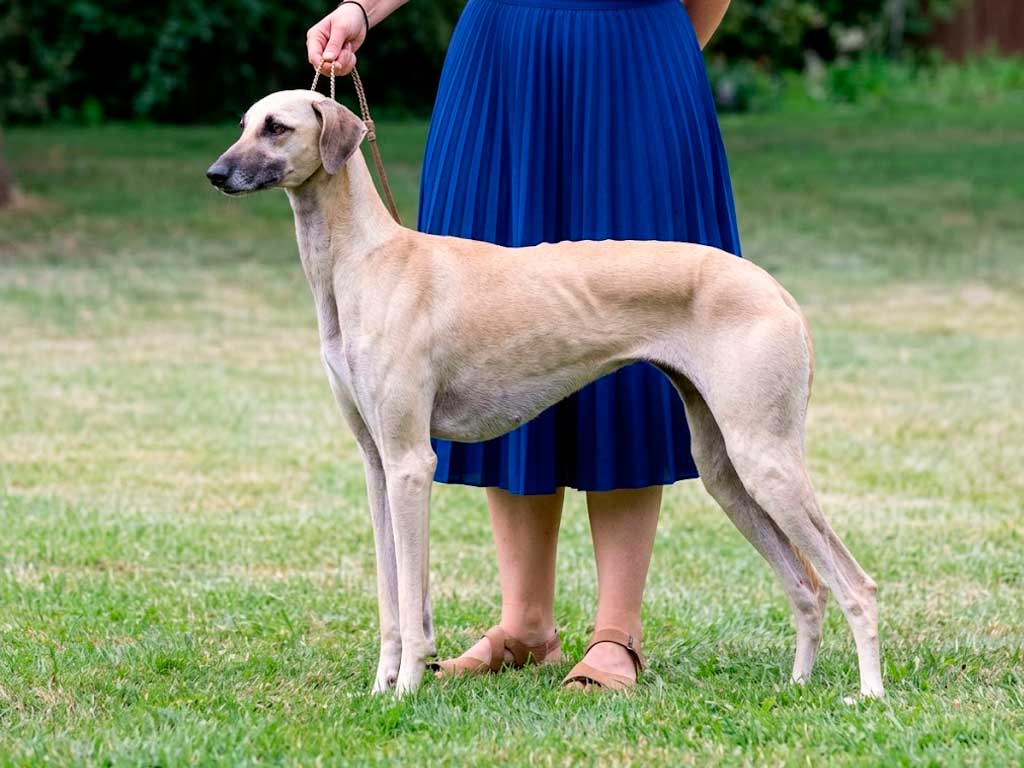
The Sloughi is a medium-to-large North African sighthound: males stand 66–71 cm (26–28 in) and weigh 20–27 kg (44–60 lb), with a short coat that asks for almost nothing. It was bred to run down game across open ground, and it still runs first and thinks later the moment a scent crosses its path.
Most live 12 to 16 years. The breed needs two hours of exercise a day, a securely fenced space, and an owner who accepts that training is a negotiation rather than a command. It suits experienced owners with a fenced yard. It frustrates anyone with limited time.
Sloughi at a Glance
| Attribute | Value |
|---|---|
| Size | Medium to large sighthound |
| Weight | 20–27 kg (44–60 lb) males; females slightly smaller |
| Height | 66–71 cm (26–28 in) males |
| Lifespan | 12–16 years |
| Coat | Short, low-maintenance, several shades |
| Kennel group | Sighthound (FCI Group 10) |
| Grooming | Low: a rubber glove once a week |
| Energy | Very high: two hours or more a day |
| Housing | Needs securely fenced space |
| Best suited for | Experienced owners with a fenced yard |
What Nobody Tells You About Living With a Sloughi
A Sloughi cannot be off-leash. Not in the park, not on the beach, not on the quiet path you are sure is empty. Once the dog picks up a scent trail it runs, and it was built to run further and faster than you can follow. Recall training helps; it does not turn a sighthound into a dog you can trust in the open.
If you do not have securely fenced space, or access to some every day, this breed spends its life on a short lead and you will both resent it.
The Sighthound That Doesn’t Bark
Every assumption about hounds says noisy. The Sloughi is the exception: it is notably quiet, and it is not a natural watchdog, despite being alert and relentless in the field. If you were counting on a dog that announces someone at the gate, this one will not do it.
That silence cuts both ways. In a flat it is a real advantage over most breeds this size, but quiet is not permission for a small space. Two hours of running a day is the price, and no amount of silence changes that arithmetic.
Four things follow from that:
- Do not choose a Sloughi for security; choose it for company.
- Its alertness shows in the field, not at the front door.
- The quiet makes shared walls easier, not the daily exercise.
- A silent dog that bolts is harder to find, so the fence matters more rather than less.
What Sloughis Are Really Like to Live With
Independent, deeply loyal to its own family, and uninterested in performing for strangers. This is a dog that bonds hard to the people it lives with and stays reserved with everyone else.
| Trait | What it means at home |
|---|---|
| Independence: high | Training runs as a negotiation, not a command |
| Prey drive: very high | Cats and small animals are prey without early socialisation |
| Stamina: high | Two hours a day or more, and it will use every minute |
| Vocalisation: low | Notably quiet, and not a natural watchdog |
| Affection: high, on its terms | Devoted to its family, indifferent to visitors |
| Coat: minimal | A rubber glove once a week is the whole routine |
With other pets
Only with early, careful socialisation. Without it the hunting instinct is not a nuisance but the operating system: cats and small animals register as prey, and no amount of later correction rewrites that.
Health: What to Know Before You Commit
The Sloughi is a robust breed with few health problems on record, and the main consideration is hereditary eye disorders. A vet eye screening is worth scheduling, and worth asking about before you commit to a puppy rather than after.
With good care the breed often lives 12 to 16 years. Raise eye screening with your vet at routine checkups instead of waiting for a problem to show up at home.

Lemonade Pet Insurance
Explore customizable pet insurance coverage and learn whether Lemonade is the right fit for your dog or cat.
- Customizable coverage options
- Online policy management
Sloughi Care: Grooming, Exercise, and Daily Needs
Coat care
About as low-maintenance as coat care gets. Sloughis are famously fastidious and often clean themselves like a cat when they get dirty, which leaves a rubber grooming glove once a week as the entire routine.
Exercise and safe spaces
Two hours a day or more for an adult. The difficulty is not the distance but the acceleration: once this dog commits to a scent it is gone, so off-leash happens inside secure fencing and nowhere else. Recall training starts on day one, not after the first escape.
Training a Sloughi: What Works and What Doesn’t
Independence is the defining trait here, which makes training closer to a negotiation than a set of commands. Positive reinforcement and patience work; a heavy hand does not, and consistency matters more than intensity.
Recall is the priority, given the prey drive. Early socialisation with people, other dogs and small pets decides how this dog handles life outside the house.
- Start recall before the dog is fast enough to outrun you.
- Reward the check-in, not only the return.
- Socialise with cats and small animals early if you want them as housemates rather than prey.
- Keep sessions short; this dog starts negotiating the moment it gets bored.
Feeding a Sloughi: Portions, Schedule, and What to Watch
A balanced diet with all the core nutrient groups, and fresh water always available. Feed twice a day following the food’s own guidelines, and check body condition regularly: this is a lean athlete, and both extra weight and sudden loss show quickly on a frame with nowhere to hide it.
Portion size depends on the individual dog, not on a breed average. Adjust from what you can feel at the ribs. For the fundamentals, see our guide to feeding a dog.
- Two meals a day.
- Measure the food rather than free-feeding.
- Reassess the ration whenever activity changes.
Shop for Your Breed

Just Food For Dogs – Fresh Frozen
Fresh meals. Gently cooked, then frozen to lock in nutrients. 100% Human Grade Ingredients. Gently Cooked in the USA. #1 Vet-Recommended Fresh Food.
Shop on JustFoodForDogs
Raw Paws Pet Food – Frozen Raw Pet Food
Feeding your pet a frozen raw pet food diet is a simple way to deliver real, whole-food nutrition in its most natural form.
Shop on RawPawsPetFood
Bravecto Chews for Dogs
Bravecto is a long-lasting flea and tick protection option for your dog. 1 dose of Bravecto chew provides up to 12 weeks of powerful protection, which is nearly 3 times longer than a monthly treatment.
Shop on BestVetCare.com
Deworming Treatments for Dogs
BestVetCare offers you a wide range of worm treatments which come in a variety of forms such as oral paste, tablets, granules, and liquid solutions.
Shop on BestVetCare.comHappyPetZone participates in various affiliate programs with brands and retailers. We may receive a commission on purchases made through our links, at no extra cost to you.
Is the Sloughi the Right Dog for You?
| This dog fits you if… | Think twice if… |
|---|---|
| You have securely fenced space, or daily access to some. | You want a dog that can run free in the park. |
| You can give two hours a day, every day. | Your schedule leaves the dog alone most of the day. |
| You have lived with an independent breed before. | This is your first dog. |
| You want a quiet dog that bonds to one family. | You want a dog that greets every visitor with enthusiasm. |
| You accept that training is slow and negotiated. | You want a dog that obeys because it wants to please. |
Related Breeds
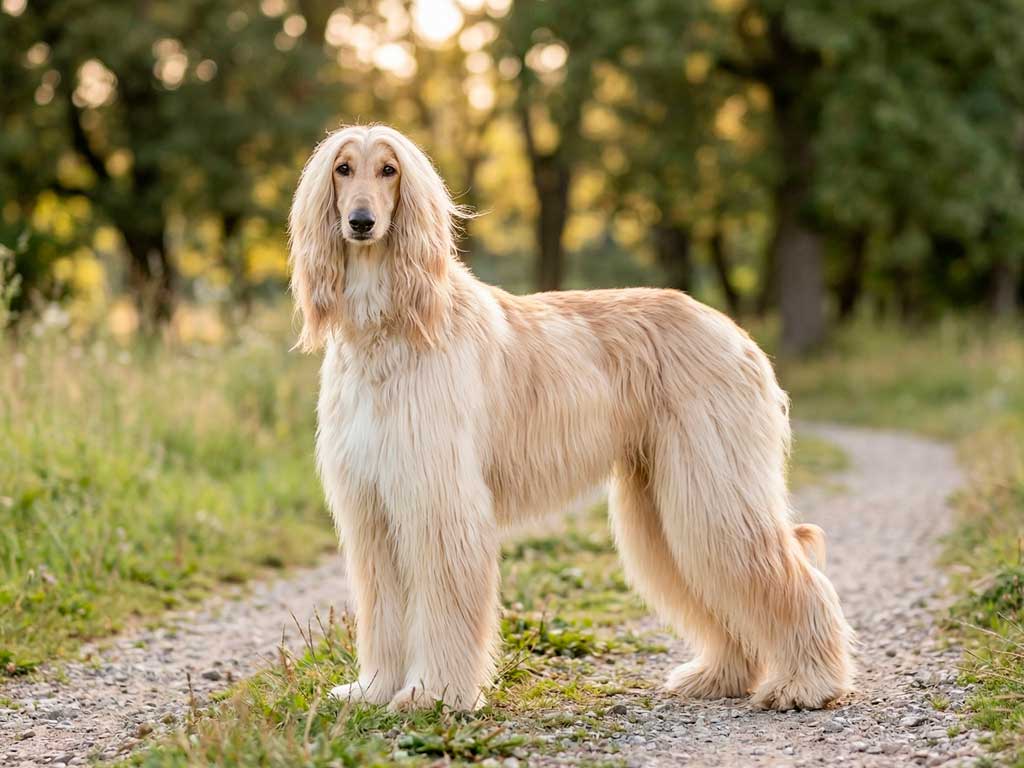
- Afghan Hound — a similarly ancient sighthound, with a coat that turns grooming into an entirely different project.
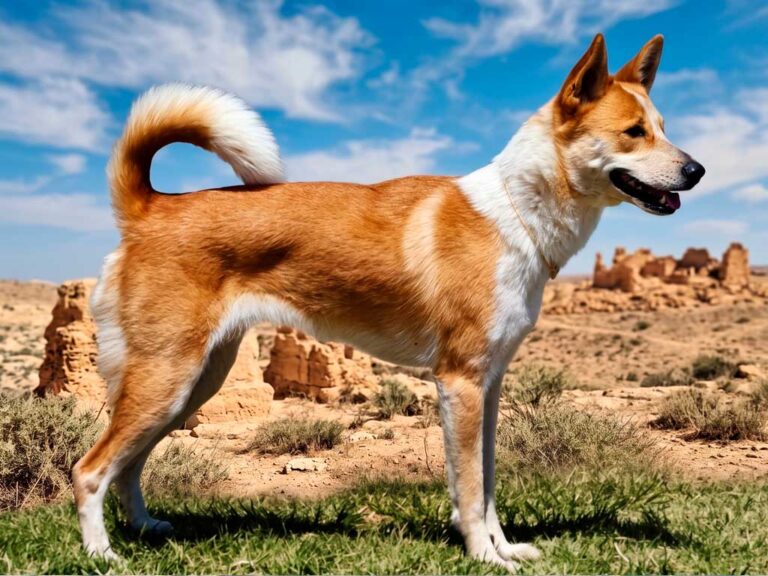
- Canaan Dog — another breed with deep desert roots and a very different working relationship with people.
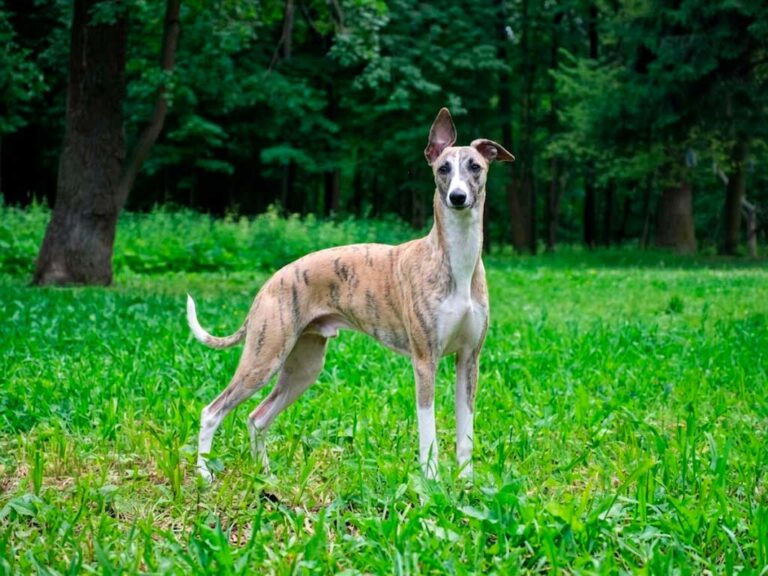
- Whippet — the sighthound to look at first if the fence problem is not solved yet.