West Highland White Terrier: Bred From a Tragic Hunting Accident
Are you looking for a small dog with a big personality, a bright white coat, and plenty of energy? The West Highland White Terrier, often called the Westie, could be a wonderful companion. These Scottish terriers are confident, curious, and affectionate with their families, but they also have an independent streak that new owners should understand.
A Westie is more than a cute face. Originally bred to hunt rodents and other small animals, this sturdy little dog still enjoys exploring, digging, chasing, and investigating anything that catches its attention. It needs regular exercise, patient training, consistent grooming, and a diet suited to its individual needs.
This guide covers the West Highland White Terrier’s size, temperament, history, health, grooming, nutrition, and everyday care so you can decide whether the breed fits your lifestyle.
West Highland White Terrier at a Glance
| Characteristic | Details |
|---|---|
| Breed name | West Highland White Terrier |
| Common nickname | Westie |
| Origin | Scotland |
| Breed group | Terrier |
| Adult height | Approximately 10–11 inches (25–28 cm) |
| Adult weight | Usually around 15–20 pounds (7–9 kg) |
| Life expectancy | Often around 12–16 years |
| Coat | White, double-layered, and weather-resistant |
| Temperament | Confident, lively, curious, and affectionate |
| Exercise needs | Around 30–60 minutes daily, depending on the dog |
| Grooming needs | Regular brushing and professional coat care |
| Best suited to | Owners who enjoy an active, engaged small dog |
Individual dogs vary in size, health, and energy level. These figures are general breed guidelines rather than guarantees for every Westie.
What Is the History of the West Highland White Terrier?
The West Highland White Terrier originated in Scotland, where small terriers were developed to work in rugged terrain and control vermin. Their compact bodies helped them move through narrow spaces, while their determination made them useful working dogs.
The breed is closely associated with the Poltalloch area of Argyllshire and with Colonel Edward Donald Malcolm. According to a popular account, a reddish terrier was accidentally mistaken for a fox during a hunt. The story says this encouraged the development of white terriers that would be easier to distinguish in the field.
The exact details of the story are part of breed tradition, but the Westie’s working background is well established. These dogs were bred for practical jobs, not simply for their appearance.
The breed was also known by names such as Poltalloch Terrier and Roseneath Terrier. Its distinctive white coat eventually became one of its defining characteristics.
Today, Westies are primarily companion dogs. Even so, their original purpose remains visible in their behaviour. Many enjoy digging, sniffing out interesting scents, chasing moving objects, and investigating their surroundings.
Understanding this history helps explain why a Westie may be independent or persistent. These traits can be managed with appropriate training, exercise, and enrichment.
What Does a West Highland White Terrier Look Like?
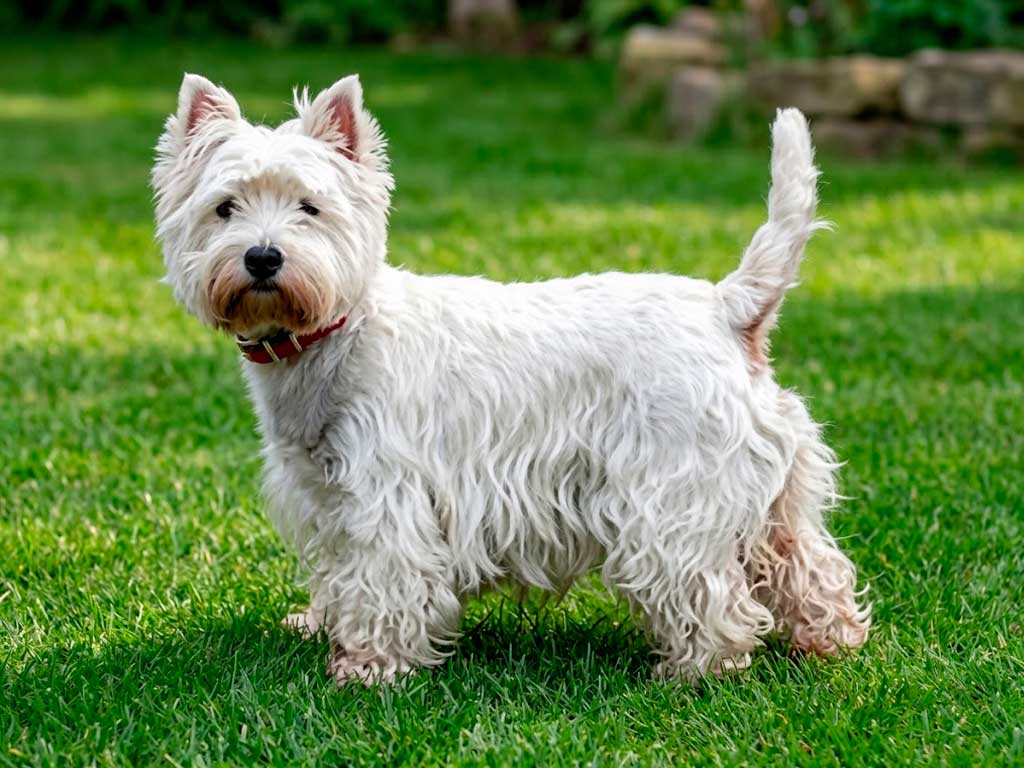
The West Highland White Terrier is small, compact, and surprisingly sturdy. Its body is well balanced, with strong legs, an alert expression, upright ears, and dark eyes.
The breed’s most recognizable feature is its white double coat. The outer layer is relatively hard and straight, while the undercoat is softer and dense. This combination originally helped protect the dog while working outdoors.
Size and Weight
Most adult Westies stand around 10–11 inches at the shoulder and weigh approximately 15–20 pounds. Males and females can differ slightly, and individual body structure matters more than a single number on the scale.
A healthy Westie should have a defined waist when viewed from above and a body condition appropriate for its frame. Extra weight can place unnecessary strain on the joints and make exercise more difficult.
If you’re unsure whether your dog is at a healthy weight, ask your veterinarian to assess its body condition and recommend an appropriate feeding plan.
Coat and Colour
The breed standard recognizes a white coat. The outer coat should feel firm rather than soft and fluffy, with a dense undercoat beneath it.
Although the coat is white, it isn’t maintenance-free. Dirt can collect around the paws, muzzle, and beard, especially after outdoor adventures. Regular brushing and sensible bathing help keep the coat clean without irritating the skin.
A Westie’s coat also plays a role in its traditional working appearance. Owners who want to preserve its texture may choose hand-stripping with an experienced groomer, while many companion dogs receive regular clipping.
What Is the West Highland White Terrier’s Temperament?
Westies are known for their confidence, curiosity, and lively personalities. Many form close bonds with their families and enjoy being involved in everyday activities.
They can be playful and affectionate, but they aren’t always content to sit quietly for long periods. Their terrier instincts may lead them to bark at unfamiliar sounds, chase wildlife, or dig in the garden.
A Westie often benefits from an owner who appreciates its independent nature while setting clear, consistent boundaries.
Are Westies Good Family Dogs?
West Highland White Terriers can be good family companions when children learn to interact with them gently. Their sturdy build helps them cope with everyday activity, but they are still small dogs and can be injured by falls, rough handling, or accidental knocks.
Supervise interactions with young children. Teach children not to pull the dog’s ears or tail, disturb it while eating, or force it to play when it wants to rest.
Give your Westie a quiet space where it can retreat whenever it needs a break.
Do Westies Get Along With Other Dogs?
Many Westies can live successfully with other dogs, especially when they receive positive socialization early in life. However, individual temperament matters, and some may become assertive around unfamiliar dogs.
Introduce new dogs gradually and supervise their interactions. Reward calm behaviour rather than forcing contact.
Because Westies have a strong prey drive, extra care is needed around cats and small pets. Some can live peacefully with a household cat after careful introductions, but others may chase smaller animals.
Keep rabbits, guinea pigs, hamsters, and other small pets safely separated. Never rely on breed friendliness alone to guarantee a safe interaction.
Do West Highland White Terriers Bark a Lot?
Westies are alert dogs and may bark when they hear unusual noises, notice visitors, or see movement outside. Their watchdog instincts can make them vocal, particularly when they become bored or excited.
To manage excessive barking:
- Reward quiet behaviour when your dog notices a sound.
- Teach a simple cue such as “quiet” using positive reinforcement.
- Provide daily walks and activities that challenge its mind.
- Avoid shouting, which can increase excitement.
- Reduce access to triggers, such as a busy window, while training is underway.
If barking suddenly increases or occurs alongside signs of distress, consider whether a health issue, environmental change, or separation-related problem could be contributing.
How Do You Train a West Highland White Terrier?
Westies are intelligent and capable of learning, but their independent nature can make training feel challenging at times. They may understand a cue perfectly and still choose to investigate something more interesting.
Short, rewarding sessions usually work better than long, repetitive drills. Use treats, praise, and play to make learning worthwhile.
Start with these essential skills:
- Name recognition: Reward your dog for looking at you when you say its name.
- Recall: Practise coming when called in a secure area before adding distractions.
- Loose-leash walking: Reward your Westie for walking near you without pulling.
- Settle: Teach it to relax on a mat or bed.
- Handling: Help your dog become comfortable with nail trimming, brushing, and routine veterinary examinations.
Early socialization is equally important. Introduce your puppy to different people, environments, sounds, and suitable dogs in a gradual, positive way.
Avoid harsh punishment. It can increase fear and frustration without teaching your dog what you want it to do instead.
How Much Exercise Does a Westie Need?
Most healthy adult Westies benefit from around 30–60 minutes of activity each day, adjusted for age, health, weather, and individual energy levels.
A useful routine may include:
- A morning walk with time to sniff.
- A short play session or food puzzle.
- Training games during the day.
- An evening walk or supervised garden play.
Westies often enjoy chasing balls, exploring new routes, and playing games that involve finding hidden treats. These activities provide physical movement and mental stimulation.
Keep your dog on a leash or in a securely fenced area when necessary. Its instinct to chase wildlife can override recall, especially when an exciting scent appears.
Puppies and senior dogs may need a different exercise plan. Ask your veterinarian how to adjust activity as your dog grows or develops health concerns.
How to Groom a West Highland White Terrier
The Westie’s double coat needs regular attention to prevent tangles and maintain its condition. A simple grooming routine also gives you an opportunity to check the skin, ears, paws, and nails.
Brushing and Coat Maintenance
Brush your Westie several times a week, increasing the frequency if the coat becomes tangled easily. Pay particular attention to the legs, underarms, beard, and areas where a collar or harness rubs.
Use a suitable brush and comb gently. Avoid pulling hard at mats, which can hurt the skin. Tight mats may require help from a professional groomer.
Traditional Westie coat care often involves hand-stripping, which removes dead outer hairs and helps preserve the coat’s natural texture. Clipping is also common for companion dogs and may be easier to maintain.
A professional groomer can recommend the most suitable approach for your dog’s coat and lifestyle. Regular appointments, often every four to six weeks, can help maintain a tidy appearance.
Bathing a Westie
White fur can show dirt quickly, but frequent bathing isn’t always necessary. Bathing too often or using harsh products may dry the skin and affect the coat.
Use a gentle dog shampoo and rinse thoroughly. Choose products based on your dog’s skin and coat needs rather than relying on whitening products alone.
Dry your dog properly after bathing, particularly around the ears and paws. If you notice persistent itching, redness, flakes, or hair loss, speak with your veterinarian before changing shampoos repeatedly.
Eyes, Ears, Nails, and Teeth
Good grooming includes several small tasks:
- Eyes: Gently remove ordinary discharge with a clean, damp cloth. Redness, pain, or persistent discharge needs veterinary attention.
- Ears: Check for odour, redness, or unusual discharge. Clean only as recommended by your veterinarian.
- Nails: Trim regularly to prevent overgrowth and discomfort while walking.
- Paws: Check between the toes for dirt, debris, irritation, or damaged nails.
- Teeth: Brush regularly with dog-safe toothpaste and arrange veterinary dental checks.
A calm, predictable routine helps your Westie accept handling. Start slowly and reward cooperation rather than trying to complete every grooming task in one session.
West Highland White Terrier Health and Common Problems
West Highland White Terriers can live long, active lives, but the breed may be predisposed to certain health conditions. Responsible breeding, preventive veterinary care, appropriate nutrition, and maintaining a healthy weight all help support long-term wellbeing.
Skin Allergies and Skin Conditions
Westies can be prone to skin problems, including allergic skin disease. Signs may include persistent itching, redness, repeated ear problems, licking the paws, or irritated skin around the face and body.
Skin symptoms can have several causes, including environmental allergens, parasites, infections, and food-related reactions. You cannot reliably identify the cause from appearance alone.
If itching continues or keeps returning, arrange a veterinary examination. Avoid starting elimination diets, supplements, or medicated products without professional guidance.
Patellar Luxation
Patellar luxation occurs when the kneecap moves out of its normal position. Affected dogs may skip for a few steps, briefly hold up a hind leg, or show intermittent lameness.
The severity varies. A veterinarian can assess the joint and discuss appropriate management, which may range from monitoring to surgery in more severe cases.
Dental Disease
Small dogs can develop plaque, tartar, and gum disease, making regular dental care especially important.
Brush your Westie’s teeth with a toothbrush and toothpaste made for dogs. Never use human toothpaste, which may contain ingredients unsuitable for pets.
Persistent bad breath, bleeding gums, difficulty chewing, or loose teeth warrant veterinary attention. Dental chews can be part of a care routine, but they don’t replace toothbrushing or professional assessment.
Other Health Concerns
Westies may also experience eye conditions and other inherited or breed-associated disorders. Some dogs develop chronic digestive or liver problems that require veterinary investigation.
When choosing a puppy, ask the breeder about the health history of the parents and any recommended screening. Responsible breeders should be willing to discuss known risks and provide appropriate records.
Schedule routine veterinary examinations and keep vaccinations and parasite prevention up to date. You can also read our dog deworming guide for general information about parasite prevention.
Veterinary disclaimer: This guide is for general educational purposes and does not replace professional veterinary advice. Seek veterinary care if your Westie develops persistent itching, changes in appetite, repeated vomiting, limping, breathing difficulties, or other concerning symptoms.
What Should You Feed a West Highland White Terrier?
A West Highland White Terrier needs a complete and balanced diet that suits its age, activity level, body condition, and health. Puppies, adults, and senior dogs have different nutritional requirements, so choose a food formulated for the appropriate life stage.
A suitable diet supports healthy muscles, normal digestion, skin function, and coat condition. Because Westies can experience skin problems, discuss any persistent itching or suspected food sensitivity with your veterinarian rather than assuming a particular ingredient is responsible.
For a broader explanation of feeding choices, portion control, and balanced nutrition, see our dog nutrition guide.
How Much Food Does a Westie Need?
The correct portion depends on the dog’s weight, age, activity, metabolism, and the calorie content of its food. Follow the feeding guidance on the packaging as a starting point, then adjust with veterinary advice according to body condition.
Measure meals rather than estimating portions by eye. Treats should remain a small part of daily calorie intake, particularly if you’re using them frequently during training.
Provide fresh water throughout the day. If you change foods, transition gradually unless your veterinarian recommends a different approach.
Is Fresh Dog Food an Option for Westies?
Fresh dog food can be an option when it is complete and balanced for your dog’s life stage and nutritional needs. Check the product’s nutritional adequacy statement and storage instructions, and ask your veterinarian whether it suits your Westie.
JustFoodForDogs is one brand worth exploring if you’re interested in fresh or gently prepared meal options. Review the available recipes, feeding guidance, and storage requirements before choosing a product. Not every recipe is appropriate for every dog, particularly those with medical conditions or specific dietary requirements.

FROM JUSTFOODFORDOGS
Just Fresh
Resealable meals. No preservatives. Open, serve, refrigerate.
Shop Just FreshHappy Pet Zone may earn a commission when you click through to JustFoodForDogs, at no extra cost to you.
If your Westie has ongoing skin symptoms, digestive issues, or a diagnosed medical condition, consult your veterinarian before changing its diet. A food change alone may not address the underlying problem.
How to Keep Your Westie at a Healthy Weight
Westies enjoy food and treats, so portion control matters. Extra weight can make movement more difficult and increase strain on the joints.
To help maintain a healthy body condition:
- Measure daily meals.
- Include treats in the overall calorie allowance.
- Choose regular walks and play rather than relying on food for enrichment.
- Monitor body shape and weight over time.
- Ask your veterinarian to assess weight changes or recommend a feeding adjustment.
A healthy diet should be sustainable for both the dog and the household. The best choice is one your Westie tolerates well, enjoys eating, and can safely receive over the long term.
Can a West Highland White Terrier Live in an Apartment?
Yes. A West Highland White Terrier can adapt well to apartment living when its exercise, training, and enrichment needs are met.
A garden isn’t essential, but daily walks and opportunities to explore are. Indoor activities such as puzzle feeders, scent games, and short training sessions can also help keep your dog occupied.
Barking deserves special attention in shared buildings. Teach your Westie to settle when it hears hallway noises, and avoid leaving it alone for long periods without gradually building its independence.
Westies may be small, but they aren’t passive lapdogs. They need interaction and opportunities to use their minds and bodies.
Is the West Highland White Terrier Suitable for First-Time Owners?
A Westie can suit a first-time owner who is prepared to learn about terrier behaviour and establish a consistent routine. Its manageable size and affectionate personality can be appealing, but its independence, prey drive, grooming needs, and tendency to bark require attention.
Before bringing one home, consider whether you can provide:
- Daily walks and regular play.
- Reward-based training and early socialization.
- Consistent grooming and dental care.
- Safe management around small animals and unfamiliar dogs.
- Routine veterinary care and a suitable diet.
- Companionship and gradual training for time spent alone.
If you’re choosing a puppy, look for a responsible breeder who prioritizes health and temperament. Ask about the parents, relevant health screening, and the environment in which the puppies are raised.
Adoption through a reputable rescue organization is another option. An adult Westie may be a good fit if you want a clearer picture of the dog’s established personality and activity level.
Choosing the Right Routine for Your Westie
A West Highland White Terrier can be a lively, loyal companion for many years. Its compact size is convenient, but its working-terrier instincts mean it still needs exercise, training, enrichment, and regular grooming.
Start with three practical habits: establish a consistent walking routine, brush the coat regularly, and choose a balanced diet that supports your dog’s individual needs. Arrange routine veterinary care and ask for advice whenever you notice persistent changes in skin, digestion, mobility, or behaviour.
With thoughtful preparation and a predictable daily routine, you can help your Westie stay comfortable, active, and engaged throughout its life.