Wire-Haired Dachshund: Not Actually a Hound
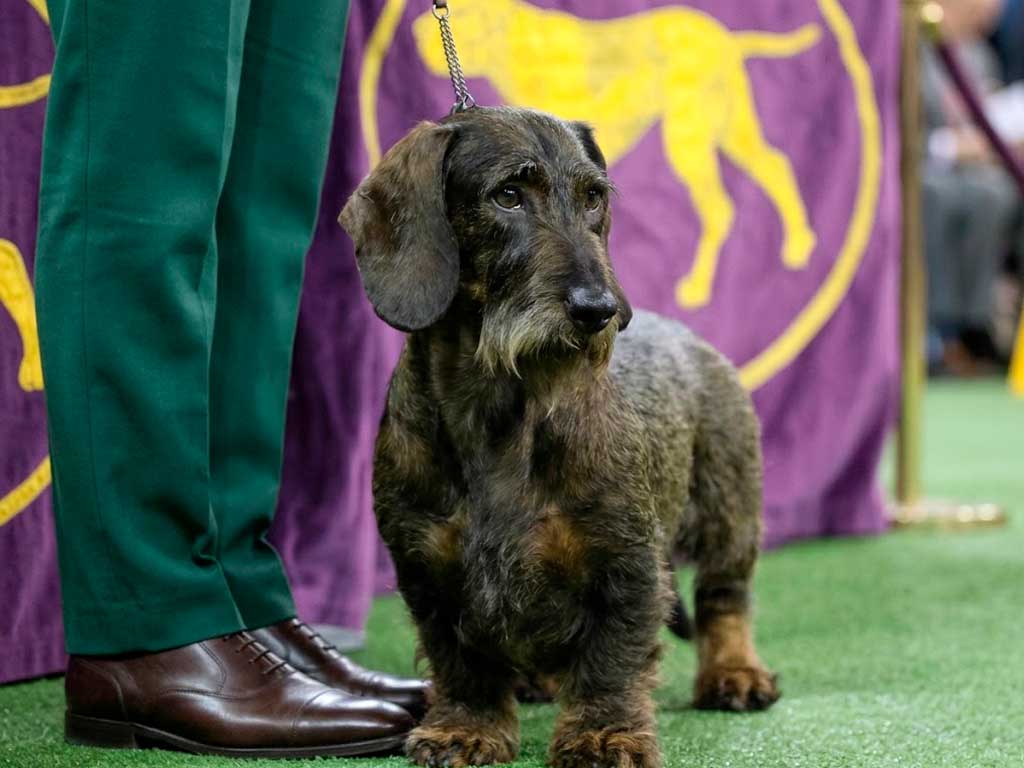
A wire-haired dachshund is a bold, affectionate dog with a rough coat, a distinctive beard and the instincts of a determined little hunter. If you’re considering bringing one home, understanding its grooming needs, exercise requirements and independent personality will help you decide whether this breed suits your household.
These dogs may look like cheerful little characters with oversized eyebrows, but their working background still shapes daily life. They enjoy following scents, investigating interesting places and keeping track of what happens around them. Training takes patience, and that wiry coat needs more attention than a quick brush before a walk.
This guide covers what makes the wire-haired dachshund different, how to care for its coat, what to feed it and which health concerns deserve your attention before choosing a puppy.
Wire-Haired Dachshund Quick Facts
- Breed group: Hound
- Origin: Germany
- Coat: Short, harsh outer coat with a dense undercoat
- Distinctive features: Bushy eyebrows, beard and moustache
- Personality: Lively, courageous, curious and independent
- Exercise: Regular daily walks and opportunities for mental stimulation
- Grooming: Weekly brushing, facial-hair care and periodic hand-stripping
- Lifespan: Often around 12–16 years, depending on the individual
- Best suited to: Owners who enjoy an active, characterful companion and can provide consistent training
Size and weight depend on the variety and the standard used in your country. Standard and miniature dachshunds have different size requirements, so check the relevant breed standard rather than relying on a single measurement for every wire-haired dachshund.
What Makes the Wire-Haired Dachshund Different?
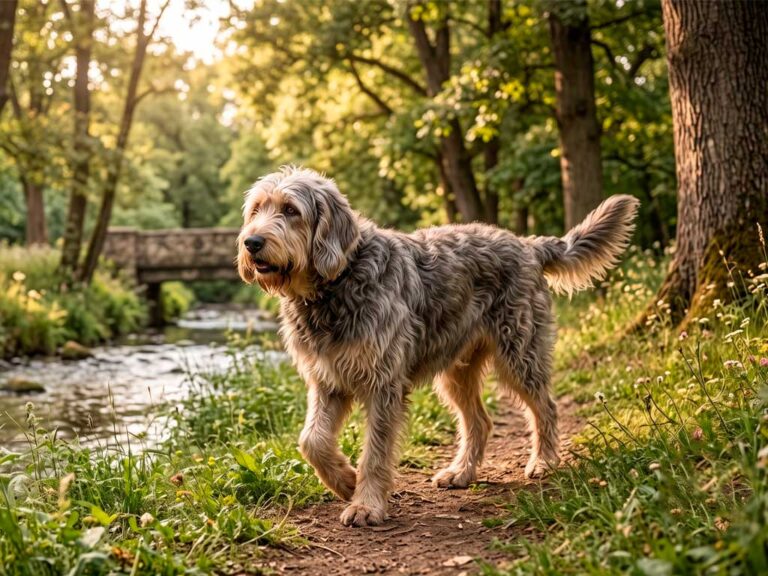
The wire-haired dachshund stands out because of its rugged coat and expressive face. Its eyebrows and beard give it a slightly scruffy appearance, while its long body and short legs retain the familiar dachshund silhouette.
The coat has a practical purpose. Its coarse outer layer and undercoat helped protect working dogs as they moved through rough vegetation and pursued prey. The texture also explains why ordinary clipping is not always the best choice for maintaining the breed’s characteristic appearance.
There’s another important distinction. Wire-haired dachshunds belong to the Dachshund breed, which is classified in the Hound group by kennel clubs. Their history includes terrier influence, which helps explain some of their lively, determined behaviour, but that doesn’t make them a separate terrier breed.
Standard vs. Miniature Wire-Haired Dachshund
The main difference is size. Both varieties share the familiar coat, facial furnishings and strong hunting instincts, although individual dogs can vary considerably in confidence and energy.
In the UK, miniature dachshunds are generally expected to weigh no more than 5 kg under the relevant breed guidance. Other countries may use different measurements or classification systems.
A smaller dog still needs proper exercise, socialisation and training. Don’t assume a miniature will automatically be quieter, easier to train or less interested in chasing wildlife.
If you’re specifically looking for a smaller companion, our Miniature Wire-Haired Dachshund guide explains the differences in more detail.
Personality: A Small Dog With a Strong Point of View
Wire-haired dachshunds are typically lively, alert and devoted to their families. They often enjoy being close to their people, yet their independent streak can make everyday training more demanding than a new owner expects.
Their hunting background matters here. A fascinating smell can be far more interesting than a familiar recall cue, especially when the dog is outdoors and something has caught its attention.
Expect a dog that wants to investigate the world rather than simply follow instructions.
Are Wire-Haired Dachshunds Good Family Dogs?
They can make affectionate family companions when children learn how to handle them gently. Early socialisation and adult supervision are particularly important because the breed’s long back can be vulnerable to injury.
Children should avoid picking a dachshund up without help, squeezing its body or encouraging it to jump from furniture. A dog that feels cornered or uncomfortable also needs a safe place to retreat.
With other pets, the picture depends on the individual dog’s temperament and experience. Some dachshunds live happily with cats or other dogs, while others may chase smaller animals because of their prey drive.
Introduce animals gradually and supervise their interactions. Small pets such as rabbits and guinea pigs should remain securely separated from a dog with hunting instincts.
Do Wire-Haired Dachshunds Bark a Lot?
Many dachshunds are vocal and quick to alert their owners to unfamiliar sounds or activity. This behaviour made sense in their working background, but it can become frustrating in a busy household.
Reward quiet behaviour, teach an alternative response when someone approaches the door, and make sure your dog has enough exercise and mental activity. Shouting often adds excitement to an already noisy situation.
Training a Wire-Haired Dachshund Without Constant Battles
A wire-haired dachshund can learn household manners, recall and useful everyday cues. The trick is making training rewarding enough that the dog wants to participate.
Start with short sessions and use small food rewards, toys or praise. End while your dog is still engaged rather than repeating a command until both of you become frustrated.
These habits help:
- Practise recall in safe, enclosed areas. Gradually add distractions as your dog becomes more reliable.
- Reward calm behaviour. Give attention and treats when your dog settles instead of barking for a response.
- Socialise early. Introduce unfamiliar people, dogs, sounds and environments at a comfortable pace.
- Provide scent games. Hide treats in safe places or use a suitable sniffing activity to engage the dog’s nose.
- Keep rules consistent. Everyone in the household should use the same cues and expectations.
A secure harness and a properly fitted lead are useful for everyday walks. Avoid relying on off-leash obedience near roads or wildlife, even if your dachshund responds well at home.
Digging also deserves attention. These dogs were developed to pursue prey underground, so digging may remain appealing throughout adulthood. A designated digging area or supervised scent activity gives that instinct a more suitable outlet.
Exercise: How Much Activity Does This Breed Need?
Most adult wire-haired dachshunds benefit from daily walks, sniffing opportunities and play. The Royal Kennel Club lists exercise of up to an hour a day for the wire-haired variety, although the appropriate amount depends on age, fitness and individual health.
Two manageable walks can work better than one exhausting outing. Add time for sniffing and exploration, which allows your dog to use its nose rather than simply covering distance.
Puppies need a different approach. Their growing bodies require age-appropriate activity, plenty of rest and controlled play. Ask your veterinarian how to adjust exercise as your puppy develops.
Because dachshunds have long backs and relatively short legs, avoid repeatedly encouraging them to jump from high furniture or navigate steep stairs unnecessarily. Use ramps where practical and support the body properly when lifting.
A secure garden is useful, but it doesn’t replace walks or interaction. Check fencing carefully because a determined dachshund may dig beneath a weak section when something interesting catches its attention.
Grooming the Wire Coat: Why Hand-Stripping Matters
The wire-haired dachshund’s coat needs a slightly different routine from the smooth or long-haired varieties. Its coarse texture, undercoat and facial furnishings all contribute to the breed’s characteristic look.
Brushing and Everyday Coat Care
Brush the coat regularly, usually around once a week, to remove loose hair and debris. A suitable grooming tool can help you work through the coat without irritating the skin.
Pay particular attention to the beard, eyebrows and areas where dirt collects after outdoor adventures. Check the paws after walks and inspect the ears regularly.
Keep the beard clean and dry, especially after meals or drinking. Trim stray hairs around the eyes when needed, taking care not to work too close to the eye itself.
What Is Hand-Stripping?
Hand-stripping removes mature, loose outer-coat hairs to help maintain the harsh texture associated with wire-haired dachshunds. It differs from clipping, which cuts the hair and can gradually change the coat’s appearance and texture.
Many owners arrange professional hand-stripping several times a year, depending on coat growth and condition. The exact schedule varies, so an experienced groomer can help establish a routine for your dog.
Clipping may be appropriate for some individual dogs or practical circumstances, but discuss the trade-offs with a groomer familiar with wire coats before deciding.
Don’t attempt aggressive stripping on sensitive skin or force hair out when it isn’t ready. A gentle approach is particularly important if your dachshund is new to grooming.
For a comparison with the other varieties, see our guides to the Long-Haired Dachshund and Smooth-Haired Dachshund.
Feeding a Wire-Haired Dachshund: Nutrition and Weight Control
A wire-haired dachshund needs a complete, balanced diet appropriate for its age, body condition and activity level. The right portion depends on the food’s calorie content and your dog’s individual needs, so feeding amounts should be adjusted rather than guessed.
Weight management deserves special attention in this breed. Extra body weight increases the load on the spine, which is already a concern because of the dachshund’s distinctive body shape.
Choosing the Right Food
Choose a commercially prepared food labelled as complete and balanced for your dog’s life stage. Puppies need food formulated for growth, while adult dogs generally need an appropriate maintenance diet.
Follow the feeding guide on the package as a starting point, then monitor body condition and adjust portions with your veterinarian’s guidance. Treats count toward daily calories, so keep training rewards small.
Fresh water should always be available. If your dog gains weight despite measured meals, or loses weight unexpectedly, arrange a veterinary assessment instead of making large dietary changes on your own.
For more help comparing feeding approaches, read our complete dog nutrition guide.
Is JustFoodForDogs Worth Considering?
If you prefer fresh food, JustFoodForDogs is one option to explore. The company offers prepared dog-food recipes developed with veterinary nutrition input, including fresh-frozen meals designed to make feeding more convenient.

FROM JUSTFOODFORDOGS
Just Fresh
Resealable meals. No preservatives. Open, serve, refrigerate.
Shop Just FreshHappy Pet Zone may earn a commission when you click through to JustFoodForDogs, at no extra cost to you.
For a wire-haired dachshund, the important question is whether a particular recipe provides complete and balanced nutrition for the dog’s life stage and whether its calorie content fits the dog’s daily needs.
A few practical points to consider:
- Check the nutritional adequacy statement and confirm that the recipe suits your dog’s age.
- Follow the brand’s feeding calculator or package guidance, then review portions with your veterinarian if weight control is a concern.
- Transition gradually when changing foods to reduce the chance of digestive upset.
- Compare storage requirements, serving sizes and ongoing cost before choosing a fresh-food plan.
Fresh food can be convenient, but it isn’t automatically better for every dog simply because it looks more like a home-prepared meal. A properly formulated diet that your dog tolerates well and that helps maintain a healthy body condition is the priority.
Health Concerns Every Dachshund Owner Should Understand
The most important health issue to understand is intervertebral disc disease (IVDD). This condition affects the cushioning discs between the vertebrae and can cause pain, weakness, difficulty walking or, in severe cases, paralysis.
Dachshunds have a recognised predisposition to spinal disc problems. Their body shape makes sensible weight management and careful handling especially important, although these measures cannot eliminate the risk.
Signs That Need Veterinary Attention
Contact your veterinarian if your dog develops unusual reluctance to move, a hunched posture, sensitivity when handled, weakness or a change in its normal gait.
Seek emergency veterinary care if your dachshund suddenly cannot walk, drags its legs, or develops severe back pain. Don’t try to stretch the spine, manipulate the legs or wait to see whether serious neurological signs disappear.
Other conditions can also affect dachshunds, including certain eye disorders and heart disease. An individual dog’s risks depend on its genetics, age and health history.
Routine veterinary examinations help identify concerns early. Ask your veterinarian which preventive checks are appropriate for your dog’s age and family history.
Questions to Ask a Breeder
If you’re choosing a puppy, look for a breeder who prioritises health and sound movement over exaggerated body proportions or unusual colours.
Ask about the parents’ health history, relevant screening and the breed’s known spinal risks. In the UK, the Royal Kennel Club provides information about the IVDD screening scheme for dachshunds.
A responsible breeder should be willing to discuss health openly and explain what veterinary documentation is available. Be cautious if you feel pressured to pay a deposit before receiving straightforward answers.
Finding a Wire-Haired Dachshund Puppy or Adult Dog
If you’re searching for wire-haired dachshund puppies for sale, take your time choosing where to look. Availability, registration requirements and recognised breeding practices vary by location.
Start by contacting reputable breed clubs, established breeders and rescue organisations. Ask how the dogs are raised, what socialisation they receive and whether their health history is documented.
When meeting a puppy, look for comfortable movement, an alert but relaxed response to its surroundings and a willingness to interact at its own pace. These observations cannot guarantee future health or temperament, but they can help you ask better questions.
Adoption is also worth considering. An adult dachshund may already have established habits, making it easier to understand its personality and grooming needs before bringing it home.
Avoid choosing solely by coat colour, price or the promise of a particularly tiny dog. Health, temperament and responsible breeding practices matter much more.
Is the Wire-Haired Dachshund Right for You?
A wire-haired dachshund can be a wonderful companion for someone who enjoys a dog with confidence and plenty of character. It suits owners who can commit to regular grooming, patient training and daily opportunities to explore.
Think carefully if you want a dog that reliably comes when called in every situation, requires very little coat care or can safely be left to entertain itself for long periods. The breed’s independence and hunting instincts need thoughtful management.
Before deciding, consider your schedule, household, budget for grooming and willingness to protect your dog’s back. If those responsibilities fit your life, this wiry little hunter may be a good match.
Frequently Asked Questions
Give Your Dachshund the Right Start
A little preparation goes a long way with this breed. Establish a sensible feeding routine, find a groomer experienced with wire coats and begin reward-based training early.
Most importantly, build daily habits that protect your dog’s back while allowing it to enjoy the sniffing, exploring and companionship that make dachshunds so distinctive. Start with those basics, and you’ll have a much clearer picture of what living with a wire-haired dachshund can look like.