Welsh Terrier: Breed Guide, Temperament, Grooming, and Care
Looking for a lively, confident dog that loves adventure and enjoys being part of the family? The Welsh Terrier may be a great match if you can keep up with an energetic personality and provide consistent training.
Originally bred in Wales to hunt animals such as foxes and badgers, this sturdy terrier still has plenty of drive. Welsh Terriers are intelligent, playful, and outgoing, but they can also be stubborn, vocal, and determined when something catches their attention.
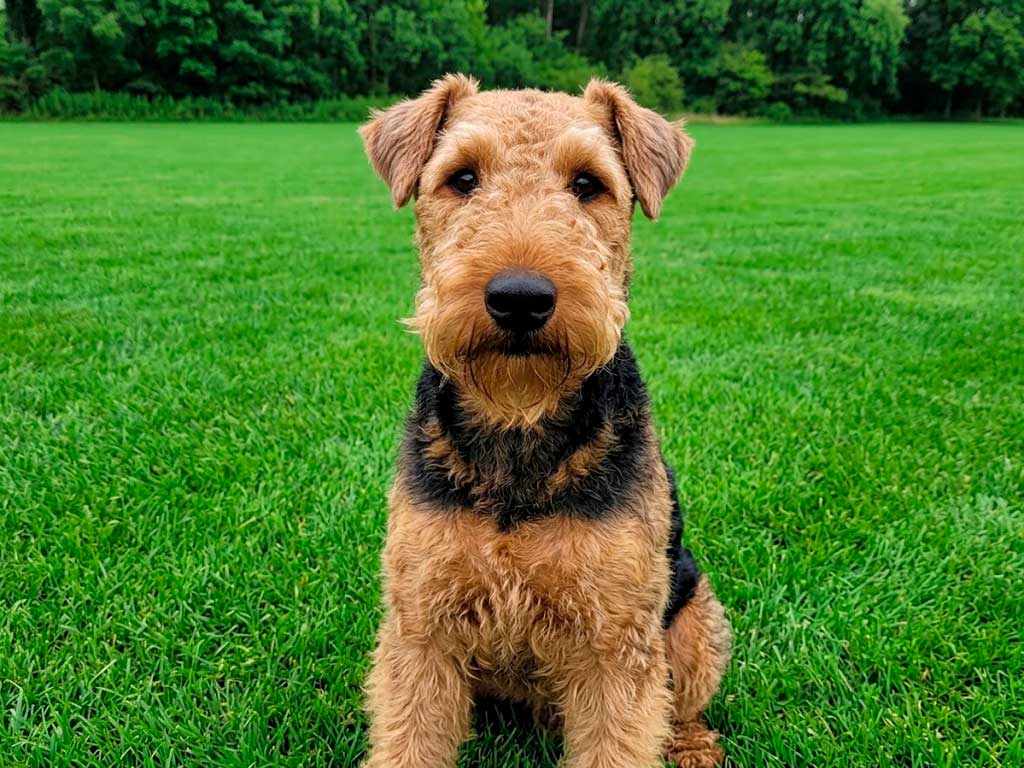
Their wiry black-and-tan coat gives them a distinctive look, while their compact size makes them adaptable to different homes. However, they need daily exercise, mental stimulation, and regular grooming to stay comfortable and well behaved.
Here’s what to know about the Welsh Terrier’s personality, size, health, nutrition, and everyday care before deciding whether this breed belongs in your home.
Welsh Terrier at a Glance
| Characteristic | Details |
|---|---|
| Origin | Wales, United Kingdom |
| Breed group | Terrier |
| Size | Small to medium-sized |
| Typical height | Around 15 inches at the shoulder |
| Typical weight | Around 20 pounds, with individual variation |
| Life expectancy | Approximately 12–15 years |
| Temperament | Confident, friendly, intelligent, and energetic |
| Energy level | High |
| Exercise needs | Daily walks, active play, and mental enrichment |
| Coat | Harsh, wiry outer coat with a softer undercoat |
| Coat colors | Usually black and tan, sometimes grizzle and tan |
| Grooming | Regular brushing and periodic professional grooming |
| Best suited for | Active owners who enjoy training and outdoor activities |
These figures are general guidelines. Your dog’s size, exercise needs, and lifespan will depend on its genetics, health, and lifestyle.
What Is a Welsh Terrier?
The Welsh Terrier is a sturdy, square-built terrier developed in Wales. Historically, these dogs helped hunters pursue quarry and control pests, so courage, alertness, and persistence became important parts of the breed.
Those working instincts remain noticeable today. A Welsh Terrier may investigate every interesting scent on a walk, dig in the garden, or chase a squirrel before you have time to react.
Despite their hunting background, Welsh Terriers can be affectionate family companions. They often enjoy being included in daily activities and respond well when their owners provide clear boundaries and worthwhile things to do.
The American Kennel Club recognized the breed in 1888. You can learn more about its history and characteristics in the AKC Welsh Terrier breed guide.
Welsh Terrier Temperament and Personality
Welsh Terriers are usually cheerful, confident, and outgoing. They enjoy interaction with their families and often approach new activities with enthusiasm.
Their intelligence makes training rewarding, although their independent streak can test an inexperienced owner. A Welsh Terrier may understand what you want and still decide that another activity looks more interesting.
This is where consistency matters. Reward desirable behavior, keep training sessions engaging, and establish household rules everyone follows.
Are Welsh Terriers Good Family Dogs?
Welsh Terriers can make good family dogs when they receive suitable exercise, socialization, and supervision. Their playful nature can make them enjoyable companions for families who like spending time outdoors.
Children should learn to handle dogs respectfully. Avoid pulling the dog’s beard or coat, disturbing it while resting, or taking food and toys away without guidance.
Always supervise interactions between young children and dogs. Even a friendly terrier needs a safe place to retreat when it wants a break.
A Welsh Terrier may be less suitable for a household that expects a quiet dog with minimal daily activity. These dogs generally need more engagement than a few short trips outside.
Do Welsh Terriers Bark a Lot?
Welsh Terriers can be vocal, particularly when they notice unfamiliar sounds, see animals outside, or become excited. Their alert nature can make them effective watchdogs, but excessive barking may become frustrating without training.
Start teaching calm responses early. When your dog notices a noise, reward it for turning its attention back to you or settling after the initial alert.
Avoid shouting over the barking. Your dog may interpret your raised voice as additional excitement rather than a request to stop.
Regular exercise and enrichment also help. A bored Welsh Terrier may invent its own entertainment, which can include barking at passing people or animals.
Can Welsh Terriers Live With Other Pets?
They can live successfully with other dogs and, in some homes, cats. However, their hunting background means they may chase smaller animals, including wildlife and unfamiliar pets.
Introduce animals gradually and supervise early interactions. Use barriers or a leash when needed, and reward calm behavior rather than forcing the animals to interact.
Never assume that living peacefully with one household cat means a Welsh Terrier will ignore every cat or small animal outdoors. A secure garden and reliable leash habits are important.
Welsh Terrier Size, Weight, and Appearance
Welsh Terriers have a compact, muscular build with a rectangular body, a distinctive terrier expression, and an alert posture. Their legs are relatively long for their size, supporting the active movement expected from a working terrier.
Adults typically stand around 15 inches at the shoulder and weigh approximately 20 pounds, although individual dogs vary.
The coat is usually black and tan, with the darker color covering much of the back and the tan appearing on the head, legs, and underbody. Some dogs have a grizzled or mixed dark appearance.
Other recognizable features include:
- Small, V-shaped ears that fold forward.
- Dark, expressive eyes.
- A strong muzzle with characteristic facial furnishings.
- A harsh, wiry outer coat.
- A sturdy frame built for active work.
Welsh Terriers are sometimes confused with Airedale Terriers because the breeds share similar coloring and coat texture. The Airedale is considerably larger, while the Welsh Terrier has a more compact build.
If you’re comparing terrier breeds, our English Toy Terrier breed guide covers another British terrier with a very different size and appearance.
How Much Exercise Does a Welsh Terrier Need?
Welsh Terriers are energetic dogs that need daily physical activity and mental stimulation. Many adults benefit from at least an hour of exercise each day, although some need more depending on their age, health, and individual energy level.
A useful routine might include:
- A brisk daily walk with time to sniff and explore.
- Fetch or other interactive games in a secure area.
- Short training sessions that reinforce everyday skills.
- Scent games or food puzzles.
- Supervised opportunities to explore safe outdoor spaces.
Exercise doesn’t need to mean running constantly. Sniffing, searching, and learning can also help satisfy the breed’s working instincts.
Puppies need age-appropriate activity with plenty of rest. Increase exercise gradually as they mature, and ask your veterinarian about suitable activity if your dog has a medical condition.
Can a Welsh Terrier Live in an Apartment?
Yes, apartment living can work if you provide enough exercise, training, and enrichment. A large garden is useful, but it doesn’t replace walks or interaction with the family.
Noise is worth considering. A Welsh Terrier that reacts to hallway sounds or sees animals through a window may need extra training to settle calmly.
If you live in an apartment, build a predictable routine around walks, play, and quiet time. Teach your dog what to do when it hears a noise instead of expecting it to ignore every distraction naturally.
Training a Welsh Terrier
Welsh Terriers are smart and often eager to please, but they also have the determination typical of terrier breeds. Training works best when you make the desired behavior rewarding and keep expectations consistent.
Use positive reinforcement, such as treats, toys, praise, and access to enjoyable activities. Keep sessions short enough that your dog remains interested.
Focus first on skills that make daily life safer and easier:
- Recall: Teach your dog to return when called, starting in a quiet, enclosed area.
- Leash manners: Reward walking near you without constant pulling.
- Leave it: Practice disengaging from food, objects, and distractions.
- Settle: Teach your dog to relax on a bed or mat.
- Handling: Make nail trims, brushing, and grooming appointments less stressful.
- Calm greetings: Reward four paws on the floor when visitors arrive.
Recall deserves special attention because Welsh Terriers may chase wildlife. Practice around gradually increasing distractions, but keep your dog on a leash or inside a secure enclosure when its prey drive could put it at risk.
Why Socialization Matters
Early, positive socialization helps a Welsh Terrier become more comfortable around unfamiliar people, dogs, sounds, and environments. Introduce new experiences gradually and allow your puppy to observe without being forced to approach.
Puppy classes can provide structured opportunities to learn basic skills and practice around other dogs. Choose a class that prioritizes safe interactions and reward-based training.
Socialization is an ongoing process, not a single event during puppyhood. Continue reinforcing calm, appropriate behavior as your dog grows.
Welsh Terrier Grooming: Coat, Bathing, and Nails
The Welsh Terrier’s wiry coat is attractive, but it needs regular maintenance. The harsh outer hair and softer undercoat can collect dirt and loose hair, while neglected areas may become tangled.
Brush your dog at least once or twice a week, checking the coat down to the skin. Pay attention to the beard, legs, chest, and areas where a harness or collar rubs.
Should a Welsh Terrier Be Hand-Stripped or Clipped?
Both methods are used, depending on the dog’s coat and whether the owner wants a traditional terrier appearance or an easier pet trim.
- Hand-stripping removes mature outer hairs to maintain the characteristic wiry texture. It takes practice and is often best handled by a groomer experienced with wire-coated terriers.
- Clipping shortens the coat with grooming clippers. It can be more convenient for household pets, although repeated clipping may soften the coat’s texture and alter its appearance.
Discuss the options with a professional groomer before deciding. Your dog’s comfort, coat condition, and lifestyle should guide the choice.
Many Welsh Terriers benefit from professional grooming every two to three months, although the exact schedule depends on the trim and how quickly the coat grows.
Bathing and Everyday Care
Bathe your Welsh Terrier when it becomes dirty or the coat needs cleaning. Use a dog-safe shampoo and rinse thoroughly to avoid leaving residue that may irritate the skin.
Check the following regularly:
- Nails: Trim them when they become too long. Long nails can affect comfort and movement.
- Ears: Check for redness, odor, discharge, or excessive scratching.
- Eyes: Look for persistent redness, cloudiness, or unusual discharge.
- Skin: Watch for itching, redness, scabs, or areas of hair loss.
- Teeth: Brush regularly with dog-safe toothpaste.
If grooming causes pain or your dog develops skin irritation, stop and seek veterinary or professional grooming advice as appropriate.
Welsh Terrier Health and Lifespan
Welsh Terriers commonly live around 12–15 years. Many remain active well into adulthood, but responsible breeding, preventive veterinary care, healthy weight, and regular activity all contribute to long-term wellbeing.
The breed can be affected by several health conditions, including:
- Legg-Calvé-Perthes disease: This condition affects the head of the femur, usually in young dogs, and can cause pain and limping in a hind leg.
- Hip dysplasia: An abnormal development of the hip joint can lead to discomfort, reduced mobility, and arthritis.
- Patellar luxation: The kneecap moves out of its normal position. Some dogs show intermittent skipping or limping, while more severe cases may need treatment.
- Primary lens luxation (PLL): An inherited eye condition in which the lens moves out of its normal position. It can cause pain and threaten vision, so prompt veterinary attention is important if eye symptoms appear.
- Allergies and skin problems: Some Welsh Terriers develop environmental or food-related allergies that cause itching, licking, redness, or recurring skin infections.
- Epilepsy: Seizures can have different causes. A dog experiencing a seizure needs veterinary assessment to determine the appropriate next steps.
This list doesn’t mean your dog will develop any of these conditions. It highlights why health history, screening, and regular veterinary examinations matter.
What Health Tests Should You Ask About?
If you’re buying a Welsh Terrier puppy, ask the breeder which health screenings have been performed on the parents and request documentation.
Depending on current breed-club recommendations, relevant checks may include DNA testing for primary lens luxation and assessments for hip or other inherited conditions.
A test result helps assess risk but cannot guarantee that a puppy will never develop a health problem. A responsible breeder should explain the results clearly and welcome questions about the health of their dogs.
Arrange a veterinary examination after bringing your puppy home. Contact your veterinarian promptly if you notice persistent limping, eye changes, unusual itching, or any other concerning symptoms.
Veterinary disclaimer: This guide provides general educational information and isn’t a substitute for individual veterinary advice. Your veterinarian can assess symptoms, recommend appropriate screening, and tailor preventive care to your dog’s needs.
Welsh Terrier Nutrition: What Should You Feed This Breed?
A balanced diet helps support your Welsh Terrier’s energy, muscle condition, skin, and coat. Choose a complete and balanced food suitable for your dog’s life stage, body condition, activity level, and health.
Puppies need a diet formulated for growth, while adults usually need food designed for maintenance. Older dogs may need adjustments depending on their activity, weight, and medical history.
How Much Should a Welsh Terrier Eat?
The right amount depends on your dog’s weight, age, activity, metabolism, and the calorie content of its food. Feeding instructions on the package provide a starting point, not a perfect amount for every dog.
Measure portions rather than estimating them by eye. Treats can help with training, but count them as part of your dog’s daily intake.
Welsh Terriers are active, but that doesn’t mean they can’t gain excess weight. Check body condition regularly and ask your veterinarian to help you identify an appropriate weight for your dog.
Is JustFoodForDogs a Good Option for Welsh Terriers?
JustFoodForDogs is an option worth considering if you prefer fresh-cooked dog food. Before choosing a recipe, check that the specific product is complete and balanced for your dog’s life stage and intended use.

FROM JUSTFOODFORDOGS
Just Fresh
Resealable meals. No preservatives. Open, serve, refrigerate.
Shop Just FreshHappy Pet Zone may earn a commission when you click through to JustFoodForDogs, at no extra cost to you.
Fresh food isn’t automatically more suitable for every dog. The important factors are nutritional adequacy, portion size, your dog’s health, and whether the diet fits your budget and routine.
When comparing JustFoodForDogs with other options, consider:
- Whether the recipe is appropriate for your dog’s age.
- Its nutritional adequacy statement and feeding instructions.
- Storage, preparation, and portioning requirements.
- The total daily cost.
- Your dog’s response to the diet, including stool quality and body condition.
For additional help choosing food, read our dog nutrition guide.
If your Welsh Terrier has persistent skin problems, digestive symptoms, or another medical condition, ask your veterinarian whether a specific diet is appropriate. Don’t add supplements or make a major dietary change without considering your dog’s individual needs.
Transition to a new food gradually unless your veterinarian recommends a different approach. Monitor appetite, digestion, weight, and skin condition during the change.
Welsh Terrier Puppies: Finding a Responsible Breeder
If you’re searching for Welsh Terrier puppies for sale, take time to evaluate the breeder rather than choosing based on appearance or price alone.
A responsible breeder should be able to explain the puppies’ upbringing, health screening, temperament, and early socialization. They should also ask questions about your home and help you decide whether the breed suits your lifestyle.
Before committing, ask about:
- Health tests performed on the parents.
- The temperament and health history of the dogs.
- Veterinary examinations and vaccination records.
- How the puppies are raised and introduced to everyday experiences.
- The puppy’s diet and current routine.
- Support available after the puppy goes home.
Be cautious if a seller pressures you to pay immediately, refuses to provide health information, or won’t explain where the puppies were raised.
Adoption is another option. Contact reputable rescue organizations and shelters to ask whether they have Welsh Terriers or terrier mixes available. An adult dog may be a good fit if you want a clearer idea of its size, energy, and established personality.
How Much Does a Welsh Terrier Cost?
The price varies by country, breeder, pedigree, health screening, and local availability. There isn’t one price that applies to every Welsh Terrier puppy.
Remember to budget for ongoing expenses, including food, grooming, training, preventive veterinary care, and unexpected medical costs. Professional coat maintenance can be a significant part of the budget for this breed.
Is a Welsh Terrier Right for You?
A Welsh Terrier may be a good choice if you enjoy an active dog with a confident personality and a playful approach to life. These dogs can be devoted companions for owners who are willing to provide daily activity, consistent training, and regular grooming.
The breed may be challenging if you want a dog that rarely barks, needs little exercise, or can be left alone for long periods without preparation. Its hunting instincts also require responsible management around wildlife and smaller pets.
Before choosing a Welsh Terrier, consider whether you can:
- Provide daily walks and engaging activities.
- Practice training consistently, including recall and calm behavior.
- Maintain the coat and budget for professional grooming.
- Supervise interactions with children and other pets.
- Cover routine veterinary care and unexpected expenses.
If those responsibilities fit your lifestyle, speak with a reputable breeder or rescue organization and spend time with the breed before making your decision.
Frequently Asked Questions
Give Your Welsh Terrier the Right Start
Welsh Terriers bring confidence, energy, and plenty of personality to the right home. They thrive when owners give them meaningful activity, patient training, thoughtful socialization, and consistent coat care.
Start by planning a daily exercise routine and learning the basics of terrier grooming. If you’re considering a puppy, ask about health screening and temperament before making a commitment. A little preparation now can help you build a safer, happier life together.