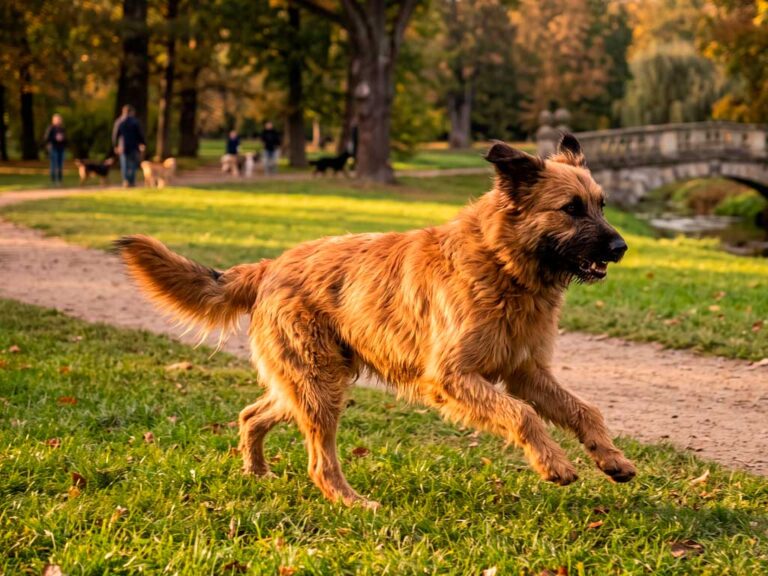
Norwich Terrier: A Big Dog in a Small Package
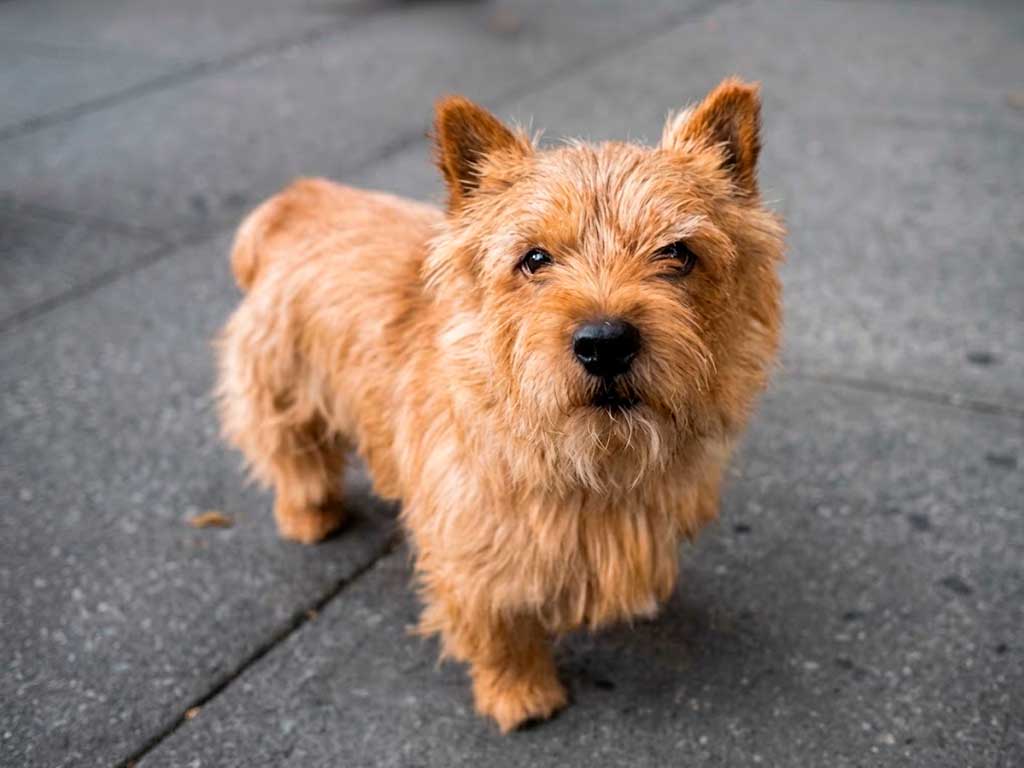
Thinking about bringing a Norwich Terrier into your home? This small, lively dog has a confident personality, a rough coat, and plenty of curiosity packed into a compact body.
Norwich Terriers were bred to hunt small vermin, and that working background still influences how they play, explore, and respond to the world around them.
A Norwich Terrier can be a wonderful companion for someone who enjoys walks, interactive games, and positive training.
However, this breed needs more than a small bed and a short stroll. Its energy, prey drive, and grooming requirements deserve careful consideration before you bring one home.
Norwich Terrier at a Glance
- Breed group: Terrier
- Origin: Norwich, Norfolk, England
- Size: Small
- Height: Approximately 10 inches (25 cm) at the shoulder
- Weight: Around 12 pounds (5–5.5 kg)
- Life expectancy: Commonly around 12–15 years
- Temperament: Alert, affectionate, confident, and energetic
- Coat: Hard, wiry outer coat with a soft undercoat
- Common coat colors: Red, wheaten, black and tan, and grizzle
- Exercise needs: Daily walks and active play
- Grooming needs: Regular brushing and periodic hand-stripping
- Best suited to: Homes that can provide companionship, exercise, training, and consistent coat care
Individual dogs can differ in size, personality, and health. These figures describe typical breed characteristics rather than guarantees for every Norwich Terrier.
What Is a Norwich Terrier?
The Norwich Terrier is one of the smallest working terriers. Despite its compact frame, it was developed to be a determined, practical hunting dog capable of pursuing small vermin.
The breed originated in eastern England, where small terriers helped control rats and other pests around farms, stables, and homes. Its sturdy body, weather-resistant coat, and energetic nature reflect that background.
Norwich Terriers became popular among students at the University of Cambridge during the late 19th century. Over time, the breed developed a distinct identity, and its erect ears became one of its most recognizable features.
The Norwich Terrier is often confused with the closely related Norfolk Terrier. The two share a similar history and many physical characteristics, but their ears make the easiest distinction: Norwich Terriers have erect, pointed ears, while Norfolk Terriers have folded ears.
Although the Norwich is small enough to suit many homes, it retains the instincts of a working terrier. Expect a dog that likes investigating interesting smells, chasing moving objects, and finding activities that keep its mind busy.
Norwich Terrier Temperament and Personality
Norwich Terriers are generally lively, friendly, and confident. They tend to enjoy being involved in family life and often approach everyday activities with enthusiasm.
Their affectionate side makes them appealing companions, but they are not always content to sit quietly for long periods. A Norwich Terrier usually benefits from a routine that includes exercise, play, training, and time with its people.
Are Norwich Terriers Good Family Dogs?
A Norwich Terrier can fit well into a household that understands small-dog handling and provides consistent supervision. Many enjoy playing with older children who know how to interact respectfully with dogs.
Their small size makes them vulnerable to accidental injuries from rough handling, falls, or overly enthusiastic play. Teach children to give the dog space while eating or resting, and always supervise interactions with younger children.
A calm, respectful introduction can help a Norwich Terrier settle into family life. However, every dog has an individual temperament, so compatibility depends on the dog’s experiences, socialization, and the household’s behavior.
Do Norwich Terriers Get Along With Other Pets?
Some Norwich Terriers live comfortably with other dogs, particularly when introductions are managed carefully. Early socialization and positive experiences can help them develop appropriate social skills.
Small animals require more caution. The breed’s history as a vermin hunter means that chasing instincts may be triggered by rabbits, rodents, and other small pets. A Norwich Terrier should never be left unsupervised with an animal it might chase or injure.
Cats may be able to share a home with a Norwich Terrier, especially when both animals are introduced gradually. Still, a dog’s individual prey drive matters more than a general breed description. Use barriers, supervision, and safe spaces rather than assuming they will become companions.
Do Norwich Terriers Bark a Lot?
Norwich Terriers are alert dogs and may bark when they notice unfamiliar sounds, visitors, or activity outside. Some are more vocal than others.
You can encourage quieter behavior by teaching a reliable response to a cue, rewarding calm moments, and avoiding situations that repeatedly trigger unnecessary barking. If your dog barks at every movement through the window, reducing visual access may also help.
The goal is to teach your dog when barking is useful and when it is time to settle.
Norwich Terrier Size, Appearance, and Coat Colors
The Norwich Terrier has a compact, sturdy body with short legs, a broad head, and an alert expression. Its small size can make it look delicate, but the breed was developed for practical work rather than a fragile toy-dog appearance.
Adults typically stand about 10 inches tall at the shoulder and weigh approximately 12 pounds. Healthy weight depends on body structure, age, activity, and individual condition, so use your veterinarian’s guidance rather than relying on a number alone.
The coat is hard and wiry, with a softer undercoat underneath. Hair around the neck can be longer, forming a slight ruff, while the hair on the head and ears is shorter.
Recognized coat colors include:
- Red: Different shades of red or reddish brown.
- Wheaten: A warm, pale golden or wheat-like shade.
- Black and tan: A combination of dark and tan markings.
- Grizzle: A mixture of dark and lighter hairs that creates a blended appearance.
White markings may occur, but they are not a defining color of the breed.
Searches for a white Norwich Terrier, black Norwich Terrier, or miniature Norwich Terrier can lead to confusion. Norwich Terriers are not a separate miniature variety, and unusual coat colors or exceptionally tiny size should not be treated as proof of a special type. If a seller advertises a rare color or a “teacup” Norwich Terrier, ask careful questions about the dog’s health, pedigree, and breeding practices.
How Much Exercise Does a Norwich Terrier Need?
Norwich Terriers are active dogs that benefit from daily movement and mental stimulation. Around an hour of activity spread throughout the day is a useful starting point for many healthy adults, although the right amount varies with age, health, and fitness.
A practical routine can include:
- A morning walk that allows time to sniff and explore.
- Short play sessions with a ball or suitable toy.
- Reward-based training to practice basic cues.
- Indoor games that encourage searching and problem-solving.
- A second walk or an outdoor activity suited to the dog’s condition.
Sniffing is particularly useful because it gives your dog an opportunity to investigate its surroundings. Short scent games around the home can also provide mental exercise when the weather makes a longer walk less appealing.
Do Norwich Terriers Like Digging?
Many Norwich Terriers enjoy digging because it connects with their terrier instincts. If you have a garden, consider providing a designated digging area where the behavior is allowed.
Reward your dog for using that spot and redirect it calmly when it starts digging somewhere unsuitable. Secure garden boundaries, since a determined little terrier may investigate gaps or follow an interesting scent.
Keep outdoor activities supervised, especially around roads, wildlife, and unfamiliar dogs. A secure harness and leash are sensible choices in areas where your Norwich Terrier might chase a squirrel or another moving animal.
Training a Norwich Terrier
Norwich Terriers are intelligent and curious, but their independent streak can make training inconsistent if lessons become repetitive or overly demanding.
Use short sessions, clear cues, and rewards your dog finds motivating. End each session while your dog is still engaged rather than waiting for frustration to set in.
Prioritize these skills:
- Recall: Practice coming when called in secure areas before adding distractions.
- Loose-leash walking: Reward your dog for staying near you instead of pulling toward every interesting smell.
- Settle training: Teach your dog to relax on a mat or bed after play.
- Handling: Introduce gentle paw, ear, and coat checks to make grooming easier.
- Impulse control: Reward waiting calmly before doors open or meals are served.
Start socialization early and continue throughout your dog’s life. Introduce new people, environments, sounds, and friendly dogs at a pace that allows your puppy to feel safe.
Because Norwich Terriers can be persistent when they find something interesting, consistency matters. Keep training sessions positive and avoid relying on punishment, which can create confusion or fear without teaching the behavior you want.
Norwich Terrier Grooming and Coat Care
The Norwich Terrier’s wiry double coat needs regular attention to stay in good condition. Brush it at least once or twice a week, checking areas where debris can collect and gently working through tangles.
The breed’s traditional coat is often maintained through hand-stripping, a technique that removes mature outer hairs to preserve the coat’s texture and appearance. Clipping may soften the texture and alter the coat’s color over time.
If you are unfamiliar with hand-stripping, ask an experienced terrier groomer or knowledgeable breeder to explain the process. Do not pull hair forcefully or continue if your dog appears uncomfortable.
A regular grooming routine should also include:
- Checking the ears for dirt, redness, or unusual odor.
- Trimming nails before they become too long.
- Brushing teeth with dog-safe toothpaste.
- Checking the skin for irritation, parasites, or unusual lumps.
- Inspecting the coat after walks, particularly if your dog has explored brush or long grass.
Make grooming sessions brief and rewarding. A few calm minutes at a time can help your Norwich Terrier become more comfortable with handling.
Norwich Terrier Health and Lifespan
Norwich Terriers are generally sturdy dogs, and many live well into their teens. Breed, genetics, diet, activity, dental care, and routine veterinary attention all influence an individual dog’s health.
No breed is free from inherited or age-related conditions. Responsible breeders should be willing to discuss health history and relevant screening rather than promising that their puppies will never develop medical problems.
Health considerations worth discussing with a veterinarian and breeder include:
- Patellar luxation: A condition in which the kneecap moves out of its normal position.
- Hip problems: Hip evaluation may be relevant when assessing breeding dogs.
- Eye conditions: Appropriate eye examinations can help identify some inherited or developing problems.
- Dental disease: Small dogs can develop dental buildup and gum problems, making regular toothbrushing especially useful.
- Weight management: Excess weight can place additional strain on joints and affect general health.
The American Kennel Club lists patella, hip, and ophthalmologist evaluations among the health tests recommended by the breed’s national club. Ask a breeder which examinations have been completed and request documentation when available.
Arrange regular veterinary checkups and seek advice if you notice persistent limping, changes in vision, difficulty eating, unusual fatigue, or other changes in behavior. A breed guide cannot determine whether an individual dog has a medical condition.
Diet and Nutrition for a Norwich Terrier
Norwich Terriers need a complete and balanced diet that supports their age, activity level, and body condition. Their small size makes portion control important, especially when treats are part of training.
Choose a food formulated for the appropriate life stage, whether your dog is a growing puppy, an adult, or a senior. Follow the feeding guidance on the product as a starting point, then adjust portions with your veterinarian according to your dog’s weight and condition.
Divide the daily ration into regular meals that suit your dog’s routine. Measure food rather than estimating portions, and account for training treats so they do not quietly add too many calories.
Is Fresh Food a Good Option for a Norwich Terrier?
If you are considering fresh food, JustFoodForDogs is one option to explore. Review the specific recipe’s nutritional information and confirm that it is complete and balanced for your dog’s life stage before making a change.

FROM JUSTFOODFORDOGS
Just Fresh
Resealable meals. No preservatives. Open, serve, refrigerate.
Shop Just FreshHappy Pet Zone may earn a commission when you click through to JustFoodForDogs, at no extra cost to you.
A fresh-food diet still needs appropriate portions and nutritional balance. Follow the transition instructions for the food you choose, and speak with your veterinarian before changing diets if your Norwich Terrier has a medical condition, food intolerance, or special nutritional needs.
Avoid assuming that a food is suitable simply because it is marketed as natural or fresh. The full formulation matters more than the label.
For more feeding basics, see our dog nutrition guide. Your veterinarian can help you choose a diet and portion size that fit your individual dog.
How Much Does a Norwich Terrier Cost?
The price of a Norwich Terrier varies by location, breeder, pedigree, demand, and the health care provided before a puppy goes home. There is no single price that applies to every puppy, so treat online estimates as a starting point rather than a guaranteed cost.
When comparing Norwich Terrier puppies for sale, look beyond the initial purchase price. Responsible breeders should answer questions about health screening, socialization, the puppy’s parents, and the care provided to the litter.
Before committing, ask for:
- Veterinary records and vaccination information appropriate to the puppy’s age.
- Documentation of relevant parental health tests.
- Details about the puppy’s early socialization.
- A chance to meet the puppy and, where possible, its mother.
- A written agreement explaining the breeder’s responsibilities and return policy.
Be cautious if a seller pressures you to pay quickly, refuses to provide records, or offers unusually small puppies as “teacup” Norwich Terriers. Avoid sending money before verifying the seller and the puppy’s circumstances.
Should You Adopt a Norwich Terrier?
Adoption can be another route to finding a Norwich Terrier or a Norwich Terrier mix. Breed-specific rescue groups, local shelters, and reputable adoption organizations may occasionally have dogs that need new homes.
Ask about the dog’s history, health, behavior, and compatibility with children or other pets. An adult dog may already have established habits, so an honest discussion about its needs helps you decide whether your household is a good match.
Whether you adopt or buy, choose a dog based on health, temperament, and compatibility rather than appearance alone.
Is a Norwich Terrier Right for You?
A Norwich Terrier may suit you if you want a small companion with a lively personality and can make time for daily exercise, training, and grooming.
This breed can adapt to many living arrangements, including apartment life, provided its physical and mental needs are met. A large garden is not essential, but safe outdoor access and regular activities are important.
Think carefully before choosing a Norwich Terrier if you want a dog that rarely barks, needs little grooming, or can safely be left with small animals without supervision. Its terrier instincts remain part of its character, even in a well-trained family companion.
Before bringing one home, make sure you can provide:
- Daily walks and opportunities to explore.
- Positive training and early socialization.
- Regular coat care and dental hygiene.
- Veterinary checkups and a balanced diet.
- Companionship and activities that prevent boredom.
If these responsibilities fit your lifestyle, a Norwich Terrier can be an engaging companion for many years. Learn about the breed, meet individual dogs when possible, and choose a responsible source before making your decision.