Miniature Long-Haired Dachshund: The Friendly One
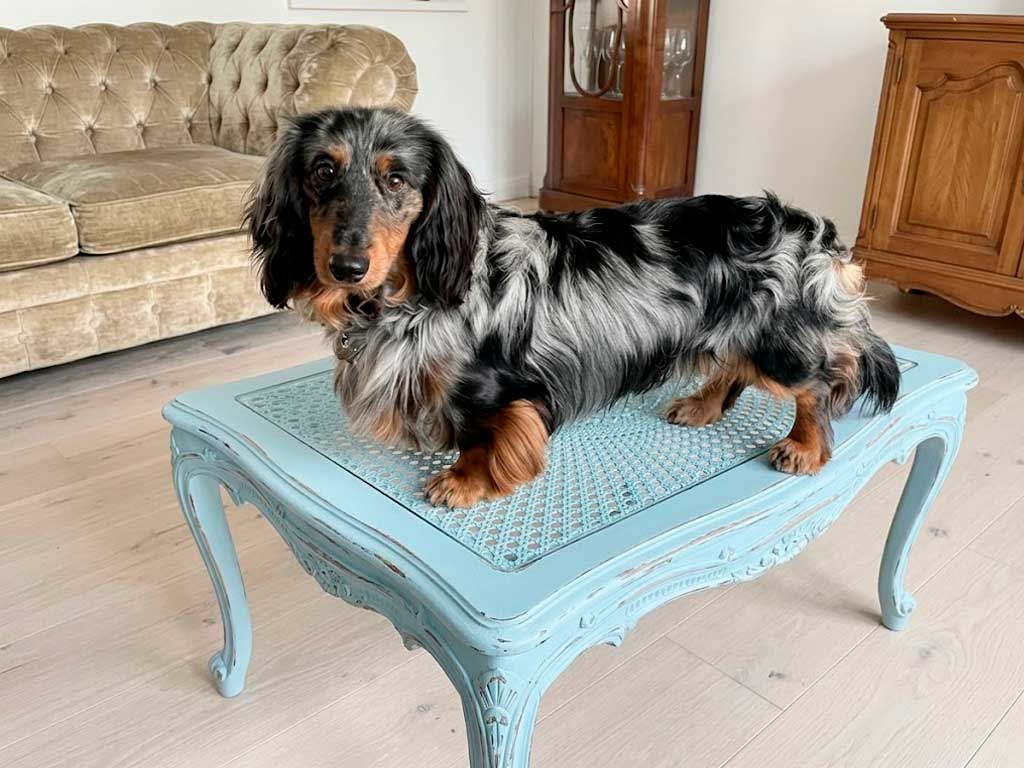
Looking for a small dog with flowing ears, a silky coat, and the confidence of a much bigger companion? The Miniature Long Haired Dachshund has plenty of character packed into its long, low-slung body. Affectionate and curious, this little hound can make a devoted family companion, but its back, coat, and hunting instincts need thoughtful care.
The Miniature Long Haired Dachshund is a smaller variety of the Dachshund, a German breed originally developed to hunt animals such as badgers and rabbits. Its long coat gives it a softer outline than the smooth-haired variety, with feathering around the ears, chest, legs, and tail.
Living with one means enjoying a playful dog that likes company and exploring its surroundings. It also means protecting its long spine, keeping its coat free of tangles, and remembering that a small dog still needs daily exercise and training.
Miniature Long Haired Dachshund at a Glance
- Breed: Miniature Dachshund, long-haired variety
- Origin: Germany
- Breed group: Hound
- Size: Small
- Ideal weight: Around 10 pounds (4.5 kg), depending on the breed standard used
- Life expectancy: Often around 12–16 years
- Temperament: Affectionate, lively, curious, and courageous
- Coat: Soft, sleek, and sometimes slightly wavy, with feathering
- Common colors and patterns: Red, cream, black and tan, chocolate and tan, and dapple patterns, depending on the applicable breed standard
- Exercise needs: Daily walks, play, and mental stimulation
- Grooming needs: Regular brushing and combing
- Main care consideration: Protecting the back and maintaining a healthy weight
Measurements and accepted colors can differ slightly between kennel club standards. Always check the requirements used in your country if you plan to register or show your dog.
What Is a Miniature Long Haired Dachshund?
The Miniature Long Haired Dachshund combines the characteristic Dachshund shape with a flowing coat. Its body is elongated, its legs are short, and its chest and forequarters are strong. These features developed for a purpose: helping the original hunting dog track and pursue quarry close to the ground.
The long-haired variety has soft hair that may be slightly wavy. The coat tends to be longer under the neck, along the underside of the body, on the ears, behind the legs, and beneath the tail.
Although many people choose this variety for its elegant appearance, its coat does not change the underlying Dachshund personality. These dogs can be persistent, alert, and intensely interested in scents. A squirrel or an unfamiliar smell may be far more exciting than the person holding the leash.
Miniature Dachshunds are often described as companion dogs, and many enjoy spending time curled up with their families. Still, their hunting background remains part of their behavior. Give them opportunities to sniff, explore safely, and use their minds instead of expecting them to be content with cuddles alone.
Miniature Long Haired Dachshund Size and Appearance
A Miniature Long Haired Dachshund is small, but it should not look fragile or weak. The breed is compact and muscular, with a confident head carriage and a body that is long in proportion to its height.
In the UK, miniature Dachshunds are generally expected to weigh under 5 kg. The Canadian Kennel Club lists an ideal weight of approximately 4.5 kg (10 pounds). These standards are not identical, so avoid treating one number as a universal rule for every country.
Healthy body condition matters more than trying to make a dog as small as possible. A puppy advertised as an exceptionally tiny or “teacup” Dachshund is not automatically a better example of the breed.
Coat Texture and Feathering
The long-haired coat is one of this variety’s defining features. The hair should lie relatively flat and may have a slight wave, with longer feathering on the ears, chest, underside, legs, and tail.
That feathering can collect dirt, burrs, and small tangles after walks. Check these areas when your dog comes indoors, especially after exploring long grass or wooded paths.
Miniature Long Haired Dachshund Colors
Coat colors vary, and the accepted options depend on the kennel club standard. Common colors and patterns include:
- Red: Ranges from lighter reddish shades to deeper red.
- Cream: A pale, warm shade that may develop differently as the puppy matures.
- Black and tan: A dark coat with tan markings in specific areas.
- Chocolate and tan: A brown coat with lighter markings.
- Dapple: A mottled pattern with lighter areas against a darker base.
Some breeders use terms such as English cream, shaded cream, silver dapple, or long-haired dapple to describe particular appearances. Ask for clear information about the dog’s pedigree and registered color rather than relying on marketing labels alone.
Dapple breeding requires particular care. Mating two dapple Dachshunds can increase the risk of puppies with serious hearing and vision problems. Choose a responsible breeder who understands the genetics involved and prioritizes health over unusual coat patterns.
Personality: What Living With One Is Really Like
Miniature Long Haired Dachshunds are often affectionate, playful, and strongly attached to their families. Many enjoy following their people from room to room, investigating household activities, and settling down nearby when the day becomes quieter.
They can also be surprisingly determined. Dachshunds were bred to work independently while following scent trails, so they may not respond instantly when something more interesting catches their attention.
That independence is manageable with patient training and a consistent routine. Reward the behavior you want, keep lessons short, and make sure your dog has appropriate outlets for its curiosity.
Are Miniature Long Haired Dachshunds Good Family Dogs?
They can be wonderful companions for families who understand their size and physical needs. Their playful nature often suits households that enjoy games, walks, and spending time together.
However, their long backs make careful handling especially important. Children should not pick them up without help, allow them to jump from furniture, or play games that involve rough pulling or twisting.
Teach children to let the dog rest undisturbed and to handle it gently. Supervise interactions with younger children, even when the dog seems patient and friendly.
Do They Get Along With Other Dogs and Cats?
Many Miniature Long Haired Dachshunds live happily with other dogs. Early socialization and careful introductions help, but individual temperament and past experiences still matter.
Cats can sometimes share a home with a Dachshund, particularly when both animals are introduced gradually. The dog’s prey drive may influence how it responds to smaller animals, so use barriers and supervision until you understand their behavior together.
Rabbits, guinea pigs, hamsters, and other small pets need particular protection. A Dachshund may chase or grab a small animal even if it has been raised around family pets. Never rely on size or friendliness alone to guarantee safety.
Are Miniature Long Haired Dachshunds Noisy?
Dachshunds can be vocal. They may bark when someone approaches the home, when they hear unfamiliar sounds, or when they become excited by something outside.
If barking becomes a problem, look for the trigger rather than simply telling your dog to stop. Reward quiet behavior, reduce repeated exposure to exciting sights where possible, and provide activities that help prevent boredom.
A consistent routine can make a difference. Dogs that receive appropriate exercise, training, and companionship often have fewer reasons to seek attention through persistent barking.
Exercise Needs: Small Legs, Curious Nose
Miniature Long Haired Dachshunds need daily exercise, but their activity should suit their build. Several moderate walks and short play sessions can work well for many healthy adults.
The goal is to keep your dog active without repeatedly placing unnecessary strain on its back. Avoid turning exercise into a competition over distance, speed, or jumping ability.
Useful activities include:
- Leash walks: Allow time to sniff and investigate safe surroundings.
- Scent games: Hide treats around a room and encourage your dog to find them.
- Gentle play: Choose toys and games that do not encourage repeated twisting or high jumps.
- Short training sessions: Practice recall, calm greetings, and basic cues.
- Food puzzles: Use part of the daily food allowance for supervised enrichment.
Dachshunds often enjoy digging and following trails. If your dog has access to a garden, supervise outdoor time and secure the boundaries. A strong scent can encourage a determined dog to explore beyond a fence.
Puppies need frequent rest and age-appropriate activity. If you are unsure how much exercise is suitable during growth or recovery from an injury, ask your veterinarian for guidance.
Grooming a Long Haired Mini Dachshund
That flowing coat needs regular maintenance to prevent tangles and keep the skin comfortable. Brush your Miniature Long Haired Dachshund several times a week, with extra attention to the ears, chest, underside, legs, and tail.
A suitable pin brush or comb can help work through feathering. Start at the ends of longer hair and work carefully toward the roots, avoiding forceful pulling on knots.
If mats form close to the skin, ask a groomer for help rather than tugging at them. Tight mats can cause discomfort and make grooming stressful.
How Often Should a Long Haired Dachshund Be Bathed?
Bathing is needed when the coat becomes dirty or develops an odor, rather than on a rigid weekly schedule. Use a dog-safe shampoo and rinse thoroughly to avoid leaving residue in the coat.
Dry the coat carefully, particularly around the ears and underside. Check for tangles after bathing because damp hair can conceal knots that become harder to remove later.
Routine care should also include nail trimming, ear checks, and regular toothbrushing with dog-safe toothpaste. Small dogs can develop dental problems, so do not overlook their teeth simply because they eat well.
Do Miniature Long Haired Dachshunds Shed?
Yes, they shed. Loose hair may be more noticeable during certain periods, and regular brushing helps remove it before it spreads around the home.
The long coat does not make this variety hypoallergenic. No dog breed is completely free from allergens, so people with allergies should spend time around Dachshunds before deciding to bring one home.
Dachshund Health: Why Back Care Matters
The Dachshund’s long back is a defining feature, but it also makes spinal health an important part of responsible ownership. Intervertebral disc disease (IVDD) is a serious concern in Dachshunds. It occurs when discs between the vertebrae degenerate or become damaged, potentially affecting the spinal cord.
Signs can include back or neck pain, reluctance to move, a hunched posture, weakness, wobbling, or difficulty walking. Sudden inability to walk, dragging the legs, or severe pain requires urgent veterinary attention.
Do not attempt to diagnose a spinal problem at home. If you suspect back pain, limit movement and contact a veterinarian promptly for instructions.
Practical Ways to Protect Your Dachshund’s Back
You cannot eliminate every risk, but sensible habits can help protect your dog:
- Keep your Dachshund at a healthy weight.
- Avoid encouraging repeated jumps from sofas, beds, or vehicles.
- Use steps or a suitable ramp where appropriate, and teach your dog to use them safely.
- Support the chest and hindquarters when lifting.
- Discourage rough play that involves twisting or sudden impacts.
- Ask your veterinarian which exercise routine suits your dog’s age and health.
Ramps and steps are not a substitute for supervision. A dog that has not learned to use them safely may still jump, so manage access to furniture when needed.
Other Health Considerations
Responsible owners should also ask about dental health, eye health, and the medical history of the dog’s parents. Breed-specific screening guidance can vary by country and may change over time.
Before buying a puppy, ask the breeder which health tests are recommended for miniature long-haired Dachshunds and request available documentation. Avoid breeders who dismiss health questions or guarantee that a puppy will never develop a medical condition.
Arrange routine veterinary checkups and seek advice if you notice changes in movement, appetite, behavior, vision, or energy. Early assessment is safer than assuming a change is simply part of aging.
Feeding a Miniature Long Haired Dachshund
A Miniature Long Haired Dachshund needs complete and balanced food suited to its life stage and activity level. Because this breed is small and its back benefits from avoiding excess weight, measured portions are especially important.
Choose a suitable puppy, adult, or senior formula and use the feeding instructions as a starting point. Adjust the amount with your veterinarian’s help according to your dog’s body condition and health.
Divide the daily food allowance into regular meals. Treats can add calories quickly, so include training rewards in the overall ration rather than feeding them on top of unlimited meals.
Is JustFoodForDogs Worth Considering?
If you are exploring fresh food, JustFoodForDogs is one option to research. Review the specific recipe’s nutritional information and confirm that it is complete and balanced for your dog’s life stage.

FROM JUSTFOODFORDOGS
Just Fresh
Resealable meals. No preservatives. Open, serve, refrigerate.
Shop Just FreshHappy Pet Zone may earn a commission when you click through to JustFoodForDogs, at no extra cost to you.
Fresh food is not automatically the best choice for every Dachshund. Consider nutritional adequacy, portion size, storage, cost, and your dog’s individual needs before switching.
Introduce a new diet gradually according to the product’s instructions, and monitor your dog’s appetite, stool, and weight. If your Dachshund has a medical condition or needs a therapeutic diet, consult your veterinarian before changing its food.
For more feeding guidance, read our complete dog nutrition guide. It can help you make informed choices about portions, food types, and your dog’s daily routine.
Finding Miniature Long Haired Dachshund Puppies for Sale
Searching for Miniature Long Haired Dachshund puppies for sale can bring up many breeders, advertisements, and color-specific listings. Take time to assess the seller before paying a deposit, particularly when a puppy is advertised as rare or unusually small.
A responsible breeder should be willing to discuss the parents’ health, temperament, pedigree, and early care. Ask about the puppies’ environment, socialization, veterinary records, and the support available after they go home.
Before making a decision, look for:
- Health records and age-appropriate veterinary care.
- Information about the parents and their health screening.
- A clear explanation of the puppy’s size variety and coat type.
- A written contract and a reasonable return policy.
- An opportunity to ask questions without pressure.
- Advice about feeding, grooming, training, and back protection.
Be cautious if a seller refuses to provide records, pressures you to pay immediately, or offers to ship a puppy without discussing your home and experience. A low price or unusual color is not evidence of responsible breeding.
How Much Does a Miniature Long Haired Dachshund Cost?
The price varies by country, breeder, pedigree, availability, and the care provided before a puppy goes home. There is no single price that applies to every location or litter.
Remember to budget for more than the purchase price. Food, grooming supplies, veterinary visits, preventive care, training, and unexpected medical expenses are part of long-term ownership.
Because Dachshunds can develop spinal problems that require veterinary treatment, consider how you would manage an unexpected medical bill before bringing one home. Pet insurance may be worth researching, but read the policy carefully for exclusions, waiting periods, and pre-existing conditions.
Should You Consider Adoption?
Adoption may be an option if you are open to an adult Dachshund or a long-haired Dachshund mix. Check reputable rescue organizations, local shelters, and breed-specific groups.
Ask about the dog’s medical history, movement, temperament, and previous home. An adult Dachshund may already have established habits, and information about its back health can be particularly useful.
Whether you adopt or buy, prioritize health, temperament, and compatibility with your household rather than choosing solely by coat color or size.
Is a Miniature Long Haired Dachshund Right for You?
This variety may suit someone who wants a small, affectionate dog with a curious mind and a distinctive coat. It can adapt to apartment living when its exercise, training, and companionship needs are met.
The main responsibilities are easy to underestimate. Regular grooming takes time, and the long back calls for sensible handling and weight management. Its hunting instincts also mean that recall and supervision outdoors deserve consistent attention.
Before bringing one home, consider whether you can provide:
- Daily walks and safe opportunities to sniff and explore.
- Regular coat care and dental hygiene.
- Training, companionship, and mental stimulation.
- A healthy diet with measured portions.
- Preventive veterinary care and a plan for unexpected expenses.
- A home routine that reduces unnecessary jumping and rough play.
If those needs fit your lifestyle, a Miniature Long Haired Dachshund can be a delightful companion. Start by researching responsible breeders or rescue organizations, ask specific questions about health, and prepare your home before your dog arrives.