Shetland Sheepdog Breed: The Complete Guide for Devoted Owners
Thinking about welcoming a Shetland Sheepdog into your home? You’re looking at one of the most elegant, intelligent, and hardworking small herding breeds around.
This guide covers origin, temperament, exercise needs, and health so you know exactly what to expect.
Drawing on official breed standards and hands-on pet care expertise, we’ll walk through every essential detail. Let’s start with where this charming little herder comes from.
History and Origin
The Shetland Sheepdog takes its name from the Shetland Islands, located off Scotland’s northeast coast, where the breed developed under genuinely demanding herding conditions.
Early breeders believed several dog types contributed to the mix, including a spitz-type dog and a Scottish herding dog.
A local resident named James Loggie later added a small, long-haired collie into the bloodline, helping shape the Sheltie we recognize today. Loggie went on to become the first secretary of the Shetland Sheepdog Club in 1908.
Physical Characteristics
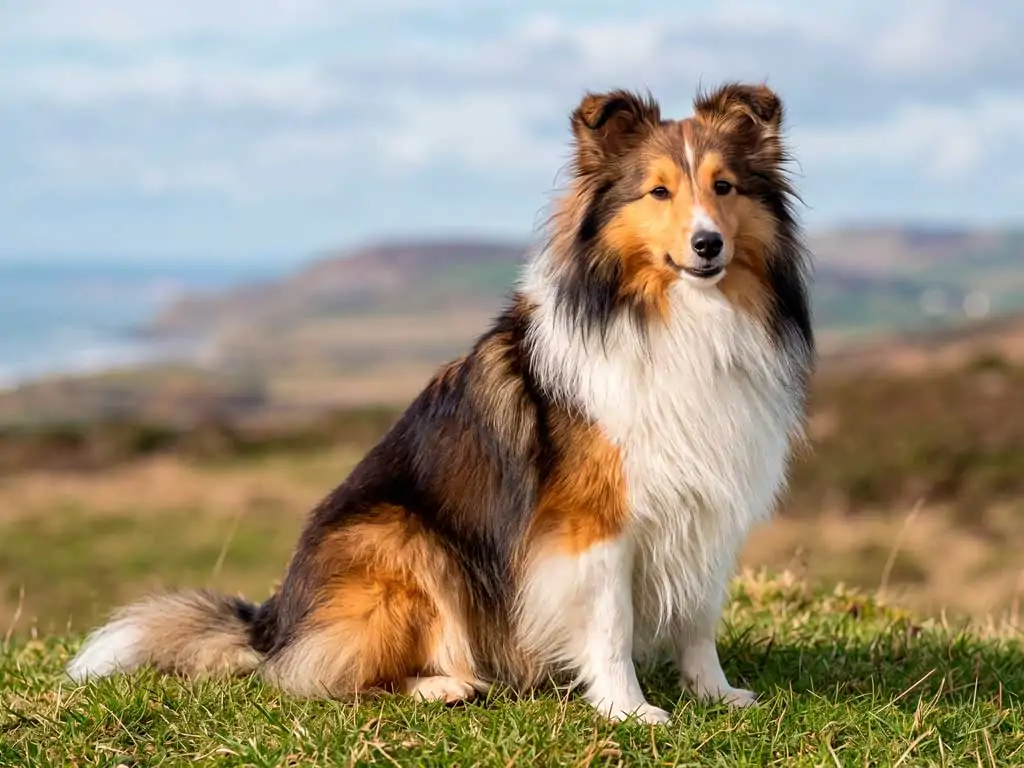
The Sheltie is a small to medium-sized dog with an elegant, delicate build and a genuinely spectacular long coat. A thick ruff surrounds the neck and chest, while feathery fringes decorate the legs and tail.
Coat colors and patterns vary widely, so checking the breed standard gives the fullest picture. Adult males stand around 14.5 inches tall, while females measure roughly 14 inches.
Weight typically falls between 13 and 26 pounds for a healthy adult, making this a genuinely compact breed despite its full, flowing coat.
Temperament and Personality
The Sheltie might look sophisticated and delicate, but underneath sits a strong, hardworking breed bursting with energy. This dog stays deeply devoted to its owner, though it can seem somewhat aloof around strangers.
Always alert, a Sheltie feels compelled to announce anything unusual it notices. That trait can create challenges for owners with close neighbors or anyone who struggles managing excessive barking.
Care Guide
Diet and Nutrition
Small dogs like the Sheltie run a fast metabolism, burning energy at a notably high rate. Combined with a small stomach, this means frequent, smaller meals work better than large infrequent ones.
Small-breed formulas address this directly, offering properly balanced nutrients alongside smaller kibble sized for smaller mouths. This design also encourages better chewing and supports healthy digestion.
Exercise Requirements
A Sheltie needs a minimum of one hour of daily exercise, though its high energy level means it can happily handle much more. Beyond regular walks with its owner, this breed genuinely loves training.
Consequently, the Sheltie excels across dog sports, including agility trials, obedience competitions, and flyball. Structured activities channel its sharp mind and athletic body productively.
Grooming Needs
This breed’s coat requires considerable upkeep, featuring a long, smooth outer layer over a short, dense, fluffy undercoat. Daily brushing keeps grooming manageable and prevents the coat from becoming overwhelming.
Catching knots and tangles early, before they tighten into mats, saves significant time and discomfort down the line. Consistency really is the key here.
Training and Education
The Sheltie’s intelligence makes training genuinely rewarding, and this breed thrives on mental engagement. Positive reinforcement methods bring out the best results, since Shelties respond eagerly to praise and structured challenges.
Early socialization matters just as much as obedience work. Because this breed can grow reserved around strangers, structured exposure to new people and situations during puppyhood helps prevent excessive wariness later.
Owners should also expect a vocal, watchful dog. Teaching a reliable “quiet” cue early makes daily life considerably smoother, especially in close-quarters neighborhoods.
Health and Longevity
The Shetland Sheepdog typically lives between 12 and 13 years. Like many herding breeds, however, it can develop hereditary eye disorders and hip dysplasia.
Responsible breeders screen for both hip and eye issues before breeding. If you’re buying from a breeder, ask directly about these health clearances.
This article is for general educational purposes only and doesn’t replace professional veterinary advice. Always consult your veterinarian about your dog’s specific health needs.
Is This the Right Dog for You?
The Shetland Sheepdog suits owners with some prior dog experience who can commit to daily grooming and genuine exercise. Active households interested in dog sports will likely find this breed deeply rewarding.
On the other hand, anyone bothered by frequent barking or unable to manage a vocal, alert dog should think carefully first. This breed’s watchfulness comes as part of the package.
Frequently Asked Questions (FAQs)
Is a Shetland Sheepdog a good family dog? Yes, for families willing to supervise interactions with young children and manage its natural alertness around visitors.
How much does a Shetland Sheepdog shed? Expect moderate year-round shedding, with heavier seasonal blowouts requiring more frequent brushing during those periods.
Are Shetland Sheepdogs easy to train? Very much so. Few small breeds pick up commands as quickly, particularly with consistent positive reinforcement.
Do Shetland Sheepdogs bark a lot? Yes, this breed stays naturally alert and vocal, making early training around barking especially valuable for owners.
What’s the difference between a Sheltie and a Collie? The Shetland Sheepdog is essentially a smaller, compact version of the Rough Collie, sharing a similar look but a considerably smaller frame.
Start with a daily grooming routine you can realistically maintain. It’s the foundation that keeps this breed’s stunning coat comfortable and healthy. For more herding breed guides, check out our Briard and Pyrenean Sheepdog articles at Happy Pet Zone.