The Foxhound: Complete Guide to This Pack-Hunting Hound
The Foxhound is a large hunting hound breed that genuinely doesn’t belong in most modern homes.
This dog was literally bred over centuries for one purpose: hunting foxes in packs across the British countryside. It has the stamina to run 20+ miles daily, the prey drive to pursue prey relentlessly, and the pack mentality that makes it social with other dogs but fundamentally independent from humans.
Most people who seriously research the Foxhound eventually recognize they don’t actually want one. The breed requires space, demands extraordinary exercise, and has minimal interest in conventional obedience. If you’re looking for a calm companion or a well-behaved family dog, the Foxhound will disappoint you. If you have extensive land, serious hunting experience, and a tolerance for living with a dog that’s fundamentally a working pack animal, it can be a remarkable breed.
In this guide, we cover everything about the Foxhound: its centuries-old hunting heritage, its genuine temperament, practical care demands that most households can’t meet, and whether your lifestyle can realistically accommodate this specialized working dog.
History and Origin
The Foxhound has a singular, focused origin story—one that directly explains every characteristic modern owners encounter.
This English hound was specifically developed through selective breeding to hunt foxes in packs. The breed emerged during the 18th century when fox hunting began replacing deer hunting as the sport of choice for British aristocracy. Breeders combined several hound types—including English Greyhounds, Fox Terriers, Bulldogs, and various regional hounds—to create a dog perfectly suited for the task.
Here’s the critical part: the Foxhound was engineered as a pack worker, not a companion. For centuries, Foxhounds lived in kennels on hunting estates in groups, only interacting with humans during hunts. They were bred for endurance, pack cooperation, prey drive, and the ability to work independently following scent for hours across varied terrain.
The breed standardized relatively early compared to many dogs—the Master of Foxhounds Association has maintained detailed breeding records since the beginning of the registered fox-hunting season. This pedigree focus on working ability rather than aesthetic appearance kept the breed’s original character intact.
Today, while some Foxhounds appear in shows or urban homes, the breed remains fundamentally a working dog. Most live in kennels or rural settings where their original purpose—extended hunting work in packs—can be accommodated. Urban ownership remains rare because it fundamentally conflicts with the breed’s genetic nature.
Physical Characteristics
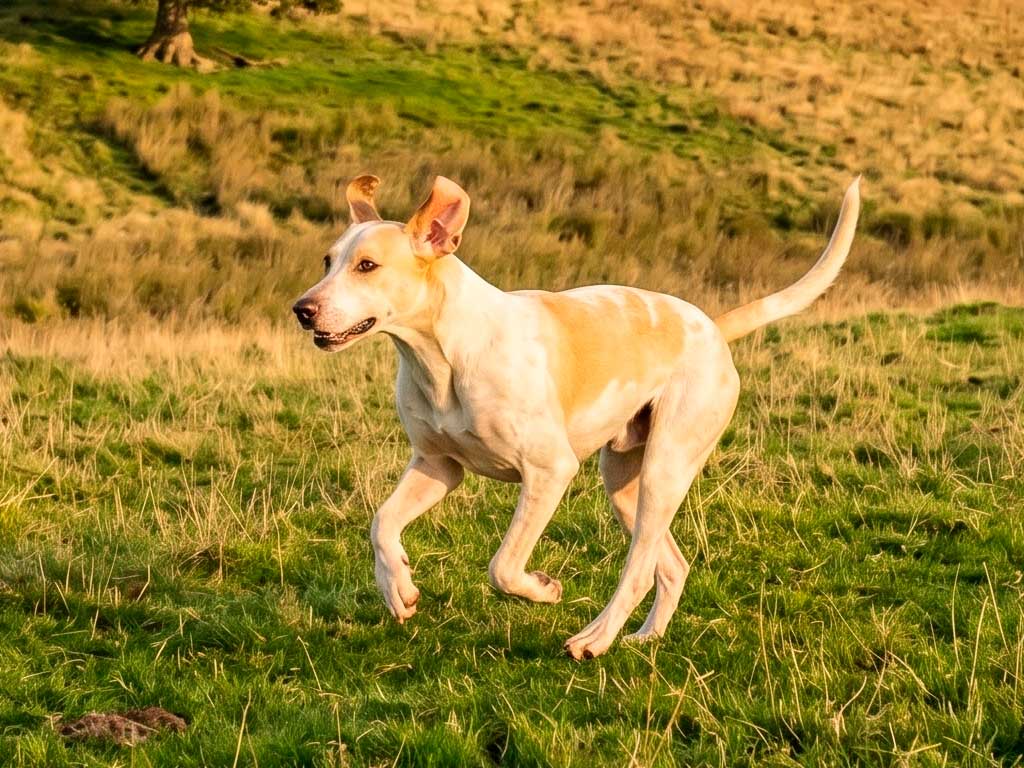
The Foxhound is a large, athletic dog designed for endurance rather than sprint speed.
Size and Build: Males stand 58-64 cm (23-25 inches) at the shoulder and weigh 29-32 kg (64-70 pounds). Females are sometimes slightly smaller, though the standard allows flexibility. The build is lean and muscular, emphasizing endurance over power. The chest is deep, the back is strong, and the overall impression is of a dog built for sustained effort over uneven terrain.
Coat and Coloring: The coat is short, smooth, and dense—designed to withstand weather and thorns while hunting. Coat colors follow hound standards: white with patches of tan, lemon, brown, or black, or tricolor combinations. The variety in coloring reflects the breed’s functional origin—appearance mattered far less than working ability.
Head and Ears: The head is long and refined with a well-developed nose. The ears are long and set low on the head, characteristic of scent hounds. This ear structure, while functional for hunting, creates ongoing grooming and health considerations.
Overall Presence: What strikes people most is the breed’s serious athleticism. This isn’t a dog for casual walks. The Foxhound looks like what it is: a working athlete bred for endurance, not companionship.
Temperament and Personality
The Foxhound’s temperament is fundamentally shaped by centuries of pack-work breeding.
Pack Mentality: The breed was developed to work cooperatively in groups but independently from human direction. A Foxhound in a hunt doesn’t consult its handler about strategy. This deep-rooted independence persists. Foxhounds are generally cooperative with other dogs but lack the intense human-bonding drive of breeds developed for close human partnership.
Friendliness and Sociability: Despite the independent nature, Foxhounds are genuinely friendly and sociable dogs. They’re good with people, including children, when properly raised. However, friendliness doesn’t translate to obedience. The breed likes people without desperately seeking approval.
Prey Drive: The prey drive is extraordinary and genetic. Foxhounds will chase small animals with single-minded determination. Cats, rabbits, and even small dogs can trigger chase instincts. Management is more realistic than training for prey-drive elimination.
Exercise Demands: The breed requires 2+ hours of daily running exercise—not walking, running. A Foxhound confined to apartment living or neighborhoods without open land becomes destructive and frustrated. This breed needs genuine space.
Barking and Vocalization: Hounds are vocal. Foxhounds bay and howl, particularly when scenting or excited. They’re working dogs with loud, distinctive voices designed to carry across hunting terrain. Apartment living creates neighborhood conflict.
With Children: Foxhounds are good with children in their own family, particularly when socialized early. The breed’s friendly nature and tolerance for rough play makes them suitable for family life—provided families can meet serious exercise demands.
Care Guide
Caring for a Foxhound requires understanding this breed’s specific demands and acknowledging what most households cannot provide.
Diet and Nutrition
Large hounds like the Foxhound have significant nutritional requirements matching their size and activity level.
What to Feed:
- Large-breed kibble formulated for high activity levels
- Protein levels between 20-24% (adequate for working dogs)
- Balanced minerals and vitamins critical for joint health in large dogs
- Glucosamine and chondroitin for joint support
Quality matters. The Foxhound’s high exercise demands require nutrient-dense food. Bargain kibbles often lack the micronutrient concentration active dogs need.
How Much: A typical adult Foxhound eats 2-3 cups of quality kibble daily, split into two meals. Activity level significantly impacts caloric needs. Working or highly active dogs may require the upper range; sedentary individuals (though few) might need less.
Monitor body condition. You should be able to feel ribs with light pressure. Obesity accelerates joint problems severely in large dogs.
Feeding Timing: Feed twice daily, separated by at least 8 hours. Split feeding reduces bloat risk—a concern in deep-chested large breeds.
Exercise Requirements
This is the defining reality of Foxhound ownership: most households cannot meet the breed’s exercise needs.
The Foxhound requires 2+ hours of daily running exercise—not negotiable, not optional. Walking isn’t adequate. These dogs need off-leash running in open spaces, ideally with scent work or hunting simulation. A bored Foxhound becomes destructive, obsessive, and frustrated.
Ideal Exercise Options:
- Off-leash running in large, secured spaces (1-2 hours daily minimum)
- Scent tracking or hunting-simulation work
- Running alongside bicycles (on rural roads, not urban streets)
- Swimming (excellent conditioning, low-impact)
- Actual hunting or field work (ideal for the breed’s genetics)
What NOT to Do:
- Don’t underestimate exercise requirements expecting a large dog to be calm
- Don’t confine them in apartments or small yards
- Don’t rely exclusively on leashed walks
- Don’t expect the dog to self-exercise in a backyard
- Don’t ignore the prey drive around small animals
Foxhounds confined without proper exercise develop serious behavioral problems: destructive digging and chewing, escape attempts, obsessive behaviors, and severe frustration.
Grooming Needs
The Foxhound’s grooming requirements are minimal compared to many breeds, but specific issues require attention.
Coat Maintenance: Brush once weekly with a rubber curry brush to remove loose hair. The short, dense coat sheds moderately year-round and heavily during seasonal changes. Weekly brushing maintains coat health and reduces shedding around the home.
Ear Care (Critical): The breed’s long, drooping ears require regular attention. Clean ears weekly or twice weekly using a vet-approved solution. Look for redness, discharge, or foul odor as early infection signs.
- Use a gentle ear solution appropriate for hounds
- Avoid getting water deep in the ear canal
- Dry thoroughly after cleaning
- Consider keeping hair around the ear canal trimmed short
Nail Care: Trim nails every 4-6 weeks or as needed. Active dogs often wear them down naturally, but regular checks are essential. Overgrown nails affect gait and stress joints.
Bathing: Bathe every 6-8 weeks using dog-specific shampoo. The short coat dries quickly. Use a towel or low-speed dryer—the dense coat shouldn’t be overly dried.
Dental Health: Brush teeth several times weekly. Hounds aren’t particularly prone to dental disease, but preventive care matters.
Training and Education
Training a Foxhound requires realistic expectations and acceptance of the breed’s independent nature.
Core Training Principles:
- Start Early: Begin before 12 weeks. Early socialization and basic training are easier when the dog is younger and more malleable.
- Accept Limited Obedience: Foxhounds were bred to work independently. Perfect obedience isn’t realistic. Focus on safety commands: reliable recalls (genuinely difficult), sit, and down.
- Use Positive Reinforcement: Treats and praise work better than corrections. The breed responds well to consistency and fairness.
- Manage, Don’t Just Train: Secure fencing prevents escapes. Close supervision prevents prey-chase disasters. A well-managed Foxhound is better than a partially trained one.
- Provide Mental Stimulation: Scent work, tracking games, and problem-solving activities engage the breed’s hunting mind.
Essential Commands to Prioritize:
- Sit (foundation behavior)
- Down (critical for safety)
- Come (extremely difficult; requires serious commitment)
- Leave It (prevents dangerous prey-chase incidents)
What NOT to Expect: Don’t expect a Foxhound to become a perfectly obedient house dog. The breed’s genetic nature is independent and pack-oriented. Training suppresses some behaviors but doesn’t fundamentally change temperament. If you need absolute obedience, choose a different breed.
Professional Help: Working with trainers experienced with hounds accelerates progress. Some Foxhound owners benefit from professional guidance, particularly for recall training.
Health and Longevity
The Foxhound is a generally healthy breed with solid longevity: 10-12 years is typical, with many living longer.
The breed’s health profile benefits from its working origins. Breeders prioritized health and functionality over aesthetics, which generally results in fewer genetic problems than appearance-focused breeds.
Common Health Concerns:
Hip and Elbow Dysplasia: Joint malformation is possible in large breeds. Responsible breeders screen parents with OFA or PennHIP certifications before breeding.
Ear Infections: The drooping ear structure traps moisture and is prone to infections. Regular cleaning and monitoring prevents many problems.
Bloat (Gastric Dilatation-Volvulus): This life-threatening emergency is more common in deep-chested large breeds. Know the signs: restlessness, distended abdomen, unsuccessful vomiting. Have a 24-hour emergency vet identified before you ever need them.
Eye Issues: Progressive retinal atrophy and other eye conditions have been documented. Regular veterinary eye examinations help detect problems early.
Preventive Care:
- Annual veterinary check-ups (twice yearly for senior dogs)
- Genetic health screening before breeding
- Early intervention at first signs of joint problems
- Consistent ear maintenance
- Regular dental care
- Maintaining optimal weight
Is This the Right Dog for You?
The Foxhound is a genuinely remarkable dog for the right situation—which describes a tiny percentage of potential owners.
The Foxhound Is Right For You If:
- You have extensive rural land (minimum 5+ acres)
- You can provide 2+ hours of daily running exercise
- You have hunting experience or genuine interest in field work
- You understand and accept the pack-hunting mentality
- You’re willing to manage prey drive rather than train it away
- You appreciate a working dog that isn’t a typical family companion
- You can tolerate barking/baying as part of normal behavior
- You live in a location where hunting or field work is realistic
The Foxhound Is NOT Right For You If:
- You live in an urban or suburban area
- You have limited land or outdoor space
- You expect a calm, quiet house companion
- You want a dog that reliably obeys every command
- You have cats, rabbits, or small animals
- You can’t commit to 2+ hours of daily exercise
- You need a dog suitable for apartment living
- You’re a first-time dog owner without hunting background
Frequently Asked Questions
Q: Can Foxhounds live in suburban homes?
A: Generally no. The exercise requirement (2+ hours daily running), prey drive, and baying vocalization make suburban living problematic. Urban apartments are completely unsuitable.
Q: Are Foxhounds good family dogs?
A: They’re friendly with families, particularly children. However, the exercise demands and pack mentality make them poor choices for typical families expecting a conventional companion.
Q: What’s the difference between English and American Foxhounds?
A: American Foxhounds are slightly taller and more narrowly built, with more pronounced individuality. English Foxhounds are more standard and were traditionally bred for pack uniformity. Both have identical exercise demands and temperament challenges.
Q: How much do Foxhound puppies cost?
A: Responsible breeders typically charge $400-$900. Lower prices often indicate backyard breeding; higher prices suggest show-line dogs.
Q: Is the Foxhound hypoallergenic?
A: No. The breed sheds moderately year-round. It’s not suitable for allergy-sensitive households.
The Foxhound is a genuinely remarkable working dog—but it’s a working dog, not a pet. It’s fundamentally unsuited for conventional family life because its needs and nature conflict with what most households can provide.
If you have land, hunting experience, and genuine understanding of what a pack-hunting hound requires, a Foxhound can be extraordinary. If you’re attracted to the breed’s athleticism and history but live in suburbs or cities, or expect a manageable family companion, this breed will frustrate you both.
Choose one only if you truly understand and can meet its working-dog needs. Anything less creates an unhappy dog in an unsuitable situation.
Exploring Hunting Hound Breeds?
The Foxhound is one of several scent hound breeds developed for serious hunting work, each with distinct characteristics, exercise demands, and suitability for different households. We’ve created comprehensive guides comparing hunting hounds and other large breeds:
- The Field Spaniel (calmer hunting breed with moderate exercise needs)
- The Wire Fox Terrier (small hunter with different breeding purpose)
- The Smooth Fox Terrier (elegant small hunter with identical temperament)
- The Bordeaux Dogue (large guardian with different purpose and health profile)
- Other Hound Breed Guides (coming soon)
Most hunting breeds require more exercise and have stronger prey drives than typical family dogs. Check back for deeper comparative analysis to help you identify whether the Foxhound—or perhaps a more manageable hunting breed—truly matches your lifestyle, experience level, and available resources.