German Spitz Klein: The Small Dog That Once Guarded Ships
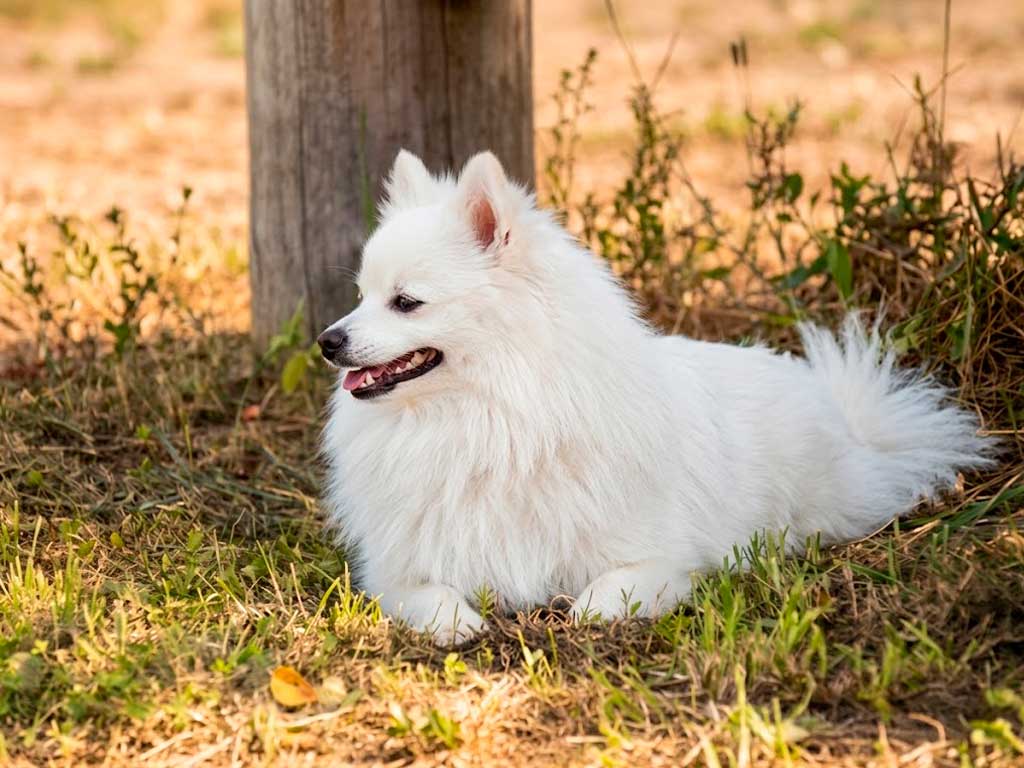
Could a small dog with a fox-like face, a plume of a tail, and a surprisingly loud bark fit into your home? The German Spitz Klein has plenty of personality packed into a compact frame.
This lively companion is affectionate with its family, quick to notice changes around the house, and often more energetic than its fluffy appearance suggests.
The German Spitz Klein, also known as the Klein German Spitz, is the smaller variety of the German Spitz breed. It shares the characteristic pointed ears, curled tail, and thick double coat of its larger relative, the German Spitz Mittel.
However, its small size does not mean it needs little attention. Daily activity, coat care, early training, and plenty of company all matter.
If you’re researching German Spitz Klein puppies, comparing the breed with a Pomeranian, or deciding whether this dog suits your lifestyle, here’s what to know before bringing one home.
German Spitz Klein at a Glance
- Breed group: Utility in The Royal Kennel Club classification
- Origin: Germany, with ancestry linked to Nordic Spitz-type dogs
- Size: Small
- Typical height: 23–29 cm (9–11.5 inches) at the shoulder
- Typical weight: Often around 3–4.5 kg (6.5–10 lb), although individual dogs vary
- Coat: Long, straight outer coat with a soft, dense undercoat
- Temperament: Alert, lively, intelligent, and devoted to its family
- Exercise: Regular daily walks, play, and mental stimulation
- Grooming: Several thorough brushing sessions each week, with extra care during shedding periods
- Life expectancy: Commonly around 12–15 years
- Main consideration: Its tendency to bark and its need for companionship
Breed standards describe the ideal appearance of a dog, so an individual German Spitz Klein may differ slightly in size, coat, or personality. Health and temperament should carry more weight than appearance when choosing a puppy.
What Is the German Spitz Klein?
The German Spitz Klein is a small, confident companion with the classic features of the Spitz family. Its upright ears, wedge-shaped face, and curled, feathered tail give it a distinctive silhouette.
The word Klein means small in German. It identifies the smaller size variety of the German Spitz, while Mittel refers to the larger variety. Both share the same general breed characteristics, although their height differs.
These dogs are known for being attentive to their surroundings. A visitor at the door, an unfamiliar sound, or movement outside a window may catch their attention immediately. That alertness can make them useful watchdogs, but it can also lead to frequent barking if they never learn when to settle.
A German Spitz Klein generally enjoys being part of everyday family life. It may happily accompany you on a walk, learn a new trick, or settle nearby while you work. Its small stature can suit apartment living, provided its exercise, training, and social needs are met.
History and Origins of the German Spitz Klein
The German Spitz belongs to a family of dogs associated with Northern European Spitz-type ancestry. The Royal Kennel Club describes the German Spitz breeds as descendants of larger Spitz dogs brought from Scandinavia by Vikings.
Over time, these dogs developed into different sizes and lines. The German Spitz became valued for its alertness, adaptability, and ability to live and work alongside people. Dogs of this type have also been associated with European circuses, where their intelligence and ability to learn helped them perform.
The Klein and Mittel varieties share a common breed standard in which size is the principal distinction. The Pomeranian is closely related to the German Spitz family and developed into a smaller, distinct breed.
Historical accounts do not always describe every stage of the breed’s development in the same way. What remains clear is that the German Spitz Klein belongs to an old European dog type whose watchful nature is still evident in modern companion dogs.
Appearance: Size, Coat, and Colors
The German Spitz Klein is compact and almost square in outline. Beneath its abundant coat is a small, well-proportioned dog with an alert expression and a lively way of moving.
How big does a German Spitz Klein get?
The Royal Kennel Club breed standard places the Klein at approximately 23–29 cm (9–11.5 inches) at the shoulder. The German Spitz Mittel is larger, standing around 30–38 cm (12–15 inches).
Weight is not defined in the same way by every breed standard. Some breed guides report a typical range of roughly 3–4.5 kg (6.5–10 lb), but individual dogs can vary. A healthy weight depends on the dog’s frame, age, activity, and body condition.
If you’re looking at German Spitz Klein puppies, remember that their adult size cannot be predicted perfectly from appearance alone. Ask the breeder about the parents and the puppy’s growth history rather than relying only on a promised adult weight.
What does its coat look like?
The breed has a double coat consisting of a dense, soft undercoat and a longer, straight outer coat. The fur is particularly abundant around the neck and shoulders, creating a noticeable ruff. Longer feathering also covers the tail and parts of the legs.
Its coat provides much of the breed’s familiar fluffy appearance, but it needs regular attention. Loose undercoat can collect in the outer coat, especially behind the ears, around the elbows, and where the legs meet the body.
Which colors are accepted?
German Spitz Klein dogs may appear in a range of colors and combinations, depending on the applicable kennel club standard. The Royal Kennel Club lists recognized colors including black, black and tan, and several combinations with white markings.
Merle is not accepted under the Royal Kennel Club breed standard. If a seller advertises an unusual color as rare or especially valuable, ask for documentation and prioritize health, temperament, and responsible breeding practices over coat color.
German Spitz Klein Temperament: What Living With One Is Like
A German Spitz Klein is generally lively, attentive, and strongly attached to its family. It often wants to know what’s happening around the home and may follow its favorite person from room to room.
Its alert nature is one of the breed’s defining traits. It can notice things that other household members overlook, including a delivery at the front door or a neighbor passing outside. That awareness is useful, but owners should expect some vocal behavior.
Do German Spitz Klein dogs bark a lot?
They can. German Spitz dogs are naturally alert, and barking may be their response to unfamiliar people, noises, or activity near the home. Some individuals are much more vocal than others.
You can help prevent barking from becoming disruptive by teaching a consistent response from puppyhood:
- Reward quiet behavior when your dog notices a sound without barking.
- Teach a cue such as “quiet” using positive reinforcement.
- Avoid shouting, which may add excitement instead of helping the dog settle.
- Manage repeated triggers by limiting access to windows when necessary.
- Provide enough activity and mental stimulation to reduce boredom.
The goal isn’t to stop a watchdog from noticing its surroundings. It’s to help it respond calmly and return to normal activities.
For more practical ideas, see our guide to naturally vocal dog breeds and how to create a quieter home.
Is the German Spitz Klein good with children?
It can be a good companion in a household with respectful children. However, its small body needs gentle handling. Rough play, squeezing, or being dropped can cause serious injuries.
Teach children to let the dog approach them, avoid disturbing it while eating or sleeping, and recognize when it wants space. Adults should supervise interactions, particularly with toddlers and younger children.
Can it live with other pets?
A well-socialized German Spitz Klein may live comfortably with other dogs and familiar pets. Individual temperament matters, and introductions should be gradual and supervised.
Early positive exposure to different people, places, sounds, and well-mannered animals can help a puppy develop confidence. Socialization does not mean forcing the dog to greet everyone. Calm observation and the ability to move away are valuable, too.
Does it cope well when left alone?
This breed often forms close bonds with its people. Long periods of isolation may contribute to barking, restlessness, or other unwanted behavior in some dogs.
Build independence gradually. Start with brief periods in a comfortable, safe area and provide suitable toys or enrichment. Avoid suddenly leaving a young puppy alone for an entire workday. If your dog shows persistent distress when separated, ask your veterinarian or a qualified behavior professional for guidance.
Exercise and Mental Stimulation
A German Spitz Klein is small, but it still needs daily activity. Many adults do well with a combination of walks, indoor play, and short training sessions. Around 30–60 minutes of activity spread throughout the day can be a useful starting point, adjusted for the individual dog’s age, health, and energy level.
A practical routine might include:
- A daily walk: Give your dog time to explore and sniff rather than rushing through every outing.
- Short play sessions: Fetch, gentle tug, or interactive games can provide movement without overwhelming a small dog.
- Training breaks: Practice recall, settling on a mat, and simple cues for a few minutes at a time.
- Indoor enrichment: Food puzzles and scent games offer mental work when the weather is poor.
Puppies need shorter, age-appropriate activity with plenty of rest. Avoid forcing repetitive, high-impact exercise while their bodies are developing.
The German Spitz Klein can also enjoy activities such as obedience and agility when training is suitable for its size and fitness. Mental challenges are particularly useful for a bright dog that quickly learns household routines.
Grooming a German Spitz Klein
The thick coat looks demanding, but a consistent routine makes it manageable. The main job is removing loose hair before it tangles and checking areas where friction can create knots.
How often should you brush it?
Brush the coat several times a week, working gently through the outer hair and undercoat. A suitable pin brush or slicker brush can help, while a comb is useful for checking behind the ears and around the legs.
Pay particular attention to:
- Behind the ears
- The armpits and elbows
- The feathering on the legs
- The trousers around the hindquarters
- The long hair around the tail
Work through small sections rather than pulling hard at a knot. If the coat is badly matted or your dog finds brushing painful, seek help from a groomer who understands double-coated breeds.
Does the German Spitz Klein shed?
Yes. The double coat sheds throughout the year, with heavier shedding periods often occurring seasonally. During these times, more frequent brushing helps remove loose undercoat and reduces the amount of fur left around the home.
Bathing can be done when necessary, using a dog-appropriate shampoo and drying the coat thoroughly. Regularly check the ears, trim nails as needed, and brush the teeth with dog-specific toothpaste.
Should you shave its coat?
Routine shaving or close clipping is generally not recommended for a German Spitz Klein. Its double coat is part of its natural structure, and shaving can alter how the coat grows back. It may also interfere with the coat’s normal protective function.
Tidying around the feet and hygiene areas may be appropriate. If you’re considering a major coat change for medical or comfort reasons, discuss it with your veterinarian and an experienced groomer first.
Feeding and Nutrition: What Should a German Spitz Klein Eat?
German Spitz Klein dogs need a complete and balanced diet suited to their life stage, body condition, and activity level. Because they are small, portion sizes can be modest, and extra treats may add up quickly.
Choose a food labeled as complete for the appropriate life stage. Puppies need nutrition formulated for growth, while adults generally need an adult maintenance diet. Your veterinarian can help you choose a suitable food if your dog has allergies, digestive problems, dental concerns, or another medical condition.
How much food does a German Spitz Klein need?
There is no single portion that suits every dog. Follow the feeding guide on the food packaging as a starting point, then adjust according to your dog’s weight, body condition, and activity. Weighing food with a kitchen scale is more reliable than estimating by eye.
Most adult dogs can eat two measured meals daily. Puppies often need more frequent meals, depending on their age and the food’s feeding instructions. Keep fresh water available at all times.
To help maintain a healthy weight:
- Measure meals instead of leaving food available all day if your dog tends to overeat.
- Count treats as part of its daily calorie intake.
- Monitor body shape and weight regularly.
- Ask your veterinarian to assess weight changes rather than making drastic food reductions.
For a broader explanation of ingredient choices, feeding routines, and portion control, read our complete dog nutrition guide.
Is fresh dog food worth considering?
Fresh food is one option to discuss when choosing your dog’s diet. JustFoodForDogs offers fresh dog food products and a variety sampler box for owners who want to explore different recipes.

FROM JUSTFOODFORDOGS
Just Fresh
Resealable meals. No preservatives. Open, serve, refrigerate.
Shop Just FreshHappy Pet Zone may earn a commission when you click through to JustFoodForDogs, at no extra cost to you.
Before changing your German Spitz Klein’s food, check that the specific product is labeled as complete and balanced for your dog’s life stage. Some products are intended for supplemental feeding only. Follow storage and serving instructions, introduce any new food gradually, and speak with your veterinarian if your dog has a medical condition or a history of digestive sensitivity.
No single feeding style is automatically best for every dog. The right choice is one that meets nutritional needs, suits your dog’s health, and works consistently for your household.
German Spitz Klein Health and Life Expectancy
The German Spitz Klein is often described as a generally healthy breed, and its life expectancy is commonly reported at around 12–15 years. Individual longevity depends on genetics, preventive care, weight management, and other factors.
Potential health concerns reported in breed guides include patellar luxation, progressive retinal atrophy (PRA), epilepsy, and atopy. This does not mean every German Spitz Klein will develop these conditions, and the list is not exhaustive.
Patellar luxation
Patellar luxation occurs when the kneecap moves out of its normal position. Signs can include intermittent skipping, holding up a hind leg, or changes in gait. A veterinarian can examine your dog and recommend appropriate management.
Progressive retinal atrophy
Progressive retinal atrophy, or PRA, refers to inherited eye disorders that damage the retina and can lead to vision loss. Ask breeders what health screening is appropriate for their breeding dogs and request documentation where available.
Epilepsy and atopy
Epilepsy can cause recurrent seizures and requires veterinary assessment. Atopy is an allergic skin condition that may cause itching, licking, or recurring irritation. These signs can have other causes, so a veterinarian should evaluate persistent symptoms rather than relying on a breed description to identify the problem.
What health checks should you ask about?
Before choosing a puppy, ask the breeder about the health history of both parents and any recommended breed-related screening. A responsible breeder should be willing to explain the results and answer questions clearly.
Once your dog is home, arrange routine veterinary checkups, dental care, vaccinations, parasite prevention, and weight monitoring. Seek urgent veterinary help for a prolonged or repeated seizure, difficulty breathing, sudden loss of vision, severe pain, or another sudden and serious change.
This section provides general breed information and is not a diagnosis or a substitute for veterinary advice.
German Spitz Klein Puppies: Finding a Responsible Breeder
Searching for German Spitz Klein puppies for sale can bring up breeders with very different standards. Take time to check how puppies are raised, what health information is available, and whether the breeder cares about the homes they enter.
A responsible breeder should generally be willing to:
- Let you learn about the puppy’s environment and early socialization.
- Discuss the health and temperament of the parents.
- Provide relevant veterinary records and health-screening information.
- Explain the puppy’s diet, routine, and care needs.
- Ask questions about your household and experience with dogs.
- Offer clear paperwork and support after the puppy goes home.
Be cautious if a seller pressures you to pay immediately, refuses to provide records, offers to hand over a puppy without reasonable discussion, or focuses mainly on rare colors and appearance. Avoid choosing a puppy solely because it is the cheapest or smallest available.
How much does a German Spitz Klein cost?
The German Spitz Klein price varies by country, breeder, pedigree, health screening, and availability. There is no reliable universal price, and an advertised amount alone does not tell you whether a breeder is responsible.
When comparing German Spitz Klein for sale listings, ask what the price includes, such as initial veterinary care, registration documents where applicable, and written purchase terms. Also budget for food, grooming supplies, training, insurance or emergency savings, and routine veterinary expenses throughout the dog’s life.
If you’re still preparing for a puppy, our complete puppy care guide can help you plan for feeding, training, hygiene, and play before your new companion arrives.
German Spitz Klein vs. German Spitz Mittel vs. Pomeranian
These breeds are related, so their fluffy coats and alert expressions can make them look similar. The main differences are size, breed classification, and individual characteristics.
- German Spitz Klein: The smaller German Spitz variety, usually 23–29 cm tall. It is lively, watchful, and often vocal.
- German Spitz Mittel: The larger variety, typically around 30–38 cm tall. It shares the Klein’s general breed type and coat characteristics. Learn more in our German Spitz breed guide.
- Pomeranian: A smaller, distinct Spitz breed with a related history. Pomeranians are often recognized for their compact size and abundant coat. Our Pomeranian breed guide covers its specific needs and temperament.
None of these dogs is automatically easier to own because of its size. Grooming, barking, socialization, and companionship needs should all factor into your decision.
Is the German Spitz Klein Right for You?
The German Spitz Klein may be a good match if you want a small companion that enjoys interaction and pays attention to its surroundings. It can suit an apartment or a house, as long as you provide regular activity and teach good household manners.
It may be less suitable if you need a very quiet dog, are away for long periods most days, or want a pet that requires almost no grooming. Its coat needs attention, and its watchdog instincts benefit from patient training.
Before deciding, consider your daily schedule, noise tolerance, grooming routine, and budget for lifelong care. Meeting adult German Spitz Klein dogs and talking with responsible breeders or breed clubs can also give you a more realistic picture of life with one.
Frequently Asked Questions
The German Spitz Klein brings a lot of character into a small package. If its lively nature, grooming needs, and alert voice suit your home, start by meeting the breed and asking thoughtful questions about health and temperament. Choosing a well-raised puppy or a suitable adult dog is the best first step toward a happy life together.