How to Prevent Fleas in Cats Year-Round
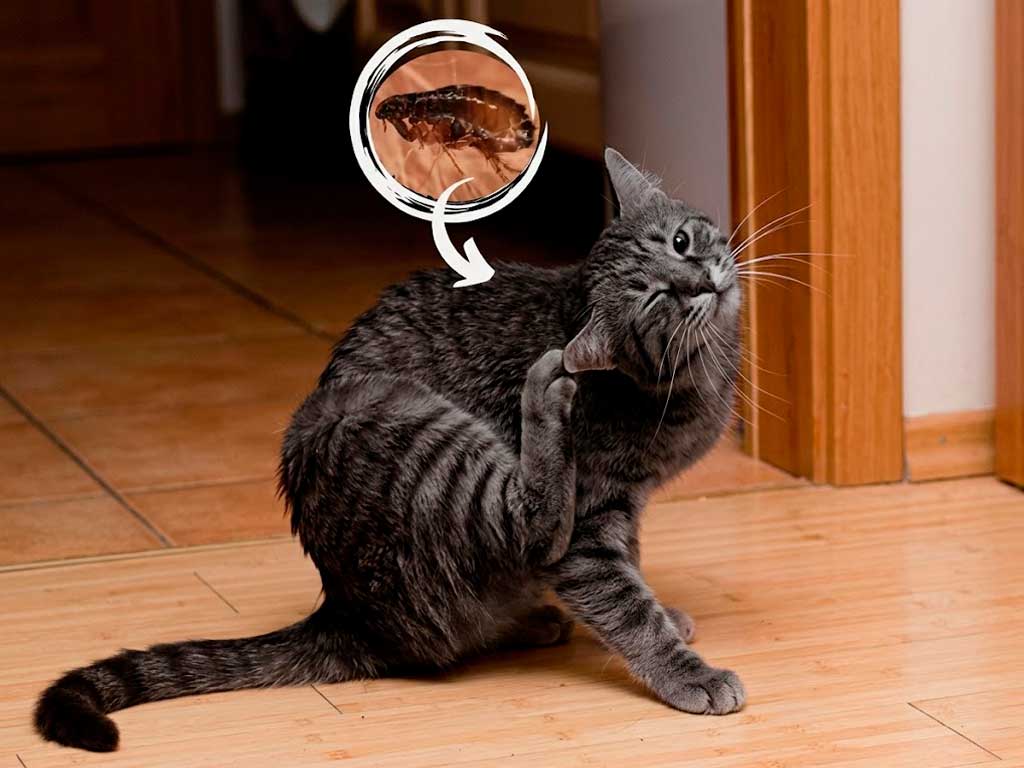
Most cat owners treat for fleas only when they see them. That’s already too late.
By the time you spot one flea on your cat, there are likely hundreds of eggs, larvae, and pupae already living in your carpets, furniture, and bedding, and the infestation is well underway.
The good news: once you understand how they actually work, you can prevent fleas in cats year-round with a routine that’s genuinely straightforward.
In this guide, you’ll get the complete flea prevention routine: why “flea season” is a myth, which products work and why, and the one place most owners forget to treat (it’s not your cat).
Why “Flea Season” Is a Dangerous Myth
Here’s the most expensive mistake cat owners make:
They stop flea prevention in winter.
Fleas don’t die when temperatures drop. They move inside into your heated carpets, your sofa cushions, your cat’s favorite sleeping spot. A flea egg can survive for months in the right indoor conditions. And homes with central heating maintain the warmth fleas need to complete their life cycle in any month of the year.
Here’s the part that surprises most people:
Your indoor cat is not protected just by staying inside.
Fleas enter homes without any help from your pet. They hitch rides on clothing, bags, and shoes. They come in on other pets, visiting animals, even on rodents living in walls. One flea inside your home can lay up to 50 eggs per day. Within two weeks, a single flea can become a full infestation.
Year-round prevention isn’t excessive it’s the only approach that actually works.
Understanding the Flea Life Cycle (This Changes Everything)
Most flea treatments only kill adult fleas.
Adult fleas represent just 5% of the total flea population in an infested home. The other 95% — eggs, larvae, and pupae — are hiding in your environment, completely unaffected by most products you apply to your cat.
Here’s the breakdown:
- Eggs (50% of the population) Laid directly on the cat, but they fall off almost immediately. They land in bedding, carpet fibers, furniture crevices, and floor cracks. A single female lays 40–50 eggs per day.
- Larvae (35% of the population) Larvae hatch from eggs and immediately move away from light, burrowing deep into carpet fibers and under furniture. They feed on organic debris including the flea “dirt” (digested blood) that adult fleas leave behind. This phase can last weeks.
- Pupae (10% of the population) This is the stage that makes flea infestations so hard to eliminate. Pupae encase themselves in a sticky cocoon that no insecticide can penetrate. They can remain dormant for months, waiting for a signal vibration, body heat, or increased carbon dioxide before hatching into adults.
- Why this matters for prevention: A product that only kills adults leaves 95% of the problem completely untouched. The best flea preventives target multiple life stages simultaneously. More on that in Chapter 3.
Your Arsenal to Prevent Fleas in Cats: What Works and What Doesn’t
Not all flea products are created equal.
Here’s a practical breakdown of your options.
Topical Spot-On Treatments
This is the most common and reliable option for most cat owners.
Applied to the skin at the base of the neck (where your cat can’t lick it off), topical treatments spread across the skin’s surface and provide continuous protection for 30 days. The best ones contain two active ingredients: an adulticide (kills adult fleas on contact) and an insect growth regulator, or IGR (prevents eggs and larvae from developing).
Products to discuss with your vet: Selamectin (Revolution), Fipronil + S-Methoprene (Frontline Plus), and Imidacloprid (Advantage II). These are all prescription or vet-recommended and significantly outperform generic store-brand alternatives.

FROM CANADAPETCARE.COM
Revolution PLUS (Selamectin and Sarolaner Topical Solution)
A monthly topical treatment for kittens and small cats that covers fleas, ticks, heartworm, and ear mites in one application.
Shop on CanadaPetCare.comHappy Pet Zone may earn a commission when you click through to CanadaPetCare.com, at no extra cost to you.
The critical rule: Apply on schedule, every 30 days without exception. A 35-day gap in winter is all fleas need to re-establish.
Oral Flea Treatments
Oral options work systemically the active ingredient enters the bloodstream, and fleas are killed when they bite.
These are particularly useful for cats that are difficult to apply topical treatments to, or those that get bathed frequently (water can reduce topical effectiveness). Nitenpyram (Capstar) kills adult fleas within 30 minutes and is useful for immediate knockdown, but it only lasts 24 hours it’s a treatment tool, not a prevention tool on its own.

FROM BESTVETCARE.COM
Capstar for Cats: Fast-acting Oral Flea Treatment
An oral tablet that starts killing adult fleas within 30 minutes, useful for a fast knockdown alongside a longer-lasting monthly preventive.
Shop on BestVetCare.comHappy Pet Zone may earn a commission when you click through to BestVetCare.com, at no extra cost to you.
Newer long-acting oral options for monthly prevention are increasingly available. Ask your vet specifically about what’s approved for cats in your area.
Flea Collars
The quality range here is enormous.
Cheap collars with a strong pesticide smell should be avoided they offer minimal protection and some cause skin reactions. The Seresto collar (available through vets) is a legitimate exception: it provides continuous protection for up to 8 months via slow-release technology and has solid clinical backing.

FROM BESTVETCARE.COM
Seresto Collar for Cats: Long-lasting Flea and Tick Protection
An 8-month flea and tick collar, one of the longest continuous-protection options available for cats.
Shop on BestVetCare.comHappy Pet Zone may earn a commission when you click through to BestVetCare.com, at no extra cost to you.
What Doesn’t Work
- Flea shampoos: Kill the fleas currently on the cat. Have zero lasting effect. By the next day, your cat can be re-infested from environmental sources.
- Ultrasonic repellers: No peer-reviewed evidence of effectiveness.
- Essential oil sprays and natural remedies: Not proven to eliminate infestations. Some (particularly tea tree and eucalyptus) are toxic to cats.
- Treating only one pet in a multi-pet household: Fleas will cycle between untreated animals indefinitely.
Treating the Environment — The Step Most Owners Skip
Here’s the truth most flea guides don’t tell you clearly enough:
Treating your cat alone will never fully resolve or prevent a flea problem.
Even the best topical treatment applied perfectly every 30 days works by killing fleas as they jump onto your cat. If your home is loaded with eggs and pupae, your cat essentially becomes a flea trap constantly acquiring newly hatched adults that die when they bite, but that gap between bite and death still causes discomfort and can still transmit tapeworms.
A real prevention strategy treats both your cat and your home.
Vacuuming: Your Most Powerful Free Tool
Vacuum every floor surface, carpet, rug, upholstered furniture, and any crack or crevice where floor meets wall.
Do this at least twice a week during high-risk periods. The vibration from vacuuming actually triggers pupae to hatch early into an empty vacuum bag, rather than onto your cat.
Critical step: immediately remove and discard the vacuum bag outside after every session. Flea larvae can continue developing inside the vacuum.
Wash All Soft Surfaces Weekly
Your cat’s beds, blankets, any soft surface they sleep on. Hot water wash (above 95°F / 35°C) kills all life stages. If bedding can’t be washed, replace it.
Home Spray Treatments
For homes where fleas are already present or risk is high, an environmental spray containing both an adulticide and an IGR provides an extra layer of protection. Pay particular attention to:
- Under furniture and cushions (larvae avoid light)
- Along baseboards and floor crevices
- Any area where your cat sleeps or spends extended time
One application is rarely enough. For active infestations, two to three treatments spaced 14 days apart are typically needed to break the cycle across all life stages.
The Year-Round Prevention Calendar
| Month | Key Action |
|---|---|
| January – March | Continue monthly topical/oral treatment. Vacuum weekly. Many owners mistakenly stop here — don’t. |
| April – May | Pre-season priority: confirm you’re current on treatment before outdoor activity increases. |
| June – August | Peak risk. Treat all pets in the household. Increase vacuuming frequency. Check for flea dirt weekly. |
| September – October | Fleas seek warm hosts as outdoor temps drop. Reinfestation risk spikes — don’t reduce vigilance. |
| November – December | Indoor flea populations can spike due to heating. Maintain full prevention schedule. |
Year-round rule: Never skip a treatment month. A single missed dose is the most common reason flea prevention fails.
Special Situations
Multi-Pet Households
Every animal in the house must be on flea prevention simultaneously.
This includes dogs. Fleas don’t care which species they’re on they’ll cycle between a treated cat and an untreated dog indefinitely. One unprotected animal undermines the entire household’s prevention strategy.
Cats That Go Outdoors
Outdoor and indoor-outdoor cats face substantially higher flea exposure risk. For these cats:
- Monthly topical or oral prevention is non-negotiable
- Consider a vet-recommended product that also covers ticks and ear mites (like Revolution), since outdoor cats face multiple parasite risks simultaneously
- Check for flea dirt weekly: part the fur near the tail base and look for small black specks. Place them on a damp white paper towel if the specks turn red-brown, that’s digested blood and confirms flea activity
After Boarding or a Vet Visit
Here’s something counterintuitive: if your cat comes home from boarding and suddenly has fleas, those fleas likely already existed as dormant pupae in your home.
Pupae can remain cocooned for months, waiting for the right signals. When your cat (or you) returns home after an absence, body heat and movement trigger mass hatching. Your cat isn’t bringing the fleas home they were already there.
The solution: treat the environment before and after any period of extended absence.
One more thing worth building into that routine: fleas are the main way cats pick up tapeworms, so a solid flea prevention plan and a deworming schedule go together, not separately. Our cat deworming guide covers the doses and timing, and ADTAB is one bite-activated option worth comparing against topical products if you’re still deciding.
Frequently Asked Questions
Here’s the one thing to take away from this guide:
Flea prevention is not a seasonal task it’s a year-round commitment that takes about 5 minutes per month.
The cats that never get fleas aren’t just lucky. Their owners treat them consistently, treat all household pets at the same time, and don’t stop in winter.
My recommendation: if you’re not currently on a schedule, start this month. Pick the first of every month as your treatment day, set a phone reminder, and stick to it. That one habit eliminates 90% of flea risk.
And if your cat is already showing symptoms? Read our guide on Symptoms of Worms in Cats: The Complete Guide — because fleas and tapeworms are directly connected, and where there are fleas, intestinal parasites are rarely far behind.