Maremma Sheepdog Breed: The Complete Guide for Devoted Owners
Considering a Maremma Sheepdog for your family? You’re looking at one of Italy’s oldest and most trusted livestock guardian breeds, famous for real-life work protecting endangered penguins. This guide covers origin, temperament, exercise needs, and health so you know exactly what to expect. Drawing on official breed standards and hands-on pet care expertise, we’ll walk through every essential detail. Let’s start with where this striking white guardian comes from.
History and Origin
Ancient Italian writers referenced the Maremma Sheepdog centuries ago, and the breed even appears in a 13th-century painting inside Florence’s Santa Maria church. Its origins trace back to Eastern herding dogs that migrated and evolved into distinct regional breeds, including the French Pyrenean Sheepdog and the Hungarian Kuvasz.
In Italy, two separate types eventually merged. The short-coated Maremmano and the long-coated Abruzzese converged into a single breed around 1860, driven by seasonal flock migration between regions. Today, the Maremma remains Italy’s most common and recognized herding breed.
Legend credits this brave dog with driving off wolves, bears, and human predators alike. That fearless reputation still shapes how the breed behaves as a guardian today.
Physical Characteristics
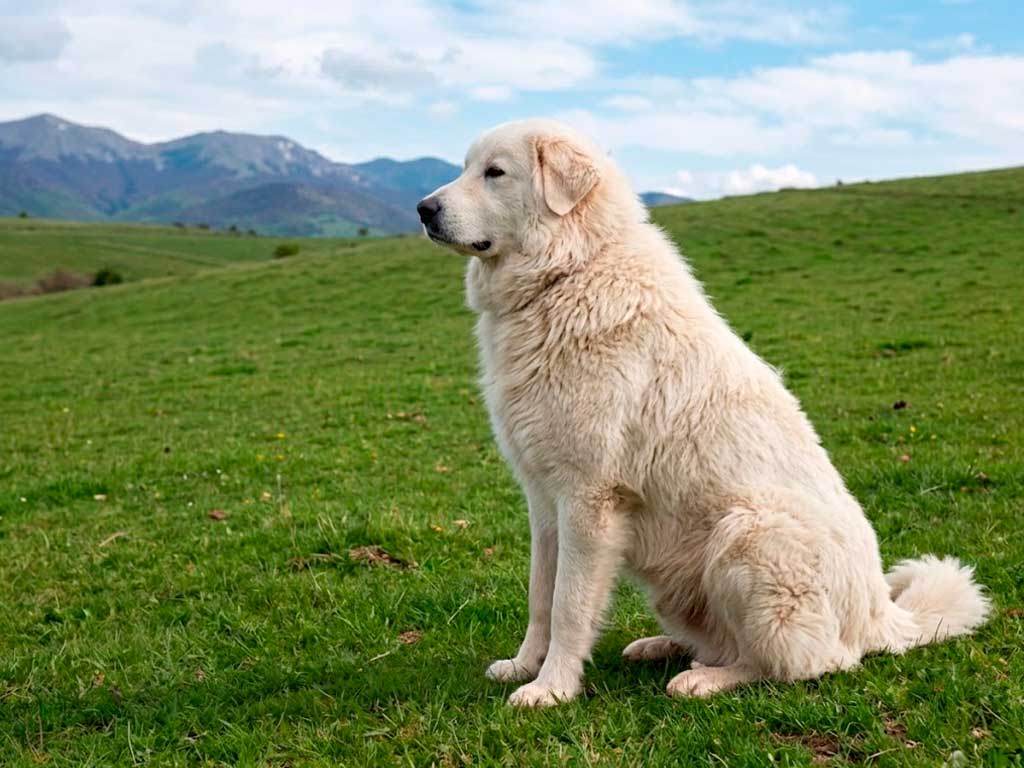
The Maremma Sheepdog is a large, robust, and muscular dog with a coarse white topcoat over a dense, protective undercoat. Its head stays wide between the ears and narrows toward the muzzle, while small ears sit high on the head.
Adult males stand between 26 and 29 inches tall and weigh 77 to 99 pounds. Females run slightly smaller, measuring 24 to 27 inches and weighing 66 to 88 pounds.
The all-white coat isn’t just for looks. Historically, it helped shepherds distinguish this breed from wolves during nighttime guarding.
Temperament and Personality
The Maremma finds genuine happiness in working, tending to its flock with quiet dedication. This dog stays deeply loyal to its owner and devoted to whatever it considers its charges, whether livestock, land, or family.
However, intruders don’t receive the same warmth. This intolerance makes the breed an excellent natural guardian, a role it has proven time and again in working settings.
Early socialization matters enormously here. Given the Maremma’s size and strength, structured exposure to people and situations from puppyhood onward becomes essential for safe management later.
Care Guide
Diet and Nutrition
Large-breed dogs like the Maremma need a nutrient balance different from smaller dogs, particularly around minerals and vitamins that support joint health. Choose a formula built for large, active breeds.
This breed also shows a tendency toward bloat and stomach issues. Smaller, more frequent meals throughout the day can help minimize that risk.
Exercise Requirements
The Maremma needs an enormous amount of daily exercise, more than two hours for a healthy adult. Bred for herding, this breed carries enough stamina to work an entire day without tiring.
Because it’s fundamentally a working dog, keeping a Maremma satisfied as a purely companion animal proves genuinely difficult. This breed never fully switches off.
Grooming Needs
The dense, heavy coat demands serious care. Thorough brushing and combing several times a week prevents matting, which can otherwise lead to painful skin irritation and dermatitis.
Additionally, check the paw pads regularly and trim any excess hair growing between them. Staying consistent here keeps the coat healthy and comfortable year-round.
Training and Education
Training a Maremma requires patience, since this breed’s independent guardian instincts run deep. Positive reinforcement works far better than force, particularly given the dog’s size and natural stubbornness.
Socialization deserves top priority from the earliest weeks. A well-socialized Maremma distinguishes correctly between genuine threats and everyday visitors, which matters enormously in a dog this large and protective.
Owners should also expect vocal, alert behavior. This breed barks to communicate potential threats, a trait bred into it over centuries of guardian work.
Health and Longevity
The Maremma Sheepdog typically lives between 11 and 13 years. Overall, the breed stays robust and healthy compared to many large purebred dogs.
Still, hereditary eye disorders and hip dysplasia can appear. Screening for both hip and eye issues before breeding significantly reduces the risk of passing these conditions along.
This article is for general educational purposes only and doesn’t replace professional veterinary advice. Always consult your veterinarian about your dog’s specific health needs.
Is This the Right Dog for You?
The Maremma Sheepdog suits experienced owners with genuine guardian needs, whether livestock, rural property, or a household that wants a serious protector. Rural or semi-rural settings tend to bring out this breed’s natural purpose.
On the other hand, apartment dwellers or first-time owners should think very carefully. A giant, independent guardian breed struggles in small spaces without a real job to do.
Frequently Asked Questions (FAQs)
Is a Maremma Sheepdog a good family dog? Yes, for experienced families with secure property. Early socialization with children makes a significant difference in long-term behavior.
How much exercise does a Maremma Sheepdog need? More than two hours daily for a healthy adult, reflecting this breed’s working heritage and high stamina.
Do Maremma Sheepdogs get along with other animals? Generally yes, especially livestock they’re raised alongside, though introductions to unfamiliar animals should happen gradually and carefully.
Why is the Maremma Sheepdog always white? Historically, the white coat helped shepherds tell the dog apart from wolves and other predators at night or from a distance.
Are Maremma Sheepdogs used for anything besides herding sheep? Yes, notably to protect endangered little penguin colonies in Australia from fox predation, proving the breed’s versatility as a guardian.
Start with a serious daily exercise plan before anything else. This breed’s working heritage means it needs a real outlet for its energy and instincts. For more livestock guardian breed guides, check out our Anatolian Shepherd and Pyrenean Sheepdog articles at Happy Pet Zone.