Samoyed: The Complete Breed Guide
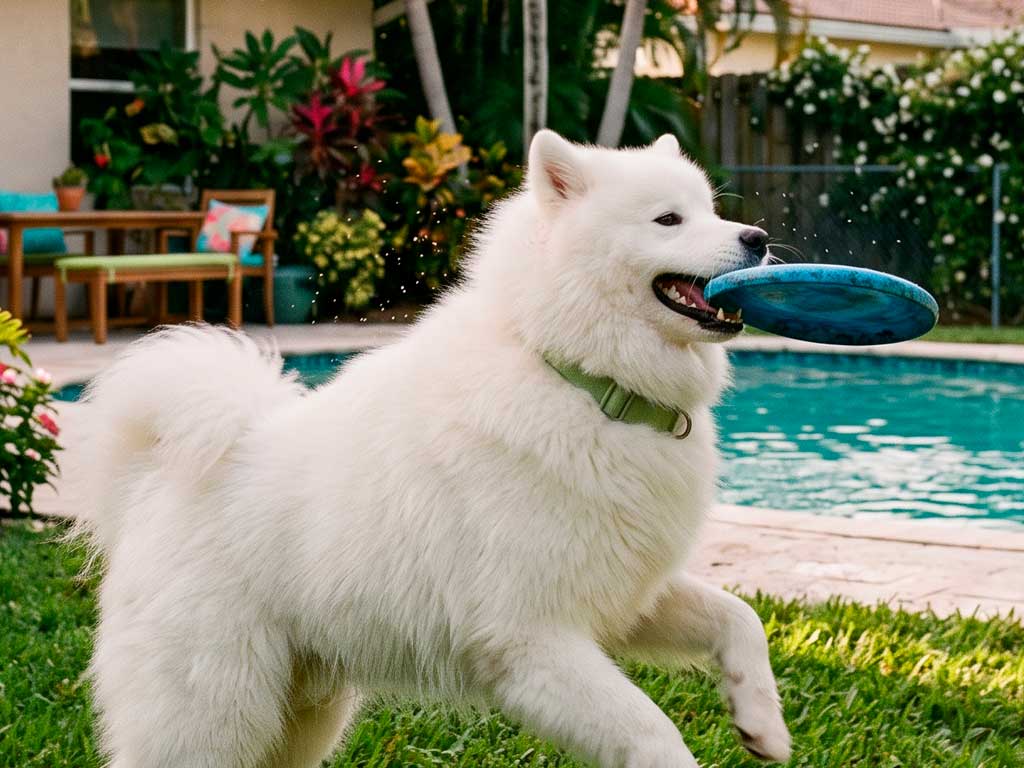
Ever seen a dog that looks like it’s permanently smiling? That’s the Samoyed’s signature feature, and it’s not just a cute expression — those upturned mouth corners actually evolved to keep the dog from drooling icicles in Siberian winters.
Here’s everything you need to know about this striking, cold-weather breed.
What Makes the Samoyed Unique
The Samoyed comes from Siberia, bred by the nomadic Samoyedic peoples to herd reindeer, pull sleds, and sleep alongside the family for warmth at night. This wasn’t a working dog kept at arm’s length — it lived as a genuine member of the household, which explains a lot about the breed’s people-focused personality today.
Late-19th-century polar explorers, including Shackleton and Scott, used Samoyeds on early Antarctic expeditions because of their toughness. One of those dogs, Antarctic Buck, famously ended up on display between two tigers at the Sydney Zoo before someone realized the mistake and shipped him home to join a breeding program in Britain.
Here’s a fun trait most new owners don’t expect: Samoyeds sing. Not standard barking — an actual wolf-like howl, and some genuinely join in when music plays.
Common Challenges and How to Handle Them
Here’s the thing — people fall for that fluffy white coat without understanding what it actually means day to day. This breed sheds constantly, and “constantly” is not an exaggeration. Expect white fur on everything you own.
Samoyeds also dig, escape, and get destructive when bored or left alone too long. Secure fencing genuinely matters here, and so does company — this isn’t a breed that thrives left home alone all day.
A few things that make ownership smoother:
- Reinforce yard security before bringing one home — digging and escaping are genuine breed traits, not bad luck
- Socialize early with cats and other pets, since this instinct doesn’t come naturally
- Plan for morning exercise in warm climates — that thick coat overheats fast in afternoon sun
- Accept the vacuum as a permanent part of your routine, particularly during twice-yearly blowouts
Daily Care Essentials
Exercise and Activity
Budget a couple of hours of real exercise daily. Samoyeds have genuine stamina from their sled-pulling history, and they naturally lean into pulling on the leash unless you train against it early.
Grooming
This coat is a serious commitment — daily brushing keeps it manageable, with a deeper weekly session to stay ahead of matting. I’ll go deep on shedding, the hypoallergenic myth, and the right tools in a dedicated grooming guide soon, because this topic deserves more than a paragraph.
Health Considerations
Samoyeds are a generally healthy breed with a 12 to 13 year lifespan. Hip dysplasia, diabetes mellitus, pulmonic stenosis, and a hereditary kidney condition called Samoyed hereditary glomerulopathy are the main concerns to know about.
This article offers general, informed guidance rather than a diagnosis. Talk to a licensed veterinarian about hip and kidney screening and any health concerns specific to your dog.
Bringing One Home
Pricing varies a lot by breeder and lineage, and I’ll walk through realistic numbers in a dedicated cost guide. Adoption and breed-specific rescue are also genuinely worth exploring — I’ll cover exactly where to look in an upcoming piece.
You’ll also come across “miniature” or “teacup” Samoyeds for sale online. I’ll dig into what that actually means — and whether it’s legitimate — in its own article, because the short answer deserves real explanation.
Frequently Asked Questions (FAQs)
Is a Samoyed a Husky?
No. Despite surface similarities and a shared Siberian sled-dog background, the Samoyed and Siberian Husky are distinct breeds.
Is the Samoyed hypoallergenic?
No, and this is one of the most common misconceptions about the breed. Heavy, constant shedding makes it a poor fit for most allergy sufferers.
Is the Samoyed a lazy dog?
Not remotely. This is a high-energy breed that genuinely needs daily exercise and mental engagement to stay content.
Does the Samoyed have wolf ancestry?
No. The Samoyed is considered one of the closest living examples of the original domesticated dog, without fox or wolf crossbreeding in its background.
Final Verdict: Is It a Good Fit?
If you want a joyful, people-focused companion and don’t mind fur on everything you own, the Samoyed delivers real personality and loyalty. Rural or cooler climates, secure yards, and owners with spitz-breed experience tend to be the best match.
If a low-shedding, low-maintenance dog is what you’re after, keep looking — but if you’re ready for the fur, you’ll get one of the most genuinely cheerful dogs out there.