German Pinscher: The Original Breed Behind the Doberman Myth
Most people assume the German Pinscher is either a scaled-down Doberman or a scaled-up Miniature Pinscher. Neither is true. This breed actually predates the Doberman by nearly a century and shares closer kinship with the Schnauzer than with either pinscher it’s constantly compared to.
This guide sets the record straight on its real history, alongside everything you need to know about its exercise needs, training demands, and whether it fits your household. You’ll also find out why this energetic watchdog isn’t the right first dog for most owners.
History and Origin
The German Pinscher shares ancestry with the Doberman, though the Doberman is considerably larger and didn’t appear until nearly a century later. It also shares roots with the smaller Miniature Pinscher.
This breed’s farm-dog ancestors worked German farms as early as the fifteenth century, serving as guardians and ratters. Two coat types existed originally, and the rough-coated version likely contributed to the modern Standard Schnauzer.
The German Kennel Club officially recognized the breed in 1879. Despite sharing a name with the Doberman Pinscher, genetic and structural ties actually run closer to the Schnauzer.
Physical Characteristics
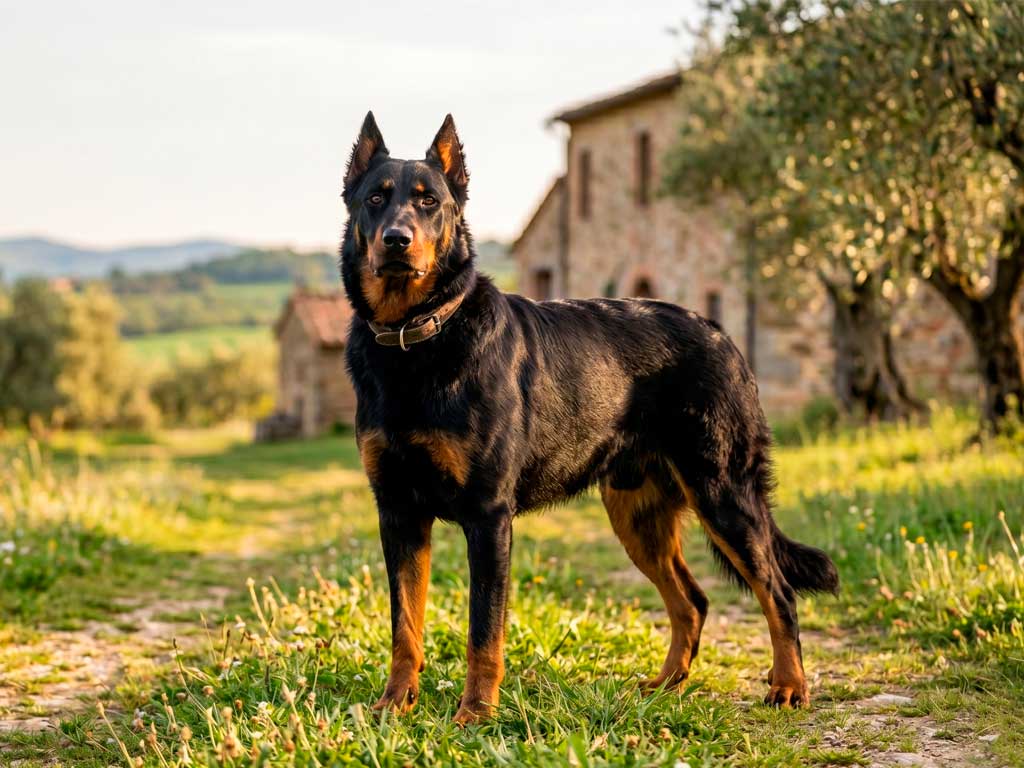
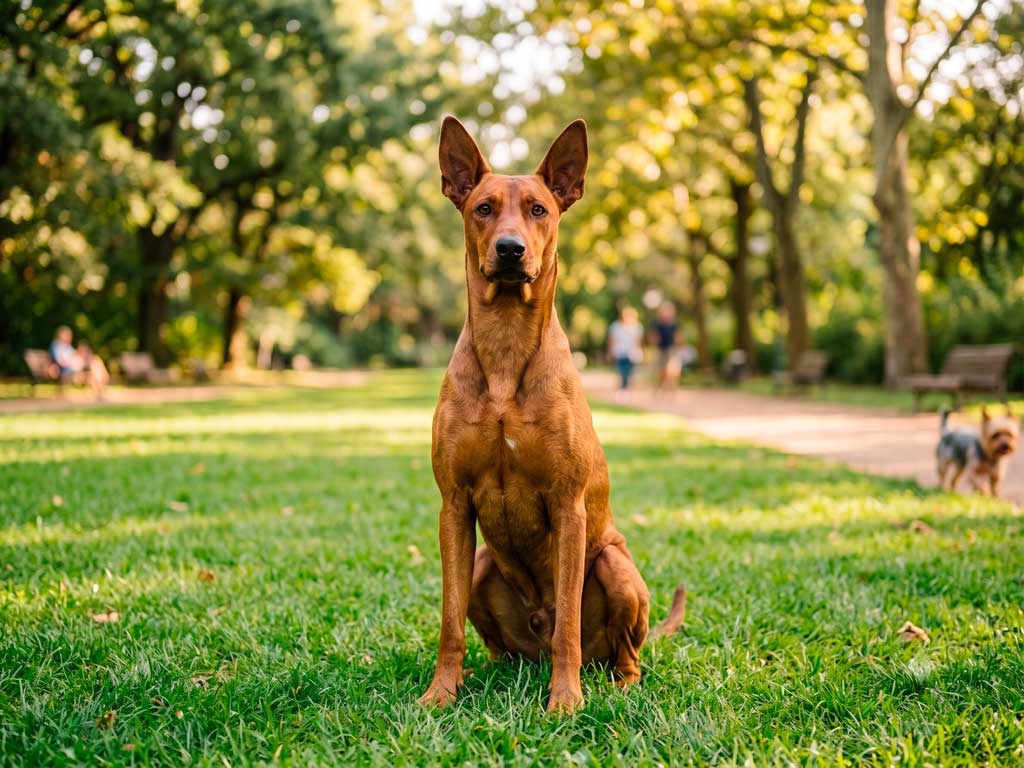
This is an elegant, strong, muscular dog with a smooth, short coat. Adults stand 43 to 48 centimeters tall and weigh between 11 and 16 kilograms.
Coat colors include red, black and tan, fawn, and blue and tan. Most German Pinschers live between 12 and 14 years.
A sleek build and alert posture give this breed a naturally sharp, watchful appearance, fitting for a dog originally bred to guard farms.
Temperament and Personality
Bright and fearless, this breed carries a strong natural instinct toward vigilance. An experienced household suits it far better than a first-time dog owner.
This dog’s sheer vitality can overwhelm anyone unprepared for it. In the right home, though, it becomes a loyal, rewarding companion capable of excelling across many different disciplines.
Early socialization and confident handling make a real difference here. Skipping either one tends to amplify this breed’s watchdog tendencies into genuine behavioral challenges.
Care Guide for the German Pinscher
Diet and Nutrition
A balanced diet covering every major nutrient group keeps this breed healthy and active. Fresh water should always be available.
Feed twice daily following your chosen food’s guidelines, and check body condition regularly. This article offers general guidance only and does not replace veterinary advice.
Exercise Requirements
An hour of daily exercise usually satisfies this breed, though it happily accepts more when offered. Agility, obedience, and tracking all appeal strongly to this dog’s active mind.
Mental stimulation matters just as much as physical activity here. A bored German Pinscher tends to find its own, less welcome, ways to stay entertained.
Grooming Needs
This short, smooth coat needs very little upkeep. A quick weekly brushing covers most of what this breed requires.
Minimal grooming makes this breed appealing for owners who want a low-maintenance coat paired with a genuinely active personality.
Training and Education
Confident, consistent leadership works far better than heavy-handed corrections with this breed. Experienced owners tend to get the most out of its intelligence and drive.
Early socialization matters enormously given this dog’s natural wariness and watchdog instincts. Puppies exposed to a variety of people, pets, and situations grow into far more adaptable adults.
This breed thrives on structured activities. Agility courses, obedience work, and tracking exercises all give its sharp mind something worthwhile to focus on.
Health and Longevity
Hereditary eye conditions and hip dysplasia both appear occasionally in this breed. Screening both hips and eyes before breeding helps responsible breeders protect the line’s overall health.
This information is educational and does not replace professional veterinary advice. Routine checkups catch most developing issues well before they become serious.
Is a German Pinscher the Right Dog for You?
Active households led by experienced dog owners tend to succeed best with this breed. Someone new to dog ownership will likely find its energy and drive genuinely overwhelming.
This dog rewards owners willing to commit real time to training and socialization. Skipping that investment tends to produce a difficult, overly vigilant companion instead of a loyal one.
Our Miniature Pinscher guide covers that smaller, unrelated-in-temperament cousin in detail, in case you’re weighing the two against each other despite the shared name.
Frequently Asked Questions
Is the German Pinscher the same as a Doberman?
No. The two breeds share ancestry, but the Doberman is considerably larger and didn’t emerge until nearly a century after the German Pinscher was already established.
Is the German Pinscher good for first-time owners?
Not usually. This breed’s intelligence and strong watchdog instincts respond best to experienced handlers who can provide consistent training from puppyhood.
How much exercise does a German Pinscher need?
About an hour a day, though this breed happily takes more. Mental stimulation through agility or obedience work matters just as much as physical activity.
Is the German Pinscher easy to groom?
Yes. The short, smooth coat needs only a quick weekly brushing to stay in good condition.
Does the German Pinscher make a good guard dog?
Definitely. Natural alertness and a tendency to bark at anything unusual make this breed a genuinely capable watchdog.
Commit to early socialization and confident training, and this breed rewards you with a sharp, loyal companion built for an active household. Few dogs bring this much energy and intelligence into one compact frame.
Not sure which pinscher-type breed fits your home best? Take our Dog Breed Quiz or browse the full dog breeds hub to compare options.