Papillon Breed Guide: Intelligence, Care & Temperament
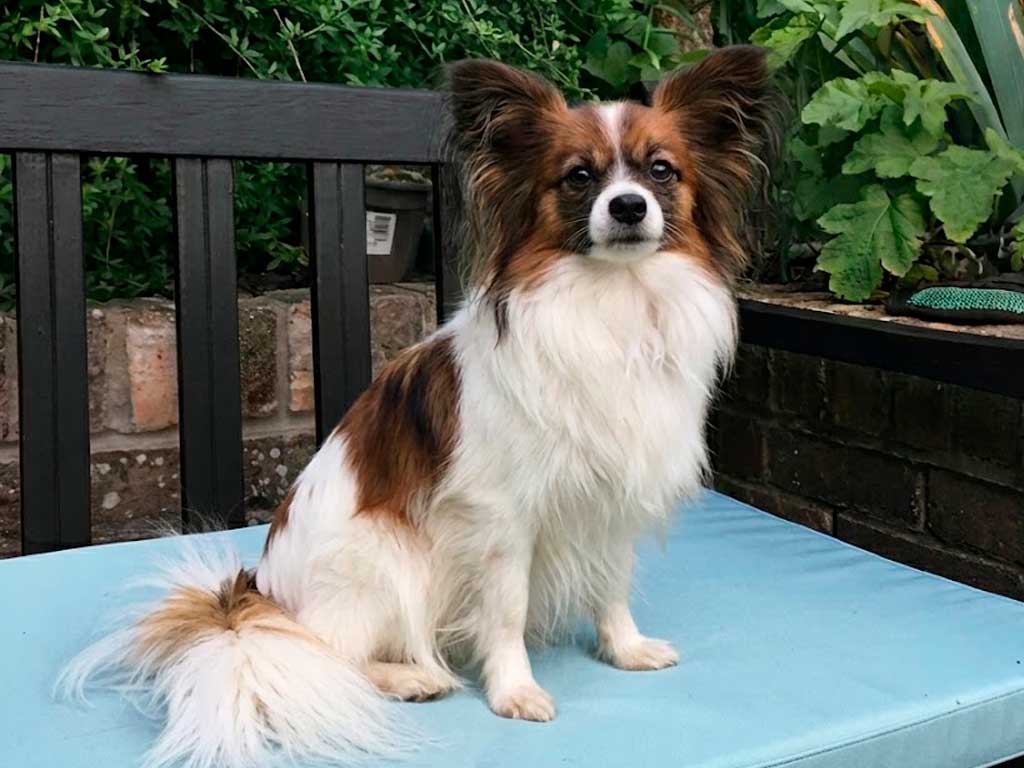
The Papillon breed is one of the most intelligent small dog breeds in the world. Named after its distinctive butterfly-shaped ears (papillon means “butterfly” in French), this toy spaniel is far more than a pretty face.
Energetic, alert, and remarkably trainable, Papillons excel in obedience competitions, agility trials, and service dog work surprising achievements for a dog weighing just 3-5 kg (7-11 pounds).
Despite their delicate appearance, Papillons are confident, curious, and adaptable companions. They thrive with active owners who appreciate a dog with genuine personality and the mental capacity to match.
History and Origins of the Papillon Breed
The Papillon breed has aristocratic roots stretching back to 16th-century Europe. The breed descended from toy spaniels depicted in Renaissance paintings by masters including Titian, Rubens, Rembrandt, and Goya. These small companions were favored by European nobility and sat in the laps of kings and queens.
The breed’s name reflects its most iconic feature: the large, erect ears that resemble butterfly wings. When the ears are drooping (the recessive trait), the dog is called a Phalène (meaning “moth” in French). Both ear types can appear in the same litter and are equally valued in modern breed standards.
Historical records suggest the breed originated in France or Belgium, though determining the exact birthplace remains debated among breed historians. What’s certain is that Papillons were status symbols during the Renaissance and Baroque periods. King Henry II of France allegedly spent 100,000 gold crowns on his Papillon collection an extravagant sum that underscores the breed’s historical prestige.
Marie Antoinette reportedly carried a Papillon to her execution during the French Revolution. Whether this is historical fact or romantic legend, it captures the breed’s enduring cultural significance as a companion to the powerful and privileged.
The modern Papillon breed was formally established and standardized in the late 19th century, with breed clubs emerging in both France and Belgium. The breed was officially recognized by major kennel clubs in the early 20th century and has since become a beloved companion globally, despite remaining relatively uncommon outside Europe.
Physical Characteristics
The Papillon breed is a small, elegant toy spaniel defined by delicate proportions and distinctive features.
Size and weight: Adults typically stand 20-28 cm (8-11 inches) at the shoulder and weigh 3-5 kg (7-11 pounds). Despite their small stature, they’re sturdy and well-boned, never appearing fragile or exaggerated in proportion.
Coat: The Papillon has a long, silky, fine-textured coat that flows naturally. The coat is feathered on the ears, chest, legs, and tail. Contrary to assumptions about long-haired small dogs, the Papillon’s coat is relatively easy to maintain and doesn’t mat as readily as other toy breeds.
Coloring: The most common color pattern is white with patches of another color. These patches (typically black, brown, red, or tricolor combinations) are well-defined against the white background. The blaze (white marking down the face) and white chest are highly valued in show dogs, though not mandatory for family pets.
The distinctive ears: The butterfly-shaped erect ears are perhaps the breed’s most recognizable feature. They’re large, rounded at the tips, and set toward the back of the head. When alert, the ears frame the face like butterfly wings. The phalène variation displays the same large ears, but drooping downward. Both types are equally recognized in breed standards.
Eyes and expression: Eyes are large, dark, and almond-shaped, conveying an intelligent, alert expression. The overall facial appearance is refined and aristocratic.
Temperament and Personality
The Papillon breed has an outgoing, friendly temperament combined with surprising intelligence and independence. These are alert, enthusiastic dogs that genuinely enjoy engaging with their people.
With family: Papillons are affectionate without being clingy. They typically form strong bonds with one or two family members while remaining friendly toward everyone. They love being included in family activities and will eagerly participate in outings, games, or simply lounging nearby.
Energy and playfulness: For their size, Papillons pack considerable energy. They’re playful and enjoy games, toys, and interactive play. Fetch, chasing, and puzzle toys all appeal to their active minds and bodies.
Intelligence: The Papillon consistently ranks among the top three most intelligent dog breeds worldwide (alongside the Border Collie and Poodle). They learn commands with remarkable speed, often requiring fewer repetitions than any other toy breed. This intelligence isn’t theoretical—Papillons have won international agility competitions, obedience trials, and service dog programs, competing successfully against much larger breeds.
Barking: Papillons are vocal. They alert their owners to activity with enthusiastic barking, making them surprisingly effective watchdogs despite their size. Some owners embrace this alertness; others find it excessive. Training and early socialization can moderate (but not eliminate) barking tendencies.
Sociability: Well-socialized Papillons are friendly toward other dogs and pets. Their small size means they’re often seen as playmates by larger dogs, though appropriate supervision is always necessary.
Independence: Despite their love of people, Papillons retain a degree of independence. They’re not velcro dogs that follow you everywhere. They’re happy to entertain themselves with toys or by exploring, making them adaptable to various lifestyle demands.
Care Guide
Exercise and Activity Needs
The Papillon breed needs 30-60 minutes of daily exercise, though they adapt well to varying activity levels. Options include:
- Brisk walks (they keep pace admirably on longer walks)
- Playing fetch or chase games in a secure area
- Interactive play with toys
- Agility or obedience training (which counts as mental exercise)
- Running alongside a bike (older puppies and adults only)
Papillons excel at dog sports. Many compete in agility competitions where their small size, athleticism, and intelligence shine. Even without competition aspirations, many Papillon owners find that channeling energy into structured activities builds confidence and strengthens the human-dog bond.
Mental stimulation is as important as physical exercise. Puzzle toys, scent games, and training sessions engage their active minds. A Papillon without adequate mental stimulation may develop behavioral problems despite physical exercise.
Coat Care and Grooming
Grooming is straightforward for the Papillon breed:
- Brush 2-3 times weekly to remove dead hair and prevent matting
- Bathe every 3-4 weeks or as needed
- Pay special attention to feathering on ears, chest, and tail
- Trim nails every 3-4 weeks
- Check ears weekly for cleanliness
The long, silky coat doesn’t shed excessively, making Papillons a reasonable choice for people with mild allergies (though they’re not truly hypoallergenic).
Training and Obedience
Training a Papillon is one of the great joys of dog ownership. Their intelligence, eagerness to please, and natural curiosity make training efficient and enjoyable.
Effective methods:
- Positive reinforcement only. Papillons respond beautifully to treats, praise, and play. Harsh corrections are counterproductive and can damage the relationship.
- Short, focused sessions. 5-10 minute training bursts maintain engagement and prevent boredom.
- Consistency across all handlers. All family members should use the same commands and reward structure.
- Challenge and variety. Once basic obedience is mastered, advance to tricks, scent work, or structured dog sports. Papillons crave mental challenges.
- Early socialization. Expose puppies to varied people, animals, and environments to build confidence and prevent anxiety.
Recall training is essential. Despite their small size, Papillons retain prey drive. Chasing butterflies, birds, or squirrels is natural behavior. A reliable recall command (and never trusting off-leash in unsecured areas) prevents disaster.
Puppy Considerations
Papillon puppies require extra care due to their fragility. Their small bones are delicate, and injuries can occur from falls, rough play, or accidental stepping. Puppy-proofing the home is critical: remove hazards at ground level, secure cables, and create a safe sleeping area.
Housetraining is usually straightforward given their intelligence, though patience is necessary. Crate training works well and helps with both housetraining and safety.
Nutrition and Feeding
Feed a high-quality, small-breed dog food formulated for toy breeds. Papillons have fast metabolisms and benefit from regular feeding schedules—typically 2-3 meals daily for adults, more frequent smaller meals for puppies.
Daily caloric needs are modest, typically 200-300 calories for an adult, depending on age, metabolism, and activity level. Obesity is a risk in this breed, as it is in many toy dogs. Maintain ideal body weight to protect joints and overall health.
Consult your veterinarian for breed-specific recommendations and any special dietary needs.
Health Considerations
The Papillon breed is generally healthy with fewer genetic problems than many toy breeds. However, potential concerns include:
Patellar luxation: The kneecap occasionally dislocates, a common condition in toy breeds. Severity ranges from occasional to debilitating. Responsible breeders screen parents’ knees via veterinary examination.
Progressive retinal atrophy (PRA): A hereditary eye condition causing gradual vision loss and potential blindness. Reputable breeders conduct eye screening and should provide health certifications.
Von Willebrand’s disease: A blood clotting disorder that can cause excessive bleeding. DNA testing is available to identify affected or carrier dogs.
Neuroaxonal dystrophy: A rare, serious neurological condition affecting some Papillon lines. Ethical breeders conduct genetic testing and health screening before breeding.
Dental problems: Small toy dogs are prone to dental disease. Regular brushing and professional cleanings help maintain oral health.
Lifespan: Papillons typically live 12-16 years, with many reaching their mid-teens with proper care.
Is the Papillon Breed Right for You?
A Papillon is ideal if you:
- Want an exceptionally intelligent, trainable small dog
- Enjoy interactive play and mental engagement with your pet
- Have time for consistent exercise and training
- Love competing in dog sports (agility, obedience)
- Appreciate a dog with personality and independence
- Can provide a secure living space (apartment or house)
- Are comfortable with a vocal dog
A Papillon is not right if you:
- Want a low-energy lapdog without mental demands
- Cannot tolerate barking or alertness
- Have young children who might accidentally harm a small, fragile dog
- Expect a dog that’s content alone for long periods
- Prefer a breed that’s aloof or less engaged with family
Frequently Asked Questions
1. Are Papillons good for first-time dog owners? Yes and no. Their intelligence makes training easy, and they’re loving companions. However, their need for mental stimulation and their fragility (especially as puppies) mean they’re better suited to attentive, active owners rather than completely novice dog people.
2. How intelligent is a Papillon really? Exceptionally intelligent. Papillons rank third in dog intelligence studies (measuring trainability and working/obedience capability), after only Border Collies and Poodles. They learn commands with fewer repetitions than almost any other breed.
3. Can a Papillon live in an apartment? Absolutely. Their small size makes apartments ideal, provided they receive adequate daily exercise and mental stimulation.
4. Do Papillons get along with kids? Papillons are generally good with older children who understand how to handle a small, delicate dog. Young children who might accidentally squeeze or drop the dog pose a risk of injury. Supervision is essential.
5. How much grooming do Papillons need? Moderate grooming. Brush 2-3 times weekly to prevent matting. Monthly baths and regular nail trims complete basic maintenance. Far less demanding than many long-haired breeds.
6. Are Papillons hypoallergenic? No breed is truly hypoallergenic. Papillons shed, though not excessively. People with mild allergies sometimes tolerate them better than heavier-shedding breeds.
7. How much do Papillon puppies cost? Reputable breeders typically charge $800-$2,500+ USD, depending on pedigree and location. Health screening and documentation justify the cost. Adoption is also possible through breed-specific rescues.
A Breed Beyond Expectations
The Papillon breed proves that greatness doesn’t require size. These small spaniels combine elegance, intelligence, and heart in a package that adapts to various lifestyles—from competitive athletes to beloved family companions. Their ability to learn, their engaging personalities, and their genuine joy in being with their people make them extraordinary dogs.
If you’re drawn to small breeds but want genuine substance beyond cuteness, the Papillon deserves serious consideration. They’re living proof that the best dog breeds are measured not by weight, but by wit and devotion.
Disclaimer: This guide is informational and not a substitute for professional veterinary advice. Consult your veterinarian before acquiring a Papillon puppy and discuss health screening with responsible breeders.