Anatolian Shepherd Dog Breed: The Complete Guide for Confident Owners
Thinking about welcoming an Anatolian Shepherd dog breed puppy into your home? You’re looking at one of the largest, most ancient livestock guardian breeds in existence. This guide covers origin, temperament, care needs, and health so you know exactly what you’re taking on. Drawing on official breed standards and years of pet care expertise, we’ll walk through every detail a serious owner needs. Let’s start with where this giant guardian comes from.
History and Origin
The Anatolian Shepherd, also known as Karabash, descends from mastiffs and other Middle Eastern herding dogs. Tall, athletic, and powerful, these dogs once protected livestock from fierce predators like bears and wolves.
Today, the breed still guards sheep and goat herds across Turkey, where locals consider it a national symbol. Turkish shepherds call it Coban kopegi, which translates roughly to “shepherd dog.”
Interestingly, Turkey doesn’t actually use the name “Anatolian Shepherd” at home. Instead, regional names like Kangal, Karabash, or Akbash apply depending on coat color and location, and debates over which regional type reigns supreme can get surprisingly heated.
Physical Characteristics
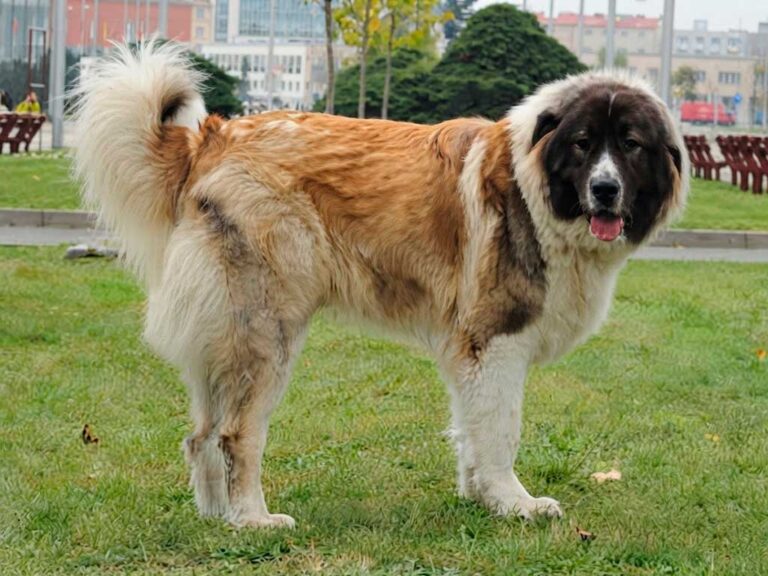
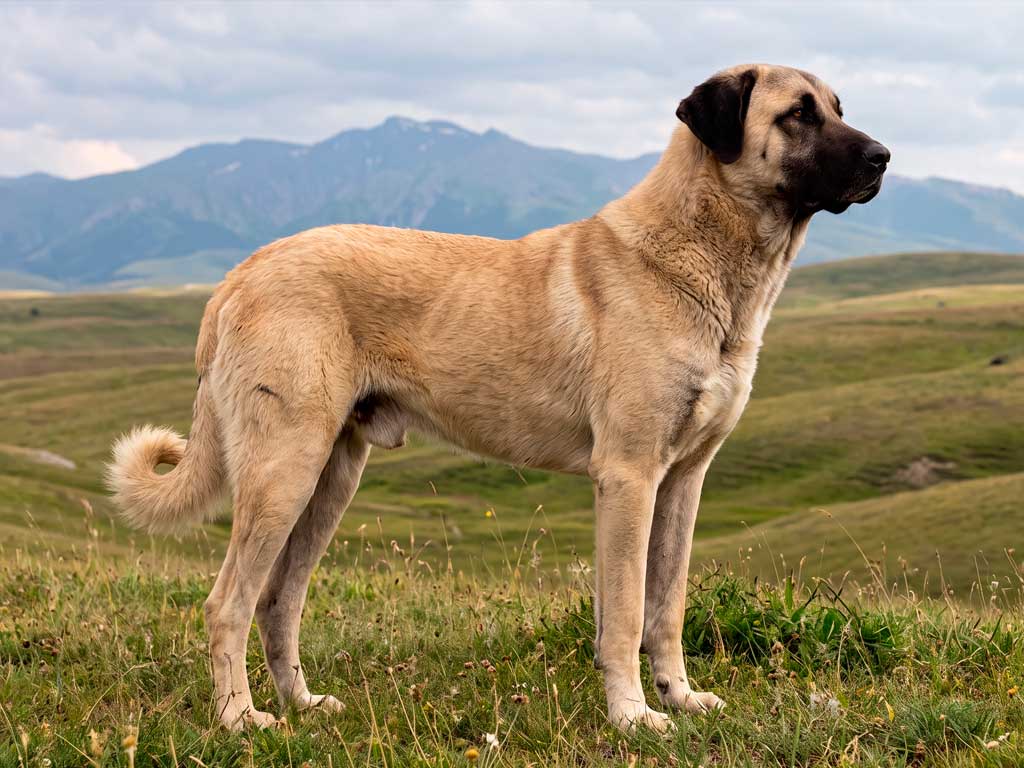
Male Anatolian Shepherds stand between 29 and 32 inches tall, while females measure 28 to 31 inches. This makes the breed genuinely giant-sized, not just large.
Weight ranges widely too. Males typically weigh 110 to 141 pounds, while females fall between 90 and 130 pounds.
The coat stays short and dense, appearing in nearly any color. Some dogs show a distinctive black mask around the muzzle and ears, while others display light or dark fawn combined with white.
Temperament and Personality
This breed’s working history remains alive today. The Anatolian Shepherd stays naturally territorial, independent, and remarkably intelligent.
Because of these strong protective instincts, early and thorough socialization becomes essential. Patient, consistent training gives you any real chance of managing this breed once it reaches adulthood.
Additionally, secure fencing matters enormously. Make sure your yard has no escape routes and a genuinely tall fence, since a bored Anatolian Shepherd can quickly turn destructive.
Care Guide
Diet and Nutrition
Giant-breed dogs like the Anatolian Shepherd carry a massive appetite alongside a nutrient balance different from smaller dogs, particularly for joint and cartilage support. Choose a formula built specifically for giant breeds whenever possible.
This breed also shows a tendency toward bloat and other stomach issues. Smaller, more frequent meals throughout the day can help minimize that risk significantly.
Exercise Requirements
Surprisingly, the Anatolian Shepherd doesn’t need excessive exercise for its size. A daily two-hour walk keeps this breed content and well-balanced.
Walking suits this dog especially well, since its working ancestors covered enormous distances alongside nomadic shepherds. Long, steady walks tap directly into that inherited instinct.
Grooming Needs
Historically, this coat protected livestock guardians through brutal Turkish winters and scorching summers. The short, dense coat sits over a thick undercoat built for extreme weather.
Weekly or twice-weekly brushing handles most maintenance needs. However, expect significant shedding during seasonal coat blows, when brushing frequency should increase.
Training and Education
Training an Anatolian Shepherd requires patience and consistency from day one. This breed’s independent streak means it won’t blindly follow commands the way more eager-to-please breeds do.
Positive reinforcement works better than force here. Harsh handling tends to make an already strong-willed dog even more resistant to direction.
Socialization deserves special focus during puppyhood. Exposing this breed early to different people, animals, and situations helps its natural guarding instincts stay appropriately calibrated rather than becoming excessive.
Health and Longevity
The Anatolian Shepherd typically lives between 10 and 13 years. Overall, this breed counts as fairly hardy compared to other giant breeds.
Still, hip dysplasia remains a known concern, as it is with many large breeds. Hip screening before any breeding decision helps reduce the risk of passing this condition to puppies.
This article is for general educational purposes only and doesn’t replace professional veterinary advice. Always consult your veterinarian about your dog’s specific health needs.
Is This the Right Dog for You?
The Anatolian Shepherd suits experienced owners with secure property and genuine livestock or guardian needs. Rural properties with room to patrol tend to bring out the best in this breed.
On the other hand, first-time owners or those in apartments should think very carefully. A giant, independent guardian breed doesn’t adapt well to small spaces or inexperienced handling.
Frequently Asked Questions (FAQs)
Is an Anatolian Shepherd a good family dog? Yes, for experienced families with secure property. Early socialization with children makes a significant difference in how the dog behaves as an adult.
How much exercise does an Anatolian Shepherd need? Roughly one to two hours of daily walking suits this breed well, less than many other large working breeds require.
Does an Anatolian Shepherd drool a lot? Yes, expect heavy drooling as a normal trait of this breed, particularly after eating or drinking.
Are Anatolian Shepherds easy to train? Not particularly. Their independent nature demands patience, consistency, and experience handling strong-willed guardian breeds.
What’s the difference between an Anatolian Shepherd and a Kangal? In Turkey, Kangal refers to a specific regional type of the same guardian dog family. Outside Turkey, “Anatolian Shepherd” often covers the broader breed.
Start with secure fencing and early socialization before anything else. Those two factors matter more than any other decision you’ll make with this breed. For more livestock guardian and working breed guides, check out our Belgian Malinois and Tervuren articles at Happy Pet Zone.