Spanish Mastiff: The Complete Guide to This Gentle Giant Guardian
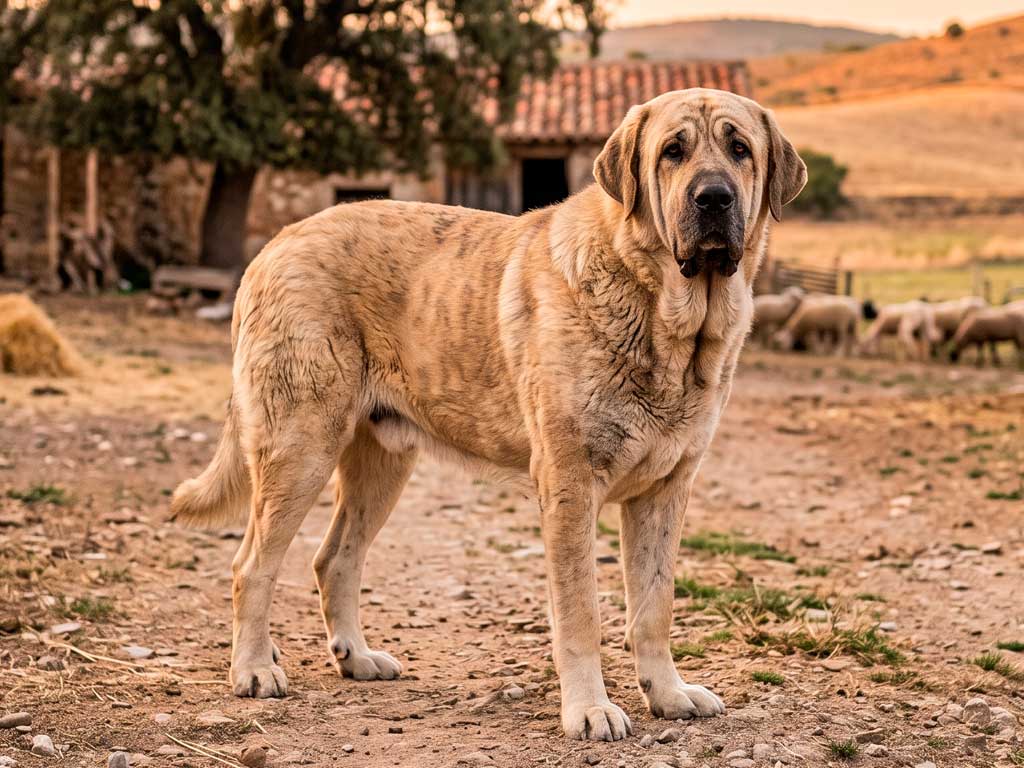
The Spanish Mastiff is one of the oldest guardian breeds in Europe, and its size alone can stop you in your tracks. In this guide, you’ll learn everything about its history, temperament, and daily care, from grooming schedules to the health issues every giant-breed owner should watch for. We’ve researched veterinary sources and breed standards to bring you accurate, practical advice. By the end, you’ll know exactly whether this calm but colossal companion belongs in your home.
History and Origin
Shepherds in Spain relied on this breed for centuries to protect their flocks from wolves. The Spanish Mastiff traveled alongside livestock during transhumance, the seasonal journey between summer and winter pastures.
Consequently, the breed developed incredible endurance and a strong protective drive. It needed to guard sheep across long distances and harsh terrain without direct human supervision.
Today, the Spanish Mastiff remains a favorite in rural Spain. Farmers still trust it to watch over property and livestock, a role it has filled for generations.
Physical Characteristics
Size defines this breed. Males stand at least 78 cm (31 inches) at the shoulder, while females reach a minimum of 72 cm (28.5 inches).
Weight typically ranges from 50 to 70 kg, depending on sex and build. Meanwhile, a broad, powerful head and expressive eyes give the Spanish Mastiff its noble, calm expression.
The coat is dense and semi-long, built to handle extreme weather. You’ll find it in fawn, brindle, black, and white color combinations, often with solid or two-tone patterns.
Because of this thick coat, drooling and shedding are part of the package. Prospective owners should prepare for both.
Temperament and Personality
Calm, loyal, and deeply protective best describe the Spanish Mastiff’s core personality. It bonds tightly with its family and shows remarkable patience, even around children.
Strangers, however, receive a more cautious welcome. The dog tends to stay reserved rather than friendly with unfamiliar people, though genuine aggression without cause is rare.
This watchful nature comes from its guardian heritage. Its deep, powerful bark alone is often enough to discourage intruders or predators.
Despite its guardian instincts, the Spanish Mastiff isn’t hyperactive indoors. It prefers a relaxed pace and enjoys settling near its people rather than constant activity.
Care Guide
Diet and Nutrition
Large and giant breeds need food formulated specifically for their size. Look for a complete diet designed to support joint health and steady, controlled growth in puppies.
Portion control matters too, since obesity puts extra strain on a big dog’s joints. Always consult your veterinarian to determine the right amount and type of food for your dog’s age and activity level.
Exercise Requirements
One to two hours of daily walking keeps a Spanish Mastiff healthy and content. Gentle, steady walks suit this breed far better than intense or high-impact activity.
Puppies especially need controlled exercise. Overexertion during growth can stress developing joints and bones.
Grooming Needs
Weekly brushing keeps the semi-long coat free of tangles and loose hair. During shedding season, increase brushing frequency to manage the extra volume.
Additionally, check ears and skin folds regularly for signs of irritation. Routine grooming sessions also give you a chance to spot lumps or health changes early.
Training and Education
Positive reinforcement works best with this intelligent but somewhat independent breed. Harsh corrections tend to backfire, while consistent rewards build trust and cooperation.
Early socialization is essential, ideally starting in puppyhood. Introduce your Spanish Mastiff to different people, animals, and environments to prevent excessive wariness later in life.
Patience pays off here. This breed learns well but processes commands at its own pace, so short, consistent sessions work better than long, repetitive ones.
Health and Longevity
Spanish Mastiffs typically live between 10 and 12 years. As with most giant breeds, hip dysplasia and other joint conditions are common concerns to monitor.
Regular veterinary checkups help catch problems early, particularly as your dog ages. This article offers general guidance only, so always consult a licensed veterinarian for advice specific to your dog’s health.
Is This the Right Dog for You?
Space matters more than almost anything else with this breed. A large garden or rural property suits the Spanish Mastiff far better than a small apartment.
Experience helps too. Owners who understand large-breed training and socialization tend to have the smoothest results with this powerful, independent-minded dog.
Families with children often do well with a Spanish Mastiff, thanks to its patience and protective instincts. However, supervision around young kids and other pets is still wise, especially early on.
Frequently Asked Questions
Is the Spanish Mastiff good with children?
Yes. This breed is known for its patience and gentle nature around kids, making it a popular choice for families with adequate space.
Does it need a lot of exercise?
Not excessively. Moderate daily walks, around one to two hours total, keep this breed satisfied without overexertion.
Is the Spanish Mastiff hard to train?
Not particularly, as long as you use positive reinforcement. Its intelligence helps, though its independent streak means training requires patience.
Can it live in an apartment?
Generally, no. Its massive size calls for ample space to move freely, so a house with a yard or rural setting works far better.
How much does a Spanish Mastiff drool?
Quite a bit. Heavy drooling is common in this breed, so owners should be prepared for regular cleanup, especially after eating or drinking.
If you’re drawn to giant guardian breeds, start by evaluating your living space first. It’s the single biggest factor in whether a Spanish Mastiff thrives in your home. For more on choosing the right giant breed for your family, check out our other large dog breed guides on Happy Pet Zone.