Clumber Spaniel: Breed Facts, Care Tips, and Temperament Explained
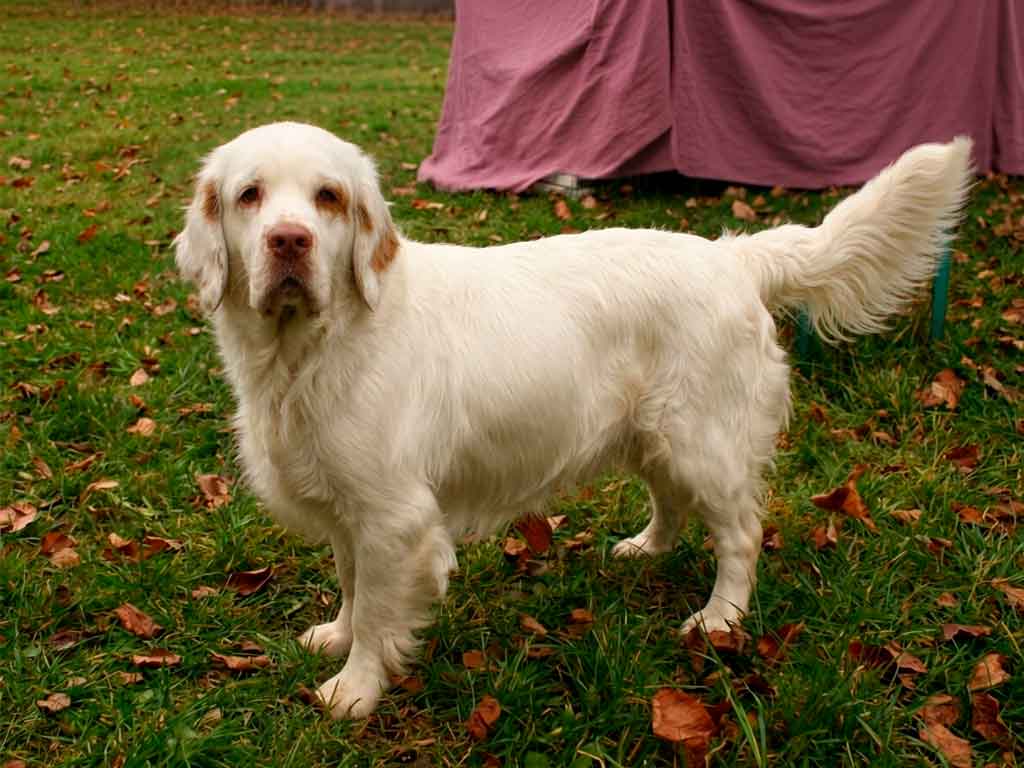
The Clumber Spaniel is a British flushing dog, and the FCI files it in Group 8, section 2, with a working trial required. The standard gives no height at all, only a weight: 29.5 to 34 kg (65 to 75 lb) for a dog and 25 to 29.5 kg (55 to 65 lb) for a bitch. The colour is a plain white body with or without lemon markings, orange permissible, and a freckled muzzle tolerated.
It is the heaviest and the slowest of the spaniels, and the standard says so without embarrassment: his pace of working is more leisurely than that of other Spaniels. It suits a household that wants a steady companion for gentle days. Look elsewhere if you want a dog that runs all afternoon.
A Story the Club Calls Fanciful
The famous origin story involves the French Revolution, the Duc de Noailles and a gift of dogs to the Duke of Newcastle at Clumber Park. It is a good story, and the breed club itself calls it wonderful but fanciful: no gift or sale appears in either duke’s papers, and what the records do show is dogs imported from the Continent in the 1760s.
What is documented is the job. The Clumber was developed as a slower spaniel for the thick undergrowth of Sherwood Forest, working close and quietly, and the old accounts add a detail that explains the breed’s shape: it was not required to retrieve, only to flush.
| Feature | Clumber Spaniel |
|---|---|
| FCI group | Group 8, flushing dogs |
| Official use | Flushing dog |
| Working trial | Required |
| Height | Not stated in the standard |
| Weight | Males 29.5 to 34 kg (65 to 75 lb), bitches 25 to 29.5 kg (55 to 65 lb) |
| Coat | Dense, straight, weather-resistant |
| Colour | White, with or without lemon or orange markings |
A short clip of the Clumber Spaniel that gives a sense of how the breed carries its weight and moves at its own unhurried pace.
The Spaniel That Works at a Walk
The temperament clauses are unusually warm for a modern standard: stoical, great-hearted and highly intelligent, with a determined attitude that enhances his natural ability. He is described as a silent worker with an excellent nose, steady, reliable, kind and dignified, and more aloof than other spaniels.
That combination is the whole breed. A Clumber is not a dog that needs to be first to the bird; it is a dog that will work a thicket at a pace its owner can follow, for hours, without noise.
The aloofness matters at home as well. This is a spaniel that likes its people and does not fall over strangers, which makes it calmer in a busy house than a springer and slower to warm to visitors.
PDP1, the Exhaustion Gene
The breed’s most specific health problem is one most owners have never heard of. A null mutation in the PDP1 gene causes pyruvate dehydrogenase phosphatase deficiency, and a 2007 study found that about 20% of the Clumber and Sussex Spaniel population are carriers.
A carrier is healthy. A dog with two copies has severe exercise intolerance, and that is the part a buyer needs to hear: a puppy that cannot keep up, that collapses or trembles after ordinary play, may not be lazy or unfit.
The test exists, and the maths is simple. Two carriers produce affected puppies, so two clear parents are the only combination that removes the risk.
In the House
The Clumber is a big, heavy, slow-moving spaniel with a serious face and a fondness for comfort.
| Situation | What to expect |
|---|---|
| A visitor at the door | A wag and a slow approach, and no bark |
| Children of the family | Gentle and tolerant, and heavy enough to sit on a small one |
| Another dog | Usually easy, because this is not a breed that picks fights |
| A cat or a rabbit | A chase is possible, at Clumber speed |
| A day alone | Tolerated, provided the dog has had its walk |
The Health List
Hips are the first item, and the breed has a real record here: the Clumber Spaniel Club reports a breed median Kennel Club hip score of 12 over fifteen years, falling to 11 over the last five, which is improvement rather than perfection.
Eyes are the second. A 2025 study put the annual prevalence of entropion in the breed at 6.34%, the fifth highest of any breed and over thirty times the risk in crossbreeds. Entropion is an eyelid that turns in and rubs the eye, and it hurts.
PDP1 comes third, and the shape itself is the fourth item. A heavy, low, deep-chested spaniel is a dog that overheats, snores and finds stairs a project, and none of that is a disease, but all of it is management.
Bloat is the emergency, and the breed is deep-chested. A dog that retches and brings nothing up, and cannot lie down comfortably, needs a vet the same day.

Lemonade Pet Insurance
Explore customizable pet insurance coverage and learn whether Lemonade is the right fit for your dog or cat.
- Customizable coverage options
- Online policy management
Coat, Ears, and Drool
The Coat Is a Weathercoat
Dense, straight and heavy, with feathering on the ears, legs and tail. A brush twice a week and a comb behind the ears is the whole routine.
The Ears Are the Job
The leathers are long, heavy and warm, and a damp canal is an ear infection waiting. Look inside twice a week and dry after a swim.
The Drool Is Real
A Clumber drools, and the standard’s own phrase for the face, with its heavy flews, explains why. A cloth by the water bowl is part of the furniture.
Training a Steady Spaniel
The breed is intelligent, willing and slow, and it learns best at its own pace. Short sessions, food and a calm voice work; a trainer who wants speed will be disappointed and the dog will be confused.
Recall is usually good by spaniel standards, and the nose can still overrule it. A long line in the first year is the practical tool.
Socialisation matters because the breed’s aloofness can harden into shyness. By four months the window has mostly closed, and a puppy that met a hundred people by then grows into a steadier adult.
Feeding a Heavy Spaniel
Two weighed meals, and the bowl is lifted once the dog walks away, because a deep chest and a gulped dinner are a bad combination.
This is a breed that puts on weight easily and carries it on short legs and a long back. The ribs should be findable under the coat, and the waist should still exist when the dog is seen from above.
Nothing strenuous for an hour before or after eating, and water down all day.
Shop for Your Breed

Just Food For Dogs – Fresh Frozen
Fresh meals. Gently cooked, then frozen to lock in nutrients. 100% Human Grade Ingredients. Gently Cooked in the USA. #1 Vet-Recommended Fresh Food.
Shop on JustFoodForDogs
Raw Paws Pet Food – Frozen Raw Pet Food
Feeding your pet a frozen raw pet food diet is a simple way to deliver real, whole-food nutrition in its most natural form.
Shop on RawPawsPetFood
Bravecto Chews for Dogs
Bravecto is a long-lasting flea and tick protection option for your dog. 1 dose of Bravecto chew provides up to 12 weeks of powerful protection, which is nearly 3 times longer than a monthly treatment.
Shop on BestVetCare.com
Deworming Treatments for Dogs
BestVetCare offers you a wide range of worm treatments which come in a variety of forms such as oral paste, tablets, granules, and liquid solutions.
Shop on BestVetCare.comHappyPetZone participates in various affiliate programs with brands and retailers. We may receive a commission on purchases made through our links, at no extra cost to you.
The Decision
| What it asks | What you get |
|---|---|
| A calm household and gentle walks | A steady companion that asks for little |
| PDP1 results on both parents | A puppy that will not collapse after play |
| Hip scores and an eye check | A dog whose two known risks are known |
| Tolerance for drool and hair | A spaniel that suits the sofa |
| Acceptance that it is not a running dog | The slowest, kindest gundog in the house |
If that sounds like your household, the dog breeds hub lists the rest.
The Other Spaniels
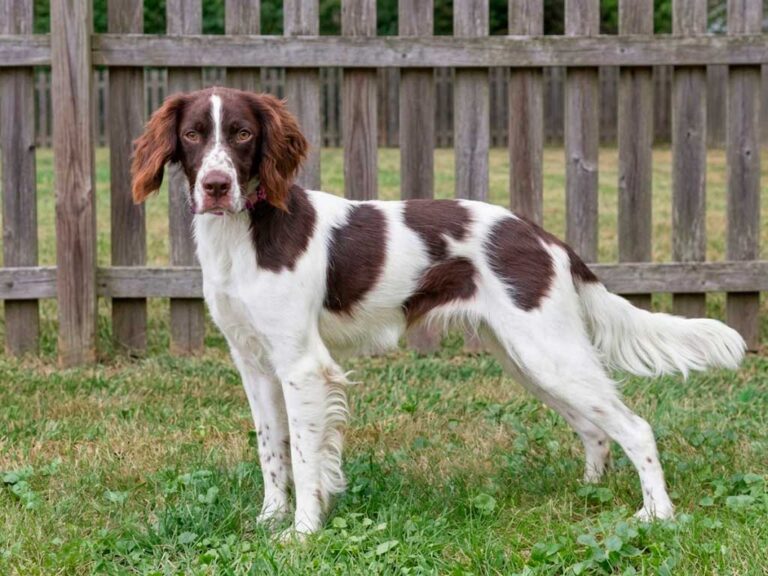
- The English Springer Spaniel is the working spaniel most people picture, faster, busier and far more driven.
- The English Cocker Spaniel is smaller, merrier and just as willing.
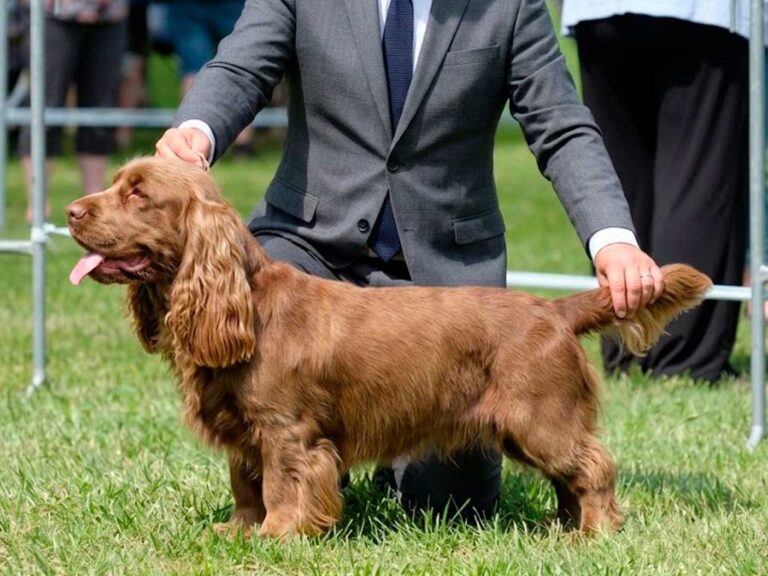
- The Sussex Spaniel is the Clumber’s closest relative and shares the PDP1 mutation.
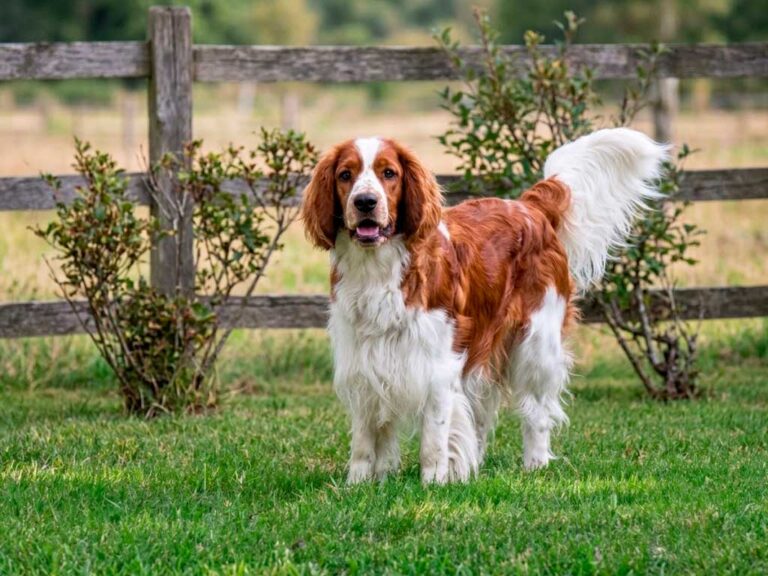
- The Welsh Springer Spaniel is the red-and-white one, and the most velcro of the four.
Frequently Asked Questions
Sources
- Fédération Cynologique Internationale, Clumber Spaniel breed standard No. 109, full text (2026).
- Clumber Spaniel Club, hip dysplasia and breed hip scores (2026).
- O’Neill, D. G. et al., Entropion in dogs: breed prevalence, PLOS ONE (2025).
- Cameron, J. M. et al., PDP1 deficiency in Clumber and Sussex Spaniels, Molecular Genetics and Metabolism (2007).