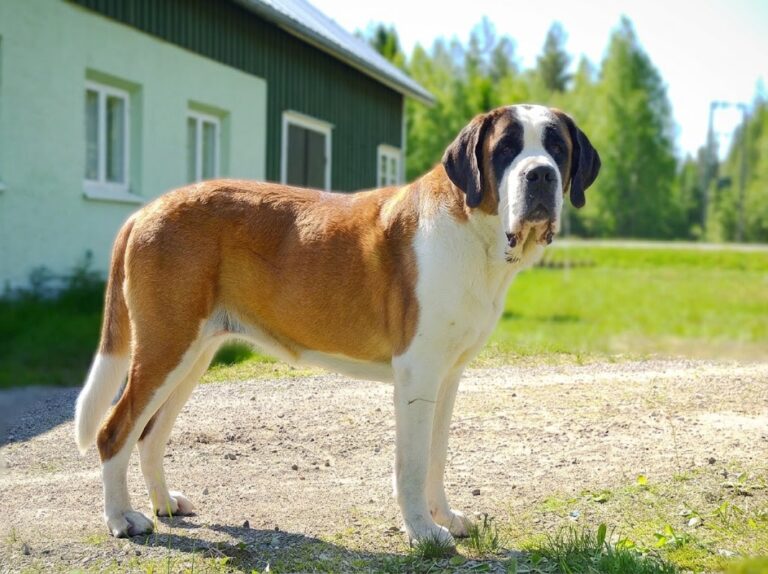
Sussex Spaniel Breed Guide: The Rare Hunter With a Nose for Trouble

The Sussex Spaniel has a serious-looking face, a sturdy body, and a nose that can keep it busy for a long time. Bred to work through dense undergrowth while hunting, this rare British spaniel still carries many of the traits that made it useful in the field.
It can be affectionate and relaxed at home, but it also has a mind of its own and a voice you may hear when it catches an interesting scent.
If you are considering a Sussex Spaniel, it helps to look beyond its unusual appearance. You will need to make time for daily walks, positive training, regular coat care, and routine veterinary visits. Finding a responsible breeder may take patience, too, because the breed has relatively few registrations.
Sussex Spaniel Quick Facts
| Trait | Details |
|---|---|
| Breed group | Sporting Group (AKC) |
| Origin | Sussex, England |
| Size | Medium, low-set and sturdy |
| Coat | Abundant, flat or slightly wavy |
| Coat color | Rich golden-liver |
| Temperament | Affectionate, steady, independent and sometimes vocal |
| Exercise | Regular daily walks, sniffing and age-appropriate activities |
| Grooming | Several brushing sessions per week, with regular ear checks |
| Training | Patient, reward-based training |
| Common health concerns | Hip dysplasia, intervertebral disc disease, ear infections and heart conditions |
| Best suited for | Owners who can provide company, training, grooming and daily activity |
Why Is the Sussex Spaniel So Rare?
The Sussex Spaniel comes from Sussex, a county in southern England. The breed was developed as a working spaniel that could move through thick vegetation and flush game for hunters. Its short legs, substantial frame, and deliberate movement suited that job.
The American Kennel Club recognizes the breed as part of its Sporting Group. It was among the early breeds recognized by the AKC, but it has never become as common as several other spaniels. The Sussex Spaniel Association continues to describe it as a vulnerable native breed because registration numbers remain low.
That rarity matters if you want a puppy. You may have to wait for a suitable litter, travel to meet a breeder, or spend more time checking health records and breeding practices. Avoid rushing into a purchase just because a puppy is available immediately.
A reputable breeder should be willing to explain the breed’s health history, provide relevant veterinary records, and answer questions about the parents’ temperament. Ask about screening for heart problems and the inherited condition associated with the PDP1 gene, which breed organizations identify as an important consideration.
Sussex Spaniel Temperament: Affectionate, Stubborn, and Vocal
The Sussex Spaniel is generally described as friendly, affectionate, and even-tempered. Its heavy brows can make it look rather solemn, but that expression does not tell you much about its mood. Breed descriptions portray a cheerful dog that enjoys life with its family.
There is an independent streak, though. A Sussex Spaniel may need more repetition than a dog that naturally responds to every cue. Harsh handling can undermine training, so reward-based methods are a better starting point. Use small treats, praise, toys, and short sessions that finish before the dog loses interest.
Why Does the Sussex Spaniel Make So Much Noise?
The breed was developed to flush game from cover, and its habit of vocalizing while following a scent is part of its working background. Some Sussex Spaniels are quite chatty, especially when excited or tracking something outdoors.
This can be a challenge in an apartment or a home with noise-sensitive neighbors. It does not mean every Sussex Spaniel will bark constantly, but it is worth discussing with a breeder and asking about the temperaments of the puppy’s parents.
You can teach useful habits from an early age. Reward calm behavior, provide enough activity, and avoid shouting over barking, which may simply add more noise to the situation. If barking suddenly increases or seems linked to distress, a veterinarian or qualified behavior professional can help identify the cause.
Training a Sussex Spaniel to Come When Called
A strong nose can make outdoor training harder. When a Sussex Spaniel finds an interesting scent, it may become absorbed in following it. Start recall training in a quiet, enclosed area and reward your dog generously for turning toward you and returning.
A long training line can give you more control in open spaces while your dog learns. Keep your Sussex Spaniel on a lead near roads or in other unsecured areas until you can manage it safely. Even a well-trained dog can become distracted by wildlife.
Scent games are another useful option. Hide a few treats around a room or garden, then encourage your dog to search for them. You can also use food puzzles and short tracking activities. These give the dog an appropriate outlet for a natural behavior instead of expecting it to ignore every scent it encounters.
How Much Exercise Does a Sussex Spaniel Need?
A Sussex Spaniel needs regular daily exercise, but the amount should suit its age, fitness, and health. Adult dogs often enjoy walks, play, swimming where safe, and opportunities to explore new smells. Puppies need a gentler approach while their bodies are developing.
A practical routine might include:
- A daily walk: Let your dog sniff and explore at a comfortable pace.
- Short training sessions: Practice recall, loose-leash walking, and simple cues.
- Indoor enrichment: Use food puzzles or scent games on rainy days.
- Relaxation time: Give your dog a quiet place to rest after activity.
Do not assume that more exercise is always better. Sussex Spaniel puppies should be allowed to play at their own pace rather than pushed into long runs, repetitive jumping, or strenuous workouts. Ask your veterinarian when it is appropriate to introduce more demanding activities as your dog matures.
An adult Sussex Spaniel may be happy to relax at home after a walk, but a lack of stimulation can lead to unwanted behavior. If your dog starts chewing household items, digging, or barking more than usual, review its routine before assuming it is simply being difficult.
Feeding a Sussex Spaniel and Managing Bloat Risk
Choose a complete and balanced dog food that suits your Sussex Spaniel’s age and needs. Puppies, adults, and senior dogs may require different diets. The right portion depends on the food’s calorie content, your dog’s activity, and its body condition, so follow the feeding guidance on the package and adjust with your veterinarian’s help.
Measure meals rather than estimating them by eye. Check your dog’s body shape regularly, and ask your vet if you are unsure whether its weight is appropriate. Fresh water should always be available.
Bloat, or gastric dilatation-volvulus (GDV), is a potentially life-threatening emergency in dogs. Feeding two measured meals may suit many adult dogs, but meal timing alone cannot guarantee prevention. Ask your veterinarian about feeding practices and other risk factors that apply to your dog.
Know the warning signs. A swollen abdomen, repeated attempts to vomit without bringing anything up, marked restlessness, or sudden weakness can indicate an emergency. Seek immediate veterinary care if these signs occur. Do not wait to see whether they pass.
Avoid making sudden changes to your dog’s diet. If you want to switch foods, ask your vet how to do so gradually, especially if your dog has a sensitive stomach or an existing medical condition.
Grooming: Coat, Ears, and Paws
The Sussex Spaniel has an abundant coat that is generally flat or slightly wavy, with feathering on parts of the legs and longer hair around the ears. Its rich golden-liver color is one of the breed’s distinctive features. The coat needs regular brushing to remove loose hair and prevent tangles.
A manageable grooming routine includes:
- Brush several times a week. Pay attention to the ears, feathering, and areas where friction can cause tangles. Use a brush or comb that suits the coat and work gently through knots.
- Check the ears regularly. Long, hanging ears can trap moisture and debris. Look for redness, odor, discharge, or persistent scratching. These signs deserve a veterinary check rather than repeated cleaning at home.
- Keep the feet tidy. Check between the toes after walks for mud, small stones, and plant material. Trimming the hair around the bottoms of the feet can help prevent slipping.
- Trim the nails when needed. Overgrown nails can affect comfort and movement. If you are unsure how far to trim, ask a groomer or veterinary professional to show you.
The coat should not be shaved down as a routine grooming measure. Regular brushing and occasional professional grooming, if needed, are usually a better way to maintain it.
Sussex Spaniel Health: Conditions to Discuss With Your Vet
The Sussex Spaniel can live a healthy life, but no breed is free of health risks. Conditions reported in breed references include hip dysplasia, intervertebral disc disease, ear infections, and heart problems. Bloat is another concern worth discussing with your veterinarian.
The breed’s long, low body makes it sensible to pay attention to movement and signs of back discomfort. Contact your veterinarian if your dog develops stiffness, reluctance to move, difficulty getting up, or sudden pain. Do not try to diagnose a spinal problem at home.
Ear infections also deserve prompt attention. Head shaking, a strong odor, redness, or discharge may signal a problem. Avoid putting cleaners or medication into an irritated ear unless your veterinarian has advised you to do so.
When speaking with a breeder, ask:
- What health checks have been performed on the parents?
- Have there been heart problems or spinal issues in the family?
- Has the puppy been screened for relevant inherited conditions?
- Can the breeder provide veterinary records and explain the results?
A health test does not guarantee that a puppy will never develop a condition. It does give you better information to make a careful decision.
This guide offers general breed information, not a diagnosis or a substitute for veterinary advice. Consult your veterinarian about your individual dog’s health, exercise, diet, and preventive care.
Is the Sussex Spaniel a Good Family Dog?
A Sussex Spaniel can be a devoted family companion. Its affectionate temperament may suit a home where people enjoy daily walks and are willing to make time for training and grooming. The breed’s energy level and personality still vary between individual dogs, so spend time with the breeder’s adult dogs if possible.
With children, teach gentle handling and supervise interactions, particularly with young children and puppies. Give the dog a quiet space where it can rest without being disturbed.
The breed may live with other dogs, and some can adjust to cats, but introductions should be managed carefully. Its hunting background means you should not assume that every Sussex Spaniel will be safe around small pets. Use secure barriers and supervision, and seek professional guidance if you see chasing or other concerning behavior.
Before bringing one home, consider your own routine. Can you provide regular walks, training, grooming, and company? Are you comfortable living with a dog that may vocalize when excited? Those everyday details will matter more than the fact that the breed is rare.
Finding a Sussex Spaniel Puppy
Because Sussex Spaniels are uncommon, finding a suitable puppy may take time. Start with established breed organizations and ask for advice about responsible breeders or rescue options. Be prepared to wait rather than choosing a puppy simply because it is available.
A responsible breeder should be willing to talk openly about health, temperament, socialization, and the needs of the breed. You should be able to see the puppy with its mother when appropriate, review veterinary records, and ask questions without feeling pressured to pay a deposit immediately.
Be cautious if a seller offers to ship a puppy without a proper conversation, refuses to provide health information, or insists on a quick decision. A low advertised price does not necessarily mean a good deal, and a high price does not prove that a breeder is responsible.
Frequently Asked Questions
Is the Sussex Spaniel Right for You?
The Sussex Spaniel may be a good match if you want an affectionate, sturdy companion and enjoy spending time outdoors with your dog. You will need patience with training, a regular grooming routine, and a realistic plan for daily activity. Its vocal nature and strong interest in scents also deserve consideration before you bring one home.
If you are comparing spaniel breeds, read our guides to the American Cocker Spaniel and Field Spaniel. Their needs and temperaments differ, and comparing them can help you decide which breed is the best fit for your household.
You can also explore our guide to naturally vocal dog breeds or browse more dog breeds before making a decision.