Smooth Coat Chow Chow: Everything You Need to Know Before Getting One
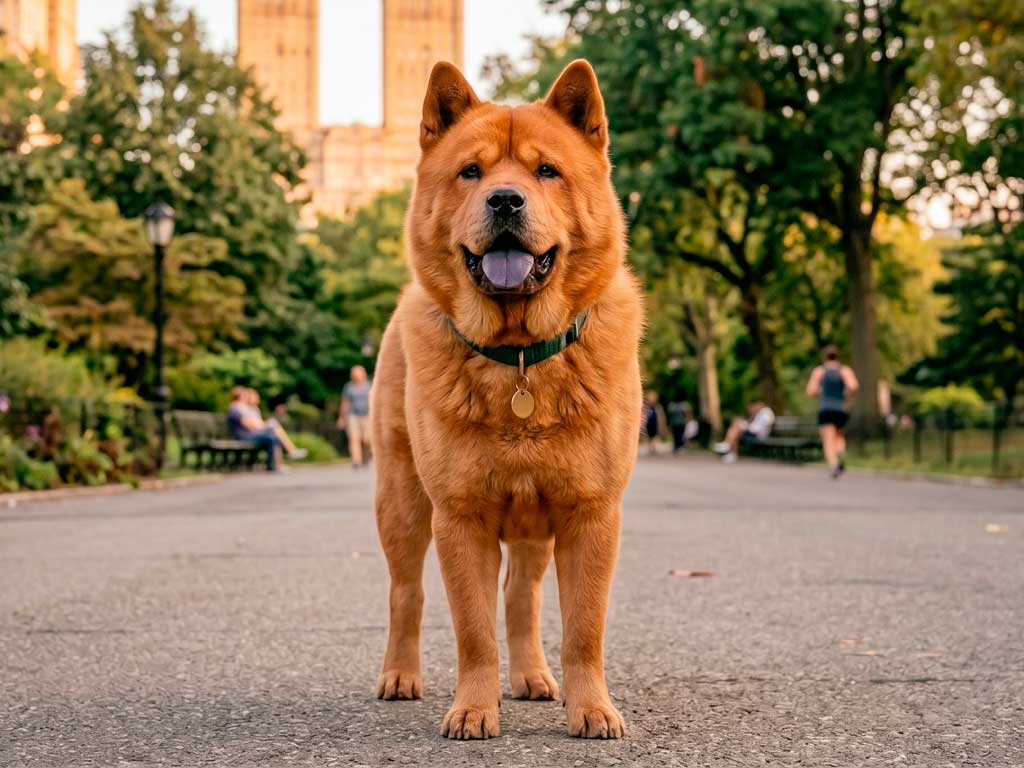
The smooth coat Chow Chow is one of the most ancient, mysterious, and misunderstood dog breeds on the planet. If you’re considering bringing one home, this article covers everything — from their 3,000-year-old history to their unique health needs and notoriously independent personality.
Here’s what makes this breed so different: a black-blue tongue, deep-set eyes with limited peripheral vision, and a cat-like temperament wrapped in a bear-shaped body. By the end of this article, you’ll know exactly whether the smooth coat Chow Chow is the right dog for your lifestyle.
History and Origin of the Smooth Coat Chow Chow
The Chow Chow’s origins are shrouded in mystery — and that’s part of what makes the breed so fascinating.
Most historians trace the breed back to Mongolia and Manchuria, where it served as a hunting and working dog before being introduced to China. Some evidence suggests the Chow Chow has existed since as early as the 11th century BC, making it one of the oldest dog breeds in the world.
In ancient China, Chow Chows weren’t just pets. They guarded Buddhist temples, pulled sleds, hauled carts, and assisted aristocrats on hunting expeditions. According to historical records, a Chinese emperor of the 8th century kept a kennel of 5,000 Chow Chows, cared for by 10,000 hunters.
The breed is also believed to be an ancestor of the Spitz family of dogs, including the Samoyed, Keeshond, and Pomeranian.
The smooth coat variety is genetically identical to the rough (long) coat Chow Chow. The only difference is the coat length — the smooth variety has a shorter, denser coat that requires less daily maintenance.
Physical Characteristics
The smooth coat Chow Chow is compact, square-built, and powerfully constructed.
Key physical stats:
- Height: 46–56 cm (males); 46–51 cm (females)
- Weight: 26–32 kg (males); 20–25 kg (females)
- Lifespan: 12–15 years
- Colors: Red, black, blue, cream, cinnamon/fawn
One of the breed’s most distinctive features is its blue-black tongue — a trait shared with only a handful of other animals, including polar bears and giraffes. This characteristic is unique and a reliable identifier of the breed.
The smooth coat itself is dense and close-fitting, with a softer undercoat beneath the harder outer layer. Unlike the rough variety, the smooth coat doesn’t form the distinctive “mane” around the neck. However, it still offers excellent protection against cold weather.
Another notable physical feature: deep-set eyes that give the Chow Chow limited peripheral vision. This is important to understand — always approach this breed from the front to avoid startling them.
The Chow Chow’s tail curves over the back, and the inside of the mouth, gums, and lips all share that characteristic blue-black pigmentation. They also have 44 teeth — two more than most other dog breeds.
Temperament and Personality
Let’s be direct: the smooth coat Chow Chow is not the right dog for everyone.
This is a reserved, independent, and deeply loyal breed. Chow Chows tend to bond strongly with one person or a small family group, and they can be aloof — even cold — toward strangers. Don’t mistake this for aggression; it’s simply the breed’s character.
What Chow Chow owners often describe:
- Cat-like independence and self-sufficiency
- Fierce loyalty to their primary person
- Low tolerance for rough handling or unexpected approaches
- Minimal barking, but will vocalize when they sense a threat
Early socialization is absolutely critical. Chow Chows that grow up exposed to children, cats, and other pets from puppyhood are far more adaptable and well-mannered. Those raised in isolation often develop territorial or suspicious behavior that’s difficult to correct later.
Breeders have made significant strides in improving temperament over recent decades. Many Chow Chows with behavioral problems simply weren’t properly socialized as puppies — it’s not an inherent flaw of the breed.
This is a quiet dog that doesn’t demand constant attention. However, it will serve as a reliable watchdog — alert, observant, and naturally protective.
Care
Diet and Nutrition
The smooth coat Chow Chow does well on a high-quality commercial dog food formulated for large breeds. Because this breed is prone to weight gain, portion control matters.
Key feeding principles:
- Feed twice daily rather than one large meal
- Follow the feeding guidelines on your chosen food’s packaging
- Always provide fresh water at all times
- Monitor body condition regularly — you should be able to feel (but not see) the ribs
Given the Chow Chow’s susceptibility to hip and elbow dysplasia, foods that support joint health — containing glucosamine, chondroitin, and omega-3 fatty acids — can be beneficial, especially as the dog ages. Consult your veterinarian before adding supplements.
Avoid overfeeding, particularly in puppies. Excess weight during the growth phase can place significant stress on developing joints and bones, worsening long-term orthopaedic health.
Exercise Requirements
The smooth coat Chow Chow has moderate exercise needs — not the marathon runner you might expect from a large working-breed dog.
Around one hour of exercise per day is typically sufficient. This can be split into two walks or one walk combined with some playtime in a secure garden or yard.
Here’s a critical point: don’t over-exercise Chow Chow puppies. Excessive exercise during the growth phase can cause serious bone and joint problems that manifest in adulthood. Keep puppy activity low-impact and avoid forced running or jumping until they’re fully developed (generally around 18 months).
Adult Chow Chows enjoy access to a cool outdoor space but should always have shade and shelter available. The breed doesn’t tolerate heat well — this is non-negotiable, particularly in warmer climates.
Grooming Needs
Despite being the lower-maintenance of the two coat varieties, the smooth coat Chow Chow still requires consistent grooming.
Routine:
- Brush the coat two to three times per week using a firm-bristle brush
- Bathe as needed, approximately every six to eight weeks
- Check and clean ears weekly to prevent infection
- Trim nails every three to four weeks
- Brush teeth several times per week
The smooth coat sheds moderately throughout the year, with heavier shedding during seasonal coat changes in spring and autumn. During these periods, daily brushing is recommended to manage loose hair.
Training and Education
Training a Chow Chow requires patience, consistency, and a calm but firm approach.
This breed is intelligent, but not motivated to please in the same way a Labrador is. Chow Chows respond best to positive reinforcement techniques — treats, praise, and short, varied training sessions work far better than repetition and correction.
What works:
- Start training and socialization from 8 weeks old
- Keep sessions short (10–15 minutes maximum)
- Use high-value rewards
- Be consistent — Chow Chows will test boundaries
What doesn’t work:
- Harsh corrections or punishment-based training
- Repetitive drills that bore them
- Expecting the same fast-response recall you’d get from a retriever
Basic obedience training is essential for this breed — not optional. A well-trained Chow Chow is a joy to live with. An untrained one can become challenging, particularly around unfamiliar dogs or people.
Health and Longevity
The smooth coat Chow Chow generally lives 12 to 15 years — a respectable lifespan for a large breed.
However, there are several health conditions prospective owners should be aware of.
Common health concerns:
- Hip dysplasia — a malformation of the hip joint that can cause pain and mobility issues; hip scoring of breeding dogs is essential
- Elbow dysplasia — similarly caused by abnormal joint development
- Eyelid problems — including entropion (inward rolling of the eyelids), which causes corneal irritation and may require surgery
- Thyroid issues — hypothyroidism is seen with moderate frequency in the breed
- Bloat (GDV) — as with many deep-chested breeds, gastric dilatation-volvulus is a life-threatening emergency to be aware of
Always choose a responsible breeder who health-screens their breeding dogs for hip and elbow dysplasia. Avoid breeders who promote extreme physical traits or can’t provide health certifications.
Regular veterinary check-ups — at least annually — are recommended to catch any developing conditions early.
Is the Smooth Coat Chow Chow the Right Dog for You?
The smooth coat Chow Chow is a genuinely unique breed. But it’s not a fit for every household.
This breed is a great match if you:
- Want a loyal, independent companion rather than a velcro dog
- Have experience with strong-willed breeds
- Can commit to early and ongoing socialization
- Live in a cooler climate or can provide a cool, shaded environment
- Appreciate a naturally clean, low-odour dog with moderate exercise needs
This breed may not be right for you if:
- You want an eager-to-please, highly trainable dog for competitive sports
- You have very young children who interact with dogs unpredictably
- You live in a hot climate without adequate cooling options
- You’re a first-time dog owner without access to experienced guidance
The Chow Chow rewards patient, experienced owners with a level of loyalty and quiet companionship that few breeds can match. Get the foundation right — socialization, training, and health screening — and you’ll have a remarkable companion for over a decade.
Frequently Asked Questions About the Smooth Coat Chow Chow
1. What is the difference between a smooth coat and a rough coat Chow Chow? The smooth coat Chow Chow has a shorter, denser coat that lies close to the body, while the rough coat variety has the well-known longer, fluffier fur with the distinctive mane. Both are the same breed, same temperament, and same size — the only practical difference is grooming. The smooth coat requires brushing two to three times per week, while the rough coat typically needs daily brushing.
2. Are Chow Chows good with children and other pets? They can be, but early socialization is essential. Chow Chows that are introduced to children, cats, and other dogs during puppyhood are generally accepting of them. Without proper early exposure, they tend to be territorial and suspicious. Interactions between Chow Chows and very young children should always be supervised.
3. Why does the Chow Chow have a blue-black tongue? The Chow Chow’s distinctive blue-black tongue is the result of high concentrations of pigment cells (melanocytes) in the tongue tissue. It’s a unique genetic trait shared by only a handful of animals globally. All purebred Chow Chows have this characteristic — if a dog sold as a Chow Chow has a pink tongue, it’s likely a mixed breed.
4. How much exercise does a Chow Chow need daily? Around one hour per day is sufficient for an adult smooth coat Chow Chow. This is notably lower than many other large breeds. Chow Chow puppies should be exercised much less — overexertion during growth can lead to long-term joint problems. Adult dogs enjoy outdoor time in a cool, shaded space but don’t require intense physical activity.
5. Are Chow Chows aggressive? Not inherently. However, they are reserved, independent, and protective by nature. Poorly socialized Chow Chows can exhibit territorial or reactive behavior, which is why early training and socialization from puppyhood is so important. With proper raising, most Chow Chows are calm, loyal, and manageable — though they will always be naturally aloof with strangers.
Now you know exactly what living with a smooth coat Chow Chow looks like.
Start with the right foundation: find a health-tested breeder, begin socialization at eight weeks, and stay consistent with training. Do those three things, and you’ll have one of the most unique and rewarding companions in the dog world.