Schipperke: 9 Essential Facts About This Clever Dog
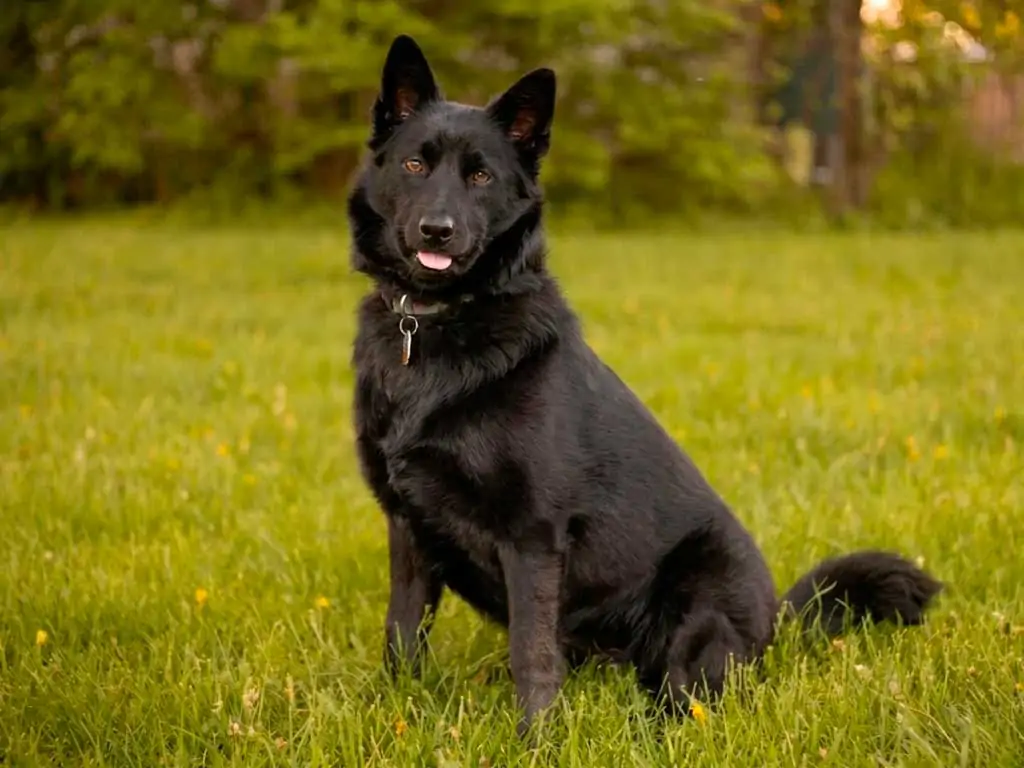
Thinking about bringing a Schipperke into your home? This small Belgian dog has a big personality, a sharp mind, and a watchdog instinct that can surprise even experienced owners.
The Schipperke is an energetic companion that thrives with regular activity, consistent training, and opportunities to investigate its surroundings. Its compact size can suit apartment living, but its need for stimulation deserves serious consideration.
This guide covers temperament, size, grooming, exercise, nutrition, health, and the costs of responsible ownership.
Schipperke at a Glance
- Origin: Belgium
- Size: small; commonly around 10–13 inches tall
- Typical weight: approximately 10–16 pounds
- Coat: dense double coat, usually black
- Temperament: alert, curious, confident, and independent
- Life expectancy: around 12–16 years
- Daily needs: exercise, mental enrichment, brushing, and training
A Schipperke is small enough for many homes, yet energetic enough to keep an owner busy. Suitability depends more on your daily routine than on the size of your living space.
1. Where Does the Schipperke Come From?
The Schipperke originated in Belgium, where small, agile dogs worked around canal boats, workshops, and urban businesses. They helped control rats and other vermin while alerting people to unfamiliar activity. The breed became associated with Belgian barge life, and its name is often interpreted as “little skipper” or “little boatman.”
During the late 19th century, the Schipperke gained wider recognition beyond Belgium. Queen Marie Henriette of Belgium helped popularize the breed, and interest spread outside its original working environment.
That background explains much of the modern dog’s behavior. Schipperkes tend to be watchful, quick to investigate unusual sounds, and determined to understand what is happening around them. Scent games, obedience, trick training, and supervised exploration give that curiosity a constructive outlet.
2. What Does a Schipperke Look Like?
The Schipperke has a compact, sturdy body and a fox-like expression. Pointed ears, a small face, and an alert posture make the breed easy to recognize. Although small, it should look solid and balanced rather than delicate.
Size and weight
Most Schipperkes stand approximately 10–13 inches tall, depending on sex and the registry standard used. The American Kennel Club gives a typical weight range of 10–16 pounds. Individual dogs can vary, and a healthy body condition matters more than reaching one exact number on the scale. Ask your veterinarian to monitor puppy growth during routine visits.
Coat, color, and tail
The breed has a double coat, with a dense undercoat and a firmer outer layer. Longer hair around the neck forms a ruff, while fuller feathering appears around the back of the thighs.
Black is the familiar color associated with the breed, although accepted colors differ between registries. Check the requirements of the registry relevant to your location rather than judging a dog by color claims alone.
Schipperkes may have a full tail, a naturally short tail, or a naturally absent tail. Tail appearance and show requirements vary between registries and countries. Ask about a puppy’s history instead of assuming every dog should have the same tail.
3. Schipperke Temperament: What Is Living With One Like?
Schipperkes are generally alert, curious, confident, and interested in their surroundings. Many form close bonds with their families while remaining reserved around unfamiliar people. That combination can make them entertaining companions, but it can also create challenges when barking, chasing, or impulsive behavior goes unchecked.
Are Schipperkes good family dogs?
They can be excellent family companions when their needs are understood. Schipperkes often enjoy interactive play and learning activities, but their small size means young children must learn to handle them gently.
Supervise interactions, particularly with toddlers, and provide the dog with a quiet resting place where it will not be disturbed.
Do Schipperkes get along with other dogs?
Individual personalities vary. Some Schipperkes enjoy canine company, while others may be uncomfortable around unfamiliar dogs. Early, positive socialization helps puppies learn to encounter other dogs safely.
Choose calm introductions rather than expecting your puppy to enjoy every dog it meets. If an adult dog barks or lunges on walks, work at a distance where it can notice another dog without becoming overwhelmed.
Do Schipperkes bark a lot?
Their watchdog instinct can make them vocal when they hear unfamiliar noises or notice movement outside. Reward your dog for noticing a sound and settling, teach it to move away from windows or doors, and provide enough activity to reduce boredom.
Avoid shouting, which may increase excitement. The goal is appropriate alerting followed by settling, not necessarily eliminating every bark.
4. Exercise and Mental Stimulation
A Schipperke needs daily physical activity alongside opportunities to think, explore, and learn. Around 30–60 minutes of activity is a useful starting point for many healthy adults, adjusted for age, fitness, health, and individual energy.
Puppies and older dogs need age-appropriate routines. A quick bathroom break rarely satisfies a healthy adult dog’s full needs.
A simple daily routine
- Morning: take a purposeful walk that allows safe sniffing and exploration.
- Midday: offer a food puzzle, a short training session, or a supervised search game.
- Evening: combine another walk with a few minutes of practicing familiar cues.
Try games such as hiding treats, teaching toy names, practicing recall in a secure enclosed area, or introducing simple scent work. Keep sessions short enough that your dog stays interested. Schipperkes may have a strong prey drive, so use a secure leash near roads and wildlife rather than relying on an untested recall.
5. Training a Schipperke Without Constant Battles
Schipperkes learn quickly, but their independence can test your patience. Reward-based training encourages cooperation without creating unnecessary conflict. Begin with behaviors that make daily life safer and easier.
- Name response: reward your dog for looking toward you when you say its name.
- Recall: practice returning to you in quiet places before adding distractions.
- Leave it: teach your dog to disengage from objects or food when asked.
- Settle: reward quiet behavior on a mat or bed after activity.
- Loose-leash walking: reinforce walking near you without constant pulling.
Use small rewards, clear cues, and consistent timing. If your dog repeatedly ignores a command, make the exercise easier or reduce distractions instead of repeating the cue louder.
Introduce puppies gradually to household sounds, friendly people, calm dogs, and routine handling. Avoid forced greetings or overwhelming situations. For established fear or reactivity, seek help from a qualified reward-based trainer.
6. Feeding a Schipperke: Nutrition for a Small, Active Dog
A Schipperke needs a complete and balanced diet suited to its life stage, activity level, and health. Portion control matters even when the dog seems constantly busy. Small dogs can gain excess weight when treats, table scraps, and meals add up unnoticed.
How much should a Schipperke eat?
There is no single portion size for every Schipperke. Calorie needs depend on body weight, age, activity, reproductive status, and the energy density of the food. Start with the food’s feeding guidance, then adjust according to body condition and your veterinarian’s advice.
A healthy dog should have a visible waist from above, with ribs that can be felt without pressing through a thick layer of fat.
For puppies, choose a complete food formulated for growth and follow a schedule appropriate for their age. Adult dogs generally do well with measured meals offered consistently. Keep treats within a reasonable portion of daily calories and provide fresh drinking water at all times.
Is fresh dog food a good choice?
Fresh food can be convenient if you prefer pre-portioned meals and clear feeding instructions. The key question is whether the specific recipe is complete and balanced for your dog’s needs.
One brand to explore is Just Food For Dogs, which offers fresh and pantry-fresh options. Choose a product based on its nutritional adequacy, calorie content, storage requirements, feeding cost, and your dog’s individual needs.

FROM JUSTFOODFORDOGS
Just Fresh
Resealable meals. No preservatives. Open, serve, refrigerate.
Shop Just FreshHappy Pet Zone may earn a commission when you click through to JustFoodForDogs, at no extra cost to you.
- Nutritional adequacy: confirm the recipe is complete and balanced for your dog’s life stage.
- Calories: compare calories per serving so portions can be measured appropriately.
- Storage: follow refrigeration, freezing, and shelf-stable instructions for the exact product.
- Budget: calculate the daily cost based on your Schipperke’s calorie needs.
- Veterinary guidance: ask before changing diets if your dog has a medical condition or needs a therapeutic feeding plan.
Read our complete dog nutrition guide for more help comparing food types and planning meals. A fresh diet is not automatically better for every dog; choose an appropriate option that your Schipperke tolerates well and that fits your household budget.
7. Grooming the Schipperke’s Double Coat
The Schipperke’s coat is relatively straightforward to maintain, although seasonal shedding can increase the amount of hair around your home. A thorough weekly brushing is a sensible starting point. During heavier shedding periods, brush more often to remove loose undercoat and keep the coat comfortable.
Pay attention to the neck ruff and longer hair around the back of the thighs, where loose hair and small tangles can collect. Use a brush suited to double-coated dogs and work gently. Avoid shaving the coat simply to reduce shedding; routine brushing is generally a better first approach.
- Bathing: bathe when the coat becomes dirty or develops an odor, using a dog-safe shampoo and rinsing thoroughly.
- Nails: trim regularly before they become long enough to affect comfortable movement.
- Ears: check for redness, discharge, or unusual odor; clean only as your veterinarian recommends.
- Teeth: brush with dog toothpaste and a suitable toothbrush as often as your dog will tolerate, ideally daily.
- Paws: check between the toes for debris, irritation, or damaged nails.
Start handling exercises early and reward your dog for staying relaxed. Persistent itching, redness, flaky skin, or unusual hair loss deserves veterinary attention rather than repeated experiments with grooming products.
8. Schipperke Health: What Owners Should Know
Schipperkes are generally considered hardy, and many live well into their teens. Still, no breed is free from inherited disease or age-related health problems. Preventive veterinary care, appropriate exercise, dental care, and responsible breeding decisions all support long-term well-being.
Health concerns to discuss with your veterinarian
Patellar luxation occurs when the kneecap moves out of its normal position. Some dogs show intermittent skipping or lameness, while others need more extensive evaluation.
Hip conditions, including Legg-Calvé-Perthes disease, can cause pain or difficulty walking. Eye examinations may identify abnormalities that need monitoring, and thyroid disorders can affect metabolism, skin, and coat health.
Mucopolysaccharidosis type IIIB (MPS IIIB) is a serious inherited neurological disease associated with the breed. Affected dogs may develop progressive problems with coordination and balance, often during their early years.
A condition appearing in breed health information does not mean an individual dog will develop it, so discuss relevant screening with your veterinarian and breeder.

Happy Pet Zone may earn a commission when you click through to Lemonade, at no extra cost to you.
What health tests should a breeder provide?
Ask breeders about documented eye, thyroid, patella, and hip evaluations, as well as MPS IIIB testing when a dog’s status is unknown. Request the actual results, ask about relevant conditions in the family line, and review the puppy’s veterinary records and written health agreement.
A responsible breeder should answer clearly rather than relying on broad assurances that the breed is healthy.
Arrange veterinary care for persistent limping, recurring eye problems, unusual lethargy, unexplained weight changes, or ongoing skin irritation. Seek prompt advice for new coordination problems, tremors, or progressive weakness.
Sudden inability to stand, severe pain, or collapse warrants emergency care. This guide is educational and cannot diagnose an individual dog.
9. Schipperke Price, Adoption, and Finding a Responsible Source
The price of a Schipperke varies by country, breeder, pedigree, location, and the care provided before a puppy goes home. There is no single reliable price that applies to every litter.
Budget for food, routine veterinary care, parasite prevention, training, grooming supplies, identification, and unexpected medical expenses in addition to the initial purchase or adoption fee.
Buying a Schipperke puppy
Look for breeders who prioritize temperament, health screening, and suitable homes. A responsible breeder should answer questions, explain the puppy’s background, provide health documentation, and describe how the litter has been raised.
Be cautious of sellers who pressure you to pay immediately, refuse reasonable questions, or offer shipping without allowing you to verify the puppy’s background.
Considering adoption?
Adoption may be a good route if you are open to an adult dog. Breed-specific rescues and general shelters sometimes have Schipperkes or dogs identified as Schipperke mixes.
Ask about the dog’s history, medical records, interactions with children and other pets, and any training challenges. An adult dog’s known behavior can help you assess whether its needs fit your household.
Is the Schipperke the Right Dog for You?
A Schipperke may suit you if you want a small companion that stays alert, enjoys learning, and takes part in daily activities. It can adapt to apartment life when exercise, enrichment, and barking are managed appropriately. A house with a secure garden can be convenient, but outdoor space alone will not meet its needs.
Think carefully if you prefer a quiet dog that spends most of the day resting without much interaction. Schipperkes usually benefit from owners who enjoy engaging with their dogs and maintaining consistent routines.
If you are comparing small breeds, our Yorkshire Terrier breed guide is another useful starting point. Compare activity, grooming, temperament, and training needs rather than choosing by size alone.
Your next step is simple: write down how much time you can realistically devote to walks, training, and daily care. Then speak with a reputable breeder or rescue organization and meet a Schipperke before deciding. You can also use our dog tools and calculators to support your care planning.