Large Munsterlander: The Complete Guide to This Devoted Gundog
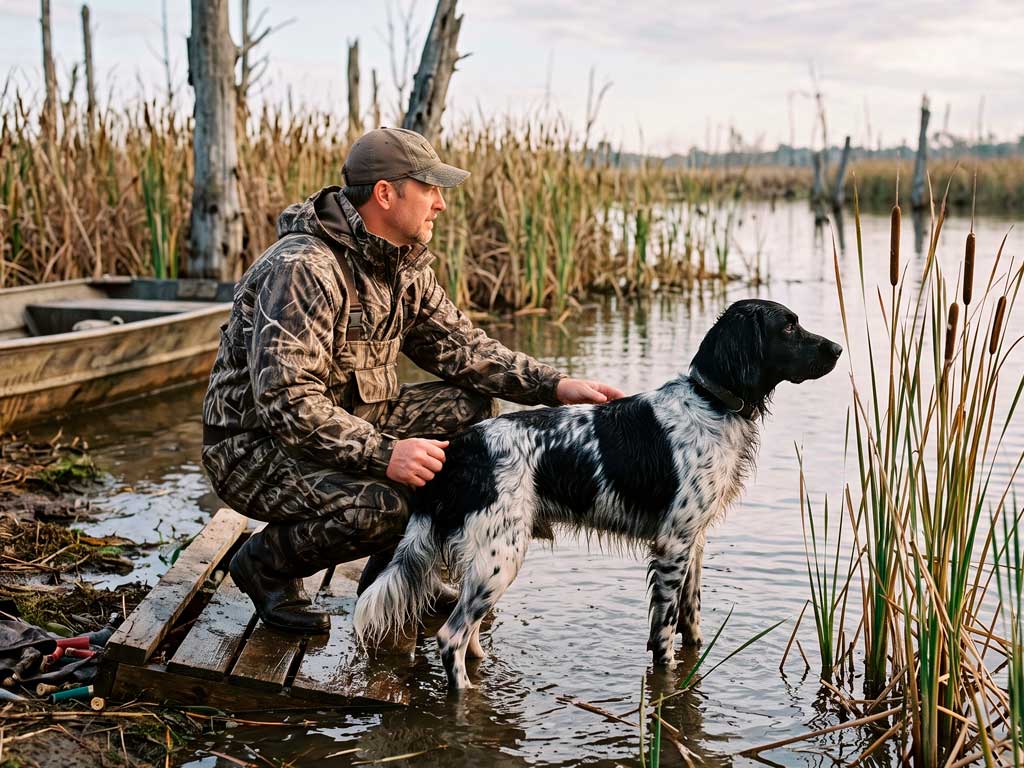
The Large Munsterlander combines striking black-and-white feathering with an eager, affectionate personality. In this guide, you’ll learn where this German hunting breed comes from, what daily life with one actually looks like, and how to keep it happy and healthy.
We’ve drawn on breed history and veterinary guidance to build a resource you can rely on. By the end, you’ll know whether this energetic companion suits your household.
History and Origin
Bird-hunting dogs became hugely popular across 19th-century Germany, appearing in countless shapes, colors, and sizes. As interest in individual breeds grew toward the century’s end, distinct types slowly emerged from that varied pool.
When the German Long-Haired Pointer Club drew up its official standard, only brown-and-white dogs qualified. Black-and-white puppies, many from excellent hunting lines, went instead to farmers and hunters near Münster, who cared far more about ability than coat color.
Those dogs continued breeding on their own terms and likely contributed to other breeds, including certain spaniel and setter types. Finally, in 1919, the Large Munsterlander earned recognition as its own distinct breed, separate from its smaller cousin.
Physical Characteristics
Adult males typically stand between 60 and 65 cm tall and weigh 25 to 29 kg, while females run slightly smaller at 58 to 63 cm and around 25 kg. A well-proportioned body and proud carriage give this breed an athletic, confident presence.
The coat is thick and loosely fitted, with longer feathering along the legs and tail. Black or blue roan with white is the only accepted color combination, distinguishing this breed clearly from its smaller, brown-and-white relative.
This breed isn’t hypoallergenic, and some drooling is normal. Overall, though, grooming demands stay fairly light for a dog this size.
Temperament and Personality
Affectionate, brave, and eager to please sums up the Large Munsterlander’s personality well. It bonds closely with its family and generally gets along well with other dogs and household pets too.
Remarkable patience with children stands out as one of this breed’s strongest traits. That said, its alert nature and tendency to bark also make it a capable, if vocal, watchdog.
This breed thrives on attention and companionship. Owners who can dedicate real time and affection each day tend to get the most out of this hardworking, docile personality.
Care Guide
Diet and Nutrition
Because of its larger size, this breed needs a different balance of minerals and vitamins compared to smaller dogs, alongside a hearty appetite to match. Bloat and other stomach issues are a known risk, so smaller, more frequent meals can help reduce that possibility.
Fresh water should always be available, and feeding twice daily according to your food’s specific guidelines works well. Regular weight checks help keep this active breed in peak condition.
Exercise Requirements
Originally bred for hunting and retrieving, the Large Munsterlander adapts well to family life as long as it gets plenty of exercise. Water sports come naturally to this breed, so always supervise it closely near lakes, rivers, or pools when off-leash.
Active owners who enjoy working and playing alongside their dog make the ideal match here. This isn’t a breed that thrives on short walks alone.
Grooming Needs
Weekly brushing with a comb and brush keeps the coat in good condition. The feathering on the ears, legs, and tail needs occasional extra attention, and excess hair between the paw pads should be trimmed when it builds up.
Since this breed enjoys every kind of weather, dirt and mud can become a recurring issue. Regular grooming sessions help catch buildup before it becomes a bigger cleanup job.
Training and Education
Docile and eager to please, the Large Munsterlander generally responds well to consistent, reward-based training. Its working heritage means it picks up commands quickly, especially when training feels like a shared activity rather than a chore.
Early socialization with other pets and children helps this naturally friendly breed reach its full potential. Given its vocal tendencies, teaching a reliable “quiet” cue early on is also worth the effort.
Health and Longevity
Life expectancy for the Large Munsterlander ranges from 12 to 13 years. Hip dysplasia is the primary condition to watch for, much as it is in many working breeds of this size.
Reputable breeders screen both hips and eyes before breeding, so ask about these results if you’re buying a puppy. This article offers general guidance only, so consult a licensed veterinarian for advice specific to your dog’s health.
Is This the Right Dog for You?
Active households looking for a devoted, hardworking companion will likely find a great match here. This breed genuinely wants its people to enjoy life alongside it, whether that means a long hike, a swim, or a game of fetch.
Families with children often do particularly well, thanks to the breed’s patience and gentle nature. Just be ready for a vocal watchdog and a dog that needs consistent daily exercise to stay content.
Frequently Asked Questions
Is the Large Munsterlander good with children?
Yes, this breed is known for its enormous patience around kids, making it a popular choice for active families.
How much exercise does a Large Munsterlander need?
Plenty. This breed does best with more than two hours of energetic activity daily, ideally including some kind of work or play.
Does the Large Munsterlander bark a lot?
It can be quite vocal, acting as an alert watchdog that barks to signal visitors or anything unusual nearby.
Is this breed easy to groom?
Yes, weekly brushing is usually enough, with occasional extra attention to the feathering on the ears, legs, and tail.
What’s the difference between the large and small Munsterlander?
The Large Munsterlander is black or blue roan with white, while its smaller relative comes in brown and white, tends to be more intense and independent, and descends partly from smaller spaniel breeds.
If an active, affectionate hunting companion sounds like a good fit, start by finding a breeder who screens for hip and eye health. That single step goes a long way toward a happy, healthy dog for years to come. For more gundog breed guides, check out our other hunting dog profiles on Happy Pet Zone.