Bouvier des Flandres: Power, History and Character
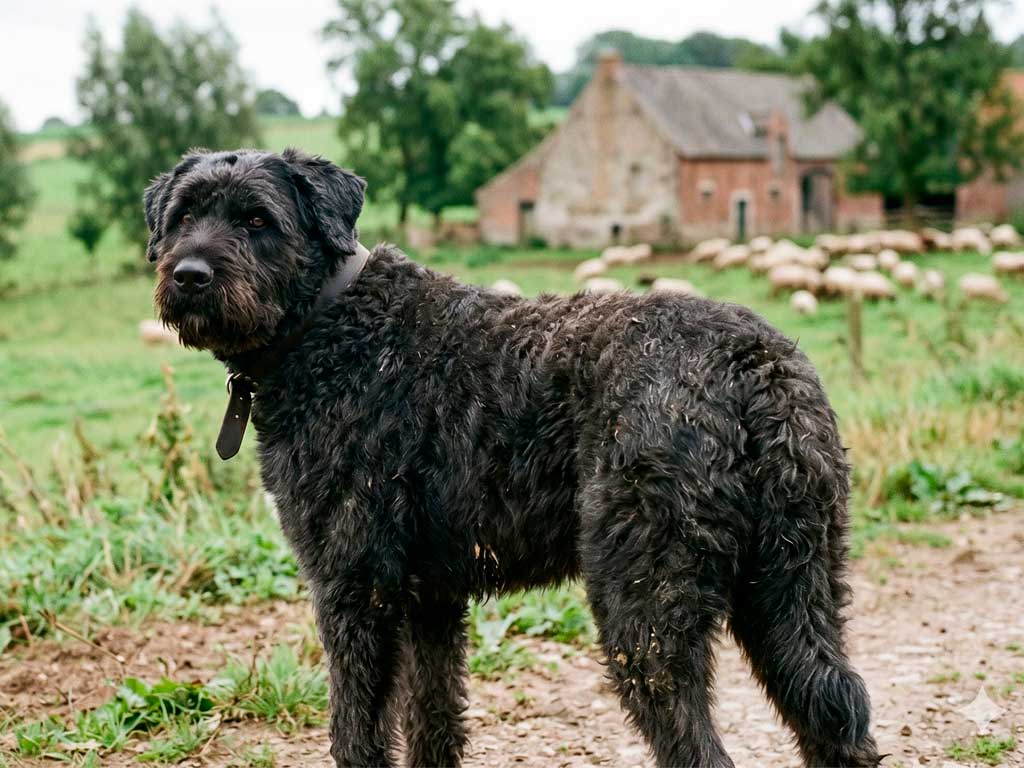
The Bouvier des Flandres is a Belgian cattle dog, filed by the FCI in Group 1, section 2, and a working trial is required. Its utilization clause is the most old-fashioned in this series. It opens by listing what the dog used to do: herding, draught work and churning. Only then does it explain what the Bouvier does now, which is guard the estate, the farm and the police officer.
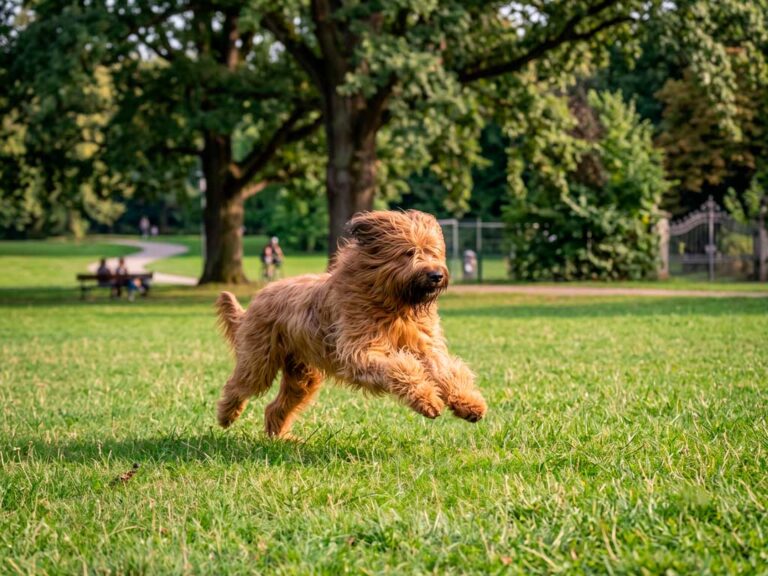
Height runs 62 to 68 cm (24.4 to 26.8 in) in a dog and 59 to 65 cm (23.2 to 25.6 in) in a bitch, with a tolerance of one centimetre; the ideal is 65 and 62. Weight is about 35 to 40 kg in a dog and 27 to 35 kg in a bitch. The coat is a coarse, dry double coat of about six centimetres, with a moustache and a full beard.
It is a large, slow-maturing, thinking dog with a beard and a job description three centuries old, and it is not a breed for a household that wants a decorative companion.
A Dog That Churned Butter
The FCI standard is not being poetic. A churning dog trotted inside a wooden churn to agitate the cream until it turned to butter, and that is listed alongside herding and pulling a cart as the Bouvier’s original work.
The rest of the breed’s history is harder. The First World War nearly destroyed it, and the post-war population descends from a small number of animals, with one trench dog, Nic, counted as the foundation sire of the modern breed.
| Feature | Bouvier des Flandres |
|---|---|
| FCI group | Group 1, cattle dogs |
| Official use | Herding, draught, guard and police dog |
| Working trial | Required |
| Height | Males 62 to 68 cm (24.4 to 26.8 in), bitches 59 to 65 cm |
| Weight | Males 35 to 40 kg, bitches 27 to 35 kg |
| Coat | Coarse, dry, about 6 cm, with beard and moustache |
| Colour | Grey, brindle, black; white star on chest tolerated |
A brief video for readers who prefer to watch for a moment before they read on.
The Eye That Closes
Primary angle-closure glaucoma is the Bouvier’s most specific health risk, and the numbers are stark. In a study of 92 Bouviers followed for seven to nine years, 9.8% developed the condition. A narrow or closed ciliary cleft raised the odds twenty-fold, which means the anatomy of the eye predicts the disease before the eye is painful.
Glaucoma in this breed is not a slow clouding. The pressure rises, the eye becomes red and hard, and the vision in that eye can be lost within days. A Bouvier with a red, painful eye is an emergency at any hour.
The practical answer is a screening examination of the drainage angle, done by an ophthalmologist, ideally before breeding and again in middle age. It is the closest thing the breed has to a predictive test for its worst eye problem.
Treatment exists: laser surgery, medication, and in some cases removal of the eye to control pain. Prevention, though, is the reason to know the number.
In the House
The standard asks for a calm, thoughtful character in a sensible but fearless dog, and for the breed to keep its aptitude for work. Both halves matter in a house.
| Situation | What to expect |
|---|---|
| A visitor at the door | A bark that stops the conversation, then a cautious inspection |
| Children of the family | Steady and protective, and careful with its own weight |
| Another dog | Usually tolerant, with friction between two confident males |
| A cat or a rabbit | Manageable if raised with them, and not otherwise |
| A day alone | Tolerated by an adult, badly by a young dog |
The Health List
The eye comes first. The second item is the heart: subaortic stenosis is a recognised problem in the breed, with a described inheritance pattern, and a cardiac examination before breeding is the standard advice.
The third is the elbow and the fourth is the shoulder. A 2010 study described 31 Bouviers with hereditary radial-head subluxation, all related within five generations, with a radial angulation of 14.9 degrees against 4.0 in normal dogs, and a pattern consistent with a recessive gene.
Bloat is the emergency for a deep-chested giant, and the Bouvier is deep-chested. A dog that cannot vomit and has a hard, swelling belly needs a vet that night.
Lemonade Pet Insurance
Explore customizable pet insurance coverage and learn whether Lemonade is the right fit for your dog or cat.
- Customizable coverage options
- Online policy management
Coat, Beard, and the Comb
The Coat Is a Job
Six centimetres of coarse, dry double coat, which is weatherproof and holds onto its dead hair instead of dropping it. A comb twice a week, a trim every couple of months, and a hand-strip once or twice a year.
The Beard Holds Water
The beard and moustache are functional, protecting the muzzle, and they hold water, food and everything the dog investigates. A rinse after meals and a comb after walks keep the skin under them healthy.
Ears and Nails
The ears are small, triangular and set high, and they need a weekly look. The nails grow fast on a dog that lives on soft ground, and a long nail changes the way a giant lands.
Training a Thinking Dog
The Bouvier was bred to work with a drover, at a distance, making decisions about cattle. That is why it learns a rule and then applies it, and why it does not respond to a handler who shouts.
The breed matures slowly, and a two-year-old Bouvier is not finished. Obedience, protection sport, herding or a tracking discipline all give it the structure it expects, and a Bouvier with a job is a calm dog in the house.
Socialisation is the part that decides the adult. A Bouvier that met a hundred people before it was four months old is a steadier dog at three.
Feeding a Giant With a Beard
Portions are weighed and split into two, and the bowl does not stay down, since a chest this deep and a bolted meal are a poor mix.
The breed is a working giant, and the difference between a working weight and a house weight is visible at the ribs. A Bouvier that carries extra weight is a Bouvier whose joints will pay for it.
Water at all times, and an hour of calm around every meal.
Shop for Your Breed

Just Food For Dogs – Fresh Frozen
Fresh meals. Gently cooked, then frozen to lock in nutrients. 100% Human Grade Ingredients. Gently Cooked in the USA. #1 Vet-Recommended Fresh Food.
Shop on JustFoodForDogs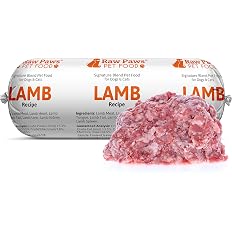
Raw Paws Pet Food – Frozen Raw Pet Food
Feeding your pet a frozen raw pet food diet is a simple way to deliver real, whole-food nutrition in its most natural form.
Shop on RawPawsPetFood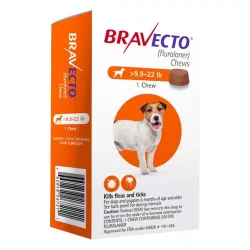
Bravecto Chews for Dogs
Bravecto is a long-lasting flea and tick protection option for your dog. 1 dose of Bravecto chew provides up to 12 weeks of powerful protection, which is nearly 3 times longer than a monthly treatment.
Shop on BestVetCare.com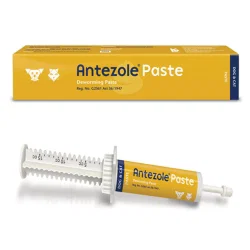
Deworming Treatments for Dogs
BestVetCare offers you a wide range of worm treatments which come in a variety of forms such as oral paste, tablets, granules, and liquid solutions.
Shop on BestVetCare.comHappyPetZone participates in various affiliate programs with brands and retailers. We may receive a commission on purchases made through our links, at no extra cost to you.
The Decision
| What it asks | What you get |
|---|---|
| An eye examination before breeding | A glaucoma found before the eye is painful |
| A cardiac check | A heart problem known rather than assumed |
| Two hours a day and a job | A calm giant with a purpose |
| The coat routine, twice a week | A beard that stays healthy and a house without hair |
| An owner who has handled a guarding breed | A dog that thinks and then obeys |
The other herding breeds are collected in the dog breeds hub.
The Other Herders
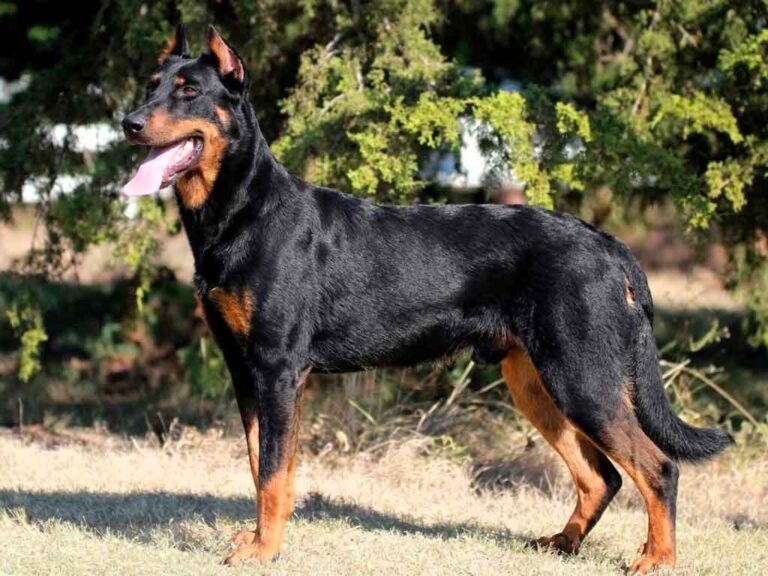
- The Beauceron is the French working dog, short-coated, with double dewclaws and the same seriousness.
- The Briard is the other French shepherd, longer-haired and more sensitive to tone.
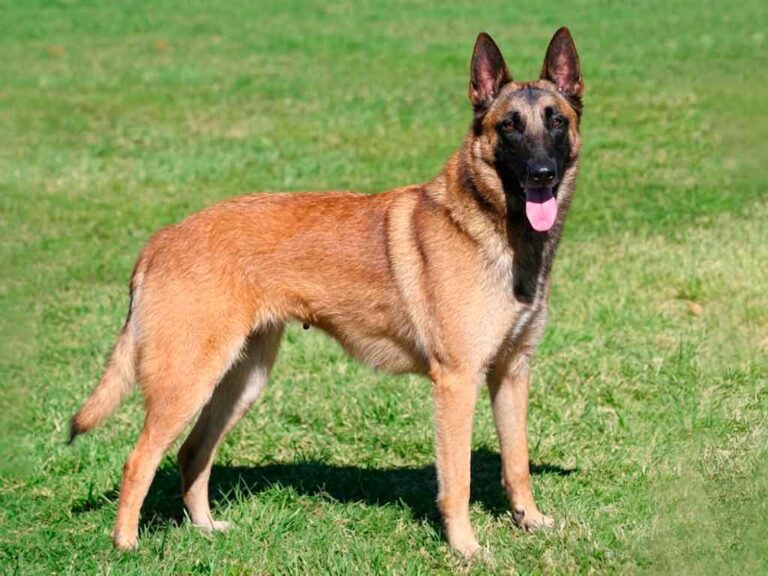
- The Belgian Malinois is the modern working standard, lighter and far more driven.
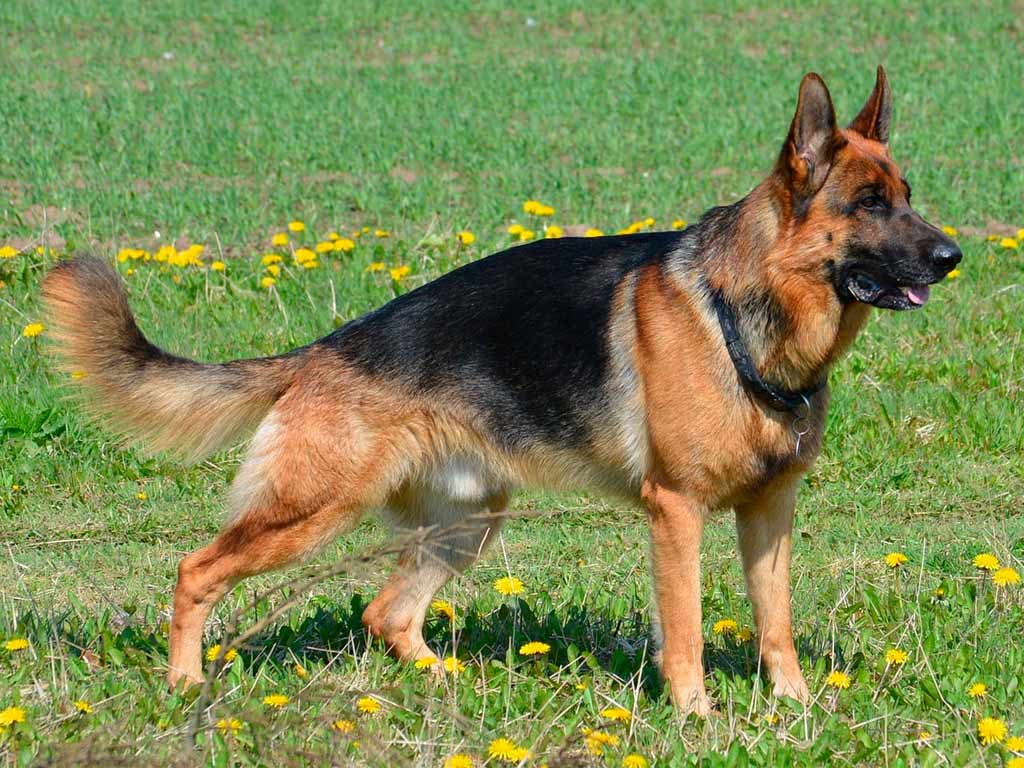
- The German Shepherd is the best known of the four, and the one you will see most often.
Frequently Asked Questions
Sources
- Fédération Cynologique Internationale, Bouvier des Flandres breed standard No. 191, full text (2000).
- Primary angle-closure glaucoma in the Bouvier des Flandres, JAVMA (2017).
- Subaortic stenosis in predisposed breeds (2021).
- Hereditary radial-head subluxation in the Bouvier des Flandres, AJVR (2010).