Italian Greyhound: The Fragile Athlete That Steals Hearts
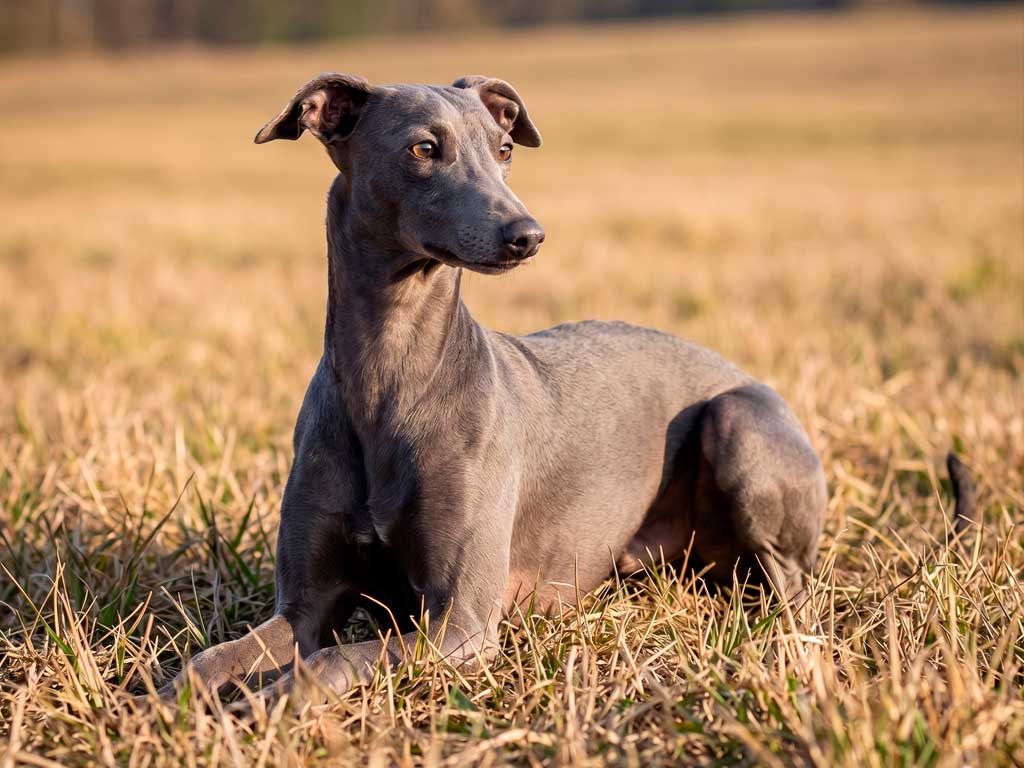
Don’t let the name fool you. The Italian Greyhound isn’t a miniature version of its larger cousin it’s a distinct breed with entirely different demands.
While both share the Greyhound’s sleek elegance and prey drive, the Italian Greyhound is a toy breed weighing just 3.5–4.5 kg, packing more fragility than athleticism into one pint-sized package.
If you’re considering bringing one home, understanding their specific vulnerabilities and needs is non-negotiable.
History and Origins of the Italian Greyhound
The Italian Greyhound’s story spans millennia. Ancient Egypt created this breed around 4,000–7,000 years ago. Pharaohs commissioned mummified versions buried alongside them in their tombs, signaling the breed’s sacred importance in the ancient world. Romans later discovered these dogs and spread them throughout the Mediterranean basin during the 6th century B.C., where they became favorites of Greek and Roman nobility.
This breed represents something unusual: it was likely the first dog breed deliberately developed purely as a companion animal, not a working dog. By the 16th and 17th centuries, Italian Greyhounds reached peak popularity as decorative fixtures in European royal courts.
They graced the halls of influential owners Queen Mary of Scotland kept them, King Charles I favored the breed, Frederick the Great of Prussia bred them, and Queen Victoria herself was a devoted enthusiast.
Unlike their larger relatives, Italian Greyhounds were never serious hunters. While some owners may have used them for rabbit coursing, breeding priorities always centered on companionship, beauty, and temperament rather than hunting prowess.
Physical Characteristics of the Italian Greyhound
An Italian Greyhound fits literally in your palm. Adults stand just 32–38 cm (12.5–15 inches) at the shoulder and weigh between 3.5–4.5 kg (8–10 pounds). This is a Toy group breed in every sense.
Despite their diminutive size, they maintain the elegant Greyhound profile: a narrow head, fine muzzle, high-set ears that fold gently, and a whip-like tail. The body shows a distinct curve along the spine, with the hindquarters sitting noticeably lower than the shoulders. They walk with surprising confidence for such a small frame, lifting their legs high with each step.
The coat is short, fine, and exceptionally glossy. Color options include black, fawn, blue fawn, chocolate, lilac, slate, gray, red fawn, cream, blue, brindle, and combinations with white. The coat reflects light beautifully, and a simple rub-down with a soft cloth enhances its natural sheen.
What strikes owners most is the breed’s delicate bone structure. This isn’t robustness; it’s refinement. Every line expresses intentional breeding for elegance over substance. That apparent fragility is real Italian Greyhounds break bones far more easily than larger breeds.
Temperament and Personality: Sensitive and Loving
Italian Greyhounds are adorable, affectionate dogs. They love cuddling for two reasons: genuine devotion to their people and a practical need for warmth their minimal body fat and short coat provide little insulation. A cold house sends them burrowing into your lap immediately.
Early socialization profoundly shapes personality. Without exposure to varied people and environments during puppyhood, Italian Greyhounds can become reserved or even fearful of strangers.
With proper socialization, they warm up but typically remain somewhat reserved with people outside their immediate family. Building trust takes time, but once bonded, they’re loyal, excellent companions.
These dogs are vocal. They bark readily at activity, strangers, or perceived threats despite their toy size, they see themselves as little guardians. This alertness served them well in ancient times; it remains part of their personality today. Training can reduce excessive barking but rarely eliminates it entirely.
Italian Greyhounds do need careful introduction to other pets, particularly cats. Their prey drive runs deep. A fleeing cat triggers chasing behavior almost instinctively, a reminder that thousands of years of breeding for hunting hasn’t been erased by refinement into a lap dog.
Care Guide for Italian Greyhound Dogs
Diet and Nutrition for Italian Greyhounds
Toy breeds have exceptionally fast metabolisms. They burn energy at remarkably high rates despite their tiny frames. An Italian Greyhound’s stomach holds very little food, so they require frequent, small meals rather than one or two daily feedings.
Puppy food formulated for toy breeds supports proper development without promoting excessive growth that stresses their delicate skeletal system. Adult maintenance should shift to high-quality food designed for small breeds, with appropriate nutrient ratios and kibble size suited to smaller mouths.
Dental health is critical. Italian Greyhounds show an unfortunate propensity for dental problems: caries, plaque accumulation, and tooth loss. Feed food that encourages mastication slightly larger kibble pieces promote natural cleaning. Avoid soft, sticky treats that accelerate dental decay. Daily tooth brushing is ideal; several times weekly should be a minimum standard.
Hypoglycemia (low blood sugar) occasionally affects toy breeds. Feeding three to four small meals daily helps prevent dangerous blood sugar drops, particularly in young puppies.
Exercise Requirements for Italian Greyhounds
This paradox confuses most owners: despite their toy classification, Italian Greyhounds are still sighthounds. They possess the hunting drive hardwired into their genes. T
hey do enjoy running and chasing, but requirements differ from larger Greyhounds. An adult Italian Greyhound needs approximately one hour of daily activity a mix of controlled walks and indoor play in secure spaces.
Never allow off-leash running in open areas. Their prey drive overrides training instantly; a rabbit, squirrel, or cat becomes an uncontrollable target. They also fatigue quickly, and their small size makes them vulnerable to hawks and other predators if allowed outdoors unsupervised.
Exercise must be controlled during growth phases. Puppies’ bones are still ossifying; excessive jumping or running on hard surfaces causes fractures. Stairs present genuine hazards. Avoid jumping from furniture or beds until fully mature, typically around one year old.
In cold weather, these dogs absolutely require clothing. Their sparse coat provides zero insulation. Below 50 degrees Fahrenheit, they struggle to maintain body heat. A warm sweater or coat isn’t optional luxury it’s a health requirement.
Grooming Needs and Coat Maintenance
Italian Greyhounds are among the easiest breeds to groom regarding coat care. Brushing once weekly, more frequently during seasonal shedding, keeps the coat healthy. A soft-bristled brush or rubber grooming mitt works beautifully.
Bathing is necessary only monthly or when visibly soiled. Warm water and gentle shampoo suffice. Dry thoroughly afterward; damp skin chills quickly in a toy breed.
Dental care demands relentless attention. Brush teeth daily if possible, several times weekly at minimum. Schedule professional cleanings annually with your veterinarian. This single commitment often determines quality of life in later years; Italian Greyhounds with poor dental care suffer eating difficulties, pain, and systemic infections.
Nail trimming every two weeks prevents splitting and overgrowth. Ears require weekly cleaning, particularly since folded ears trap moisture and encourage infection. Eye health matters too; wipe tear stains daily to prevent skin irritation and infection.
Training and Education: The Sensitive Student
Italian Greyhounds are intelligent but remarkably sensitive. Harsh corrections devastate them emotionally. A stern voice is often sufficient discipline; physical punishment is counterproductive and cruel.
Positive reinforcement works exponentially better than aversion training. High-value treats, enthusiastic praise, and patience build reliable compliance. Housetraining requires consistency, but accidents happen frequently in toy breeds; excessive frustration from owners creates fear-based hiding and additional accidents.
Early socialization shapes behavior more than training with this breed. A well-socialized Italian Greyhound exposed to diverse people, places, and (controlled) animals during puppyhood becomes a confident, friendly adult. Under-socialized individuals can remain timid or reactive their entire lives.
Crate training, when done positively, gives these dogs security. A properly introduced crate becomes a safe haven, not a punishment tool. This proves invaluable during vet visits, travel, and managing household chaos.
Recall training has real limitations. While training improves responsiveness, the prey drive can still override it. Never depend entirely on voice commands to prevent chasing small animals.
Health and Longevity of the Italian Greyhound
Italian Greyhounds typically live 14–15 years, longer than many larger breeds. However, specific health conditions warrant attention.
Bone fractures are the leading injury concern. Their delicate skeleton predisposes them to breaks from falls, rough play, or even aggressive petting by children. Fracture risk peaks during growth phases; careful handling of puppies prevents costly, painful injuries.
Even adults can fracture bones from jumping off couches or running into table legs. This breeds caution in every environment.
Dental disease develops at alarming rates. Periodontal problems, caries, and premature tooth loss are common without diligent prevention. Poor dental health not only causes eating difficulties; it spreads infection throughout the bloodstream, affecting heart, kidneys, and overall longevity.
Hereditary eye conditions occur in this breed. Progressive retinal atrophy (PRA) and other vision issues can develop. Responsible breeders conduct eye examinations before breeding; prospective owners should verify this testing history.
Cardiac problems include patent ductus arteriosus (PDA), a congenital heart defect where a fetal blood vessel fails to close properly. Symptoms vary from asymptomatic to severe; veterinary assessment determines management strategy.
Patellar luxation knee cap dislocation happens in toy breeds at elevated rates. The condition ranges from occasional, temporary slippage to chronic, debilitating dislocation requiring surgery. Many Italian Greyhounds live comfortably with mild patellar luxation if managed properly.
Hypoglycemia in puppies warrants awareness. Young puppies can experience dangerous blood sugar drops, particularly between feedings. Symptoms include weakness, trembling, lethargy, and seizures. Frequent, small meals prevent most cases.
Regular veterinary checkups become increasingly important as Italian Greyhounds age. Annual exams in youth shift to semi-annual visits after age seven. This proactive approach catches problems early, before they become emergencies.
Is the Italian Greyhound Right for You?
Right for You
You’re an ideal match if you appreciate small, affectionate companions and can commit to intensive care demands. Italian Greyhounds thrive with owners who prioritize their wellbeing.
You have a stable household without young children or large dogs. Small children, even well-intentioned, can accidentally hurt these fragile dogs through rough handling. Larger dogs can injure them during play.
You can commit to daily dental care and regular veterinary visits. This breed’s health complexity demands informed, engaged ownership.
You work from home or have significant flexibility. Italian Greyhounds suffer separation anxiety and shouldn’t be left alone for extended periods.
You have a secure indoor environment and access to enclosed outdoor spaces. Safe containment is essential; their small size and prey drive create multiple escape and injury risks.
You appreciate frequent grooming sessions and can handle a toy breed’s specific needs without frustration.
Not Right for You
Italian Greyhounds are unsuitable if you expect a dog that tolerates rough play or independence. These are delicate, people-focused dogs requiring constant attention.
Families with young children or multiple large dogs present risks. Accidents happen frequently in chaotic households, and toy breeds bear the consequences disproportionately.
Owners unable to commit to daily dental care will watch their Italian Greyhound suffer dental disease by middle age. This isn’t optional.
If you travel frequently or work long hours away from home, separation anxiety creates behavioral and health problems. These dogs bond intensely and suffer without their people nearby.
Apartments without secure balconies or patios, combined with inability to allow frequent outdoor access, create stress. Italian Greyhounds can’t be left outside unattended or unsupervised due to predation risk and escape potential.
You’re unprepared for potential emergency veterinary costs. Fracture treatment, cardiac surgery, and other breed-specific emergencies can become expensive quickly.
Frequently Asked Questions About Italian Greyhounds
The Italian Greyhound offers genuine companionship, affection, and entertainment in a diminutive frame. But this breed isn’t casual. They demand dental care, injury prevention, careful socialization, and deep commitment. They suffer when neglected, break easily when mishandled, and decline rapidly without proper care.
For owners willing to provide appropriate care, Italian Greyhounds become cherished family members who return affection tenfold. They’re remarkably long-lived compared to their size, and a well-cared-for Italian Greyhound will share 15 years of loyal companionship. The responsibility is significant, but the reward is immense.
Ready to bring an Italian Greyhound into your home? Start by understanding the financial commitment: veterinary care, quality nutrition, and dental health aren’t luxuries but necessities. Then, review our guides on puppy-proofing your home and creating a safe indoor environment for toy breeds.
Cross-Linking Teaser: Our guides on the standard Greyhound and Whippet provide context for understanding sighthound characteristics across different sizes. The Italian Greyhound shares the breed’s hunting heritage while requiring entirely distinct care approaches.
Readers interested in toy breeds might also explore our comprehensive guides on Chihuahuas and Pomeranian dogs for comparative insights into small-breed ownership.
For a completely different kind of Italian sporting dog, the Italian Spinone is a large, wiry-coated hunter built to push through thorny brush rather than sprint.