Belgian Malinois Dog Breed: The Complete Guide for Serious Owners
Thinking about bringing a Belgian Malinois puppy home? Before you decide, take an honest look at your daily routine, training experience, and available time. The Belgian Malinois is an intelligent, athletic herding dog with an extraordinary capacity for work. It can also become difficult to manage when its physical needs, mental stimulation, and training are neglected.
This breed often thrives with people who enjoy teaching new skills, spending time outdoors, and including their dog in everyday activities. A busy household that leaves a Malinois alone for long stretches may find the experience much harder.
This guide explains the breed’s history, appearance, temperament, exercise requirements, training needs, grooming routine, and health considerations. You’ll also learn how to assess whether a Belgian Malinois fits your home before committing to a puppy.
Belgian Malinois at a Glance
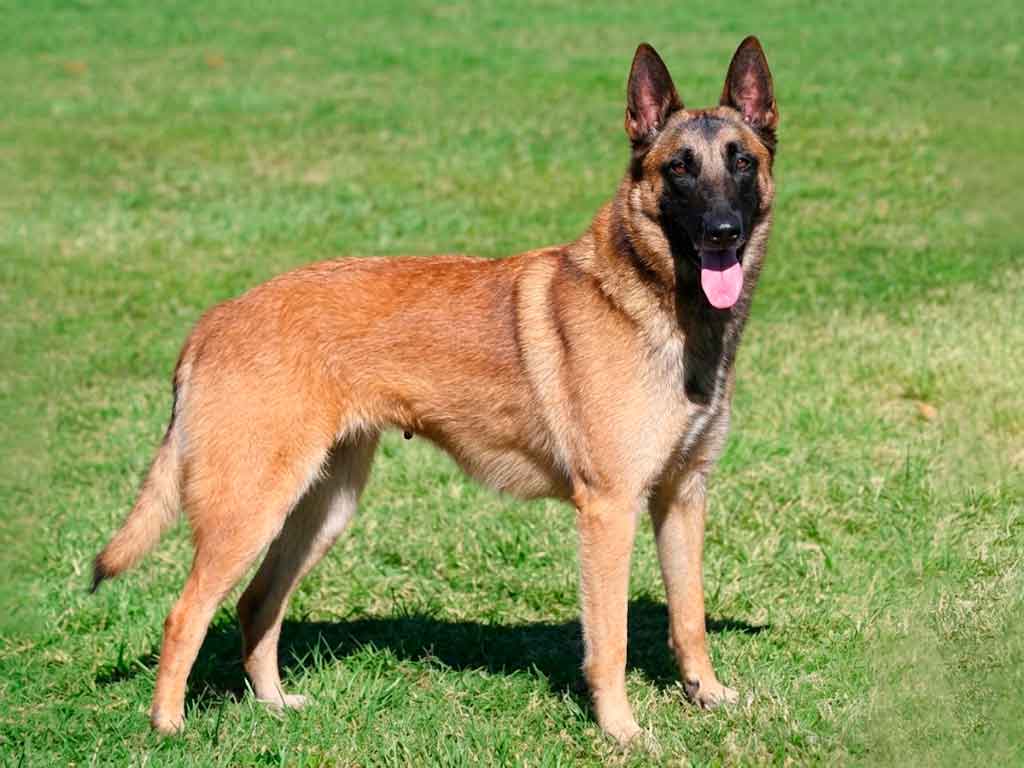
The Belgian Malinois is a medium-sized, short-coated herding dog developed in Belgium. It is known for its alert expression, athletic build, strong working instincts, and close relationship with its handler.
Breed overview:
- Origin: Belgium
- Breed group: Herding
- Adult male height: Approximately 24–26 inches at the shoulder
- Adult female height: Approximately 22–24 inches at the shoulder
- Typical weight: Around 55–75 pounds for males and 40–60 pounds for females, although individual dogs vary
- Coat: Short, straight, weather-resistant double coat
- Common colors: Rich fawn to mahogany, usually with a black mask and black-tipped hairs
- Life expectancy: Often around 10–12 years, although individual lifespans vary
- Energy level: Very high
- Grooming: Regular brushing, with more attention during seasonal shedding
- Best suited to: Owners prepared for consistent training, daily activity, and close involvement with their dog
These figures are general breed references, not targets every individual dog must meet. Healthy weight depends on the dog’s frame, age, muscle condition, and overall health.
History and Origin of the Belgian Malinois
The Belgian Malinois developed in Belgium during the late 19th century. Farmers and shepherds needed capable dogs that could help manage livestock while remaining alert, responsive, and useful around the farm.
The breed takes its name from Mechelen, known in French as Malines, a city in Belgium. It belongs to the wider Belgian herding-dog family, which includes several closely related varieties distinguished largely by their coats and colors.
The American Kennel Club recognizes four Belgian herding breeds as separate breeds in the United States: the Belgian Malinois, Belgian Tervuren, Belgian Sheepdog, and Belgian Laekenois. Their shared background explains why they can look similar in body shape and working temperament.
Their coats help distinguish them. The Malinois has a relatively short fawn or mahogany coat with a black mask. The Belgian Tervuren typically has a longer coat, while the Belgian Sheepdog, also known as the Groenendael, is known for its long black coat. The Belgian Laekenois has a rough, tousled coat.
The Malinois became well known for its versatility in herding, obedience, tracking, search and rescue, and police and military work. Its speed, stamina, and responsiveness make it particularly useful in demanding working roles.
Those abilities also influence life at home. A dog bred to stay engaged with a handler needs meaningful activity and regular interaction, even when it lives as a companion rather than a working dog.
Physical Characteristics and Coat
The Belgian Malinois has a balanced, athletic body built for movement rather than bulk. Its appearance should suggest strength, agility, and readiness without looking cumbersome.
The head is well defined, the ears are erect, and the expression is typically alert. The body is approximately square in proportion, with strong legs and a firm, muscular outline.
Size, Weight, and Appearance
Adult males are generally taller and heavier than females. However, there is natural variation between individual dogs and breeding lines.
Rather than focusing only on the number on a scale, pay attention to body condition. A healthy adult should have a visible waist when viewed from above and a body shape that allows the ribs to be felt without excessive pressure. Your veterinarian can help you assess whether your dog is maintaining an appropriate weight.
Coat Color and Shedding
The coat is short, straight, and weather-resistant, with a dense undercoat. Common colors range from fawn to mahogany, often with black-tipped hairs that create a darker overlay. A black mask is a characteristic feature.
The coat is relatively easy to maintain, but it is not shed-free. Many Malinois shed throughout the year and experience heavier shedding during seasonal coat changes.
Weekly brushing is a useful starting point. During heavier shedding periods, increase the frequency to remove loose undercoat before it spreads throughout your home.
Shop for Your Breed

Just Food For Dogs – Fresh Frozen
Fresh meals. Gently cooked, then frozen to lock in nutrients. 100% Human Grade Ingredients. Gently Cooked in the USA. #1 Vet-Recommended Fresh Food.
Shop on JustFoodForDogs
Raw Paws Pet Food – Frozen Raw Pet Food
Feeding your pet a frozen raw pet food diet is a simple way to deliver real, whole-food nutrition in its most natural form.
Shop on RawPawsPetFood
Bravecto Chews for Dogs
Bravecto is a long-lasting flea and tick protection option for your dog. 1 dose of Bravecto chew provides up to 12 weeks of powerful protection, which is nearly 3 times longer than a monthly treatment.
Shop on BestVetCare.com
Deworming Treatments for Dogs
BestVetCare offers you a wide range of worm treatments which come in a variety of forms such as oral paste, tablets, granules, and liquid solutions.
Shop on BestVetCare.comHappyPetZone participates in various affiliate programs with brands and retailers. We may receive a commission on purchases made through our links, at no extra cost to you.
Belgian Malinois Temperament and Personality
A Belgian Malinois can be affectionate, attentive, and deeply connected to its family. It often wants to participate in whatever its people are doing, whether that means training, hiking, playing, or learning a new task.
The same dog can also be intense and demanding. Its quick responses, high activity level, and strong working instincts require thoughtful handling.
Intelligence and Working Drive
Malinois are quick learners, but intelligence alone does not make a dog easy to raise. They need guidance on what to do with their energy and how to behave in everyday situations.
Without enough appropriate activity, a Malinois may invent its own entertainment. That can include persistent barking, chewing household items, chasing movement, digging, or repeatedly demanding attention.
The solution is not simply to exhaust the dog. It is to build a balanced routine with physical activity, training, sniffing, play, rest, and opportunities to use its brain.
Protective Instincts
The Belgian Malinois is naturally alert and may be reserved around unfamiliar people. Individual temperament varies, and good breeding, socialization, and training all influence how a dog responds to new situations.
Protectiveness does not mean a dog should be encouraged to act aggressively. Most companion owners do not need to teach protection behaviors. Instead, focus on calm responses, reliable recall, loose-leash walking, and the ability to settle when visitors arrive.
A well-managed dog should learn to look to its owner for guidance rather than make every decision independently.
Are Belgian Malinois Good Family Dogs?
A Belgian Malinois can live successfully with a family that understands its needs and commits to consistent training. However, its energy and herding instincts require particular care around children.
Some Malinois may chase running children, circle them, or nip at heels. These behaviors can be linked to herding or excitement, but they still need to be managed.
For a safer household:
- Supervise every interaction between the dog and young children.
- Teach children not to climb on the dog, disturb it while resting, or take away its food.
- Provide a quiet resting area where the dog can be left undisturbed.
- Reward calm behavior around movement, visitors, and everyday household activity.
- Arrange introductions with other animals gradually and under control.
No breed should be assumed to be automatically safe with every child or pet. Assess the individual dog’s behavior and seek help from a qualified, reward-based trainer if chasing, guarding, or intense reactivity becomes difficult to manage.
Exercise Requirements: How Much Activity Does a Malinois Need?
The Belgian Malinois needs substantial daily physical activity and mental engagement. A short walk around the block is unlikely to meet the needs of a healthy, active adult.
There is no single exercise allowance that suits every Malinois. Age, health, fitness, temperament, and breeding line all matter. Many adults need several planned activities throughout the day rather than one brief exercise session.
Build a Balanced Daily Routine
A useful routine combines different types of activity instead of relying on repetitive high-speed exercise.
- Walking and exploration: Give your dog opportunities to walk, sniff, and investigate suitable environments. Sniffing provides mental engagement and can make a walk more satisfying than constant marching.
- Structured training: Practice obedience skills, recall, leash manners, and settling in different environments. Several short sessions can be more productive than one long session that leaves the dog frustrated.
- Interactive play: Fetch, tug, and other games can be useful when played with clear start and stop cues. Teach your dog to release toys and calm down after excitement.
- Canine sports: Depending on the individual dog, activities such as agility, tracking, scent work, and obedience can provide an appropriate outlet. Build fitness gradually and use qualified instruction where necessary.
- Rest and recovery: Dogs need downtime, too. Puppies should not be pushed into strenuous repetitive exercise while their bodies are developing. Older dogs and dogs with medical conditions may also need modified routines.
A fenced yard can be helpful, but it does not replace interaction or training. Many dogs will not exercise themselves adequately simply because outdoor space is available.
Training a Belgian Malinois
Training should start early and continue throughout the dog’s life. The aim is to develop a dog that can respond reliably, handle everyday distractions, and recover calmly after excitement.
Positive reinforcement is a practical foundation. Reward the behaviors you want to see, use clear cues, and increase difficulty gradually.
Essential Skills to Teach First
Start with everyday skills that make living together safer and easier.
- Name response: Teach your dog to turn toward you when called by name.
- Recall: Practice coming when called in low-distraction settings before moving to more challenging locations.
- Loose-leash walking: Reward your dog for walking near you without constant pulling.
- Settle on a mat: Teach your dog to relax on a designated spot while you work, eat, or welcome visitors.
- Leave it and drop it: These cues help you redirect attention and safely exchange objects.
- Calm greetings: Reward four paws on the floor and quiet behavior rather than jumping or rushing toward people.
Keep sessions clear and manageable. If your dog repeatedly fails a cue, reduce the difficulty instead of simply repeating the command more loudly.
Socialization Without Overwhelming Your Dog
Socialization means teaching a puppy to experience people, animals, places, sounds, and handling in a safe and positive way. It does not mean forcing the puppy to greet every stranger or dog.
Allow your puppy to observe unfamiliar situations from a comfortable distance. Pair new experiences with food, play, and calm encouragement. If the puppy appears frightened or overwhelmed, create more space.
Continue this process as the dog matures. Adolescence can bring changes in confidence, impulse control, and responses to the environment.
If your Malinois displays persistent fear, intense reactivity, or attempts to bite, seek help from a qualified behavior professional. Avoid punishment-based methods that can increase fear or make warning signals harder to recognize.
Diet and Nutrition
The Belgian Malinois needs a complete and balanced diet appropriate for its age, body condition, activity level, and health. A dog doing regular athletic work may have different energy requirements from a companion who enjoys walks and training at home.
Choose food that meets recognized nutritional standards in your country. Puppies should receive a diet formulated for growth, while adults generally need an appropriate adult-maintenance formula. A veterinarian can help select a diet for dogs with specific medical or nutritional needs.
How Much Should a Belgian Malinois Eat?
There is no single portion size that suits every dog. Follow the food manufacturer’s feeding guidance as a starting point, then adjust according to your dog’s body condition, activity, and weight trend.
Measure meals rather than filling the bowl by eye. Remember to account for training treats, chews, and food used during enrichment activities.
To maintain a healthy routine:
- Feed consistent portions and review them as activity changes.
- Keep fresh drinking water available.
- Use part of the daily food allowance for training when appropriate.
- Avoid making major diet changes without considering your dog’s digestive response.
- Ask your veterinarian about persistent weight changes or special dietary requirements.
For athletic dogs, more food is not automatically better. The goal is to maintain suitable body condition while meeting nutritional needs.
Grooming and Everyday Care
The Belgian Malinois has fairly straightforward grooming needs, but regular maintenance still matters.
Brushing and Bathing
Brush the coat approximately once or twice a week, increasing the frequency when shedding becomes heavier. A suitable brush helps remove loose hair and allows you to check the skin for irritation, parasites, or unusual lumps.
Bathe your dog when it is dirty or has developed an odor that normal brushing cannot resolve. Use a dog-safe shampoo and rinse thoroughly.
Nails, Ears, and Teeth
Check your dog’s nails regularly. Nails that become too long can affect comfort and movement, so trim them gradually or ask a groomer or veterinary professional for help.
Look at the ears for redness, discharge, or an unusual smell. Do not insert cotton swabs or other objects deep into the ear canal.
Brush your dog’s teeth with a canine toothbrush and toothpaste when possible. Dental care is easier to maintain when introduced gradually and paired with rewards.
Regular grooming is also a chance to teach cooperation. Reward your dog for standing calmly, allowing its paws to be handled, and remaining relaxed during brief checks.
Belgian Malinois Health and Life Expectancy
The Belgian Malinois is generally considered a healthy working breed, but no breed is free from inherited or age-related conditions. Its lifespan is often reported at around 10–12 years, although individual dogs may live longer or shorter lives.
Responsible breeding, preventive veterinary care, appropriate exercise, and maintaining a healthy body condition all contribute to long-term wellbeing.
Health Conditions to Discuss With Your Veterinarian
- Hip dysplasia: This condition involves abnormal development of the hip joint. It can contribute to pain, reduced mobility, and arthritis. Screening breeding dogs helps responsible breeders make informed decisions.
- Elbow dysplasia: Developmental abnormalities in the elbow can cause lameness or discomfort. Ask the breeder about relevant health evaluations for both parents.
- Eye conditions: Inherited eye disorders can affect dogs in many breeds. Ask whether the parents have appropriate eye examinations and request documentation of available results.
- Epilepsy: Seizure disorders are among the health concerns reported in the breed. A seizure needs veterinary assessment, particularly if it is the dog’s first episode, lasts several minutes, or occurs repeatedly.
These conditions do not affect every Belgian Malinois. A breeder should be willing to discuss the health history of the dogs they produce, and your veterinarian can recommend screening based on age, family history, and clinical findings.

Lemonade Pet Insurance
Explore customizable pet insurance coverage and learn whether Lemonade is the right fit for your dog or cat.
- Customizable coverage options
- Online policy management
This article is for general educational purposes only and does not replace professional veterinary advice. Contact your veterinarian about your dog’s individual health needs. Seek urgent veterinary care for severe breathing difficulty, collapse, prolonged seizures, or other sudden serious symptoms.
Choosing a Belgian Malinois Puppy or Adult Dog
Choosing the right individual matters as much as choosing the breed. A responsible breeder should care about health, temperament, and matching each dog to a suitable home.
The American Belgian Malinois Club provides breed information and resources for people researching breeders and rescue options.
Before committing to a puppy, ask the breeder:
- Can I review health-screening records for both parents?
- What are the temperaments of the parents, and how do they behave around everyday distractions?
- How are the puppies raised and introduced to new sights, sounds, and handling?
- What support is available after the puppy goes home?
- How do you decide which puppy is suitable for a particular household?
- Will you take the dog back or help rehome it if circumstances change?
Ask to see documentation rather than relying on verbal assurances. A reputable breeder should be willing to discuss the breed’s difficult traits as openly as its strengths.
Be cautious of sellers who pressure you to pay quickly, refuse to answer health questions, or promise that a puppy will become an ideal protection dog. Working ability and temperament cannot be guaranteed by appearance alone.
Adoption is another option. An adult Malinois may suit some households better because its size, energy level, and behavior are easier to assess than those of a young puppy. Ask the rescue organization about the dog’s history, known triggers, training, and compatibility with children or other pets.
Is the Belgian Malinois Right for You?
The Belgian Malinois may be a good fit if you enjoy working with dogs and can provide regular training, activity, and companionship. You do not have to be a police officer or competitive handler, but you do need to understand the breed’s intensity and be prepared to guide it consistently.
Before deciding, ask yourself:
- Can I make time for daily exercise and training, even when work is busy?
- Am I willing to teach calm behavior as well as active skills?
- Can I manage a strong, fast dog around visitors, children, and other animals?
- Do I have a plan for professional training support if problems develop?
- Can I provide companionship rather than leaving the dog alone for long periods every day?
If several answers are uncertain, take your time. Meet adult Malinois, speak with knowledgeable owners, and consult a reputable breeder or rescue organization before making a decision.
If you are comparing breeds, explore our complete dog breed guides to understand how different dogs’ activity levels, coat care, and temperaments fit different homes.
Frequently Asked Questions
Your Next Step Before Bringing One Home
A Belgian Malinois can be a rewarding companion for someone who enjoys training and active time together. It needs more than an attractive appearance or a reputation for intelligence. It needs a thoughtful owner who can provide structure, engagement, and rest throughout its life.
Before choosing a puppy, talk with a responsible breeder or rescue organization, meet adult dogs if possible, and make a realistic weekly plan for training and exercise. That preparation will help you decide whether this remarkable working breed belongs in your home.