Afghan Hound Dog Breed: Complete Guide to This Ancient, Elegant Sighthound
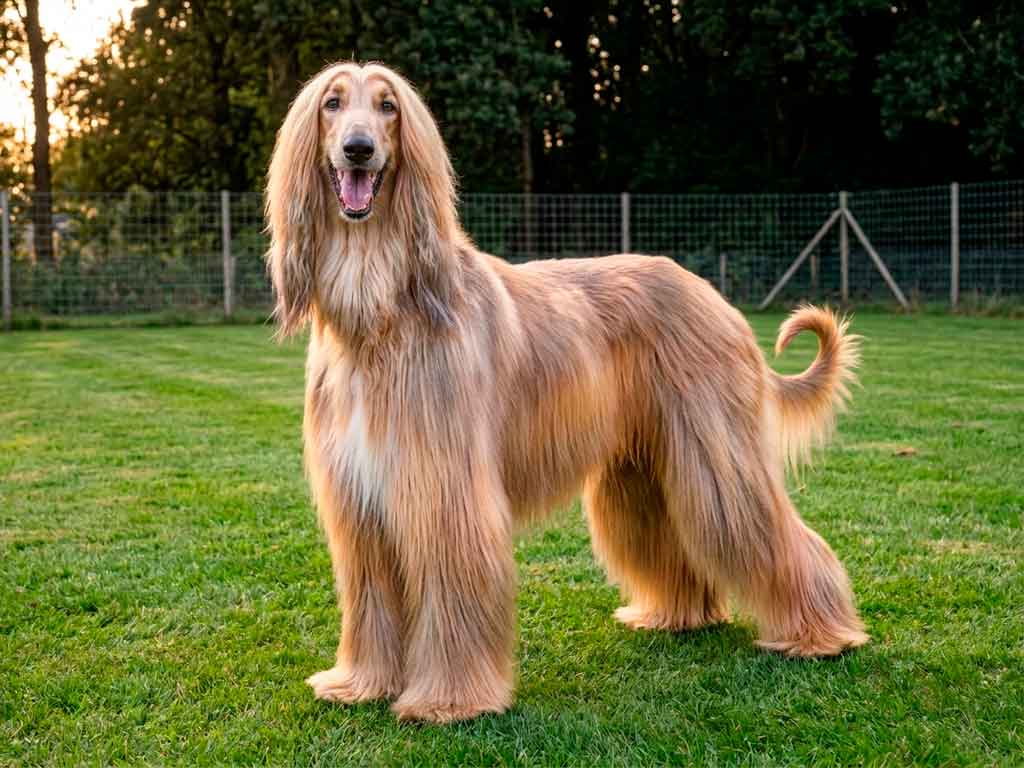
The Afghan Hound is a sighthound in FCI Group 10, section 1, among the long-haired and fringed breeds, with no working trial, and its whole job description is one word: sighthound. Males measure 68 to 74 cm (26.8 to 29.1 in) and bitches 63 to 69 cm (24.8 to 27.2 in). The standard gives no weight.
All colours are accepted except merle, which is unacceptable, and white markings on the head or collar are highly undesirable. The coat is long and very fine on the ribs and quarters, short and close along the saddle, with a long silky topknot, and the standard insists it must develop naturally: clipping or scissoring is penalised.
It is a mountain hunter from Afghanistan, known in its own region as the Tazi, and it is the only breed in this series whose hips are a reason to choose it.
The Dog With the Silk Coat
The coat is not decoration and it is not a compromise. A long, fine coat over the ribs and flanks with a short saddle is insulation for a dog that ran in cold mountains and then lay on rock, and the topknot keeps hair out of the eyes.
The breed reached Britain in the early 1900s, and one dog, Zardin, won in spectacular style at the 1907 Crystal Palace show in London, which is where the Western image of the Afghan was made.
The standard’s description of the expression is worth quoting because it is the best line in any breed standard: the Afghan looks at and through one. That is not mysticism, it is what a hound bred to watch a horizon does.
| Feature | Afghan Hound |
|---|---|
| FCI group | Group 10, long-haired sighthounds |
| Official use | Sighthound |
| Working trial | Not required |
| Height | Males 68 to 74 cm (26.8 to 29.1 in), bitches 63 to 69 cm |
| Weight | Not stated in the standard |
| Coat | Long and fine on body, short saddle, silky topknot |
| Colour | All colours except merle |
A short video showing the breed’s coat, movement and overall build.
The Chest That Fills
Chylothorax is a condition in which lymphatic fluid accumulates in the chest, and the Afghan Hound is the breed most associated with it. A 1986 series of 34 dogs with the condition found the Afghan to be the breed most commonly affected, making up 37.5% of the idiopathic cases and 26.5% of all the dogs with chylothorax.
The signs are easy to misread: the dog is less willing to exercise, breathes a little faster, and gradually loses condition while eating normally. By the time the chest is full, the dog is in trouble.
There is no simple DNA test, so what a buyer can do is smaller and more practical. Ask the breeder whether any dog in the line has had breathing problems or unexplained weight loss, and tell your vet the breed if a young Afghan is exercise-intolerant.
Treatment ranges from medication and drainage to surgery, and it is a specialist problem. A general practice that has never seen a case should refer early, not late.
The Hips Are the Good News
In a study of forty years of Orthopedic Foundation for Animals records across 74 breeds, hip dysplasia incidence ranged from 0.07% to 6%, and the Afghan Hound, with the Siberian Husky, had the lowest figure in the dataset.
That is unusual for a large breed and worth saying plainly, because most of this series is about risks. An Afghan is a giant sighthound with the hip profile of a much smaller dog.
It does not make the breed indestructible. It means the hip question, which dominates the rest of the large breeds, is not the first question here.
In the House
The standard calls the breed dignified and aloof, with a certain keen fierceness, and that is the most accurate description of an Afghan in a living room.
| Situation | What to expect |
|---|---|
| A visitor at the door | Ignored, examined from a distance, then ignored again |
| Children of the family | Tolerant of quiet children, and gone when it is loud |
| Another dog | Usually fine, with the usual sighthound friction over beds |
| A cat or a rabbit | A chase, because the instinct is still there |
| A day alone | Tolerated well, because this dog sleeps |
The Health List
Chylothorax is the first item and the one with no test, so the breeder conversation is the only tool.
Cataracts come next, and they are a young dog’s problem: the ECVO manual describes hereditary cataract in the breed as equatorial lens vacuoles appearing from four months to two years of age.
The hips are the good news above, and they are the one item where the breed scores better than almost every other large dog.
Anaesthesia is the practical note. No Afghan-specific sensitivity has been documented, but lean sighthounds may respond differently to some drugs because of a smaller volume of distribution, so tell the clinic what it is dealing with.

Lemonade Pet Insurance
Explore customizable pet insurance coverage and learn whether Lemonade is the right fit for your dog or cat.
- Customizable coverage options
- Online policy management
Coat, Ears, and the Comb
The Coat Is a Daily Job
A long, fine coat that mats at the least neglect. Ten minutes with a pin brush and a steel comb most days, and a proper session once a week, is the baseline.
Bathing and Drying
A bath every few weeks, and a full dry afterwards, because a wet Afghan in a crate is a skin infection with a dog inside it. A forced-air dryer pays for itself.
Ears and Feet
The ears are long, feathered and cover the canal, so check them weekly. The feet are large and well padded, and the hair between the pads needs trimming.
Training a Hound That Looks Through You
The breed is intelligent and independent, and it was bred to make decisions at a distance. It learns a rule and applies it, and it does not perform for approval.
Short sessions, food and a calm voice work. A raised voice ends the lesson, and an Afghan that has been shouted at remembers the handler, not the cue.
Recall is a management problem, not a training project. A long line and enclosed ground are the honest answer, because a running Afghan is not consulting anyone.
Socialisation matters because aloofness can harden into fear. A puppy introduced to a hundred people and a dozen dogs before sixteen weeks is a steadier adult.
Feeding a Tall Hound
Feed twice daily, weigh the portion, and lift the bowl between meals, since a deep chest and a hurried dinner are a poor combination.
The breed is lean and tall, and it gains weight invisibly under the coat, so the body check has to be done by hand: ribs under the hair, a waist behind them.
Water down all day, and a restful hour either side of eating.
Shop for Your Breed

Just Food For Dogs – Fresh Frozen
Fresh meals. Gently cooked, then frozen to lock in nutrients. 100% Human Grade Ingredients. Gently Cooked in the USA. #1 Vet-Recommended Fresh Food.
Shop on JustFoodForDogs
Raw Paws Pet Food – Frozen Raw Pet Food
Feeding your pet a frozen raw pet food diet is a simple way to deliver real, whole-food nutrition in its most natural form.
Shop on RawPawsPetFood
Bravecto Chews for Dogs
Bravecto is a long-lasting flea and tick protection option for your dog. 1 dose of Bravecto chew provides up to 12 weeks of powerful protection, which is nearly 3 times longer than a monthly treatment.
Shop on BestVetCare.com
Deworming Treatments for Dogs
BestVetCare offers you a wide range of worm treatments which come in a variety of forms such as oral paste, tablets, granules, and liquid solutions.
Shop on BestVetCare.comHappyPetZone participates in various affiliate programs with brands and retailers. We may receive a commission on purchases made through our links, at no extra cost to you.
The Decision
| What it asks | What you get |
|---|---|
| Ten minutes of combing most days | A coat that stays long and unmatted |
| A breeder who knows the lines | A chylothorax risk that is at least discussed |
| An eye check in the first two years | A cataract found while the dog still sees |
| A long line and fenced ground | A hound that can run without disappearing |
| Acceptance of an aloof dog | A sighthound that chooses its own company |
If that sounds like the household you have, the dog breeds hub lists the other sighthounds.
The Other Sighthounds
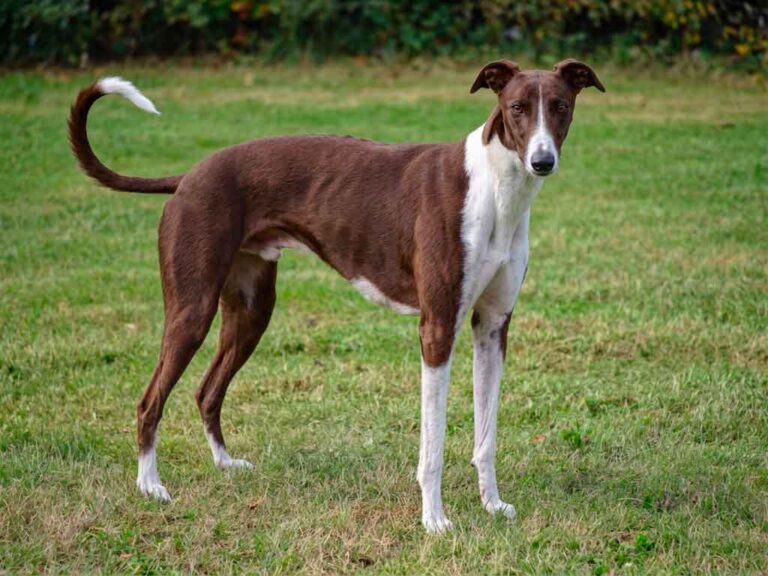
- The Greyhound is the sprinter, and the one with breed-specific blood values.
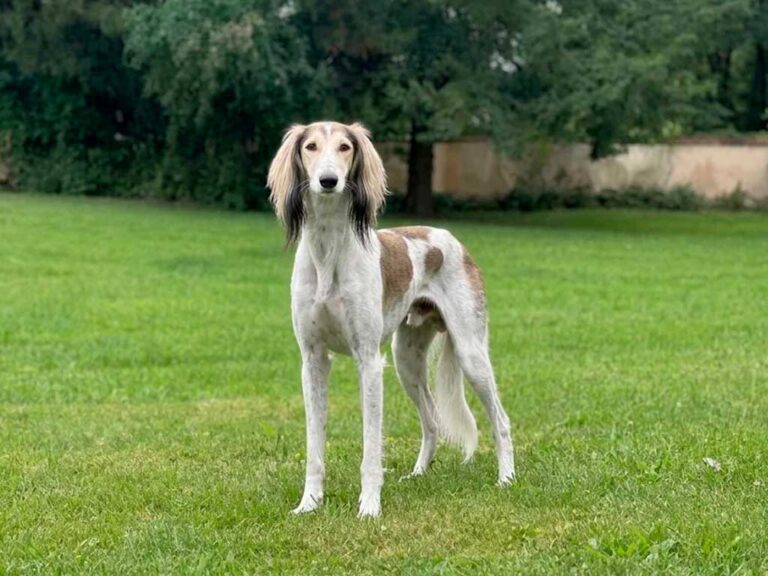
- The Saluki is the desert hound, built for endurance and just as aloof.
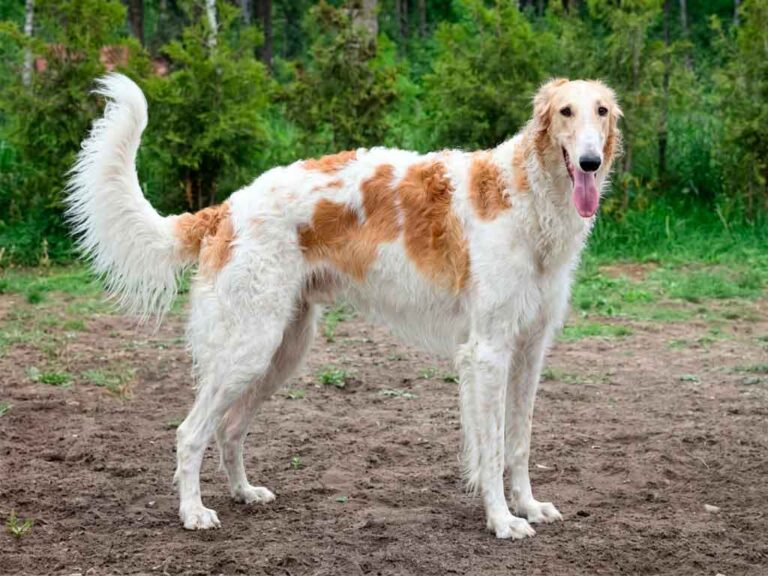
- The Borzoi is the Russian courser, larger and silkier.
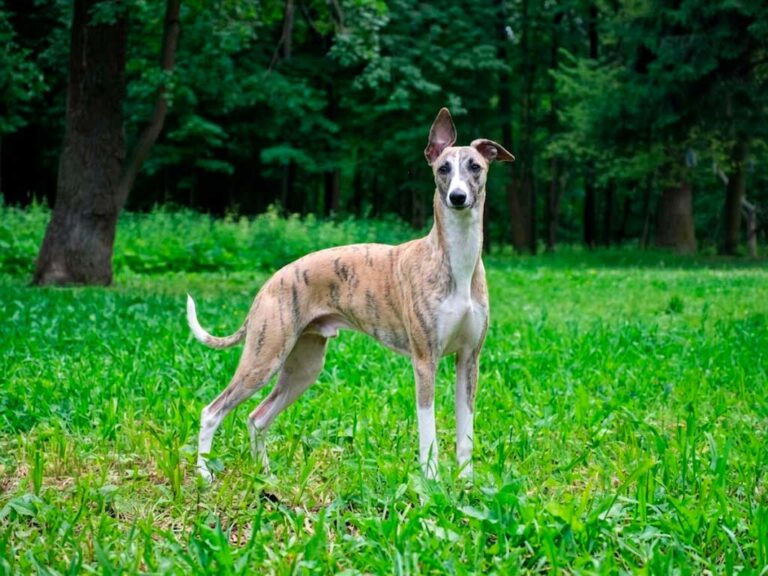
- The Whippet is the smallest of the four, and the easiest to live with.
Frequently Asked Questions
Sources
- Fédération Cynologique Internationale, Afghan Hound breed standard No. 228, full text (2026).
- Fossum, T. W., Birchard, S. J. and Jacobs, R. M., Chylothorax in dogs: 34 cases, JAVMA (1986).
- Hou, Y. et al., Hip dysplasia across 74 breeds: OFA data 1974 to 2009, PLOS ONE (2013).
- ECVO, Hereditary eye disease in the Afghan Hound (2021).