Neapolitan Mastiff: The Complete Guide to Italy’s Wrinkled Guardian
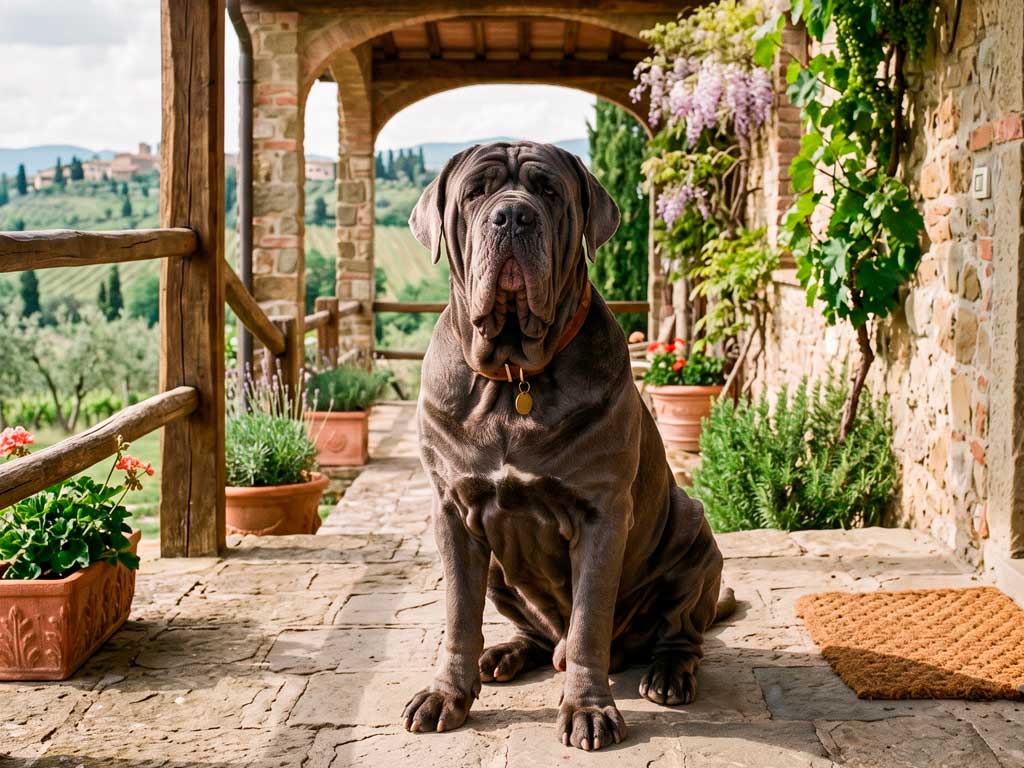
The Neapolitan Mastiff is instantly recognizable, with its loose, wrinkled skin and imposing frame. In this guide, you’ll learn where this ancient guardian breed comes from, what its temperament really looks like, and how to care for one properly.
We’ve combined veterinary insight and breed history to give you a trustworthy resource. By the end, you’ll know exactly what daily life with this drooly giant involves.
History and Origin
This breed traces back to the ancient Molossus, a fierce line of large dogs used by the Romans. Historians believe these dogs appeared in amphitheater combat and also served as war dogs.
Beyond the battlefield, the Neapolitan Mastiff later worked as a police dog in addition to its core role as a guardian. On Neapolitan estates, it reportedly learned the boundaries of the property instinctively and patrolled freely without a leash.
Consequently, this breed carries a strong protective legacy that still shapes its personality today.
Physical Characteristics
Males typically measure between 65 and 75 cm tall and weigh 50 to 70 kg, while females run slightly smaller. The body appears slightly longer than it is tall, giving the breed a powerful, low-slung silhouette.
Coat colors include blue, black, gray, brown, fawn, and brindle, sometimes with small white patches on the chest or toes. Loose skin drapes over the body and head, though it isn’t excessive compared to some other wrinkled breeds.
This breed isn’t hypoallergenic, and drooling is a defining trait. Expect frequent slobber on floors, furniture, and clothing.
Temperament and Personality
Watchful and deeply loyal captures the essence of the Neapolitan Mastiff’s guardian instincts. It stays alert at nearly all times, remaining devoted to its family while keeping a noticeable distance from strangers.
Because protective instincts run so strong, early socialization is essential, and experienced owners tend to have the best results. Dogs raised alongside another canine companion, ideally of the opposite sex, generally adjust well to a multi-dog household.
Before bringing one home, however, consider the real financial cost of feeding and caring for a dog this large. It’s a serious, long-term commitment.
Care Guide
Diet and Nutrition
Giant breeds require a different balance of minerals and vitamins to support joint and cartilage health. The Neapolitan Mastiff also eats a lot, so monitoring portions carefully matters just as much as choosing quality food.
This breed is prone to bloat and other stomach issues, both of which can turn serious quickly. Smaller, more frequent meals throughout the day help reduce that risk.
Exercise Requirements
Adults generally need about one hour of exercise daily. Puppies, on the other hand, should avoid overexertion, since young joints are more vulnerable to sprains during growth.
Grooming Needs
Weekly brushing is enough to manage the short, low-maintenance coat. However, the wrinkles and facial folds need cleaning once or twice a week to prevent irritation or infection.
Drool cleanup is a daily reality with this breed. Keep towels handy, since slobber tends to end up on walls, furniture, and anyone standing too close after mealtime.
Training and Education
Consistency and an early start make training far more manageable with a dog this powerful. Positive reinforcement works well, and additional training around other pets is often necessary given the breed’s strong guarding instincts.
Because of its ancestral hunting drive, the Neapolitan Mastiff may not reliably come when called off-leash. Extra caution in open spaces is worth the effort to avoid a chase.
Health and Longevity
Life expectancy for this breed runs between 8 and 10 years. Much like other giant breeds, extreme breeding practices have contributed to several inherited health conditions.
Hip and elbow dysplasia, along with hereditary eye disorders, appear frequently. Skin infections are also common due to the breed’s deep wrinkles, so regular cleaning plays a real role in prevention.
This article offers general guidance only. Always work with a licensed veterinarian for advice tailored to your dog’s specific health needs and breeding background.
Is This the Right Dog for You?
Prior experience with large or giant breeds makes a meaningful difference here. First-time owners can struggle with this dog’s size, protective instincts, and grooming demands.
Households ready for the mess, the drool, and the financial commitment tend to thrive with a Neapolitan Mastiff. In return, they gain an unwaveringly loyal and watchful companion.
Frequently Asked Questions
Is the Neapolitan Mastiff good with children?
It can be, though supervision remains essential given its size and protective nature. Early socialization helps the dog adjust comfortably to family life.
How much does a Neapolitan Mastiff drool?
Quite a lot. Daily cleanup is part of normal life with this breed, especially around the face and after meals.
What health issues are common in this breed?
Hip and elbow dysplasia, hereditary eye conditions, and skin infections in the facial folds are the most frequently reported concerns.
Does this breed need a lot of exercise?
Not excessively. About one hour of daily activity suits adult dogs well, though puppies need gentler routines to protect their growing joints.
Is the Neapolitan Mastiff easy to train?
It requires patience and consistency, particularly around recall, since the breed’s strong prey drive can override commands off-leash.
If you’re weighing a Neapolitan Mastiff against other giant guardian breeds, start by researching a breeder’s hip and eye screening records. That single step tells you more about a puppy’s future health than almost anything else. For more giant breed profiles, check out our English Mastiff guide on Happy Pet Zone.