Miniature Schnauzer: Personality, Care, Health & Lifespan
A Miniature Schnauzer brings a lot of dog into a compact frame: quick intelligence, a watchful nature, and a personality that rarely fades into the background.
If you are considering this breed, plan for daily activity, regular coat care, and patient training from the beginning.
This guide covers the breed’s temperament, size, grooming routine, nutrition, health concerns, and the kind of home where a Miniature Schnauzer is most likely to thrive. It also explains what to ask a breeder or rescue before bringing one home.
Miniature Schnauzer at a Glance
- Size: Usually 12–14 inches tall and around 12–20 pounds.
- Life expectancy: Commonly about 12–15 years, though individual dogs vary.
- Coat: A wiry outer coat with a softer undercoat; regular grooming is essential.
- Personality: Alert, clever, spirited, and often vocal.
- Daily needs: Exercise, short training sessions, companionship, and coat maintenance.
Where the Miniature Schnauzer Comes From
The Miniature Schnauzer developed in Germany from the Standard Schnauzer and smaller breeds. Farmers wanted a compact, useful dog with the same alertness and working drive as its larger relatives. The breed’s beard and eyebrows became defining features, but the dog behind that distinctive face was bred to be active and observant.
That history still shows up at home. Many Miniature Schnauzers notice every sound, investigate changes in their surroundings, and enjoy having a job to do. If you are comparing the family, read our guides to the Standard Schnauzer and the Giant Schnauzer to see how size and care needs differ.
Size, Coat, and Appearance
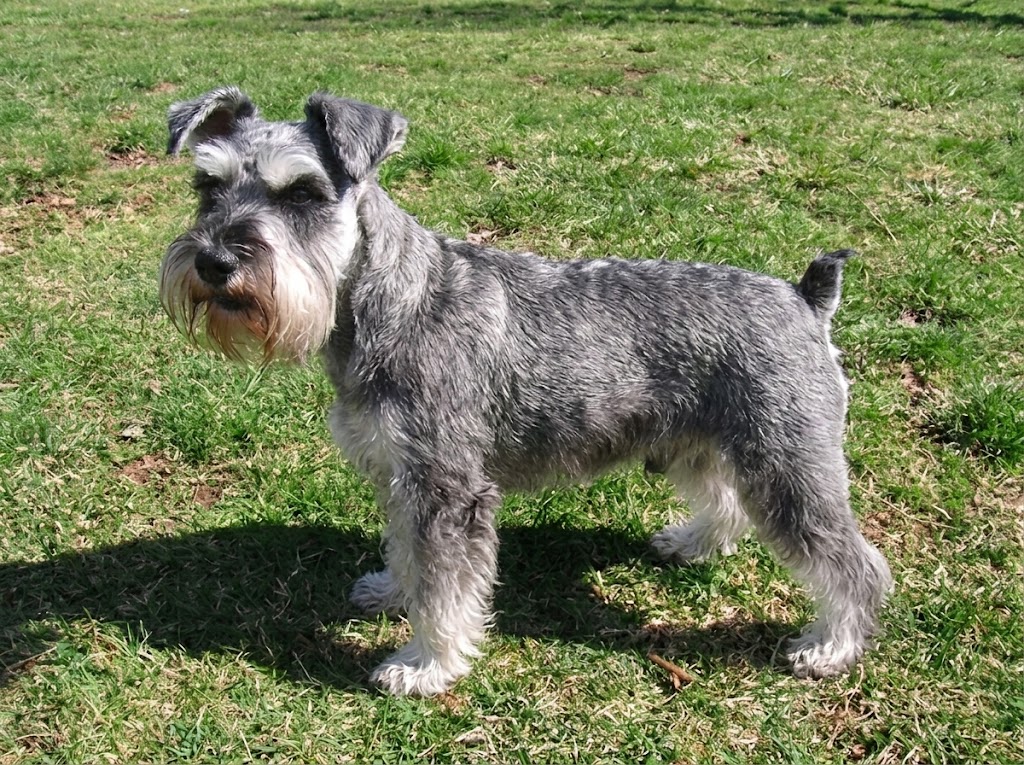
Most Miniature Schnauzers stand around 12 to 14 inches at the shoulder and weigh about 12 to 20 pounds. They are sturdy, square-built dogs rather than delicate toy companions. Their small size can work well in an apartment, provided their exercise and mental needs are met.
The double coat has a wiry top layer and a softer undercoat. Common standard colors include salt and pepper, black and silver, and solid black; white is also recognized by some kennel organizations. Coat colors and show rules can vary by registry, so check the standard used by the organization you follow.
The beard and eyebrow furnishings need extra attention because food, moisture, and debris can collect there. Regular brushing and trimming help keep the coat comfortable and reduce tangles.
Temperament: Smart, Busy, and Watchful
Miniature Schnauzers are often affectionate with their families, curious about their surroundings, and ready to join in. Their intelligence makes training rewarding, but it can also mean they quickly learn which behaviors get attention. Boredom may show up as barking, pestering, or finding their own entertainment.
They were developed as alert working dogs, so barking at visitors or unfamiliar sounds is common. Early practice helps a dog learn when to alert and when to settle. Do not expect every individual to be quiet by nature; instead, teach a calm response and reward it consistently.
With children, the best results come from respectful handling and supervision. Teach children to give the dog space while eating or resting, and provide the dog with a quiet place to retreat. Introductions to other pets should be gradual, especially if the dog is highly interested in small animals.
Everyday Care
Diet and Nutrition
A Miniature Schnauzer needs a complete, balanced diet appropriate for its age, body condition, and activity level. Measure meals rather than leaving food available all day, and adjust portions with your veterinarian if weight changes. Treats count toward daily calories, so keep them modest.
This breed has a recognized risk of certain metabolic and digestive problems, including elevated blood fats and pancreatitis. That makes it sensible to avoid frequent rich table scraps and to discuss any history of digestive trouble with your veterinarian. Do not change a dog’s diet to treat a medical condition without professional guidance.
If you are comparing fresh-food options, JustFoodForDogs offers meals made for dogs, and our JustFoodForDogs feeding guide explains how to review the options. You can also read our JustFoodForDogs review. Whatever food you choose, confirm that it is complete and balanced for your dog’s life stage and ask your veterinarian whether it fits your dog’s individual needs.

FROM JUSTFOODFORDOGS
Just Fresh
Resealable meals. No preservatives. Open, serve, refrigerate.
Shop Just FreshHappy Pet Zone may earn a commission when you click through to JustFoodForDogs, at no extra cost to you.
For broader feeding basics, visit our dog nutrition guide. Fresh, cooked, raw, and dry diets are not interchangeable without considering nutritional adequacy, safe handling, and the dog’s health.
Exercise and Mental Enrichment
Most Miniature Schnauzers do well with a combination of daily walks, sniffing opportunities, play, and brief training games. Around an hour of total activity is a useful starting point for many healthy adults, but age, health, weather, and individual energy levels matter.
A large yard is not essential. A walk that allows sniffing, a food puzzle, or five minutes of practicing cues can be more engaging than unstructured time outdoors. Puppies and older dogs need routines adjusted to their stage of life.
Grooming Routine
Brush the coat several times a week, paying attention to the beard, legs, and areas where tangles develop. Check the ears and paws during grooming, and keep nails trimmed so they do not interfere with comfortable movement.
Pet owners often choose clipping, while show coats may require hand-stripping to maintain the correct texture. A professional groomer familiar with Schnauzers can help you choose a schedule and style. Wipe the beard when needed and dry it thoroughly to keep the skin comfortable.
Training a Miniature Schnauzer
Start training early, keep sessions short, and make the reward clear. This breed is usually motivated by food, play, praise, or the chance to investigate something interesting. Consistency matters more than force; harsh corrections can make learning harder and damage trust.
- Socialize thoughtfully: Introduce people, surfaces, sounds, and friendly dogs in positive, manageable steps.
- Teach a quiet cue: Reward a pause in barking before the dog becomes overexcited.
- Practice recall: Begin in a low-distraction area and use a long line outdoors until the response is reliable.
- Use variety: Mix basic cues with scent games, puzzle feeders, and simple tricks.
- Reward calm behavior: Notice when your dog settles on its own, rather than giving attention only when it demands it.
If you are bringing home a puppy, our puppy care guide covers the foundations of training, feeding, hygiene, and play.
Health and Lifespan
Many Miniature Schnauzers live around 12 to 15 years. Good preventive care, healthy body condition, dental care, and routine veterinary visits all support long-term wellbeing. No breed guide can predict an individual dog’s health, so use these conditions as topics to discuss rather than a diagnosis.
- Pancreatitis and elevated blood fats: Digestive or metabolic problems can occur, and your veterinarian may recommend blood testing or dietary management based on individual risk.
- Urinary stones: Changes in urination, blood in the urine, or straining need prompt veterinary assessment.
- Eye disease: Cataracts and inherited retinal conditions can affect vision; ask breeders about appropriate screening.
- Schnauzer comedo syndrome: This skin condition can cause blackheads and bumps along the back.
- Diabetes and thyroid disorders: Changes in thirst, urination, weight, skin, or energy should be checked by a veterinarian.
Choose a breeder who can explain health screening and provide records, or ask a rescue what is known about the dog’s medical history. A veterinarian can help set a screening plan based on age, family history, and symptoms. For general dog wellness topics, see our dog health resource.

Happy Pet Zone may earn a commission when you click through to Lemonade, at no extra cost to you.
Choosing a Breeder or Rescue
Ask direct questions about temperament, health history, early socialization, and the dog’s daily routine. Responsible breeders should welcome questions and share relevant records. Be cautious of sellers who pressure you to pay quickly, will not let you ask about the puppy’s background, or make guarantees that no breeder can honestly make.
Adoption can be a good route, too. Adult dogs may already have established habits, which can help you understand their energy level and barking before bringing them home. Whether you adopt or buy, focus on the individual dog rather than coat color or appearance alone.
Is a Miniature Schnauzer Right for Your Home?
This breed may suit someone who wants a small, engaged companion and is happy to spend time training, walking, and grooming. It can adapt to different home sizes, but it is rarely a low-interaction dog. Think about your tolerance for barking, your grooming budget, and how much daily attention you can realistically provide.
If you are still comparing breeds, explore our dog breed guides before making a decision. The right match is one whose needs fit your everyday life, not just one whose appearance you love.
Frequently Asked Questions
Health note: This article is for general education and does not replace veterinary advice. Contact your veterinarian about symptoms, screening, or nutrition decisions for an individual dog.
Sources and Further Reading
- American Kennel Club: Miniature Schnauzer
- United Kennel Club: Miniature Schnauzer breed standard
- Embark: Miniature Schnauzer breed profile