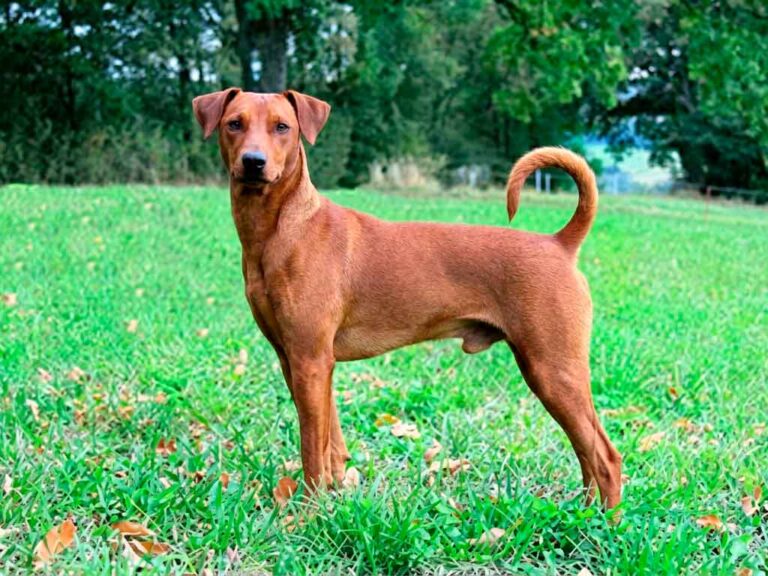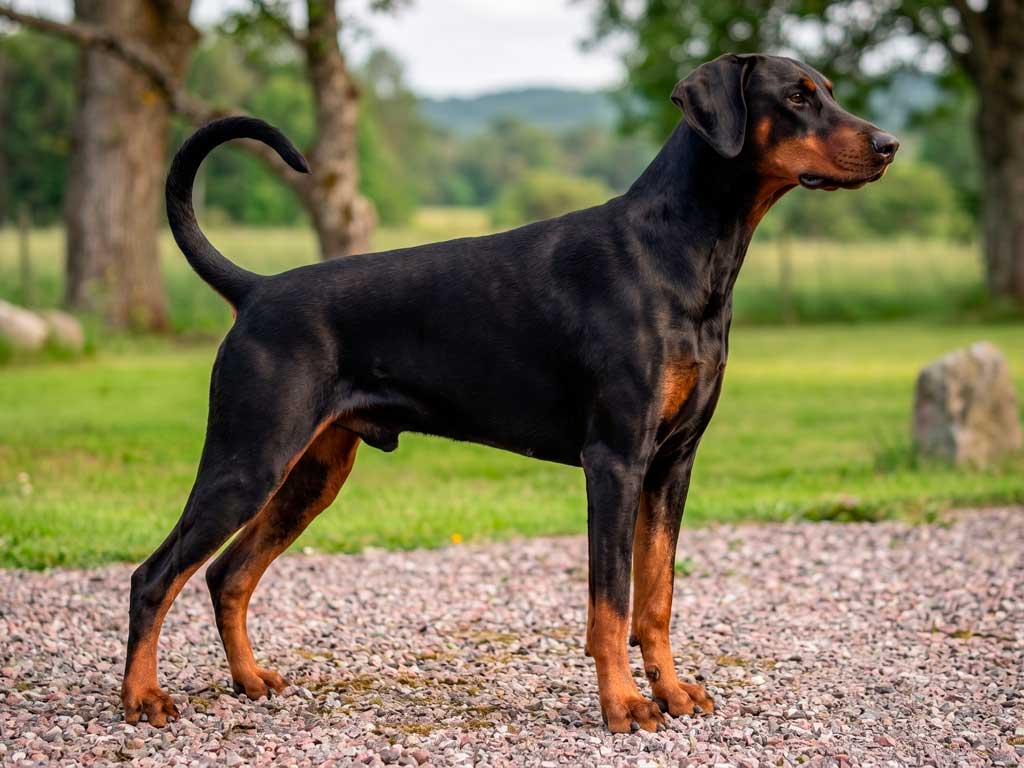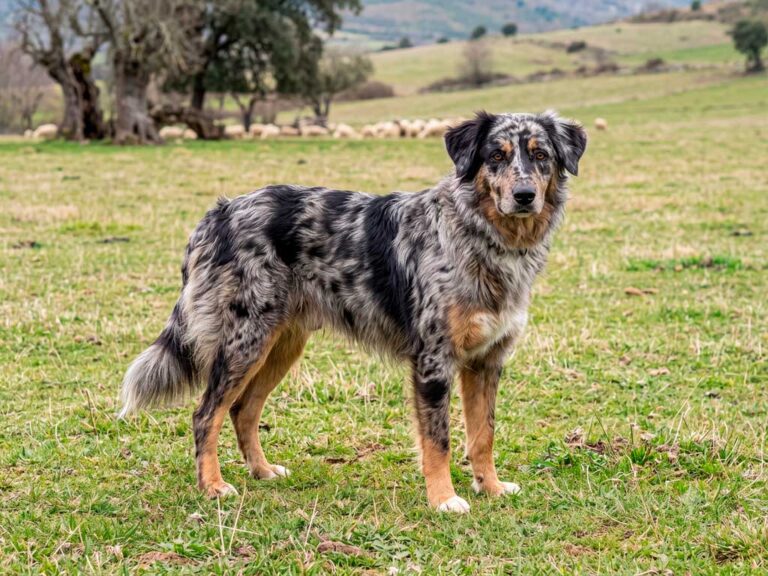
Xoloitzcuintle Dog Breed: Mexico’s Ancient Dog God
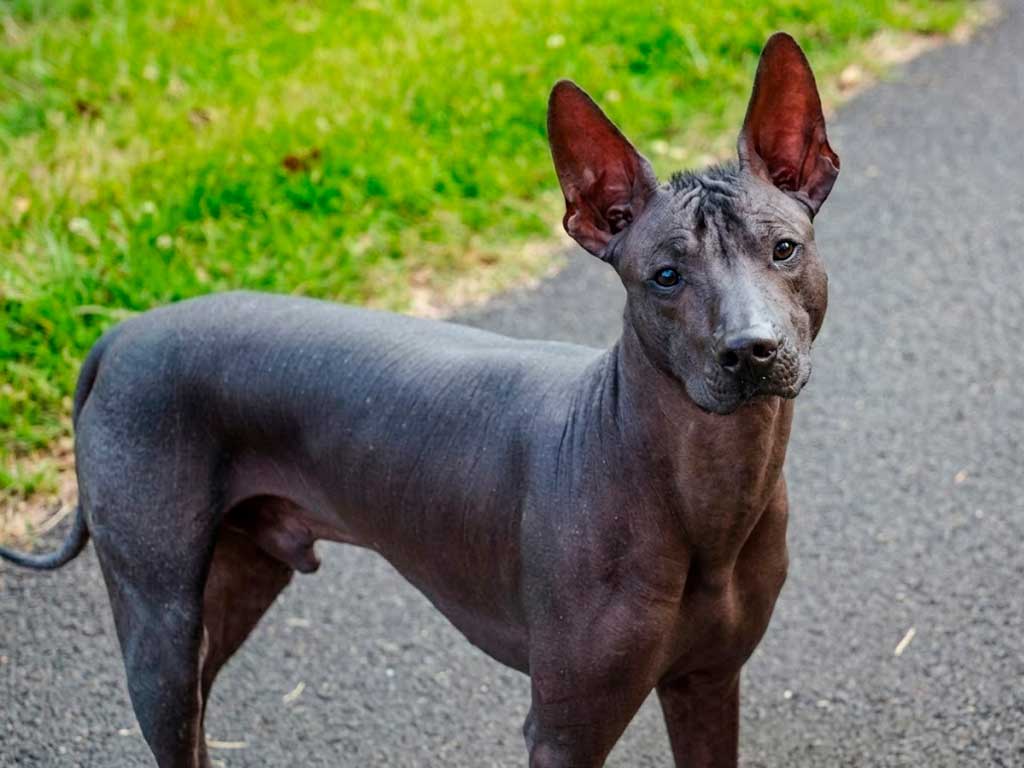
Have you ever considered sharing your home with a dog that has thousands of years of history and very little body hair? The Xoloitzcuintle dog, also known as the Xoloitzcuintli or Mexican Hairless Dog, is an ancient Mexican breed with a distinctive appearance and a strong attachment to its family.
Xolos come in three sizes and two coat varieties, so there’s more to choosing one than deciding whether you prefer a hairless dog. Their temperament, exercise needs, skin care, and early socialization all deserve consideration before you bring a puppy home.
The breed also has a remarkable cultural history. Indigenous peoples of Mexico associated Xolos with spiritual protection and the journey into the afterlife. Today, these intelligent, alert dogs are valued primarily as companions and watchdogs.
Here’s what you should know about their personality, health, daily care, and suitability for your household.
History and Origin of the Xoloitzcuintle Dog
The Xoloitzcuintli is one of the oldest recognized dog breeds in the Americas. Archaeological finds from ancient Mexican cultures include ceramic figures resembling hairless Xolos, providing evidence of the breed’s long cultural history.
The name combines Xolotl, the name of an Aztec deity, with itzcuintli, the Nahuatl word for dog. The association with Xolotl helps explain the breed’s religious significance in ancient Mexico.
Some Indigenous traditions held that Xolos could protect people from harmful spirits and guide the souls of the deceased through the underworld. Historical accounts also describe their use in sacrificial ceremonies and as food on particular ritual occasions. These practices belong to a very different cultural context from the way most people keep dogs today.
The breed’s survival was not always assured. During the twentieth century, efforts to locate and preserve native Xolos helped establish the foundation for modern breeding programs. The Mexican kennel club recognized the breed in the 1950s, and the American Kennel Club later recognized the Xoloitzcuintli in its Non-Sporting Group.
You can explore the breed’s cultural background and preservation history through the Xoloitzcuintli Club of America.
Physical Characteristics: Size, Coat, and Appearance
A Xolo has a lean, muscular body, a long neck, large upright ears, and an alert expression. Despite its unusual appearance, this is a sturdy dog built for movement rather than a delicate companion intended to spend all day on the sofa.
The Three Xoloitzcuintli Sizes
The breed comes in three recognized sizes: Toy, Miniature, and Standard.
| Size | Height at the shoulder | Typical weight |
|---|---|---|
| Toy | 10–14 inches | 10–15 pounds |
| Miniature | 14–18 inches | 15–30 pounds |
| Standard | 18–23 inches | 30–55 pounds |
These figures are general breed references, not guaranteed measurements for an individual dog. Adult size depends on genetics and development.
A Toy Xolo may suit someone looking for a smaller companion, while a Standard has a more substantial build and may be better suited to owners who enjoy longer outdoor activities. All three sizes need daily exercise, training, and meaningful interaction with their people.
Hairless and Coated Xolos
The hairless variety is the one most people recognize. Its skin is generally smooth and may have a small amount of coarse hair on the head, feet, or tail.
The coated Xolo has a short, close-fitting coat covering its body. Both varieties belong to the same breed, and hairless and coated puppies can occur in the same litter.
Hairlessness is associated with a genetic variant that also affects tooth development. Consequently, some hairless Xolos have missing teeth or an irregular dental arrangement. The coated variety generally has a more complete set of teeth.
Colors and Distinctive Features
Xolos can have skin or coats in colors including black, gray, slate, red, liver, bronze, and other recognized shades. Some individuals also have lighter markings.
Their large ears help create the breed’s distinctive silhouette. The skin can feel warm to the touch, which has contributed to traditional beliefs about the dog’s comforting or healing qualities.
That warmth may make a Xolo pleasant to cuddle, but it does not give the dog any special medical healing ability.
Shop for Your Breed

Just Food For Dogs – Fresh Frozen
Fresh meals. Gently cooked, then frozen to lock in nutrients. 100% Human Grade Ingredients. Gently Cooked in the USA. #1 Vet-Recommended Fresh Food.
Shop on JustFoodForDogs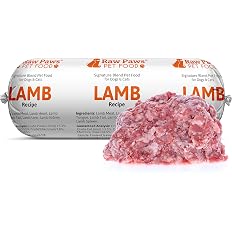
Raw Paws Pet Food – Frozen Raw Pet Food
Feeding your pet a frozen raw pet food diet is a simple way to deliver real, whole-food nutrition in its most natural form.
Shop on RawPawsPetFood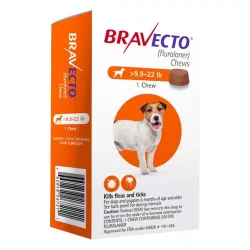
Bravecto Chews for Dogs
Bravecto is a long-lasting flea and tick protection option for your dog. 1 dose of Bravecto chew provides up to 12 weeks of powerful protection, which is nearly 3 times longer than a monthly treatment.
Shop on BestVetCare.com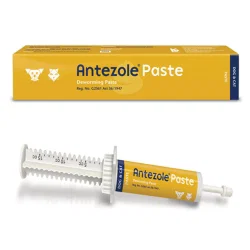
Deworming Treatments for Dogs
BestVetCare offers you a wide range of worm treatments which come in a variety of forms such as oral paste, tablets, granules, and liquid solutions.
Shop on BestVetCare.comHappyPetZone participates in various affiliate programs with brands and retailers. We may receive a commission on purchases made through our links, at no extra cost to you.
Temperament and Personality
The Xoloitzcuintle is typically calm and attentive at home, with an affectionate side that becomes especially apparent around familiar people. Many develop a close bond with their primary caregivers.
Don’t assume that a quiet dog is automatically an easy dog, though. Xolos are intelligent and can be independent, particularly when a training exercise doesn’t interest them.
Are Xolos Good Family Dogs?
A well-socialized Xolo can make a loving family companion. Its suitability depends on the individual dog’s temperament, the children’s behavior, and the time available for training.
Children should learn to interact gently with dogs, respect resting spaces, and avoid grabbing at the ears or skin. Supervise interactions, especially with young children and Toy-sized dogs.
Xolos may be reserved around unfamiliar people. Early, positive introductions help them learn that visitors, everyday noises, and new environments are normal parts of life.
Do Xolos Get Along With Other Pets?
Some Xolos live successfully with other dogs and cats, especially when introductions are handled carefully. However, individual temperament matters more than a blanket promise that the breed will get along with every animal.
Their prey drive can make homes with rabbits, guinea pigs, rodents, or other small animals more challenging. Never assume that a Xolo will be safe around a smaller pet without supervision and appropriate separation.
Are Xolos Good Watchdogs?
Yes, Xolos are often alert to unfamiliar people and activity around the home. They may bark to announce visitors or investigate unusual sounds.
That protective tendency needs sensible boundaries. Reward calm behavior and teach your dog when to settle, rather than encouraging suspicion toward everyone outside the household.
Xoloitzcuintle Care Guide
The right routine depends on your dog’s size, age, coat variety, skin condition, and activity level. Hairless Xolos have particular grooming considerations, while coated dogs need ordinary coat care alongside the same basic health and exercise routines.
Skin Care for Hairless Xolos
A hairless Xolo doesn’t need regular brushing over most of its body. Its exposed skin does, however, need attention.
Keep these habits in mind:
- Bathe when needed. Use a gentle dog shampoo and rinse thoroughly. Frequent harsh washing can irritate the skin.
- Check for irritation. Look for persistent redness, itching, pimples, sores, unusual odor, or changes in pigmentation.
- Use moisturizers cautiously. If your dog’s skin is dry, ask your veterinarian which dog-safe product is appropriate. Avoid assuming that baby oil or human skincare products are suitable.
- Protect against excessive sun exposure. Provide shade and avoid prolonged exposure to intense sunlight. Ask your veterinarian about a dog-safe sunscreen if needed.
- Watch for adolescent acne. Some young hairless Xolos develop acne-like skin changes as they mature. Don’t squeeze pimples or apply human acne medication without veterinary advice.
A healthy skin barrier matters more than achieving a particular shine or texture. If a problem persists, veterinary advice is preferable to experimenting with several products.
Grooming a Coated Xolo
Coated Xolos have relatively low-maintenance fur. An occasional brushing helps remove loose hair and keeps the coat clean.
Both varieties need regular nail trimming, ear checks, dental care, and bathing when appropriate. Hairlessness doesn’t eliminate ordinary grooming responsibilities.
Dental Care
Dental care deserves special attention in hairless Xolos because missing or irregular teeth can occur alongside the hairless trait.
Check your dog’s mouth during routine care and introduce toothbrushing gradually with toothpaste made for dogs. Never use human toothpaste.
Arrange a veterinary examination if you notice persistent bad breath, bleeding gums, difficulty chewing, or reluctance to eat. Missing teeth don’t automatically mean a dog has dental disease, but existing teeth still require care.
Diet and Nutrition
A balanced diet supports healthy skin, muscle development, and a suitable body condition. Choose a complete dog food appropriate for your Xolo’s life stage and individual needs.
Toy and Miniature Xolos generally require smaller portions than Standard Xolos. However, size alone doesn’t determine the correct amount. Age, activity, metabolism, and the calorie content of the food all matter.
A practical feeding routine includes:
- Measuring meals instead of estimating portions by eye.
- Dividing the daily amount into meals appropriate for your dog’s age and needs.
- Accounting for treats when calculating daily calories.
- Providing clean, fresh water throughout the day.
- Monitoring body condition and adjusting portions with veterinary guidance.
Some Xolos have missing teeth or an unusual bite. If your dog struggles with its usual food, ask your veterinarian whether changing the food’s texture would help.
Puppies need a diet formulated for growth, while adults and seniors may require different calorie levels. Our dog nutrition guide explains the fundamentals of choosing an appropriate feeding routine.
Exercise Requirements and Mental Stimulation
Xolos need daily movement, play, and opportunities to explore. Their exercise requirements vary by size, age, health, and individual energy level.
Many adult dogs do well with a combination of walks, interactive play, and short training sessions. Young dogs may need several manageable activity periods rather than one long, demanding outing.
Mental exercise matters, too. Try food puzzles, reward-based training, scent games, and simple activities that encourage your dog to think.
A bored Xolo may find its own entertainment by chewing household objects, jumping over barriers, or investigating places you would prefer it to leave alone.
Can a Xolo Live in an Apartment?
Yes, some Xolos adapt well to apartment living when their exercise and social needs are met.
You will still need regular walks, training, and opportunities to experience the outside world. A small living space doesn’t remove the need for activity.
Secure doors, windows, balconies, and outdoor areas appropriately. Xolos can be agile jumpers and climbers, so don’t assume a modest barrier will contain every individual.
Training and Socialization
Xolos are intelligent dogs, but intelligence doesn’t always translate into automatic obedience. Consistent, reward-based training helps them understand which behaviors earn attention and rewards.
Start with simple skills such as responding to their name, coming when called, walking on a loose leash, and settling on a mat.
Keep sessions short enough to maintain interest. Praise the behavior you want and reward progress rather than relying on punishment or intimidation.
Socialization is equally important. Gradually introduce your puppy to different people, everyday sounds, safe environments, and suitable dogs. Experiences should be positive and appropriate for the puppy’s age and vaccination status.
If your Xolo reacts fearfully to unfamiliar people or animals, give it space and seek guidance from a qualified, reward-based trainer when needed.
Here’s a useful starting point: choose one behavior to practise every day for five minutes. Consistency will help more than occasional, lengthy sessions.
Health Considerations and Lifespan
The Xoloitzcuintli is generally considered a healthy breed, and its typical life expectancy is around 13–18 years. Individual lifespan varies with genetics, preventive care, diet, and living conditions.
Responsible breeding and routine veterinary care are important, even when a dog appears healthy.
Health Issues to Discuss With Your Veterinarian
Potential concerns include:
- Skin problems: Hairless dogs may develop acne-like eruptions, irritation, or other skin conditions.
- Dental abnormalities: Missing or irregular teeth are more common in the hairless variety.
- Joint conditions: Hip dysplasia and patellar luxation are among the issues prospective owners should discuss with breeders.
- Eye and cardiac concerns: Ask what screening is appropriate for the parents and the breeding line.
The breed’s parent-club health guidance and your veterinarian can help you understand which examinations are appropriate. The American Kennel Club also lists recommended health evaluations for the breed.
Don’t interpret a health screening as a guarantee that a puppy will never develop a problem. Screening reduces uncertainty and helps responsible breeders make informed decisions.
When Should You Contact a Veterinarian?
Arrange an examination if you notice persistent skin irritation, difficulty eating, changes in movement, eye abnormalities, or other unexplained symptoms.
Sudden breathing difficulty, collapse, severe pain, or rapidly worsening illness warrants urgent veterinary attention.
General breed information cannot determine whether an individual dog’s symptoms are harmless. When in doubt, contact your veterinary practice.

Lemonade Pet Insurance
Explore customizable pet insurance coverage and learn whether Lemonade is the right fit for your dog or cat.
- Customizable coverage options
- Online policy management
Is the Xoloitzcuintle Hypoallergenic?
The Xolo is sometimes recommended to people who prefer a dog that sheds very little hair. However, no dog breed can be guaranteed to be hypoallergenic.
Dog allergens can come from saliva, skin flakes, and other biological material. Hairlessness doesn’t eliminate these allergens, and a person who reacts to one dog may respond differently to another.
If you have a dog allergy, speak with an appropriate healthcare professional before bringing a Xolo home. Spend time around the breed when possible, but remember that one short visit cannot guarantee you won’t develop symptoms later.
The AKC’s guide to dog breeds for people with allergies provides additional background on this issue.
Finding a Responsible Xolo Breeder
Xolos are less common than many familiar companion breeds, so finding a responsible breeder may take patience.
If you’re researching Xolo breeders or looking for Xolo puppies for sale, concentrate on health, temperament, and the conditions in which the dogs are raised.
Ask prospective breeders:
- What health evaluations have been performed on the parents?
- What dental characteristics are present in the hairless line?
- How are puppies socialized before they go to their new homes?
- What veterinary care, vaccinations, and records accompany each puppy?
- Can you meet the mother and see where the puppies are raised?
- What support is available after the puppy joins your family?
Be cautious of sellers who refuse reasonable questions, won’t provide health records, or pressure you to pay immediately.
How Much Does a Xoloitzcuintle Cost?
The price of a Xolo puppy varies with location, breeder, size variety, pedigree, and other factors. There isn’t a single price that applies to every puppy.
When budgeting, consider the ongoing cost of food, veterinary examinations, vaccinations, dental care, training, and any skin products recommended for your dog.
A low purchase price doesn’t necessarily represent better value if the seller cannot demonstrate responsible breeding practices. Likewise, a high price alone doesn’t prove that a breeder is reputable.
If you cannot find a suitable puppy locally, consider contacting a breed club about responsible breeders or rescue options.
Is the Xoloitzcuintle the Right Dog for You?
A Xolo can be a rewarding companion for someone who appreciates an intelligent, attentive dog and is prepared to invest time in training and socialization.
Before making a decision, consider these points:
A Xolo may suit your household if you:
- Want a dog that forms close bonds with familiar people.
- Can provide daily walks, play, and mental stimulation.
- Are willing to manage the specific grooming needs of a hairless or coated dog.
- Can introduce visitors and other animals carefully.
- Have time for consistent, reward-based training.
Think carefully if you:
- Want a dog that welcomes every stranger immediately.
- Cannot provide regular activity and companionship.
- Have small pets that could trigger a prey response.
- Expect a hairless dog to require no grooming or skin care.
- Need a dog guaranteed not to trigger allergies.
No breed is the perfect fit for every household. Meeting adult Xolos and speaking with a responsible breeder can help you understand what everyday life with one is actually like.
If you’re comparing distinctive breeds, our guides to the Chinese Crested and Pharaoh Hound offer useful starting points. You can also explore the full dog breed library.
The next step is simple: make a list of your household’s needs, arrange a conversation with a responsible breeder or rescue organization, and find out whether a Xolo’s temperament and care requirements fit your daily routine.