Chinese Crested Dog: Care, Temperament & Health Facts
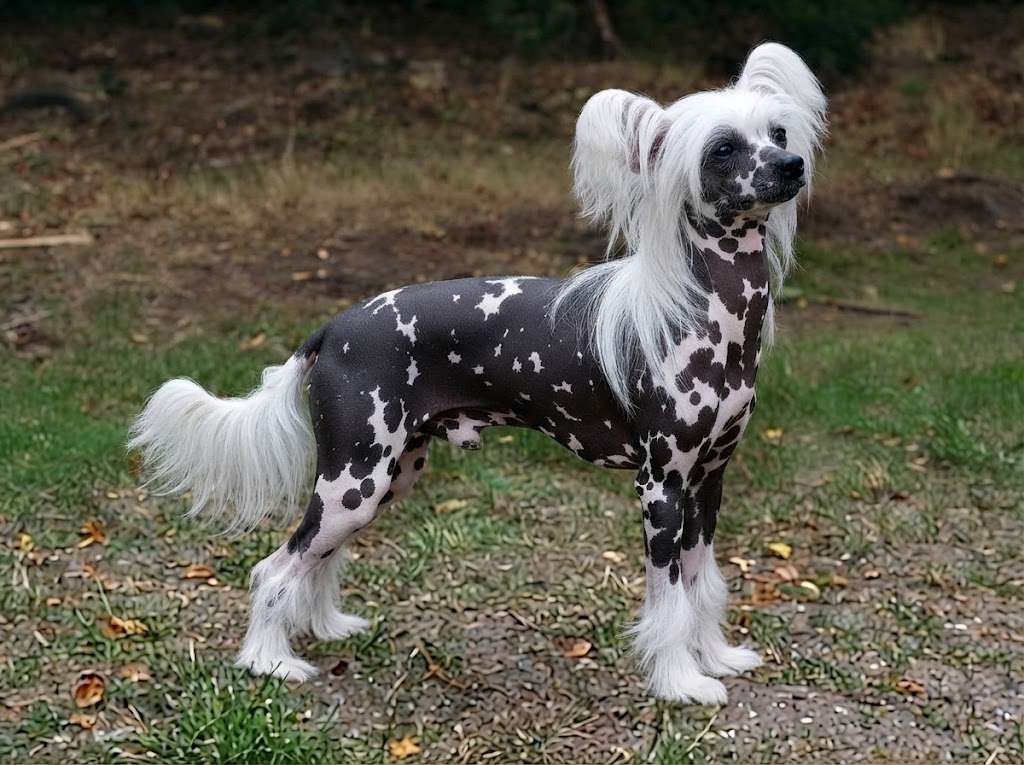
Have you ever seen a dog that looks like a tiny, elegant alien? If so, you’ve likely crossed paths with a Chinese Crested.
With their striking appearance, affectionate nature, and unique coat (or lack thereof), these dogs are truly one of a kind. But beneath their exotic looks lies a deeply loyal companion.
Whether you are considering adding one to your family or just curious about this fascinating breed, you are in the right place. Let’s dive right in and explore everything you need to know about the Chinese Crested dog.
The Surprising History of the Chinese Crested
Here is a plot twist: despite the name, the Chinese Crested likely did not originate in China.
Most canine historians believe the breed actually has African or Mexican roots. They are thought to be descended from the African Hairless Terrier. So, how did they get the “Chinese” name?
Back in the 13th century, these tiny dogs were brought to China. The Chinese bred them to be smaller and used them as “ratters” to hunt vermin on merchant ships. As these ships traveled the globe, the dogs were traded in various ports, which is why similar hairless breeds can be found in tropical regions across the world.
They eventually made their way to Europe in the late 19th century, where their unique looks made them instant favorites in dog shows and circuses. Today, the Chinese Crested is recognized worldwide not just for its looks, but for its vibrant personality.
Physical Characteristics: Hairless vs. Powderpuff
One of the most fascinating facts about the Chinese Crested is that a single litter can produce two completely different-looking puppies. The breed comes in two distinct varieties:
The Hairless Variety
This is the variety most people picture. The hairless Chinese Crested has smooth, soft skin with hair growing only on its head (the “crest”), tail (the “plume”), and feet (the “socks”). Their skin can be any color, and they often sport spotted patterns.
The Powderpuff Variety
The Powderpuff is covered in a soft, silky double coat that runs the entire length of their body. While they look completely different from their hairless siblings, they share the same elegant, graceful build.
Size and Weight:
Regardless of the variety, these are toy dogs.
- Weight: 8 to 12 pounds (4 to 5.5 kg)
- Height: 11 to 13 inches (28 to 33 cm) at the shoulder.
Chinese Crested Temperament and Personality
Don’t let their delicate appearance fool you. The Chinese Crested temperament is a mix of alertness, playfulness, and deep affection.
They are famously known as “Velcro dogs” because they love to stick to their owners like glue. If you go to the kitchen, they will follow. If you sit on the couch, they will burrow under the blankets right next to you.
However, they are also highly alert. They make excellent watchdogs because they are naturally suspicious of strangers and will quickly announce a visitor with a sharp bark.
Despite their alertness, they are incredibly sensitive. They do not respond well to harsh training or yelling. A gentle, loving approach is the only way to win the heart of a Chinese Crested.
Training and Exercise Needs
When it comes to training, the Chinese Crested is highly intelligent but can be easily distracted. Because they are sensitive, positive reinforcement is a must. Use plenty of treats, praise, and play to keep them engaged.
Socialization is also critical. Because they can be shy or aloof with strangers, exposing them to different people, sights, and sounds from a young age will prevent them from developing fear-based behaviors.
Exercise Requirements:
You might think a small, hairless dog needs zero exercise, but that is a myth. They are surprisingly energetic and playful.
- A daily 20 to 30-minute walk is usually enough.
- They love indoor play sessions and games of fetch.
- They excel in canine sports like agility and rally obedience.
Pro tip: Because they lack a thick coat (in the hairless variety) and have low body fat, they get cold easily. In the winter, you will need to put a cozy dog sweater on them before heading outside.
Grooming and Skincare for the Chinese Crested
This is where the Chinese Crested requires the most work. Their grooming needs are highly specific, especially for the hairless variety.
Skincare for the Hairless Variety
Their skin is remarkably like human skin. It can get sunburned, dry, and acne-prone.
- Sun protection: You must apply pet-safe sunscreen before they go outside in the sun.
- Moisturizing: Regular baths with a gentle, hypoallergenic shampoo followed by a good moisturizing lotion will keep their skin from cracking.
- Acne treatment: Many hairless Cresteds break out in blackheads. Wiping their skin with a damp cloth or using vet-approved acne wipes can help keep their pores clear.
Grooming the Powderpuff
The Powderpuff is actually higher maintenance in terms of brushing. Their long, straight coat needs to be brushed a few times a week to prevent tangles and mats.
Dental Care
This is crucial for both varieties. The hairless Chinese Crested is genetically prone to severe dental issues, including missing teeth and periodontal disease. You must brush their teeth daily and schedule regular professional cleanings with your vet.
Chinese Crested Health Problems and Lifespan
Generally speaking, the Chinese Crested is a robust and long-lived breed. It is not uncommon for them to live well into their mid-to-late teens. The average lifespan is 13 to 18 years.
However, like all purebred dogs, they are prone to certain hereditary health conditions:
- Progressive Retinal Atrophy (PRA): A degenerative eye disorder that eventually leads to blindness. Because dogs adapt so well to vision loss, they can still live very happy lives.
- Legg-Calvé-Perthes Disease: A condition where the ball portion of the hip joint degenerates, leading to arthritis.
- Primary Lens Luxation (PLL): An eye disease where the lens of the eye dislocates.
- Dental Issues: As mentioned, poor dentition and early tooth loss are highly common in the hairless variety.
Always ask breeders for health clearances for the parents, specifically for eyes (CERF) and knees (OFA).
Is the Chinese Crested Dog Right for You?
The Chinese Crested is a wonderful companion for the right owner. They are perfect for apartment dwellers, seniors, or anyone looking for a deeply devoted lap dog.
However, they are not the right fit for everyone. If you work long hours and leave your dog alone all day, this breed will suffer from severe separation anxiety. Furthermore, if you aren’t willing to commit to a strict skincare and dental routine, the hairless variety might be too high-maintenance for your lifestyle.
But if you want a quirky, loving, and entertaining best friend who will follow you from room to room, the Chinese Crested might just be your perfect match.
Frequently Asked Questions
For another hairless breed with a genuinely fascinating history, the Xoloitzcuintle was sacred to the Aztecs, who called it the “dog god” and believed it held divine healing powers.