Norwegian Elkhound: The Complete Owner’s Breed Profile
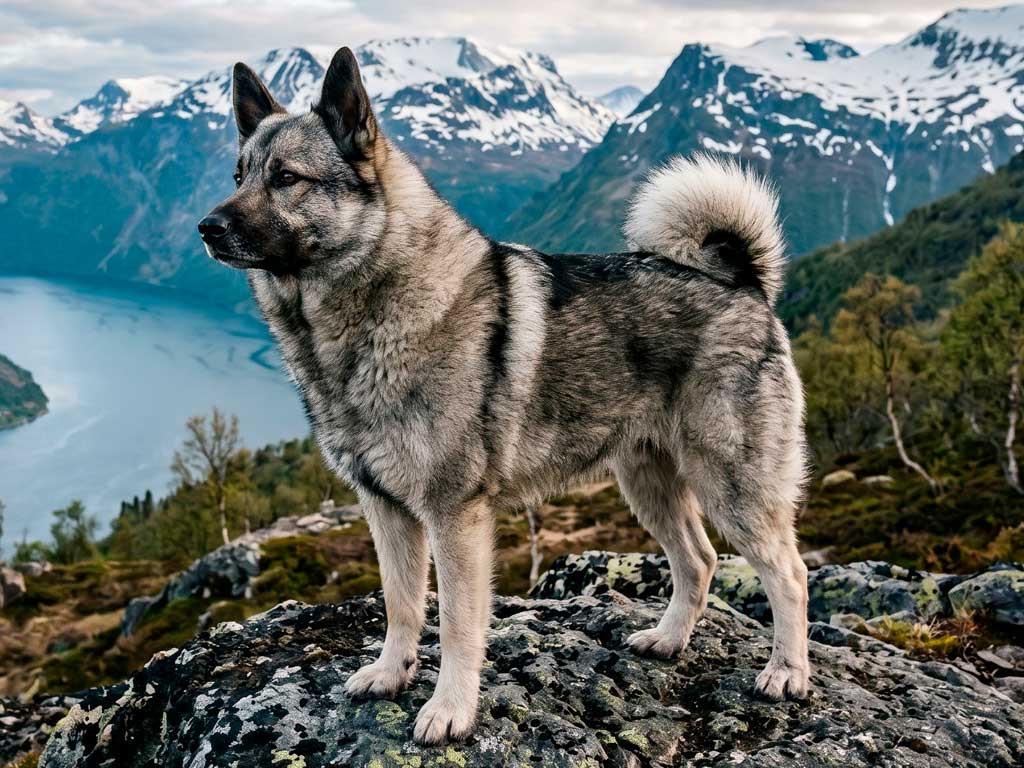
The Norwegian Elkhound is one of the oldest and most fascinating dog breeds on the planet a fearless Viking hunting companion that still thrives as a loyal family dog today. In this complete breed profile, you’ll get everything you need to know: from the Elkhound’s ancient Arctic roots to its daily care requirements, health risks, and whether this bold Spitz-type dog is the right fit for your household.
History and Origin of the Norwegian Elkhound
The Norwegian Elkhound (also called Norsk Elghund in its home country) is among the most ancient breeds in existence.
Archaeologists have uncovered skeletal remains of dogs strikingly similar to modern Elkhounds that date back to 4,000–5,000 BC. These dogs lived alongside Stone Age Scandinavians, braving the same freezing fjords and dense forests.
Their original job? Hunting moose — and not in a passive sense.
The Elkhound would track a moose through kilometers of rugged terrain, then bark relentlessly to pin it in place and alert the hunter. This required extraordinary stamina, tenacity, and nerve. After all, a moose can stand over 6 feet tall and weigh more than 1,000 pounds. Holding one at bay — solo — demands serious grit.
The breed made its first appearance at a Norwegian dog show in 1877, and the Norwegian Kennel Club officially established the breed standard shortly after. Today, the Norwegian Elkhound remains an active hunting dog in Scandinavia, while also earning devoted fans across the UK and US as a companion and show dog.
Physical Characteristics
The Norwegian Elkhound has a compact, almost square build that radiates power and endurance.
Here’s a quick snapshot of the breed’s physical profile:
- Height: Males stand around 20.5 inches (52 cm); females, 19.3 inches (49 cm)
- Weight: Males average 50 lbs (23 kg); females, 44 lbs (20 kg)
- Coat: Dense double coat in various shades of gray, with black-tipped guard hairs on the outer layer
- Ears: Erect and pointed — classic Spitz-type
- Tail: Tightly curled over the back
- Build: Short-backed, muscular, and surprisingly agile
The double coat is specifically engineered for harsh Nordic weather. The soft woolly undercoat provides insulation, while the longer, coarser outer coat repels snow and rain. It’s functional, beautiful — and a serious shedder, especially during seasonal blowouts.
Their gray-and-black coloring also has a practical origin: it provided natural camouflage in the birch forests and rocky tundra of Norway.
Temperament and Personality
The Norwegian Elkhound is loyal, energetic, and deeply affectionate with its family — but it’s not a breed for the faint-hearted.
Here’s what makes this dog tick:
Confident and alert. The Elkhound was bred to work independently, making decisions in the field without human direction. That instinct hasn’t gone anywhere. Expect a dog that thinks for itself.
Vocal — very vocal. This breed barks. A lot. It’s in their DNA; barking was literally their job. Without early training to manage it, this trait can become a significant problem for neighbors and apartment dwellers.
Loyal and family-oriented. Despite their independence, Norwegian Elkhounds bond deeply with their people. They enjoy companionship and tend to be affectionate without being clingy.
Good with kids — with supervision. Elkhounds can coexist happily with children, but due to their boisterous energy and strong will, interactions between young children and dogs should always be supervised.
Cautious with other animals. Their hunting instincts mean they may chase small pets. Early socialization is key to making multi-pet households work.
Norwegian Elkhound Care
Diet and Nutrition
The Norwegian Elkhound is an active, muscular breed that needs a diet built for endurance rather than bulk.
Feed a high-quality commercial dog food appropriate for the dog’s age, weight, and activity level. Active adults typically do well on food with:
- A named animal protein as the first ingredient (chicken, salmon, lamb, etc.)
- Healthy fats for coat condition (omega-3 and omega-6 fatty acids)
- Controlled calorie density — this breed can gain weight if under-exercised
Divide daily portions into two meals rather than one large serving. This reduces the risk of bloat and helps maintain steady energy levels.
Always keep fresh water available. Monitor weight regularly, especially in less active individuals or dogs over age 7.
Avoid overfeeding. Elkhounds are food-motivated and will eat more than they need if given the opportunity.
Exercise Requirements
This is a working dog at heart, and it needs to move — every single day.
Aim for a minimum of one hour of vigorous exercise daily. Ideally split into two sessions: one in the morning and one in the evening. Activities that work well include:
- Brisk leash walks through varied terrain
- Off-leash play in a securely fenced yard
- Hiking and trail running (this is where they truly shine)
- Nose work and tracking activities that tap into their hunting instincts
One important caveat: Norwegian Elkhounds struggle in heat. Their thick Arctic coats make them prone to overheating in warm climates. Exercise them in early morning or evening during summer, and always watch for signs of heat stress.
Under-exercised Elkhounds become bored — and bored Elkhounds become destructive, vocal, and difficult to live with.
Grooming Needs
The Norwegian Elkhound’s double coat requires consistent attention.
Standard maintenance:
- Brush the coat 2–3 times per week to remove loose hair and prevent matting
- Increase brushing to daily during shedding seasons (spring and fall)
- Bathe as needed — typically every 6–8 weeks, or when visibly dirty
- Check and trim nails every 3–4 weeks
- Clean ears weekly to prevent buildup and infection
- Brush teeth several times per week with canine-formulated toothpaste
The Elkhound’s coat is naturally self-cleaning to a degree, but that doesn’t eliminate the need for regular brushing. During heavy shedding periods, expect significant amounts of fur — invest in a quality deshedding tool and a good vacuum.
This is emphatically not a hypoallergenic breed.
Training and Education
Training a Norwegian Elkhound is rewarding — but requires patience and consistency.
The good news: Elkhounds are intelligent and eager to please their owners. The challenge: they’re also independent thinkers who didn’t survive Stone Age Scandinavia by being blindly obedient.
Start early. Socialization and basic obedience training should begin as soon as your puppy comes home. Expose them to different people, sounds, environments, and animals during the critical window of 8–16 weeks.
Use positive reinforcement. Reward-based training (treats, praise, play) works best with this breed. Harsh corrections will cause them to shut down or become stubborn.
Address barking from day one. Teach a solid “quiet” command early. Consistency matters enormously — if barking is sometimes allowed, they’ll push boundaries constantly.
Keep sessions short and varied. Elkhounds bore easily with repetitive drills. Mix up training activities to keep them engaged.
This breed is best suited for owners with some prior dog experience. First-time dog owners can absolutely succeed, but should be prepared to invest time in learning positive training techniques.
Health and Longevity
The Norwegian Elkhound is a robust, long-lived breed with a lifespan of 12 to 15 years — impressive for a medium-large dog.
However, like all breeds, they carry predispositions to certain health conditions.
Common health concerns include:
- Hip and elbow dysplasia — a developmental condition affecting joint formation. It can cause lameness and arthritis. Hip and elbow screening before breeding is strongly recommended.
- Progressive Retinal Atrophy (PRA) — an inherited condition causing gradual vision loss, eventually leading to blindness. Eye exams for breeding dogs are essential.
- Hereditary eye conditions — several other ocular disorders can affect the breed.
- Obesity — a risk if exercise is insufficient and feeding isn’t carefully managed.
- Sebaceous cysts — benign skin cysts that occasionally appear in this breed.
To minimize genetic health risks, always source a puppy from a reputable breeder who conducts health clearances on both parents (hips, elbows, and eyes). Ask for documentation before committing.
Routine veterinary checkups twice yearly become increasingly important as your dog ages. Dental health, joint supplements, and weight management all play significant roles in long-term quality of life.
Is the Norwegian Elkhound the Right Dog for You?
Let’s be direct about who this breed suits — and who it doesn’t.
The Norwegian Elkhound is a great fit if you:
- Lead an active lifestyle with time for daily outdoor exercise
- Live in a cooler climate (or can manage heat exposure carefully)
- Have experience owning confident, independent dogs
- Want a loyal, long-lived companion who’s genuinely engaged with family life
- Have a securely fenced yard for off-leash play
- Don’t mind grooming and heavy seasonal shedding
Think carefully if you:
- Live in a hot climate
- Have close neighbors who would be bothered by frequent barking
- Have very limited time for daily exercise and training
- Have never owned a dog before and aren’t prepared for the learning curve
- Own cats or small animals and aren’t committed to careful socialization
The Elkhound is not a “set it and forget it” companion. It demands engagement, structure, and activity. In return, it gives you extraordinary loyalty, a bold personality, and an ancient bond with one of the most remarkable working breeds in history.
Frequently Asked Questions About the Norwegian Elkhound
1. Do Norwegian Elkhounds make good apartment dogs? Generally, no. They need significant daily exercise and bark frequently, both of which create challenges in apartment settings. A home with a securely fenced yard is much better suited to this breed’s needs.
2. Are Norwegian Elkhounds aggressive? Not typically. They’re bold and confident, but well-socialized Elkhounds are not aggressive dogs. Their guarding instinct may make them initially wary of strangers, but this is usually expressed through alerting barks rather than aggression. Early socialization is key.
3. How much does a Norwegian Elkhound shed? A lot — especially during spring and fall shedding seasons. This is a heavy-shedding breed that requires brushing multiple times per week year-round, and daily grooming during peak shed periods. It’s not a good choice for people with dog allergies.
4. Can Norwegian Elkhounds live with cats? It’s possible, but requires careful, early socialization. Their hunting instincts can trigger a chase response toward smaller animals. Introducing them to cats as puppies, and managing early interactions with supervision, significantly improves compatibility.
5. How long do Norwegian Elkhounds live? The Norwegian Elkhound is a long-lived breed with an average lifespan of 12 to 15 years. A healthy diet, regular exercise, routine veterinary care, and genetic health screening in breeding lines all contribute to reaching the higher end of that range.
Now you know what makes the Norwegian Elkhound one of the world’s most enduring working breeds. If you’re ready to welcome one into your home, connect with a reputable breeder through your national kennel club — and start training early. Your Viking dog will thank you for it.