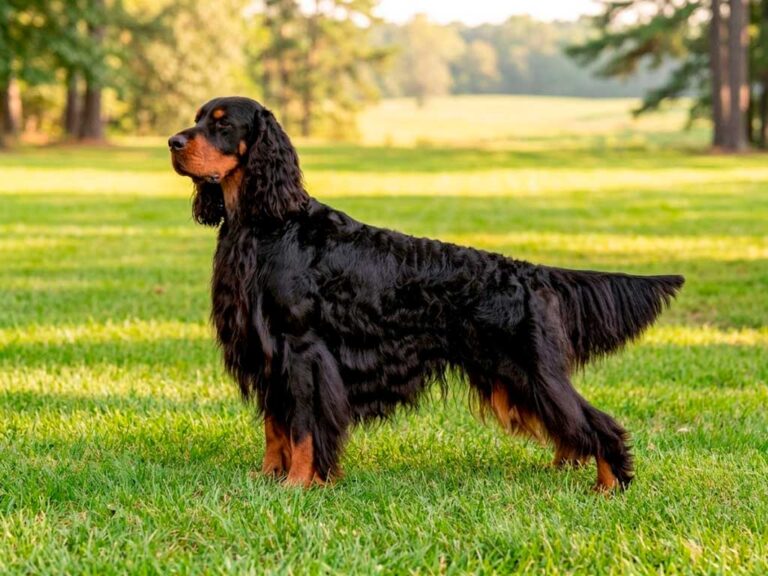
Italian Spinone Dog Breed: Built to Hunt Through Thorns
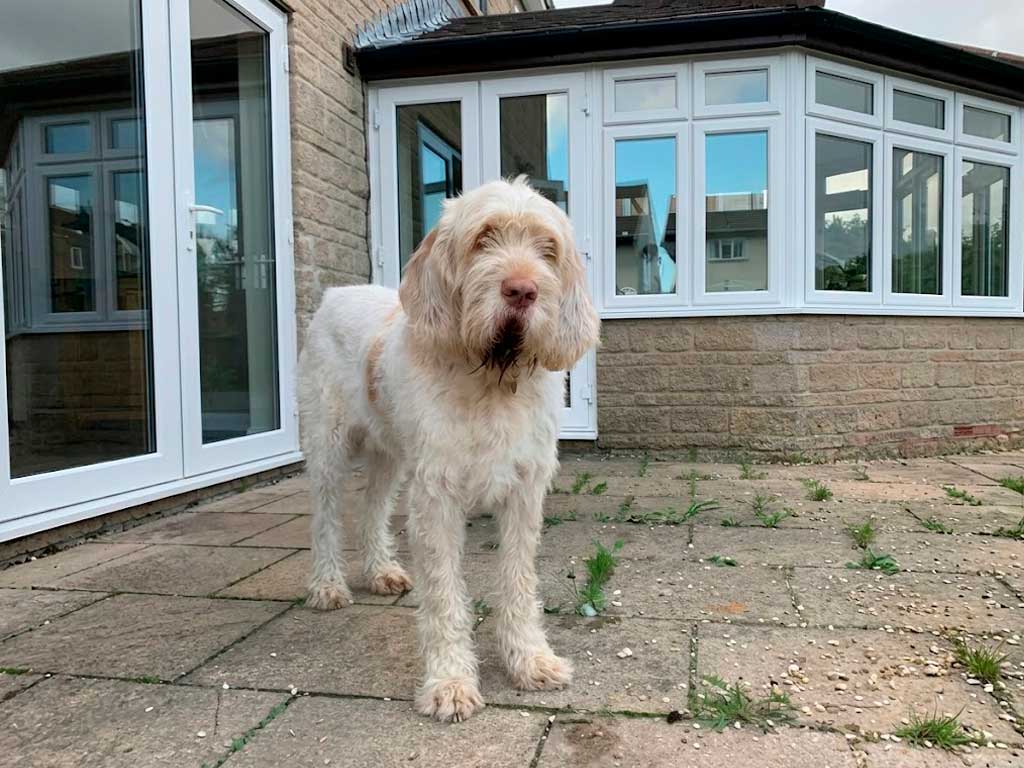
The Italian Spinone is a sturdy, wiry-coated hunting dog that is gentle with families, but it needs far more daily activity than most owners expect.
If you are thinking about bringing one home, the facts below will show whether this breed fits your life.
At a glance:
- Size: Large, typically 58 to 70 cm (23 to 28 inches) at the shoulder.
- Weight: Usually 29 to 39 kg (64 to 86 pounds).
- Lifespan: Often more than 10 years with good care.
- Exercise: At least 2 hours of real activity per day.
- Coat: Thick, partially wiry, medium length, and it sheds.
- Origin: Italy, where it still works as an all-purpose gundog.
Where the Italian Spinone Comes From
The name is generally linked to spino, the Italian word for thorn. It refers to the dog’s rough coat and to the brambles it was bred to push through while hunting. That history still shapes the breed today.
Art historians often point to Renaissance paintings of wiry-coated pointing dogs that look strikingly like the modern Spinone. Its exact ancestry remains uncertain, though. Breed experts still debate which hounds, setters, or mastiff-type dogs may have contributed to the bloodline. What is clear is that the Italian Spinone has served as both a pointer and a retriever, on dry ground and in water, for centuries.
The breed reached Britain in the early 1980s, when it appeared at the Game Fair, and it later gained recognition in the show ring. In Italy, though, it remains a working gundog first. Its trot is steady and ground-covering rather than fast, and that stamina is exactly what a long hunting day demands.
Temperament: What Owners Can Expect
Most owners describe the Italian Spinone as patient and deeply affectionate. Once socialized, it usually settles into family life without much fuss. Its typical traits include:
- Affection: It wants to stay close to its people and often acts like an oversized lap dog.
- Patience: It tolerates slow children and noisy households better than many large breeds.
- Sensitivity to isolation: Left alone for long stretches, it may grow bored, restless, or destructive.
- Stubbornness: A dog that decides a task is pointless may take its time, which is normal for the breed.
Training usually goes smoothly, since the breed is keen to please and responds well to reward-based methods. Short, varied sessions work better than long drills, because a bored Italian Spinone will simply stop trying. Consistency matters more than intensity.
The Italian Spinone is not a guard dog. It is friendly with strangers and rarely territorial, so it will greet visitors rather than deter them.
Exercise: Plan on Two Hours or More Every Day
Both PDSA and the Kennel Club recommend at least two hours of activity per day. That is not a weekend project. It is the baseline for a healthy, well-behaved adult Italian Spinone.
The best activities play to the breed’s gundog heritage. A workable daily rhythm might look like this:
- Morning walk: Forty-five minutes or more, with time to sniff and explore.
- Midday break: A rest or quiet indoor time, since the dog settles better after activity.
- Afternoon session: Retrieving, tracking, or short training games that use the nose and body.
- Weekend outing: Swimming, field work, or a long hike, which many Spinoni enjoy most.
Exercise also controls weight. PDSA notes that Spinoni tend to gain weight easily, and extra pounds add strain to joints already at risk from hip and elbow dysplasia. If your schedule cannot fit two hours in one block, split the day into several outings. Mental work counts too. Our guide on how to tire out an energetic dog shares enrichment ideas that pair well with walks on busy days.
Grooming the Italian Spinone’s Wiry Coat
The coat is thick and partially wiry, and it sheds. Grooming is part of the routine, and most of it is quick once it becomes habit.
A practical grooming schedule includes:
- Brushing: Two or three times per week at home, to remove loose hair and prevent tangles around the legs and belly, as PDSA recommends.
- Face wiping: After every meal and drink, since food and drool collect in the beard and eyebrows.
- Ear checks: Weekly, because drop ears trap moisture and debris. Look for redness or odor.
- Nail trims: As needed, based on how fast the nails grow and how the dog walks.
- Professional grooming: Occasionally, to keep the coat in good condition.
Bathe only when necessary, since frequent washing can dry the skin and change the coat texture. Use each session to inspect the skin, check for lumps, and get your Italian Spinone comfortable with handling. That comfort will make vet visits far easier later.
Shop for Your Breed

Just Food For Dogs – Fresh Frozen
Fresh meals. Gently cooked, then frozen to lock in nutrients. 100% Human Grade Ingredients. Gently Cooked in the USA. #1 Vet-Recommended Fresh Food.
Shop on JustFoodForDogs
Raw Paws Pet Food – Frozen Raw Pet Food
Feeding your pet a frozen raw pet food diet is a simple way to deliver real, whole-food nutrition in its most natural form.
Shop on RawPawsPetFood
Bravecto Chews for Dogs
Bravecto is a long-lasting flea and tick protection option for your dog. 1 dose of Bravecto chew provides up to 12 weeks of powerful protection, which is nearly 3 times longer than a monthly treatment.
Shop on BestVetCare.com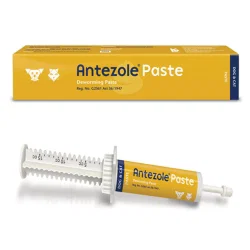
Deworming Treatments for Dogs
BestVetCare offers you a wide range of worm treatments which come in a variety of forms such as oral paste, tablets, granules, and liquid solutions.
Shop on BestVetCare.comHappyPetZone participates in various affiliate programs with brands and retailers. We may receive a commission on purchases made through our links, at no extra cost to you.
Feeding and Bloat: Know the Emergency Signs
Large, deep-chested dogs carry a higher risk of gastric dilatation volvulus, commonly called bloat. PDSA lists it among the breed-related problems that affect the Italian Spinone. It is a true emergency, because the stomach can twist and trap gas and contents within hours.
Many vets suggest these habits to reduce risk:
- Smaller, frequent meals: Divide the daily food into two or three portions instead of one large meal.
- Rest after eating: Give the dog time to settle before vigorous exercise.
- Slow feeders: Use one if your dog gulps food and air.
These habits lower the risk but do not eliminate it, so recognizing warning signs matters just as much. Watch for:
- Restlessness or pacing: The dog cannot settle into a comfortable position.
- A swollen or tight belly: The abdomen looks larger or feels hard.
- Unproductive retching: The dog tries to vomit, but nothing comes up.
- Excess drooling: Saliva pools more than usual, especially with the other signs.
If you notice any of these, call your nearest emergency vet right away. Do not wait to see whether it passes.
Diet planning deserves attention too. Our breed-by-breed raw feeding guide covers considerations for different breeds, but any change to what an Italian Spinone eats should be discussed with your vet first.
Health: What to Screen For and Monitor
The Italian Spinone is generally robust, but several conditions appear often enough that you should plan around them. Ask any breeder about these tests before you commit:
- Cerebellar ataxia (CA): An inherited neurological condition. The Kennel Club recommends DNA testing before breeding. Its UK rules, in effect since January 2025, make registration of imported Spinoni conditional on proven CA status.
- Hip dysplasia: A joint condition that can lead to arthritis. Screening through the BVA scheme is recommended before breeding.
- Elbow dysplasia: Another joint condition, screened through the BVA/KC scheme.
- Eye conditions: Screening under the BVA/KC/ISDS scheme is recommended for breeding dogs.
Other conditions on PDSA’s list include:
- Entropion: An inward-turning eyelid that can irritate the eye.
- Atopy: A skin allergy that causes itching and paw or ear problems.
- Panosteitis: A painful inflammatory bone disease that appears in growing dogs.
- Epilepsy: A brain disorder that can cause seizures.
- Hypothyroidism: Reduced thyroid hormone production.
Many of these conditions respond well when caught early. Regular vet checkups, a healthy weight, and prompt attention to limping, skin changes, or behavior shifts make a real difference. You can read more about the screening programs on the British Veterinary Association’s Canine Health Schemes page. Unexpected treatment costs can be significant, so it also helps to review your options in our pet insurance guide.
This section is general information, not veterinary advice. Talk with your vet about screening, vaccination schedules, and any symptom you notice in your Italian Spinone.

Lemonade Pet Insurance
Explore customizable pet insurance coverage and learn whether Lemonade is the right fit for your dog or cat.
- Customizable coverage options
- Online policy management
Children, Other Pets, and Daily Life
The Italian Spinone is generally a good companion for children who know how to behave around dogs. Its size means an adult can knock over a toddler during play, so supervision matters. Teach children to respect the dog’s space while it eats or rests.
Other pets require more thought. Gundogs were bred to find and retrieve game, so an Italian Spinone may chase small animals. Early socialization helps, and many dogs learn to live peacefully with household cats. Small pets still need secure, separate housing, however friendly the dog seems.
If you like Italian breeds but want a much smaller indoor companion, our Italian Greyhound guide covers a very different dog with a much smaller footprint.
Frequently Asked Questions
Is the Italian Spinone the Right Dog for You?
An Italian Spinone is a strong match for households that offer:
- Daily activity: Two hours of exercise, including walks, swimming, or field work.
- Open space: Access to a yard or regular trips to open ground.
- Company: People at home for much of the day.
- Grooming time: A willingness to brush the coat several times a week.
It is a poor fit for sedentary households, apartment living without regular outdoor time, or anyone hoping for a guard dog. An under-exercised Italian Spinone can become frustrated and difficult to manage, and that outcome is avoidable with honest planning before you adopt.
Your next steps are practical:
- Request health results: Ask breeders or rescues for CA, hip, elbow, and eye test records.
- Meet adult dogs: Spend time with adult Italian Spinoni to judge their temperament before choosing a puppy.
- Plan your week: Map out an exercise schedule you can keep through winter.
If you want a sporting companion with a different look and similar drive, our Brittany ultimate guide makes a useful comparison.