Lhasa Apso Guide: How to Raise This Noble Companion
You will learn exactly how to successfully raise and care for a healthy Lhasa Apso in this comprehensive breed guide. Fortunately, our dedicated editorial team has spent decades analyzing small dog behavior to deliver the most practical ownership advice.
Specifically, this guide reveals their complex grooming needs and the unique behavioral traits that define their independent personality. Therefore, let us dive directly into the rich history of this fascinating Tibetan guardian to prepare your household.
History and Origin
The remarkable history of the Lhasa Apso began thousands of years ago in the sacred mountains of Tibet. Specifically, these small but resilient canines were bred inside Buddhist monasteries located near the holy city of Lhasa.
Tibetan monks highly valued these dogs because they served as interior sentinels to alert the community of intruders. Consequently, their loud, sharp bark provided an essential layer of security for the secluded religious compounds.
Furthermore, the local people believed that these dogs carried the souls of deceased monks who had not yet reached Nirvana. Because of this spiritual connection, citizens treated the animals with immense reverence and considered them sacred tokens of good fortune.
For many centuries, owners could not buy or sell these precious companions under any circumstances. Instead, the Dalai Lama exclusively presented them as royal gifts to foreign dignitaries and emperors to build political alliances.
The breed finally arrived in the Western world during the early decades of the twentieth century. For example, American travelers received a pair as a precious gift directly from the thirteenth Dalai Lama.
Consequently, these enthusiasts initiated the very first official breeding programs within the United States shortly thereafter. Today, these majestic dogs still retain their ancient watchdog instincts while bringing endless joy to modern families.
Physical Characteristics
You will immediately notice the sturdy and well-balanced build that defines this small but robust canine companion. Generally, an adult male Lhasa Apso stands between 10 and 11 inches tall at the shoulder.
In contrast, female individuals are usually slightly smaller but maintain an equally compact and solid physical frame. Healthy mature dogs typically weigh anywhere from 12 to 18 pounds when they finish growing.
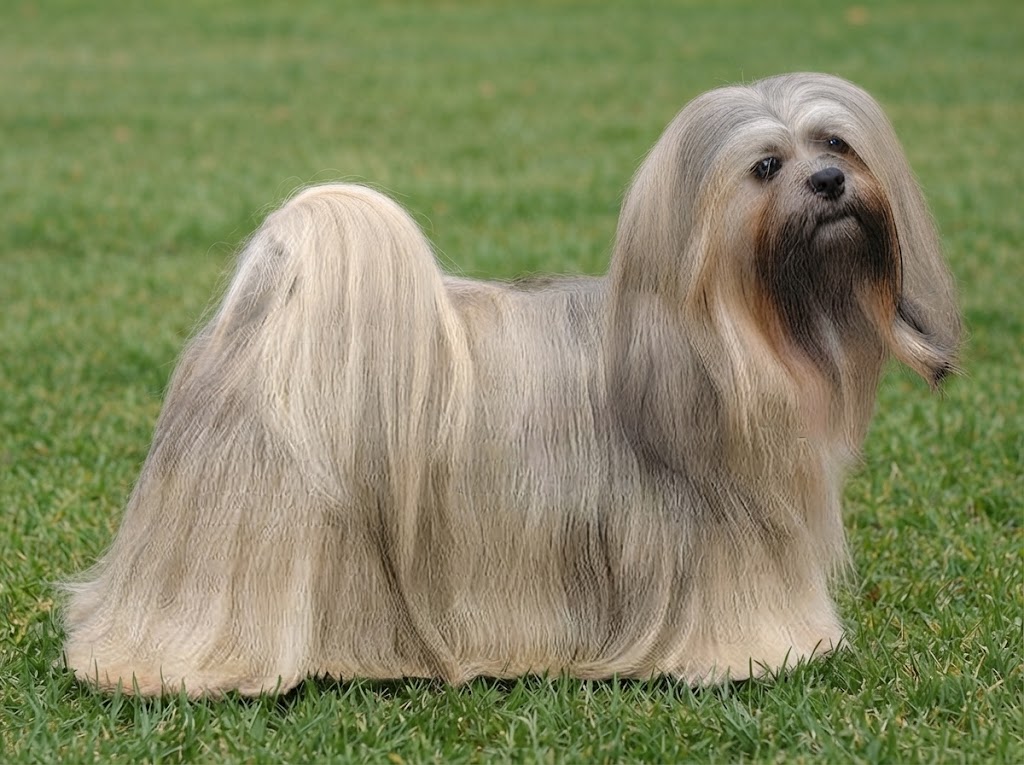
Their most defining physical characteristic is the magnificent, heavy double coat that cascades elegantly to the ground. This dense fur features a straight, hard outer coat combined with a soft, protective undercoat for insulation.
Historically, this heavy coat shielded the dogs from the extreme cold and biting winds of the Tibetan mountains. Therefore, their coat requires a serious commitment to daily maintenance if you choose to keep it long.
Additionally, their coat colors are incredibly diverse, including shades of gold, cream, honey, slate, and deep black. You will also notice their beautiful, dark brown eyes that gleam with intense intelligence and curiosity.
Their heavily feathered tail carries over their back in a distinct, joyful loop that completes their proud silhouette. Finally, their small, pendant ears feature an abundance of hair that blends seamlessly into the rest of their coat.
Temperament and Personality
The unique temperament of the Lhasa Apso is deeply rooted in their historical role as monastic guardians. They possess a highly independent, self-assured nature that sets them apart from more eager-to-please toy breeds.
Consequently, they often display a dignified, almost regal demeanor when navigating their daily household routines. Furthermore, these devoted companions form exceptionally strong, loyal bonds with their immediate human family members.
However, their guardian heritage means they naturally exhibit significant caution and reserve when meeting unfamiliar people. They will aggressively sound the alarm with a surprisingly deep bark whenever a stranger approaches your property lines. For this reason, you should not expect them to instantly welcome guests with unbridled canine enthusiasm.
Meanwhile, they remain highly playful and mischievous with the people they have learned to trust completely.
This independent streak means they require an owner who respects their intelligence and understands feline-like boundaries. Because they possess a strong sense of self, they do not appreciate rough handling or forced interactions.
As a result, they are best suited for households with older children who understand how to respect animals. If you provide them with consistent guidance, they will reveal a deeply charming and comical personality.
Care Guide
Properly managing a Lhasa Apso requires a thorough understanding of their physical health and grooming demands. For instance, you must establish structured daily routines to ensure this long-lived breed remains healthy.
Furthermore, your care strategy must address their unique dietary requirements and moderate activity levels to optimize their well-being. Let us break down the essential components of their daily care plan.
Diet and Nutrition
Providing high-quality nutrition is absolutely vital for maintaining the overall health and coat condition of your pet. You should select a premium commercial kibble formulated specifically for small, active canine breeds.
Additionally, make sure the recipe features real animal protein like lamb, chicken, or turkey as the primary ingredient. Consequently, this targeted nutrition supports their lean muscle mass while providing essential fatty acids for their luxurious fur.
These little dogs can easily gain excess weight if you offer them too many treats during training sessions. Obesity puts dangerous strain on their short legs and can accelerate underlying joint issues as they age.
Because of this risk, you must measure their daily portions precisely using a standard measuring cup or scale. Many veterinarians recommend dividing their total food allowance into two separate meals in the morning and evening. Always ensure that fresh, clean water is available to your pet throughout the entire day.
Exercise Requirements
An energetic Lhasa Apso does not require hours of intense, exhausting physical activity to stay completely fit. In fact, they adapt beautifully to apartment living because they fulfill much of their exercise needs indoors.
You should still provide around 30 to 45 minutes of structured walking exercise every single day. For example, a brisk morning stroll combined with a relaxed evening walk will satisfy their outdoor exploration desires.
Mental stimulation is equally vital for keeping their sharp, intelligent minds fully engaged and out of trouble. You can introduce interactive puzzle toys, indoor sniffing games, and basic trick training to challenge their intellect.
Furthermore, providing variety in their play routine prevents the development of boredom-induced behaviors like destructive chewing. If you fulfill their physical and mental exercise needs, they will happily lounge contentedly on the sofa.
Grooming Needs
Maintaining the legendary, flowing coat of a Lhasa Apso demands a serious and consistent time commitment. If you choose to keep their fur long, you must brush their coat every single day without exception.
Specifically, using a high-quality pin brush and a metal comb prevents the development of painful mats and tangles. You should always mist the hair lightly with a leave-in conditioner before brushing to avoid breaking the delicate strands.
Alternatively, many pet owners choose to clip their dog’s fur into a manageable puppy cut short style. This popular option drastically reduces daily maintenance requirements and keeps your companion clean during outdoor muddy adventures.
However, you will still need to schedule professional grooming sessions every six to eight weeks for clipping. Additionally, you must pay close attention to the hair growing around their eyes and between their paw pads.
Regular ear maintenance is another vital component of their basic grooming routine because their floppy ears trap moisture. You should inspect their ear canals weekly for any signs of redness, wax buildup, or unusual odor.
Consequently, wipe the ears carefully with a veterinarian-approved solution to prevent the development of painful bacterial infections. Finally, trim their fast-growing nails monthly and brush their teeth several times a week to ensure total hygiene.
Training and Education
Training a Lhasa Apso requires an abundance of patience, creative thinking, and a firm but gentle approach. Because they possess an independent working heritage, they will reject repetitive, boring commands that offer no real purpose.
For this reason, utilizing positive reinforcement techniques like high-value treats and enthusiastic praise yields the most successful results. Harsh corrections or loud shouting will only cause this sensitive breed to become stubborn and completely uncooperative.
Furthermore, you should keep your education sessions short, varied, and highly engaging to maintain their sharp focus. Early puppy socialization is absolutely mandatory to manage their innate guarding instincts and natural suspicion toward strangers effectively.
For instance, you must safely expose your young dog to diverse environments, unfamiliar sounds, and friendly people from day one. This proactive exposure ensures they grow into confident, well-adjusted adults who handle novel public situations with total calmness.
Housebreaking can sometimes present a slight challenge because of their independent nature and small bladder capacity. Consequently, establishing a strict potty schedule and offering immediate rewards for outdoor success is crucial for fast learning.
Consistency remains the ultimate key to mastering house manners and advanced commands with this intelligent canine companion. If you consistently prove that you are a capable and trustworthy leader, your dog will gladly cooperate.
Health and Longevity
Disclaimer: The following health information serves educational purposes only and requires professional veterinary verification.
The Lhasa Apso is widely celebrated as an exceptionally robust and long-lived breed with a lifespan of 12 to 15 years. In fact, many individuals frequently reach 18 or even 20 years of age with proper veterinary care. However, responsible owners must remain fully aware of a few hereditary health issues that can impact the bloodline.
For instance, genetic eye conditions like progressive retinal atrophy and dry eye are relatively common concerns within the breed. This progressive disorder causes gradual vision loss and can eventually lead to complete blindness if left completely unmanaged.
Fortunately, ethical breeders utilize modern veterinary screening tests to identify these ocular issues before matching dogs for breeding programs. Regular veterinary eye exams are vital for catching these physical changes early and preserving your pet’s sight.
Additionally, their elongated backs and short legs make them somewhat susceptible to patellar luxation and slipped spinal discs. To protect their skeletal health, you should prevent them from jumping off high beds or steep furniture items.
Routine wellness examinations with your trusted veterinarian will ensure their internal organs and joints remain in peak condition. Ultimately, proactive preventive care combined with a lean body mass supports a long, comfortable life for your companion.
Is This the Right Dog for You?
Deciding to bring a Lhasa Apso into your home requires an honest evaluation of your daily lifestyle habits. If you desire a loyal, deeply affectionate, and highly independent companion who handles calm indoor living perfectly, they are exceptional.
Busy professionals or apartment dwellers will appreciate their moderate exercise requirements and their ability to relax contentedly during the day.
However, novice owners who expect an easily compliant, eager-to-please lapdog might find their stubborn independent streak somewhat frustrating. They demand a confident leader who establishes clear, consistent boundaries with patience and positive reinforcement methods from day one.
Furthermore, you must feel fully prepared to invest the necessary time or money into managing their intense grooming needs.
Start with establishing a consistent daily brushing routine early because it has the biggest impact on their physical comfort. Providing them with structured attention and proper socialization ensures you receive absolute devotion and unmatched companionship for many years.
Finally, you can discover more step-by-step training guides and pet care resources directly on happypetzone.com to prepare today.
Frequently Asked Questions (FAQ)
Do Lhasa Apsos bark a lot?
Yes, they are natural watchdogs who will readily vocalize to alert you of approaching strangers or unfamiliar noises. However, excessive barking can quickly develop if they suffer from chronic boredom or are left isolated for long periods. Providing ample mental stimulation and consistent obedience training will easily keep their daily vocalizations under control.
Are Lhasa Apsos good with kids?
They can get along wonderfully with children who understand how to handle small pets with care and respect. Because they possess an independent nature, they do not tolerate rough pulling, teasing, or sudden forced interactions. Consequently, they are best suited for families with older children who can respect their physical boundaries.
How often do they need to be groomed?
A long, flowing coat requires extensive daily brushing to prevent painful matting and remove trapped outdoor debris. Alternatively, dogs clipped into a short puppy cut will only need a thorough brushing twice a week. You must still schedule professional grooming appointments every six to eight weeks to maintain their coat length.
Are Lhasa Apsos difficult to housebreak?
They can sometimes display a stubborn streak during house training due to their independent heritage and small bladder capacity. Therefore, establishing a strict, predictable bathroom schedule and offering high-value rewards for outdoor success is essential. Consistent crate training can also drastically accelerate the learning process for young puppies during the first few months.
Do Lhasa Apsos shed a lot of hair?
No, they are considered a low-shedding breed because their long, heavy hair falls out much like human hair. Instead of shedding onto your furniture, the loose fur typically gets trapped within their dense coat during daily brushing. For this reason, they can be an excellent choice for individuals who suffer from mild pet allergies.
Interested in the breed the Lhasa Apso helped create? The Shih Tzu descends directly from a Lhasa Apso and Pekingese cross made inside the Forbidden City centuries ago.
Curious about an even older relative? The Tibetan Spaniel may be an ancestor of the Lhasa Apso, and it spent centuries guarding Buddhist monasteries as a sentry dog.
Despite sharing Himalayan monastery roots, the Tibetan Terrier was actually a herding and guardian breed, not a true terrier at all, despite the misleading name.