Tibetan Mastiff: The Complete Guide to This Ancient Giant Guardian
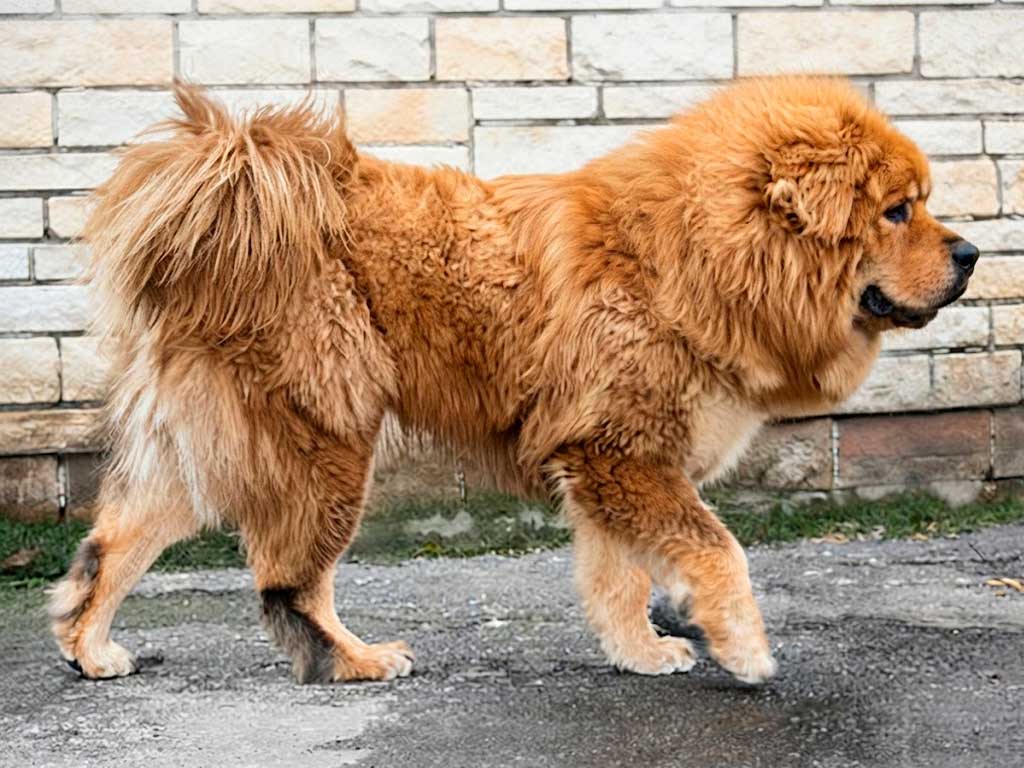
The Tibetan Mastiff carries 3,000 years of history in every powerful stride. In this guide, you’ll learn where this lion-maned giant comes from, what its true temperament looks like, and exactly what daily care it demands.
We’ve combined breed history and veterinary insight to build a resource you can trust. By the end, you’ll know whether this stubborn, striking guardian fits your household.
History and Origin
Few breeds carry a history as long as the Tibetan Mastiff’s. For roughly 3,000 years, this dog guarded monasteries, villages, and livestock across Tibet’s remote mountain terrain.
Owners traditionally kept the dog chained near entrances, using it as both a warning system and a powerful deterrent against intruders. Marco Polo himself once described the breed as tall as a donkey, with a voice as powerful as a lion’s.
The breed reached London in 1828, when one was given to the city’s zoo, and Queen Victoria received another from the Viceroy of India in 1847. Even so, official recognition took much longer, since the American Kennel Club didn’t register the breed until 2006.
Physical Characteristics
Males stand at least 66 cm tall, while females measure a minimum of 61 cm, with weights ranging from 36 to 72 kg. A slightly longer-than-tall body gives the Tibetan Mastiff a powerful, athletic build despite its bulk.
The dense double coat features a woolly undercoat and a coarser outer layer, forming a distinctive mane around the neck and shoulders. This feature stands out most clearly in males. Longer fur also covers the tail and the back of the legs.
Coat colors include black, gold, brown, and the rarer blue. This breed isn’t hypoallergenic, and heavy drooling is common as well.
Temperament and Personality
Cautious, protective, and fiercely loyal describes this breed’s core nature. The Tibetan Mastiff watches strangers closely and guards its family and territory with total seriousness.
Experience matters enormously here, since handling, socializing, and training this breed properly takes real skill. In the right home, though, it becomes a calm, affectionate, and devoted companion.
This isn’t a casual house pet, however. Its size and protective instincts mean it often misreads the intentions of unfamiliar visitors, so it isn’t a great fit for busy social households.
Care Guide
Diet and Nutrition
Giant breeds need a different balance of minerals and vitamins to support their joints and cartilage properly. The Tibetan Mastiff also tends toward bloat and stomach problems, so smaller, more frequent meals help lower that risk.
Proper nutrition, paired with good overall care, can help this breed reach its maximum lifespan of around 15 years.
Exercise Requirements
About one hour of daily exercise suits most adults, though many happily take more if given the chance. Puppies need gentler routines, since overloading young muscles and joints can cause lasting damage in such a large breed.
Left to its own devices, this dog often prefers patrolling the edges of its property rather than running around for fun.
Grooming Needs
Brush the coat twice a week under normal conditions, increasing to daily brushing during heavy shedding seasons. Bathing needs vary from once a week to once every six weeks, depending on how dirty the dog gets.
Because of the coat’s thickness and the dog’s sheer size, bathing and drying take real planning. Set aside plenty of time before you start.
Training and Education
Traditional training methods don’t work well with this independent-minded breed. Leash training is still essential, though, simply so the dog can get the exercise it needs safely.
Play-based training tends to bring better results than strict commands. Keep sessions short and frequent, and pair them with plenty of verbal encouragement and positive reinforcement.
Early exposure to people and other dogs is critical too. Without it, the natural wariness of this breed can intensify into serious behavioral challenges later on.
Health and Longevity
Tibetan Mastiffs typically live between 12 and 15 years, a solid lifespan for a giant breed. Even so, extreme breeding practices have contributed to several inherited conditions worth knowing about.
Hip dysplasia, elbow dysplasia, gastric dilatation-volvulus, and ear infections appear most frequently in this breed. Ask breeders about hip dysplasia screening results before committing to a puppy.
This article offers general information only. Always consult a licensed veterinarian for guidance specific to your dog’s health.
Is This the Right Dog for You?
This breed needs an owner with real experience handling giant, independent dogs. A large, securely fenced property without close neighbors makes daily life far easier for everyone involved.
Families with older, sensible teenagers tend to do better than households with young children. Even then, supervision around any child remains important given the breed’s size and protective instincts.
If you can offer space, patience, and consistent leadership, the Tibetan Mastiff rewards you with unwavering loyalty. Just don’t expect it to warm up quickly to your friends and neighbors.
Frequently Asked Questions
Is the Tibetan Mastiff an aggressive dog?
It can act defensively if it perceives a threat from a stranger, since its protective instincts run deep. Early socialization and training, however, greatly reduce the odds of true aggression.
Is the Tibetan Mastiff affectionate?
Yes, this breed forms strong, loving bonds with its own family. Loyalty and affection come naturally once trust is established.
What should I know before getting a Tibetan Mastiff?
Its enormous size makes apartment living impractical, and grooming this breed properly takes real time and effort. Prospective owners should plan for both before bringing one home.
Can a Tibetan Mastiff be left alone?
It can handle some alone time, but extended periods aren’t recommended. Boredom can lead to destructive behavior, particularly in younger dogs still building confidence.
How much exercise does this breed need?
Roughly one hour of daily activity works well for most adults, though many dogs happily take more. Puppies need lighter routines to protect their developing joints.
If you’re set on a giant guardian breed with serious history behind it, start by finding a breeder who screens for hip dysplasia. That single step matters more than almost anything else for your future dog’s health. For more giant breed guides, check out our Neapolitan Mastiff profile on Happy Pet Zone.