Tibetan Terrier: Breed Guide, Temperament, Grooming, and Care
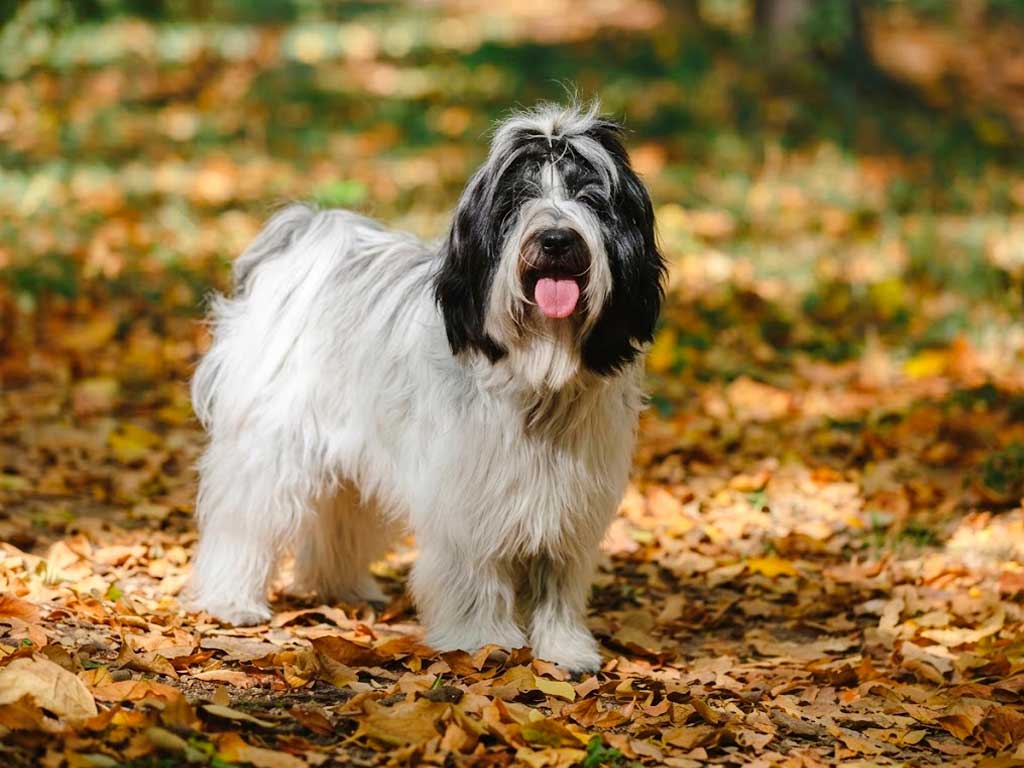
Are you looking for a loyal, intelligent dog with a shaggy coat and a playful personality? The Tibetan Terrier could be a wonderful companion if you enjoy spending time with your dog and don’t mind regular grooming.
Despite its name, this breed isn’t a true terrier. Tibetan Terriers developed in Tibet as companions and watchdogs, and their history helped shape the alert, devoted dogs we know today. They’re medium-sized, adaptable, and often happiest when they can stay close to their families.
Before bringing one home, it’s worth understanding what daily life with this breed involves. Its long double coat needs consistent attention, and its sensitive, independent nature calls for patient training.
Tibetan Terrier at a Glance
| Characteristic | Details |
|---|---|
| Breed group | Non-Sporting Group (AKC) |
| Origin | Tibet |
| Size | Medium |
| Height | Around 14–17 inches |
| Weight | Commonly around 18–30 pounds |
| Life expectancy | Often around 15–16 years |
| Temperament | Affectionate, intelligent, alert, and sensitive |
| Energy level | Moderate to active |
| Exercise | Around an hour daily, adjusted to the individual dog |
| Coat | Long, dense double coat |
| Shedding | Generally low, but not zero |
| Grooming | Frequent brushing and regular coat care |
| Best suited for | Owners who can provide companionship, activity, and coat maintenance |
These figures are general breed guidelines. Individual dogs can differ in size, energy, coat texture, and health, so ask a reputable breeder or rescue organization about the dog you’re considering.
What Is a Tibetan Terrier?
The Tibetan Terrier is a sturdy, medium-sized companion dog known for its long coat, expressive eyes, and distinctive flat, rounded feet. Those broad feet helped the breed move across rugged, snowy terrain in its native region.
Tibetan Terriers were valued for their companionship and alertness. They lived alongside people in Tibetan communities and monasteries, where they served as watchdogs and versatile helpers.
The name can be confusing. Tibetan Terriers aren’t closely related to traditional terrier breeds in the way their name might suggest. The American Kennel Club places them in the Non-Sporting Group.
Their combination of intelligence, affection, and independence makes them appealing to many households. However, they still need daily interaction, mental stimulation, and thoughtful care.
Tibetan Terrier Temperament and Personality
Tibetan Terriers are generally affectionate, clever, and devoted to their families. Many enjoy being involved in everyday activities, whether that’s joining a walk, learning a new cue, or relaxing nearby while you work.
They can also be watchful around unfamiliar people. Some take a little time to warm up to visitors, especially when they haven’t had enough positive social experiences as puppies.
Their sensitivity is an important part of their personality. Harsh corrections or constant repetition can make training frustrating, while patient guidance often helps them learn more confidently.
Are Tibetan Terriers Good Family Dogs?
They can be excellent family companions when their needs and temperament suit the household. Tibetan Terriers often form strong bonds with their people and enjoy being included in family routines.
Children should learn to approach dogs calmly, respect their space, and avoid pulling their coat or disturbing them while eating or sleeping. Always supervise interactions between dogs and young children, even when the dog is friendly.
A Tibetan Terrier may be less comfortable in a noisy home where people frequently ignore its signals. Give the dog a quiet place to rest and teach everyone in the household how to handle interactions respectfully.
Do Tibetan Terriers Bark a Lot?
Tibetan Terriers can be alert watchdogs, so they may bark when they hear unfamiliar noises or notice someone approaching the home. The amount of barking varies between individuals.
You can help prevent excessive barking by teaching a reliable response to everyday sounds. Reward your dog for settling after noticing a visitor, and avoid shouting when it barks because that can add excitement to the situation.
Provide enough exercise, attention, and mental enrichment, too. A dog that spends long periods bored or isolated may develop habits that are harder to manage.
Can a Tibetan Terrier Be Left Alone?
Tibetan Terriers usually value human company, so long periods alone may be difficult for some individuals. They shouldn’t be expected to spend most of the day without interaction simply because they can live in different types of homes.
Start by teaching your dog that short periods of separation are safe. Offer a comfortable resting area and a suitable enrichment activity, then increase the time gradually as your dog remains relaxed.
If your dog repeatedly barks, paces, destroys objects, or becomes distressed when you leave, speak with your veterinarian or a qualified behavior professional. Those signs may indicate separation-related distress rather than ordinary boredom.
Tibetan Terrier Size, Weight, and Appearance
A Tibetan Terrier has a compact, sturdy build beneath its abundant coat. Although the long hair can make the dog look larger, the breed is generally considered medium-sized.
Adults commonly stand around 14–17 inches at the shoulder and weigh approximately 18–30 pounds. Females may be somewhat smaller than males, but healthy body condition matters more than meeting an exact number.
The breed’s most recognizable features include:
- A long, dense double coat that may be straight or wavy.
- Large, dark eyes beneath a fall of hair.
- Pendant ears covered with long hair.
- A well-feathered tail that curls over the back.
- Broad, rounded feet with a distinctive snowshoe-like shape.
Tibetan Terriers come in a variety of colors and combinations, including black, white, gold, gray, and multicolored coats. Color alone doesn’t determine a dog’s health or suitability as a companion.
How Big Is a Full-Grown Tibetan Terrier?
Most Tibetan Terriers reach their adult height during their first year, although they may continue filling out as they mature. Their final size depends on genetics, nutrition, and individual development.
If you’re raising a puppy, your veterinarian can help monitor growth and body condition. Avoid trying to make a puppy grow faster by feeding extra food, since excess calories can contribute to unhealthy weight gain.
A healthy adult should have a visible waist when viewed from above and a body shape appropriate for its build. Your veterinarian can show you how to assess body condition accurately.
Grooming a Tibetan Terrier: What Owners Should Expect
The coat is one of the biggest commitments of owning a Tibetan Terrier. Its double coat provides insulation, but the long hair can tangle and form mats when it isn’t maintained.
Although the breed often sheds less noticeably than many other dogs, low shedding doesn’t mean low maintenance. Loose hair can remain trapped in the coat, making regular brushing essential.
How Often Should You Brush a Tibetan Terrier?
Plan to brush your Tibetan Terrier several times a week, and expect more frequent sessions when the coat is long or prone to tangling. Some dogs with full coats need daily attention.
Work in small sections rather than brushing only the visible surface. Use a suitable brush and comb to check whether you can reach the hair close to the skin without pulling.
Pay particular attention to areas where friction encourages mats:
- Behind the ears.
- Under the legs and around the armpits.
- Around the collar or harness.
- Beneath the tail and around the hindquarters.
- Between the toes and around the feet.
If you find a tight mat close to the skin, don’t pull hard or cut it out with scissors near the body. The skin can be difficult to see beneath dense hair, so ask a professional groomer for help when needed.
Bathing and Haircuts
Bathe your Tibetan Terrier when its coat becomes dirty or greasy, using a dog-safe shampoo. Rinse thoroughly and dry the coat completely, since damp hair can encourage tangling and skin irritation.
Many owners choose a shorter pet trim to make everyday maintenance easier. A practical haircut can be a good option if you prefer outdoor activities over maintaining a long show coat.
Talk with an experienced groomer about a style that suits your dog’s coat and lifestyle. Keep the hair around the eyes clear enough for comfortable vision, and check the ears, nails, and paw pads regularly.
Exercise Needs: How Much Activity Does a Tibetan Terrier Need?
Tibetan Terriers are active, agile dogs that usually benefit from around an hour of daily exercise. The exact amount depends on age, health, fitness, and individual energy level.
A useful routine can include:
- A daily walk with time to sniff and explore.
- Short games of fetch or other suitable play.
- Reward-based training sessions.
- Food puzzles and scent games.
- Opportunities to explore safe outdoor spaces.
You don’t need to turn every walk into an intense workout. Sniffing, exploring, and learning new tasks also provide valuable mental stimulation.
Puppies need age-appropriate activity with opportunities to rest, while older dogs may prefer shorter walks and gentler play. Increase exercise gradually and ask your veterinarian for advice if your dog has joint problems or another medical condition.
Can Tibetan Terriers Live in Apartments?
Yes, a Tibetan Terrier can adapt to apartment living if its exercise, training, and companionship needs are met. Access to a large garden isn’t essential, although a secure outdoor area can be convenient.
The main considerations are daily activity and noise management. Teach your dog to settle when it hears sounds in the hallway, and provide enrichment when outdoor time is limited.
A house with a yard won’t automatically solve boredom. Tibetan Terriers still need interaction with their people, regular walks, and activities that challenge their minds.
Training a Tibetan Terrier
Tibetan Terriers are intelligent and capable learners, but they can also be independent. They often respond best when training feels like a cooperative activity rather than a battle of wills.
Use positive reinforcement by rewarding the behavior you want to see. Small treats, toys, praise, and access to enjoyable activities can all motivate a dog, depending on what it values.
Keep sessions short and varied. Repeating the same exercise too many times can make an otherwise willing dog lose interest.
Start with useful everyday skills, including:
- Responding to its name and coming when called.
- Walking calmly on a leash.
- Settling on a mat or bed.
- Waiting briefly at doors.
- Accepting grooming and handling.
- Being comfortable with visitors and unfamiliar environments.
Socialization matters just as much as obedience. Introduce your puppy to different people, sounds, surfaces, and situations gradually, pairing new experiences with rewards and allowing the dog to move away when uncomfortable.
Never force a frightened dog to greet strangers or other dogs. Calm, positive exposure helps build confidence without overwhelming the puppy.
Tibetan Terrier Health and Lifespan
Tibetan Terriers often live around 15–16 years, although lifespan varies with genetics, healthcare, lifestyle, and individual health. Responsible breeding and regular veterinary care can help owners identify potential problems early.
The breed can be affected by inherited conditions, including certain eye disorders and joint problems. Some important concerns include:
- Progressive retinal atrophy (PRA): A group of inherited eye conditions that gradually damage the retina and can lead to vision loss.
- Primary lens luxation (PLL): An inherited condition in which the lens moves out of its normal position. It can be painful and may threaten vision.
- Hip dysplasia: A developmental problem involving the hip joint that can contribute to pain, stiffness, and mobility difficulties.
- Patellar luxation: A condition in which the kneecap moves out of its normal position. Severity varies, and some dogs need veterinary treatment.
Other health issues may occur, so no list can predict an individual dog’s future. The Royal Kennel Club’s Tibetan Terrier health guidance outlines recommended screening for several inherited conditions.
What Health Tests Should a Tibetan Terrier Puppy Have?
Ask the breeder which health tests were performed on the puppy’s parents and request documentation rather than relying on verbal assurances.
Depending on the breeder’s location and the applicable recommendations, screening may include:
- DNA testing for relevant inherited eye and neurological conditions.
- Hip evaluations.
- Eye examinations by an appropriately qualified veterinary professional.
- Additional tests recommended by the breed club or veterinarian.
A test result can help assess risk, but it doesn’t guarantee that a dog will never develop a health problem. Ask the breeder to explain what the results mean for the puppy you’re considering.
If you adopt an adult Tibetan Terrier, arrange a veterinary examination and share any available medical records. Your veterinarian can help establish an appropriate plan for preventive care.
Veterinary disclaimer: This breed guide provides general educational information and cannot diagnose or treat an individual dog. Contact your veterinarian if you notice persistent itching, eye changes, lameness, pain, unusual behavior, or any other concerning symptoms.
Tibetan Terrier Nutrition: What Should You Feed This Breed?
A balanced diet supports your Tibetan Terrier’s energy, muscle condition, skin, and coat. Choose a complete and balanced dog food appropriate for the dog’s life stage, size, activity level, and health needs.
Puppies need food formulated for growth, while adults usually do well on a suitable adult-maintenance diet. Senior dogs may need adjustments depending on their activity, body condition, and medical history.
How Much Should a Tibetan Terrier Eat?
There isn’t one portion size that works for every Tibetan Terrier. Calorie needs depend on body weight, age, exercise, metabolism, and the energy content of the food.
Start with the feeding guide on the food’s packaging, then monitor your dog’s weight and body condition. Treats should be included in the daily calorie total, especially when you use them frequently during training.
If your dog gains weight, loses weight unexpectedly, or regularly refuses meals, consult your veterinarian before making major dietary changes. A sudden appetite change can sometimes indicate a health problem.
Is JustFoodForDogs a Good Option for Tibetan Terriers?
JustFoodForDogs is one option to consider if you’re interested in fresh-cooked dog food. Its products can be worth comparing with other complete diets, provided the specific recipe is appropriate for your dog’s age and nutritional needs.

FROM JUSTFOODFORDOGS
Just Fresh
Resealable meals. No preservatives. Open, serve, refrigerate.
Shop Just FreshHappy Pet Zone may earn a commission when you click through to JustFoodForDogs, at no extra cost to you.
Before choosing a recipe, check that it is labeled as complete and balanced for the life stage you’re feeding. Not every product marketed for dogs is intended to serve as a sole daily diet.
Consider the practical details, too: cost, storage, preparation, portioning, and how easily the food fits your routine. Fresh food still needs to supply the right balance of essential nutrients.
For more help comparing feeding options, read our dog nutrition guide. If you’re considering a substantial diet change, your veterinarian can help you select an appropriate food and plan the transition.
Change foods gradually over several days unless your veterinarian advises otherwise. Monitor stool quality, appetite, skin, and body condition as your Tibetan Terrier adjusts.
Are Tibetan Terriers Hypoallergenic?
No dog breed is completely hypoallergenic. Tibetan Terriers may shed less visibly than some breeds, but people can still react to allergens found in a dog’s dander, saliva, and urine.
Their coat also needs frequent grooming, which may expose owners to hair and dander during brushing. If allergies are a concern, spend time around the breed before making a commitment and discuss your symptoms with a healthcare professional.
A short haircut can make coat maintenance easier, but it doesn’t remove the allergens associated with the dog.
Tibetan Terrier Puppies: Finding a Responsible Breeder or Adoption Option
If you’re searching for a Tibetan Terrier puppy for sale, take time to assess the breeder and the conditions in which the dogs are raised. A responsible breeder should be willing to discuss health testing, temperament, early socialization, and the needs of the breed.
Look for someone who:
- Provides relevant health-test results for the parents.
- Allows you to learn about the puppy’s environment and upbringing.
- Answers questions clearly without pressuring you to pay immediately.
- Explains the breed’s grooming and exercise requirements.
- Provides veterinary records and guidance for the puppy’s transition home.
- Remains available for questions after the puppy leaves.
Avoid choosing a puppy based only on coat color, photographs, or the lowest advertised price. Ask about the puppy’s behavior, how it responds to handling, and what experiences it has had so far.
You can also consider adoption. Breed-specific rescue groups and general shelters may occasionally have Tibetan Terriers or mixes needing homes. An adult dog can be a good choice if you want a clearer picture of its size, coat, and personality.
How Much Does a Tibetan Terrier Cost?
The price of a Tibetan Terrier varies by country, breeder, pedigree, health testing, and local demand. There isn’t a reliable single price that applies everywhere.
Remember to budget for more than the initial purchase or adoption fee. Food, grooming, routine veterinary care, preventive medication, training, supplies, and unexpected medical costs all contribute to lifetime ownership expenses.
Because this breed can live well into its teens, plan for long-term care before bringing a puppy home.
Is a Tibetan Terrier Right for You?
A Tibetan Terrier may suit you if you want an affectionate companion who enjoys activity, learning, and spending time with the family. The breed can adapt to different homes when its daily needs are met.
It may be less suitable if you need a dog that requires very little grooming or must regularly spend long hours alone. Its coat demands ongoing care, and its sensitive temperament benefits from patient, consistent handling.
Before deciding, ask yourself three practical questions:
- Can I make time for regular brushing and professional grooming when needed?
- Can I provide daily exercise, training, and companionship?
- Can I budget for preventive healthcare and unexpected veterinary expenses?
If the answer is yes, a Tibetan Terrier could be a rewarding match. Choose a dog whose individual temperament fits your household, rather than assuming every member of the breed will behave exactly the same way.
Frequently Asked Questions
Help Your Tibetan Terrier Thrive
The Tibetan Terrier offers a special mix of loyalty, intelligence, and playful companionship. In return, this breed needs time, thoughtful training, coat care, and consistent attention to its health.
Start by building a simple daily routine that includes a walk, a little training, and regular coat checks. If you’re still choosing a dog, speak with a responsible breeder or rescue organization and ask about health screening and temperament. Those practical steps will help you decide whether a Tibetan Terrier is the right companion for your home.