Is the Bedlington Terrier Right for You? A Complete Guide to Their Quirky Personality
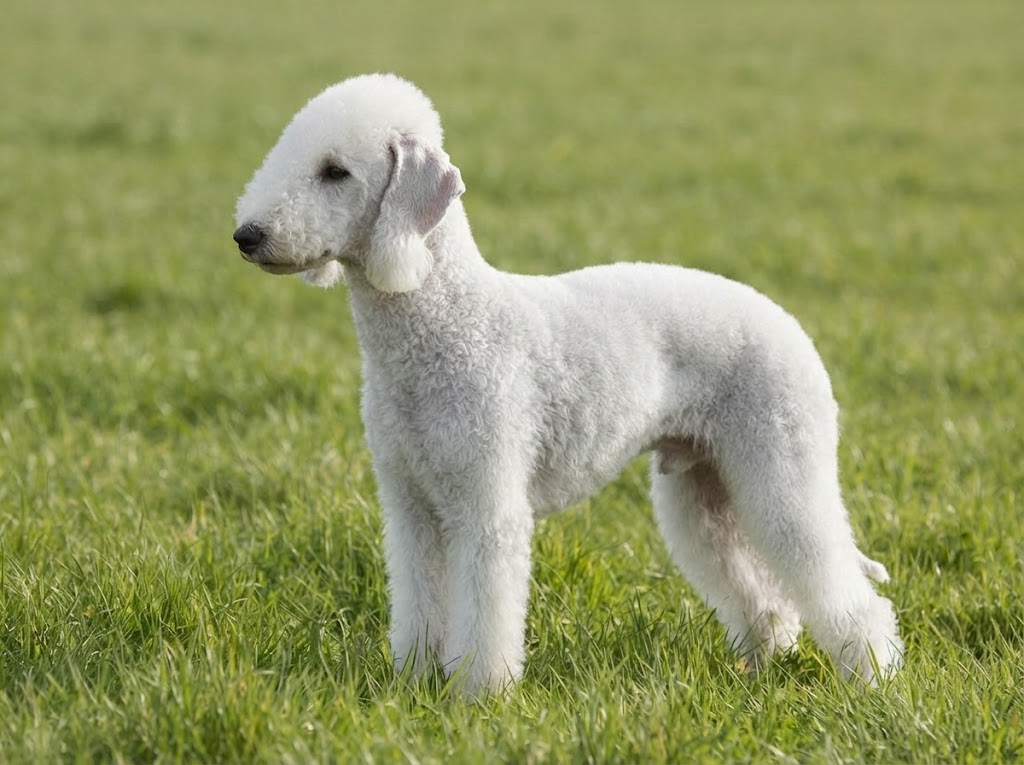
The Bedlington Terrier dog breed looks like a lamb. Acts like a lion. And surprises almost every owner who takes one home.
In this guide, you’ll get everything you need to know about this rare and remarkable breed from its coal-mining origins in northern England to its specific health risks, grooming demands, and whether it truly fits your lifestyle.
In fact, by the time you finish reading, you’ll know exactly what to expect no surprises, no guesswork. Let’s dive in.
History and Origin
The Bedlington Terrier didn’t start in a show ring. It started in a mine.
In the 18th century, coal miners in the Rothbury area of Northumberland, England, developed this breed by crossing local terriers with Whippets to create a fast, fearless working dog. The goal was practical: a dog that could flush out rats, rabbits, and foxes from underground burrows with relentless efficiency.
The breed earned colorful nicknames along the way. Workers called it the “Gypsy Dog” because poachers used Bedlingtons to hunt game on private estates under cover of darkness. The name “Rothbury Terrier” stuck for decades before the modern name took hold.
Interestingly, two distinct types developed early on. One was crossed with Whippets for longer legs and speed ideal for chasing hares across open fields. The other was crossed with Dandie Dinmont Terriers, resulting in shorter legs better suited for going to ground. Today’s Bedlington is a blend of both lines.
The breed wasn’t officially shown until 1869, but by then its reputation as the fastest and most intelligent terrier was already well established. The first recorded Bedlington was a dog named Piper, who was still reportedly hunting at age 14 nearly blind and toothless, yet still driven.
Physical Characteristics
The Bedlington Terrier is immediately recognizable. There is no other dog quite like it.
Its most striking feature is the distinctive topknot a puff of lighter-colored fur at the crown of the head combined with a narrow, pear-shaped skull and a curved, arching back reminiscent of a sighthound. The overall silhouette resembles a small lamb more than a working terrier.
Key physical stats at a glance:
- Height: 38–43 cm (15–17 inches) at the shoulder
- Weight: 8–10 kg (17–23 lbs)
- Coat: Thick, curly, and crisp — a unique mix of soft and hard hair
- Colors: Blue, liver, or sandy — with or without tan markings
- Lifespan: 12–14 years
Despite its delicate appearance, the Bedlington is muscular and athletic underneath that woolly coat. It has a deep chest, long legs relative to its body, and the springy, light-footed movement of a natural sprinter. Don’t let the fluffy exterior fool you.
Temperament and Personality
Here’s the part that surprises most first-time owners: the Bedlington Terrier is genuinely calm at home provided it gets enough exercise and mental stimulation.
Unlike many terrier breeds that seem permanently wired, a well-exercised Bedlington is content to relax. It’s affectionate with its family, playful with children it knows well, and alert without being neurotic. However, a few key traits are worth knowing upfront.
The Bedlington is a natural watchdog. It will bark to announce strangers and hold its ground if it perceives a threat. Once you welcome a guest inside, though, it typically relaxes and becomes cordial. This breed is brave some owners describe it as surprisingly bold for its size.
Other pets require careful management. Without proper socialization, Bedlingtons may chase cats and smaller animals. Their prey drive is real and rooted in centuries of selective breeding. Early, consistent exposure to other pets is essential.
They can be stubborn. Like all terriers, Bedlingtons have a strong independent streak. They’re not difficult dogs, but they do require an owner who is patient, consistent, and understands that a terrier’s brain works a bit differently than a retriever’s.
Care Guide
Diet and Nutrition
The Bedlington Terrier is a small breed with a fast metabolism. That combination means it burns through energy quickly and benefits from regular, measured meals rather than free-feeding.
Look for a high-quality small-breed formula that features real protein (chicken, turkey, or fish) as the first ingredient. Small-breed kibble is specifically sized to fit smaller jaws and encourages proper chewing, which also supports dental health.
A key health consideration affects feeding choices directly: Bedlingtons are genetically prone to copper toxicosis (see the Health section below). For this reason, you should consult your vet before selecting a diet and discuss whether a copper-restricted formula is appropriate for your individual dog.
Feed adult dogs twice daily once in the morning and once in the evening. Avoid large single meals, which can contribute to digestive discomfort in smaller breeds.
Exercise Requirements
The Bedlington needs a minimum of one hour of daily exercise. However, this isn’t a breed that thrives on slow neighborhood walks.
These dogs were built for speed and agility. They love activities that combine running, jumping, and retrieving. Fetch in an enclosed yard, off-leash trails, and dog sports like agility or flyball are ideal outlets. A securely fenced area is essential a Bedlington that spots a squirrel will take off and is unlikely to hear your recall command until the chase is over.
Mental stimulation matters just as much as physical exercise. Without it, Bedlingtons can develop destructive behaviors chewing, excessive barking, or digging. Puzzle feeders, scent work, and training sessions all help keep that active terrier mind engaged.
Grooming Needs
This is where the Bedlington demands real commitment.
The coat needs brushing for approximately five minutes every day and a thorough combing at least once per week. Every six to eight weeks, the coat requires professional trimming to maintain its signature shape. This is not a simple clip the Bedlington trim is a specialized style that most general groomers won’t be familiar with.
Your best options are to either find a groomer with specific terrier experience or ask a reputable breeder to teach you the technique yourself. The coat should be kept to no more than 2.5 cm (1 inch) in length on the body. Longer than that, and grooming time increases significantly.
The good news: Bedlingtons are considered hypoallergenic, as they shed very little. This makes them a strong candidate for allergy-sensitive households.
Training and Education
Training a Bedlington Terrier requires one thing above all else: consistency.
This breed is intelligent often cited as the quickest-learning of all terriers. However, that intelligence cuts both ways. A Bedlington will learn commands fast, but it will also figure out loopholes just as quickly if you aren’t consistent.
Use positive reinforcement exclusively. Short, engaging training sessions of 10–15 minutes work better than long, repetitive drills. Keep sessions varied and reward-driven high-value treats and enthusiastic praise go a long way.
Recall training is non-negotiable. Given their prey drive and speed, a reliable recall could literally save your dog’s life. Start this training early and reinforce it regularly throughout the dog’s life.
Socialization should begin as young as possible. Expose puppies to children, strangers, other dogs, and household cats in a controlled, positive way. A well-socialized Bedlington is dramatically easier to live with than an under-socialized one.
Health and Longevity
The Bedlington Terrier has a lifespan of 12–14 years solid for a small breed. However, there is one condition every prospective owner must understand before bringing one home.
Copper Toxicosis (Copper-Associated Hepatopathy): This is a hereditary liver disease unique to the Bedlington Terrier. Affected dogs cannot properly metabolize copper, causing it to accumulate in the liver and eventually leading to serious liver damage or failure.
The condition is caused by a known genetic mutation, and a DNA test is available. All dogs intended for breeding should test clear, and responsible breeders will provide documentation.
Additionally, Bedlingtons can be prone to:
- Hereditary eye conditions, including retinal dysplasia breeding dogs should undergo annual eye examinations
- Patellar luxation, a common small-breed joint issue
- Thyroid disorders, which may affect coat and energy levels
When purchasing a Bedlington puppy, always request proof of DNA health testing for copper toxicosis and eye certification from both parents.
Is This the Right Dog for You?
The Bedlington Terrier is an exceptional dog but it’s not the right dog for everyone.
This breed is ideal if you:
- Have some prior experience with dogs (especially terriers)
- Can commit to at least an hour of active exercise daily
- Are prepared to invest in professional grooming or learn the trim yourself
- Want a low-shedding, hypoallergenic-friendly breed
- Are looking for an alert, loyal, and surprisingly affectionate companion
Think carefully if you:
- Have cats or small pets without a plan for careful, gradual socialization
- Prefer a more laid-back, easygoing breed
- Can’t provide consistent mental stimulation and training
- Have very young children without planned supervision for interactions
In the right home, the Bedlington is a devoted, playful, and remarkably calm companion that will turn heads everywhere it goes.
FAQs
Is the Bedlington Terrier truly hypoallergenic?
No dog breed is 100% hypoallergenic, but the Bedlington comes close. It sheds minimally and produces less dander than most breeds, making it one of the better choices for allergy sufferers. Always spend time with the breed before committing if allergies are a concern.
Are Bedlington Terriers good with kids?
Generally, yes — with supervision. Bedlingtons can be wonderful family dogs, but all interactions between dogs and young children should be monitored by an adult. Teach children to respect the dog’s space, and ensure the dog has a safe retreat when it needs one.
How much does a Bedlington Terrier cost?
In the US and UK, expect to pay between $1,500 and $2,500 from a reputable breeder who health-tests for copper toxicosis. Rescue organizations occasionally have Bedlingtons available at significantly lower adoption fees.
Do Bedlington Terriers bark a lot?
They are vocal watchdogs and will alert to strangers or unusual sounds. However, they are not considered excessive barkers compared to other terrier breeds. Proper training and sufficient daily exercise significantly reduce unnecessary barking.
How often does a Bedlington Terrier need grooming?
Daily brushing, weekly combing, and a full professional trim every six to eight weeks. It’s a meaningful time and cost commitment. Budget for regular groomer visits or invest time in learning the breed-specific trimming technique from a knowledgeable breeder.
Now you know exactly what the Bedlington Terrier is — and what it asks of you. If you’re ready for a distinctive, intelligent, and deeply loyal companion, few breeds will reward your investment more.