Pets: A Comprehensive Guide to Responsible and Healthy Coexistence
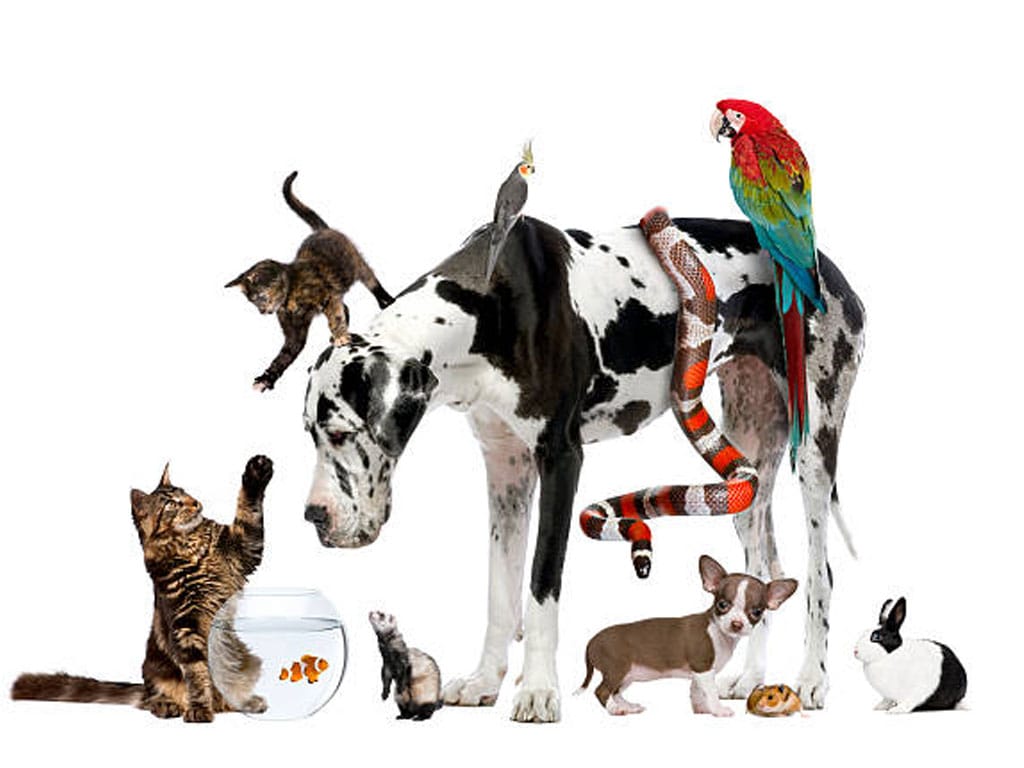
From classic dogs and cats to exotic spiders and snakes, each pet species has genuinely unique needs that require real knowledge and commitment before you bring one home.
This pet care guide breaks down the essentials for nine common species, covering exactly what each one needs to thrive, so you can make an informed decision and build a genuinely healthy bond with whichever pet you choose.
Quick Facts: Pet Lifespan and Commitment Level
| Pet | Typical Lifespan | Commitment Level |
|---|---|---|
| Dog | 10–15 years | High (daily exercise, training) |
| Cat | 12–20 years | Moderate (independent, but needs enrichment) |
| Parrot/bird | Up to 50+ years (larger species) | Very high (decades-long commitment) |
| Guinea pig | 4–8 years | Moderate (social, needs a companion) |
| Rabbit | 8–12 years | Moderate to high |
| Turtle | 20–50+ years | High (long-term, specialized habitat) |
| Fish | 3–15 years (species-dependent) | Moderate (setup-heavy, then routine) |
| Tarantula | Females 10–25 years, males 2–5 years | Low (minimal handling, specialized care) |
| Snake | 10–30 years | Moderate to high |
1. Dogs: Loyalty That Demands Attention
Key characteristics:
- Social by nature, they need daily interaction and mental stimulation.
- Lifespan: 10–15 years (varies by breed).
Essential care:
- Diet: High-quality protein-based diet, avoiding excess carbohydrates. Small vs. large breeds require specific formulas.
- Exercise: Minimum 30–60 minutes daily, depending on the dog’s energy level.
- Health: Mandatory vaccinations, quarterly deworming, and annual check-ups. Watch for hip dysplasia in large breeds.
- Socialization: Expose them to people, animals, and environments from puppyhood to prevent anxiety or aggression.
Common mistakes:
- Humanizing their diet with foods like chocolate, grapes, or onions, all toxic to dogs.
- Ignoring dental care, which leads to periodontal disease over time.
For a full breakdown of what a puppy specifically needs in their first year, our complete guide to puppy care covers training, nutrition, and hygiene in depth.
2. Cats: Independence with a Touch of Affection
Key characteristics:
- Territorial and independent, but affectionate in their own way.
- Lifespan: 12–20 years.
Essential care:
- Diet: Strict carnivores. They need taurine, found almost exclusively in high-quality wet or dry food.
- Vertical space: Shelves or scratching posts to satisfy their instinct for height.
- Hygiene: Clean the litter box daily to prevent rejection or urinary infections.
- Environmental enrichment: Toys that mimic hunting, like feathers and laser pointers.
Common mistakes:
- Not spaying or neutering, which increases the risk of cancer and marking behaviors.
- Forcing interaction: cats choose when to give affection, not the other way around.
Diet is where most cat owners go wrong first. Our cat food and nutrition guide covers exactly what nutrients they need and which foods are genuinely dangerous.
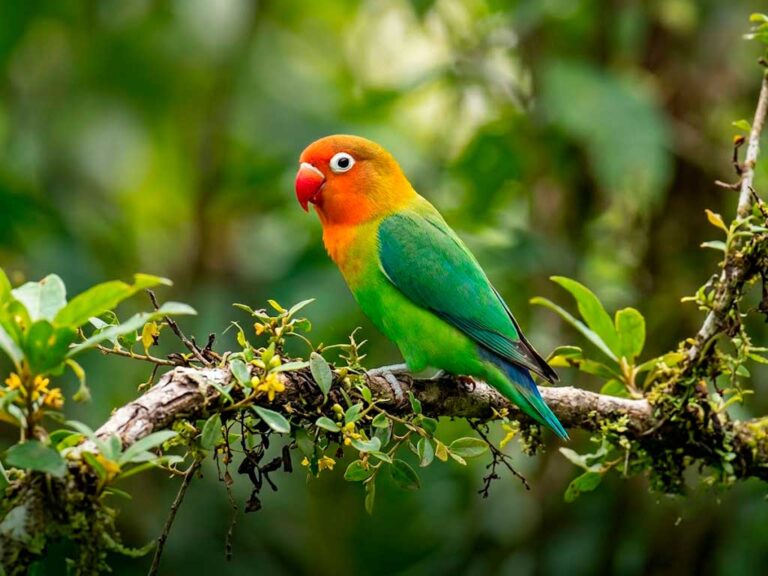
3. Birds (Parrots, Canaries, Lovebirds): Color and Communication
Key characteristics:
- Intelligent and social; some species, like parrots, can live 50 or more years.
Essential care:
- Cage: Spacious, with room to fly, and horizontal bars for climbing.
- Diet: A mix of seeds, fresh fruits (avoid avocado, which is toxic), and vegetables.
- Stimulation: Toys to peck at that prevent boredom, like feathers and ropes.
- Socialization: Daily interaction is essential to avoid depression in social species.
Common mistakes:
- Placing the cage in drafts or near the kitchen, where fumes can be harmful.
- Ignoring signs of stress, such as feather plucking.
Feeding a bird well goes beyond a basic seed mix. Our complete guide to bird feeding breaks down a genuinely balanced diet by species.
4. Guinea Pigs: Social and Sensitive Pets
Key characteristics:
- Social rodents that should live in pairs or groups, never alone.
- Lifespan: 4–8 years.
Essential care:
- Diet: High-quality hay should make up 80% of their diet, supplemented with vitamin C-rich vegetables like bell peppers and spinach.
- Habitat: A spacious cage with hiding spots and absorbent bedding, avoiding cedar, which is toxic.
- Socialization: Gentle, consistent handling to build trust over time.
Common mistakes:
- Feeding them only commercial pellets, which causes nutritional deficiencies.
- Not providing chew toys, which leads to overgrown teeth.
Guinea pigs and rabbits share a lot in common as first-time small pets. Browse our full Small Pets category for species-specific guides.
5. Rabbits: More Than Just a Quiet Pet
Key characteristics:
- Curious and active; they need real space to run and explore.
- Lifespan: 8–12 years.
Essential care:
- Diet: Hay (70%), fresh vegetables (30%), and seed-free pellets in moderation.
- Habitat: A safe area without exposed wires to chew, since electrocution is a genuine risk.
- Health: Spaying or neutering is essentially mandatory to prevent uterine cancer in females.
Common mistakes:
- Bathing them, which disrupts their skin pH — rabbits clean themselves.
- Leaving them alone for days, since they require daily supervision and interaction.
6. Turtles: Patience and a Controlled Environment
Key characteristics:
- Depend entirely on their environment to regulate body temperature.
- Lifespan: 20–50+ years, depending on species.
Essential care:
- Terrarium: Aquatic and dry areas for semi-aquatic turtles, plus UVB light for calcium metabolism.
- Diet: Omnivorous or herbivorous depending on species; avoid excess animal protein for herbivorous turtles.
- Hibernation: Some species require it; research your specific species before assuming.
Common mistakes:
- Using sand as substrate, which risks intestinal impaction if ingested.
- Not separating aggressive species, which can lead to bites and injury.
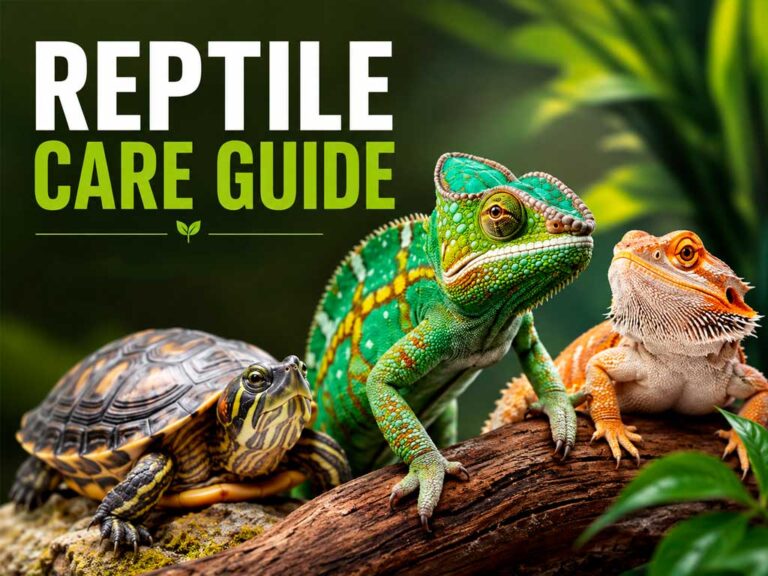
UVB and calcium are where most reptile owners fall short. Our guide to metabolic bone disease in reptiles explains exactly why this matters and how to prevent it.
7. Fish: An Underwater World at Home
Key characteristics:
- Sensitive to changes in water quality more than almost any other pet type.
- Lifespan varies widely: goldfish can live 10–15 years, bettas typically 3–5.
Essential care:
- Aquarium: Pre-cycle the tank for 4–6 weeks to establish beneficial bacteria before adding fish.
- Water parameters: Monitor ammonia, nitrites, nitrates, and pH based on your species’ needs.
- Diet: Species-specific food, whether flakes, pellets, or live food, without overfeeding.
Common mistakes:
- Performing full water changes, which removes the beneficial bacteria your tank depends on.
- Mixing incompatible species, like bettas with brightly colored fin-nippers.
If you’re setting up your very first tank, our guide to choosing your first aquarium walks through the entire process.
8. Spiders (Tarantulas): Fascination with the Exotic
Key characteristics:
- Solitary and genuinely low-maintenance, but not pets meant for handling.
- Lifespan: females 10–25 years, males only 2–5 years.
Essential care:
- Terrarium: Secure, with proper ventilation and moist or dry substrate depending on species.
- Diet: Live insects like crickets or roaches, offered 1–2 times a week.
- Molting: Provide adequate humidity to support this vulnerable process.
Common mistakes:
- Disturbing them during molting, when they’re extremely vulnerable and can die from stress.
- Using pesticides anywhere near their habitat, which contaminates the air they breathe.
If exotic, low-maintenance pets interest you, our roundup of underrated reptile pets covers several species worth considering.
9. Snakes (Non-Venomous): Elegance with Responsibility
Key characteristics:
- Require genuinely informed owners; some species grow far larger than beginners expect.
- Lifespan: 10–30 years; ball pythons specifically often reach 20–30.
Essential care:
- Terrarium: Controlled temperature and humidity; a thermometer and hygrometer are essential, not optional.
- Diet: Frozen, thawed rodents, never live prey, which can injure your snake.
- Handling: Keep it limited to avoid stress, and always wait 48 hours after feeding.
Common mistakes:
- Choosing large species like boa constrictors without adequate space to house them long-term.
- Ignoring signs of illness, like excess mucus or unexplained weight loss.
If you’re considering a snake as a first reptile, our Calabar python care guide covers one of the more manageable species for beginners.
Ethical and Legal Considerations
- Adoption vs. purchase: Avoid supporting illegal trafficking of exotic species, and research your source carefully.
- Legislation: Check local laws before acquiring reptiles or arachnids, since regulations vary significantly by location.
- Long-term commitment: Some pets, like turtles and parrots, may genuinely outlive you. Have a plan for that reality before you commit.
Frequently Asked Questions
What is the easiest pet to care for as a beginner?
Guinea pigs, rabbits, and certain fish species are generally considered manageable for beginners, though every species still has specific, non-negotiable care requirements.
Which pets live the longest?
Parrots and turtles are among the longest-lived common pets, with some species living 50 years or more, which is a genuine lifetime commitment.
Do all pets need daily interaction?
Most do, though the type varies widely. Dogs and social birds need daily engagement, while tarantulas and some reptiles need minimal handling but still require daily habitat monitoring.
What’s the most common mistake new pet owners make?
Underestimating species-specific dietary needs, whether that’s toxic human foods for dogs and cats or improper UVB and calcium for reptiles.
Are exotic pets like tarantulas and snakes hard to care for?
Not necessarily hard, but they require precise environmental control (temperature, humidity) that’s less forgiving than mistakes with more common pets.
How do I know if a pet is legal to own in my area?
Check your local and state or national wildlife regulations before acquiring any exotic species, since laws vary significantly by location.
Do small pets like guinea pigs need a companion?
Yes. Guinea pigs are genuinely social and do poorly living alone long-term; they generally need to live in pairs or small groups.
What should I research before getting any new pet?
Lifespan, daily care requirements, diet, habitat needs, and your local laws, ideally before you bring the animal home, not after.
Can fish really be low-maintenance pets?
Once a tank is properly cycled and established, routine fish care is manageable, but the setup phase requires real patience and monitoring.
Why do reptiles need UVB light specifically?
Many reptile species need UVB to properly metabolize calcium. Without it, they can develop serious bone and health problems over time.
Every pet, whether a playful retriever or a calm tarantula, deserves an environment tailored to their specific biology and behavior. Researching before adopting, consulting specialized veterinarians, and respecting each species’ natural needs doesn’t just prevent suffering, it turns coexistence into a genuinely enriching experience for both of you.