What Can You Give a Dog That’s Been Poisoned?
Picture this: you walk into the kitchen and find your dog chewing on a torn chocolate wrapper, an open pill bottle, or a bag of rat bait. Your heart drops. What do you do first?
Here’s the short answer. Call your veterinarian or a pet poison hotline right away, and do it before you give your dog anything by mouth. The right treatment depends on what was swallowed, how much, how much your dog weighs, and how long ago it happened. Those details are exactly what a vet needs to decide the next step.
According to the ASPCA Animal Poison Control Center, nearly 90% of dog poisonings happen inside the home. Common culprits include chocolate, xylitol, human medications, rodenticides, toxic plants, and cleaning products. Most of these are preventable, and most are much easier to treat when you act quickly.
Call for Help First
Save these numbers in your phone today, so you aren’t searching for them in a crisis:
- ASPCA Animal Poison Control Center: 1-888-426-4435 (24 hours; a consultation fee may apply)
- Pet Poison Helpline: 1-855-764-7661 (24/7)
- Your regular veterinarian and the nearest emergency animal hospital
When you call, have this information ready:
- Your dog’s breed, age, and weight
- Any medications or health conditions your dog has
- The suspected poison, including the product label if you have it
- The estimated amount swallowed
- The time since the exposure
- The symptoms you’re seeing right now
If you can, take a photo of the product or plant and bring the container with you to the clinic.
The First 30 Minutes
- Stay calm and secure your dog. Your dog will pick up on your stress. Move your dog away from the source of the poison, and keep them from eating or licking anything else. If the substance is on their fur, don’t let them groom it off until you’ve spoken with a professional.
- Identify the toxin. Look for the wrapper, bottle, plant, or bag. Read the label, because the active ingredient matters. Note whether the product is a rodenticide, an antifreeze, a human medication, or a cleaning chemical.
- Estimate the amount and timing. Did you see your dog eat it, or did you find evidence afterward? Was the package full or partly empty? Even a rough estimate helps your vet.
- Don’t wait for symptoms. Some poisons cause no signs for hours or even days. A dog that looks completely normal can still be in danger.
- Get professional instructions before doing anything else. Whether to induce vomiting, give activated charcoal, or go straight to the hospital is a decision for a vet or poison hotline, not a guess based on a home remedy.
Warning Signs to Watch For
Symptoms vary by poison, but these are the most common signs that need an immediate call:
- Vomiting, bloody vomit, or bloody diarrhea
- Excessive drooling or gagging
- Tremors, twitching, or seizures
- Staggering, weakness, or collapse
- Rapid, slow, or irregular heartbeat
- Heavy panting, wheezing, or trouble breathing
- Pale, white, or blue gums
- Unusual restlessness, confusion, or hiding
- Excessive thirst or urination
Breathing difficulty, seizures, collapse, and pale or blue gums are emergencies. Go to the nearest emergency hospital now and call ahead if you can.
To check gum color, press gently on the gums. They should turn white briefly and return to pink within about two seconds. If they stay pale or look blue, treat it as an emergency.
Why You Should Not Give Home Remedies on Your Own
You’ll find many online suggestions for what to give a poisoned dog: milk, olive oil, chamomile tea, hydrogen peroxide, and activated charcoal. Some of these have been passed down for generations, and some have a narrow role in veterinary care. None of them is a safe universal fix.
- Hydrogen peroxide can make vomiting happen, but vomiting is dangerous after swallowing caustic substances like bleach, drain cleaner, or gasoline, and it can cause aspiration pneumonia. Only use it if a veterinarian or poison control specialist tells you to, and follow their exact instructions.
- Activated charcoal binds some toxins in the gut, but it does nothing for others, including xylitol, alcohol, and ethylene glycol (antifreeze). Vets decide whether it’s appropriate and at what dose. Don’t measure it out at home.
- Milk doesn’t neutralize most poisons. It can cause vomiting and diarrhea, and many dogs are lactose intolerant.
- Olive oil has little scientific support for poisoning. Forcing oil into a dog who is vomiting can send it into the lungs.
- Chamomile tea may soothe mild stomach upset, but it is not an antidote and won’t stop absorption of a toxin.
The safest rule: don’t give anything by mouth until a professional has told you to.
Never Make Your Dog Vomit If…
Do not induce vomiting if your dog may have swallowed:
- Bleach, drain cleaner, oven cleaner, or other corrosives
- Gasoline, diesel, kerosene, or paint thinner
- Batteries
- Sharp objects, glass, bones, needles, or fish hooks
- An unknown substance
Also don’t try to make your dog vomit if they are unconscious, having seizures, struggling to breathe, or unable to swallow normally. In those cases, go straight to a veterinary hospital.
Common Poisons and What to Know
- Chocolate. Theobromine and caffeine affect the heart and nervous system. Dark chocolate, baking chocolate, and cocoa powder are the most dangerous. Symptoms usually start within 2 to 12 hours. Small dogs and puppies are at greater risk, so call a vet even for a small amount.
- Rat and mouse poison. The type matters. Anticoagulant rodenticides stop blood from clotting, and signs can take 2 to 5 days to appear. Bromethalin attacks the nervous system and has no specific antidote. Cholecalciferol (vitamin D3) raises calcium dangerously and can damage the kidneys. Zinc phosphide releases a toxic gas in the stomach. Keep the package with you and get veterinary care immediately.
- Xylitol. This sweetener in sugar-free gum, peanut butter, baked goods, and some toothpastes can drop blood sugar within 15 to 30 minutes and cause liver failure within 24 hours. It is always an emergency.
- Grapes and raisins. There is no known safe amount for dogs. They can cause kidney failure, and early treatment gives the best chance of avoiding lasting damage.
- Ibuprofen and acetaminophen. Human pain relievers are a common cause of poisoning. Ibuprofen can cause stomach ulcers and kidney damage. Acetaminophen damages the liver and red blood cells. Never give human medication to a dog unless a vet has prescribed it.
- Antifreeze (ethylene glycol). It is sweet-tasting and extremely toxic to the kidneys. Even a small lick can be fatal without fast treatment.
- Toxic plants. Sago palm, oleander, azalea, foxglove, autumn crocus, and lilies are among the most dangerous. Bring a sample or photo to your vet if you can identify the plant.
What Happens at the Vet
Most clinics follow a similar sequence. The team first checks your dog’s heart rate, breathing, temperature, gum color, and neurological status. If your dog is seizing or in shock, stabilizing them comes first.
Then the vet works to identify the poison and limit how much is absorbed. Depending on the case, that may include inducing vomiting, activated charcoal, or gastric lavage.
Blood and urine tests help check the liver, kidneys, blood sugar, and clotting. Imaging can show blockages or swallowed objects.
Supportive care is often the core of treatment. IV fluids protect the kidneys and blood pressure. Oxygen helps if breathing is compromised. Anti-seizure drugs, heart rhythm medication, and stomach protectants are used as needed. Some poisons have antidotes, such as vitamin K1 for certain rodenticides, but many don’t, which is why early care matters so much.
Some dogs go home the same day. Others need one to several days in hospital for IV fluids, monitoring, or treatment of delayed symptoms.
Planning for Unexpected Vet Bills?
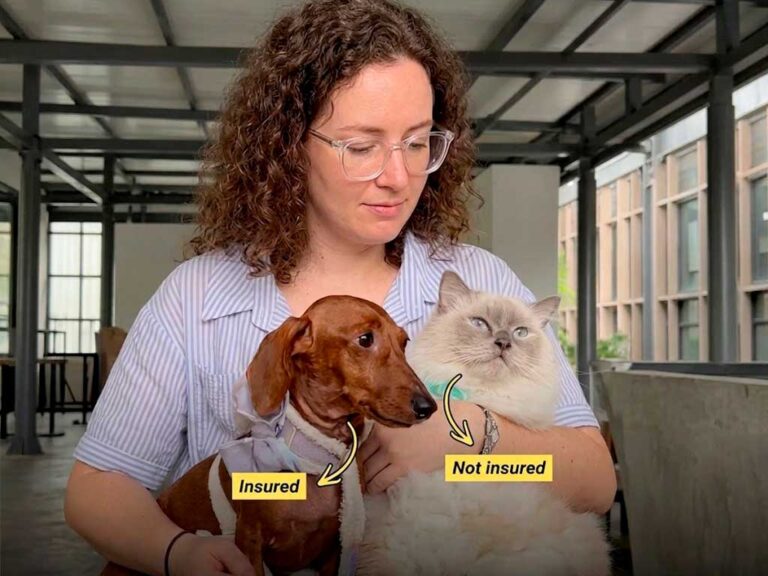
Emergency care and unplanned treatments can add up quickly. Pet insurance is one way some owners prepare for those costs. Review the coverage details, waiting periods, and exclusions before you decide.
Cover you petHappy Pet Zone may earn a commission when you click through to Lemonade, at no extra cost to you.
Recovery at Home
Once your vet releases your dog, follow the discharge instructions closely. Give every prescribed medication exactly as directed, even if your dog seems fully recovered. Provide fresh water and a quiet place to rest, and keep exercise limited.
Your vet may recommend a bland diet for a few days, such as plain boiled chicken and white rice or a prescription gastrointestinal food. Avoid treats and fatty foods until digestion settles.
Schedule the follow-up visits your vet asks for, especially if the poison affected the liver or kidneys. Some dogs need blood tests for weeks.
How to Prevent Poisoning
Most poisonings are preventable:
- Store medications in closed cabinets, in their original containers. Flavored chewable pills can smell like treats.
- Keep chocolate, grapes, raisins, onions, garlic, macadamia nuts, xylitol products, and alcohol out of reach.
- Choose pet-safe rodent control, or use bait stations your dog can’t open, and keep bait away from the yard.
- Store cleaning products, antifreeze, and garage chemicals in locked cabinets.
- Identify toxic plants in your home and yard.
- Teach a reliable “Leave It” command. It can stop your dog from grabbing something dangerous.
Keep an emergency kit ready, including a digital thermometer, gauze, a muzzle, a clean towel, a blanket, a list of emergency numbers, and the poison hotline numbers. Don’t include home remedies in the kit as a replacement for professional advice.
Frequently Asked Questions
Final Thoughts
Discovering that your dog has been poisoned is frightening, and it’s natural to want something to do right away. The most useful thing you can do is act fast and get expert guidance: remove your dog from the danger, gather the facts, and call a vet or poison hotline. Home remedies have a narrow role at most, and they should never replace that call.
Keep the emergency numbers where you can find them, keep dangerous products out of reach, and teach “Leave It.” Those habits will protect your dog long before an emergency happens.
This article is for general information only and does not replace veterinary care. If you think your dog has been poisoned, contact a veterinarian or a pet poison hotline immediately.