Chinchilla Colors: A Complete Guide to Every Mutation
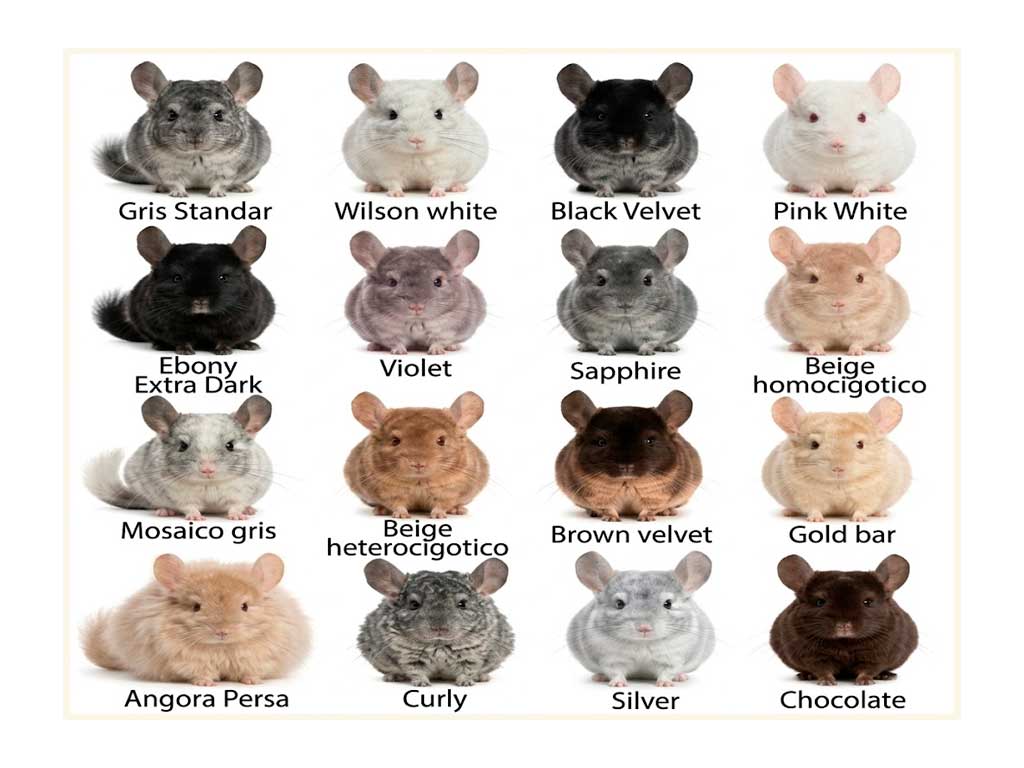
My daughter asked me why her friend’s “purple” chinchilla looked nothing like ours. Fair question. There are dozens of named chinchilla colors, all technically called mutations, and most people only ever hear about two or three of them. Here’s what the rest actually look like and where they came from.
Chinchilla Colors at a Glance
| Color | How to Spot It |
|---|---|
| Standard Grey | Blue-grey coat, white belly, black eyes |
| White / Mosaic | Patchy or solid white over grey |
| Beige / Tan | Tan to champagne coat, red eyes, pink ears |
| Black Velvet / Ebony | Charcoal to jet-black coat |
| Violet | Soft blue-lavender hue |
| Sapphire | Cool “gun metal” blue-grey |
| Blue Diamond | Violet and sapphire combined, periwinkle blue |
| Black Pearl | Solid black down to the belly, no grey sides |
Standard Grey: Where It All Started
Every other color on this list is a mutation of this one. Standard grey is the color wild chinchillas actually wear: a bluish grey coat that fades lighter on the sides, a bright white belly, black eyes, and dark ears.
It’s also the most affordable and, honestly, one of the sturdiest colors to own. Breeders lean on standard grey to keep fur density and body size strong in every other color line, which tells you something about how solid this “plain” color really is.
White and “Mosaic” Chinchillas
The first color mutation ever recorded showed up in 1955 on a California ranch, a chinchilla with patches of white instead of grey. Breeders now call this the Wilson white gene, and it behaves oddly: two white parents bred together usually don’t produce viable babies, so responsible breeders never pair two whites.
Because the white gene doesn’t spread evenly, you get “mosaic” patterns instead of one uniform color, anything from a chinchilla that’s almost entirely white to one with just a few grey patches. A chinchilla that’s an even light grey with white markings is sometimes casually called “silver,” though that’s not a separate official color, just a look.
Beige, Tan, and the Red-Eyed Colors
Beige chinchillas trace back to the same decade as white, first appearing on an Oregon ranch in 1955. The telltale signs are a tan to light champagne coat, a white belly, and red or pink eyes instead of black, a detail that surprises a lot of new owners the first time they see one.
Tan is a related but separate look: take the beige coloring and add the ebony gene, and the white belly disappears, replaced by a beige-to-chocolate color all the way around. Pastel is just an informal nickname some owners use for a lighter tan.
Black Velvet and Ebony: The Dark Colors
Black velvet, sometimes called TOV for “touch of velvet,” first showed up on a Washington ranch in the 1960s. It gives a chinchilla a dark, evenly veiled black across the face, back, and shoulders that fades to grey lower down, still with that classic white belly.
Ebony is the darker, more solid cousin, developed in Texas in 1964. Instead of fading to grey, the dark color wraps most of the way around the body. One quirk worth knowing if you’re buying one: ebonies are notoriously slow to fill out. It can take a full two years to reach their final size and color, compared to 8 to 14 months for most other chinchillas.
Violet, Sapphire, and Blue Diamond: The Blue Family
Violet chinchillas carry a soft lavender-blue hue, first developed in the 1970s. Sapphire, discovered a decade earlier in Indiana, leans cooler, often described as a “gun metal” blue-grey. Both need two carrier parents to actually show the color.
Cross those two genes together and you get blue diamond, a strikingly bright periwinkle-blue chinchilla and one of the more sought-after colors among owners who want something unusual.
Black Pearl and the Newer Colors
Not every color is decades old. Black pearl only appeared in 2007, bred by a breeder in Poland. It looks similar to black velvet at a glance. The color runs solid black all the way to the belly instead of fading to grey partway down, one of the clearer ways to tell the two apart.
New color combinations still turn up occasionally as breeders keep working with these genes, which is part of why some online lists of chinchilla colors run longer than others.
Coat, Not Color: Angora and Locken
Two more mutations affect fur texture and length rather than color, and they can show up in any of the colors above. Angora chinchillas (sometimes called Royal Persian Angora) carry noticeably longer, plusher fur, first recorded in Texas in the 1960s. Locken, or “curly,” chinchillas have wavy or curled fur instead of straight, a trait that only shows up alongside the ebony gene.
Both are considered more delicate coats that need extra care to keep in good condition, and they’re rarer and pricier than a standard-coated chinchilla in the same color.
Does Color Affect Health or Price?
Rarity drives price more than anything else. A standard grey typically costs the least, while colors like blue diamond, black pearl, and the angora or locken coat types run noticeably higher because there are fewer breeders working with them.
Color itself doesn’t change day-to-day care, diet, or temperament. The one real exception is breeding: white-gened chinchillas (including mosaics) and TOV chinchillas should never be paired with another chinchilla carrying that same gene, since the pairing risks non-viable litters. That’s a breeder’s concern more than a pet owner’s, but it’s worth knowing if you’re ever asked about a chinchilla’s parentage.
Don’t Overlook a Standard Grey
It’s easy to get color-obsessed browsing photos online. Rescue groups will tell you the same thing: a healthy, well-socialized standard grey makes just as wonderful a pet as any rare color. Plenty of great chinchillas get passed over simply because their coat isn’t unusual enough.
If a specific color matters to you, that’s a fine reason to seek out a breeder. Just don’t let color be the only thing you’re evaluating a chinchilla by.