The Relationship Between Babies and Pets: Benefits, Challenges, and Best Practices
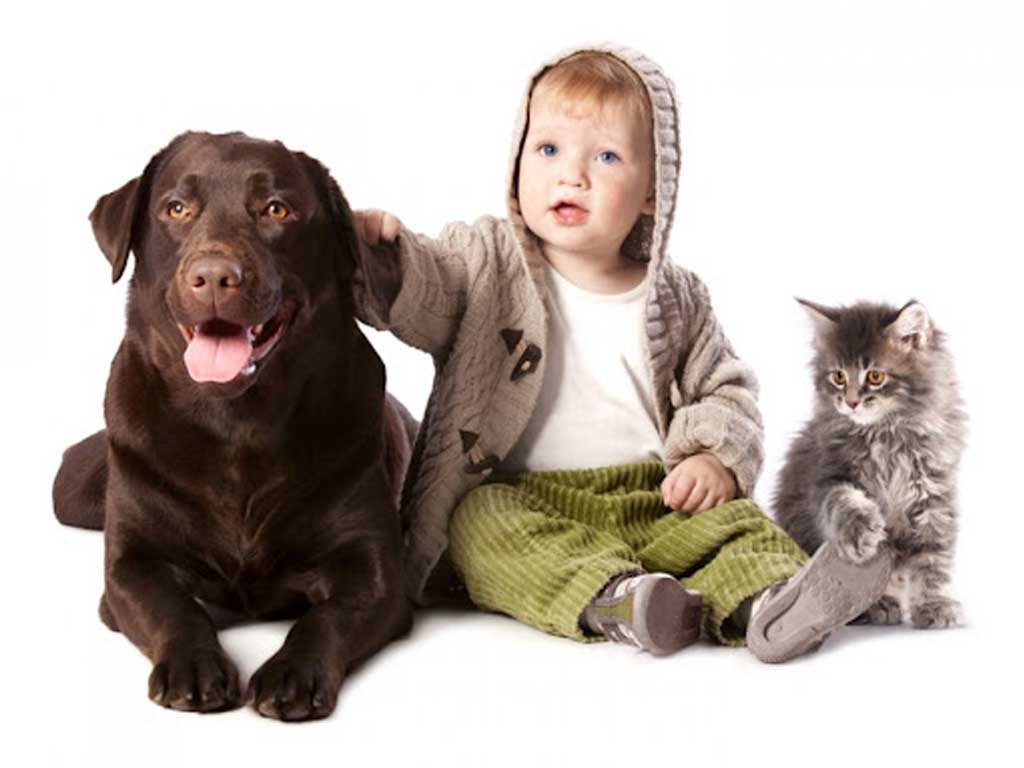
Wondering if your dog or cat is going to handle a new baby okay? You’re asking the right question at the right time. The relationship between babies and pets can be one of the most rewarding parts of family life, but it doesn’t happen automatically. Here’s the thing — the families who get it right start preparing weeks before the baby ever comes home, not the day after.
I’ve helped plenty of dog owners through this exact transition, and the pattern is always the same: a little groundwork prevents almost every problem people worry about.
Quick Facts: Babies and Pets
- Start prep: 4–6 weeks before the due date
- Never leave alone: Babies and pets should never be unsupervised together, no exceptions
- Biggest risk factor: Sudden change in routine, not the pet itself
- Best-suited dog breeds: Labrador Retriever, Golden Retriever, Cavalier King Charles Spaniel
- Hygiene rule: Wash hands after pet contact, before and after handling the baby
The Real Benefits of Growing Up With a Pet
Kids who grow up around animals tend to come out ahead in a few specific ways, and it’s not just a nice feeling — there’s research behind it. Growing up with pets has been linked to stronger immune development and a lower risk of certain allergies later on. Beyond the physical side, pets teach empathy in a way that’s hard to replicate. A baby who watches a parent care gently for a dog is absorbing something, even before they can talk.
- Emotional development: Pets build empathy and affection early on.
- Social skills: Babies pick up on non-verbal cues from animals, which carries over into how they read people.
- Stress reduction: Contact with a calm pet releases oxytocin — for the baby and for exhausted new parents too.
Preparing Your Pet Before the Baby Arrives
Adapt to the Changes Early
Dogs and cats notice change fast, and a new baby brings a lot of it all at once. Give it a minute of thought and it makes sense — new smells, new sounds, less one-on-one attention. Start easing your pet into that reality weeks in advance instead of all on the day you walk through the door.
- Introduce sounds and smells first. Play recordings of a baby crying, and let your pet sniff a blanket or piece of clothing from the hospital before the baby comes home.
- Keep routines steady. Walks, feeding times, and play sessions should stay as close to normal as your schedule allows.
- Desensitize to gentle touch. Get your pet comfortable with the kind of clumsy, unpredictable touch a baby will eventually give them.
Manage Jealousy and Stress
Trust me on this one: a pet acting distant or clingy after a new baby arrives isn’t being difficult, it’s stressed. Reinforce good behavior with praise, and carve out dedicated one-on-one time so your pet doesn’t associate the baby with losing your attention entirely. If the stress signs don’t ease up after a few weeks, it’s worth bringing in a behavior specialist — I’ve got a full guide on managing canine hyper-attachment and separation anxiety if clinginess is the direction your dog goes instead.
Safe Coexistence: Hygiene and Physical Safety
Basic Hygiene Rules
Hygiene isn’t about being paranoid, it’s just good practice for babies and pets sharing a home. Wash hands after touching your pet and before handling the baby. Keep the baby’s sleeping area free of pet hair. Stay current on deworming and vet checkups — and if you haven’t looked into year-round flea prevention yet, flea prevention for dogs is worth doing before the baby arrives, not after.
Physical Safety
- Set up designated spaces. Baby gates or barriers give both the baby and the pet a place to retreat to.
- Supervise constantly. Never leave a baby and a pet alone together, even for a minute, even with the calmest pet you’ve ever met.
- Train the basics early. Commands like “sit” and “stay” give you real control in moments that matter.
A first aid kit built for your specific pet also earns its place here — not because something will go wrong, but because you’ll be glad it’s there if it does. Take a look at what belongs in a dog first aid kit if you haven’t put one together yet.
Safe Activities and Teaching Respect
Ideas for Positive Interaction
Controlled, low-key activities build the bond without adding risk.
- Supervised play: Let your dog release energy with a ball while the baby watches from a safe distance.
- Quiet time together: Reading aloud with your pet nearby can be genuinely calming for both of them.
Teaching Mutual Respect
As your baby grows into a toddler, teaching respect toward the pet becomes just as important as teaching the pet to be gentle. Show them early not to pull fur, ears, or tails, and to approach calmly instead of running up. Give it time — this is a skill that develops over months, not days.
Choosing the Right Pet for a Family With Babies
If you’re choosing a pet with a baby already in the picture, temperament matters more than anything else on the list.
- Recommended dog breeds: Labrador Retriever, Golden Retriever, and Cavalier King Charles Spaniel are known for patience and a gentle nature. Browse our full dog breeds hub if you’re still deciding.
- Friendly cat breeds: Ragdoll and Maine Coon tend to be relaxed and tolerant of noise and handling.
- Small pets: Rabbits and guinea pigs can work well too, as long as an adult handles the day-to-day care.
Research the individual animal’s temperament, not just the breed reputation — every pet is still an individual.
Potential Risks and How to Reduce Them
- Allergies: Early exposure can lower allergy risk for some kids, but not all. Talk to your pediatrician if symptoms show up.
- Bites or scratches: Even a gentle pet can react if it feels cornered or startled. Teach children to approach with care as they get older.
- Zoonotic diseases: Some illnesses pass between animals and humans. Keep vaccinations and parasite prevention current, and this risk drops way down.
None of these risks should scare you off. They’re manageable with the same supervision and hygiene habits that make any home with kids and pets safer.
A quick note here: I’m not a pediatrician or a veterinarian. If your baby shows signs of an allergic reaction, or if a bite or scratch breaks the skin, contact your doctor and your vet rather than waiting it out. This guide covers general best practices, not a substitute for professional care.
Frequently Asked Questions
How far in advance should I prepare my pet for a new baby?
Start about 4 to 6 weeks before the due date. That gives your pet enough time to adjust to new sounds, smells, and routine changes gradually.
Can babies and pets really be left alone together if the pet is well-trained?
No. Babies and pets should never be left unsupervised together, regardless of how calm or well-trained the pet is.
What are the best dog breeds for a family with a baby?
Labrador Retrievers, Golden Retrievers, and Cavalier King Charles Spaniels are commonly recommended for their patience and gentle temperament around children.
How do I know if my pet is stressed about the new baby?
Watch for withdrawal, clinginess, changes in appetite, or house-training regressions. These are common stress signals worth addressing early.
Is it safe to introduce a pet to a newborn right away?
Yes, with supervision. Let your pet sniff the baby calmly from a safe distance rather than forcing close contact right away.
Do pets really help babies’ immune systems?
Research suggests early exposure to pets is linked to a lower risk of certain allergies and stronger immune development, though individual results vary.
What hygiene habits matter most with a baby and a pet in the house?
Washing hands before and after handling either the baby or the pet, and keeping the baby’s sleeping area free of pet hair, make the biggest difference.
How do I stop my dog from getting jealous of the new baby?
Keep routines consistent, reinforce calm behavior around the baby, and carve out one-on-one time so your dog doesn’t associate the baby with losing your attention.
Are cats safe around babies?
Generally yes, with the same supervision rules as dogs. Relaxed breeds like Ragdolls and Maine Coons tend to tolerate noise and handling especially well.
What should I do if my pet scratches or bites my baby?
Clean the wound and contact your pediatrician right away, even if it looks minor. Then talk to your vet about what triggered the reaction so it doesn’t happen again.
Bringing a baby and a pet together under one roof takes patience, but it’s genuinely one of the most rewarding parts of raising a family. Start the prep early, stay consistent with supervision, and give your pet time to adjust at their own pace. Do that, and you’ll likely end up with exactly the bond you were hoping for.