Bloodhound Dog Breed: Temperament, Care & Owner’s Guide
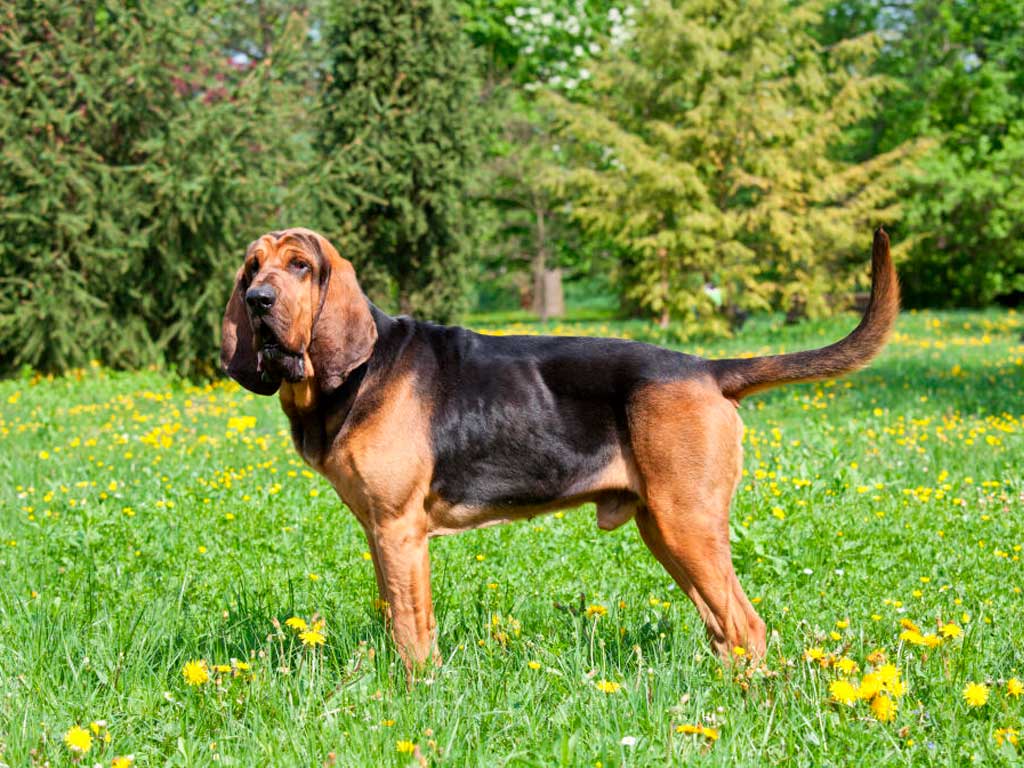
The Bloodhound dog breed has a nose that has put criminals behind bars, tracked missing persons across hundreds of miles, and produced courtroom evidence so reliable that US judges have allowed it to stand unchallenged in legal proceedings.
There is no dog on earth with a more powerful sense of smell. And behind that extraordinary capability sits one of the most gentle, docile, and genuinely affectionate large breeds you’ll ever meet.
But the Bloodhound is not an easy dog to own. Its size, its exercise demands, its single-minded obsession with following a scent, and its specific health vulnerabilities make it a breed that rewards experienced, committed owners — and frustrates everyone else.
Here is everything you need to know before bringing one home.
History and Origin
The Bloodhound’s story begins not in a kennel — but in a monastery.
The direct ancestor of the modern Bloodhound is believed to be the “Segusius” — a scent-tracking dog kept and carefully bred by monks at the Monastery of Saint Hubert in the Ardennes region of present-day Belgium, as far back as the 7th century AD. Saint Hubert himself is the patron saint of hunters, and the dogs bred in his name were considered the finest tracking animals in the medieval world. They were used to pursue wolves, large cats, deer, and wounded game across vast forest terrain.
When William the Conqueror invaded England in 1066, he brought many of his finest dogs with him. Among them were the St. Hubert Hounds, which were introduced to English nobility and hunting culture. In England, the black-and-tan variety eventually became known as the Bloodhound — a name that almost certainly referred not to a bloodthirsty temperament, but to the dog’s status as a pure-blooded, aristocratic hound of impeccable lineage. The white variety, meanwhile, was called the Talbot and is now extinct.
The Bloodhound’s reputation as the world’s premier tracking dog grew steadily over centuries. By the 19th century it was being used by law enforcement across Europe and America to track escaped criminals and missing persons — a role it still fulfills today with remarkable effectiveness. In many US states, a Bloodhound’s evidence trail is considered legally admissible in court and cannot be challenged — a testament to the breed’s unmatched accuracy.
One of the most celebrated documented tracking feats involved a Bloodhound working in Kentucky that followed a 222-kilometer trail more than 104 hours old and led directly to the capture of the fugitive. When James Earl Ray — the killer of Martin Luther King Jr. — escaped from prison in 1977, it was a pack of Bloodhounds that tracked him down through the mountains of Tennessee days later.
The modern Bloodhound is registered by the Kennel Club under the Hound group, and it remains one of the most recognized working breeds in the world, even as its role has shifted from estate hunting to search-and-rescue and law enforcement support.
Physical Characteristics
The Bloodhound is one of the most immediately recognizable dogs in existence. Its appearance is defined by excess — in the best possible way.
Key physical stats at a glance:
- Height: Females 58–63 cm (23–25 in); Males 63–69 cm (25–27 in)
- Weight: 41–50 kg (90–110 lbs) for both sexes
- Coat: Short, dense, and weatherproof — lies flat against the body
- Colors: Black and tan, liver and tan, or red
- Lifespan: 10–12 years
The head is the Bloodhound’s most defining feature. It is long, narrow, and covered in deeply wrinkled, loose skin that hangs in dramatic folds around the face and throat. The ears are extraordinarily long — among the longest of any breed — and hang in pendulous curves alongside the face. The eyes are deeply set, with drooping lower lids that reveal a characteristic reddish haw. The overall expression is one of solemn, dignified authority.
Those physical features aren’t aesthetic accidents. The long, floppy ears funnel scent particles up toward the nose as the dog works with its head lowered. The loose facial skin and deep wrinkles trap scent molecules close to the nostrils. Even the drool — and Bloodhounds do drool — plays a role, helping to dissolve and concentrate airborne scent compounds. Every exaggerated physical trait on this dog is, in evolutionary terms, a tool.
The Bloodhound’s body is powerful and athletic beneath its loose skin — a deep chest, strong, straight legs, and a long, tapering tail carried high in a gentle curve when the dog is alert. Despite its somewhat mournful appearance at rest, a Bloodhound on a scent trail is a picture of focused, muscular energy.
Temperament and Personality
The Bloodhound’s face suggests melancholy. Its actual personality tells a very different story.
This is a gentle, affectionate, and fundamentally good-natured dog that integrates well into family life. Bloodhounds are patient with children, sociable with other dogs, and remarkably tolerant of household chaos. They form deep bonds with their families and dislike being separated from their people — this is emphatically a dog that wants to be part of the household, not left outside or kenneled in isolation.
Crucially, the Bloodhound is not a guard dog by any measure. It will greet uninvited strangers with the same warmth it extends to beloved family members. If security is a priority, look elsewhere. The Bloodhound’s instincts run entirely toward scent-driven investigation, not protection.
Outdoors, the personality shifts noticeably. Once a Bloodhound locks onto an interesting scent trail, it becomes laser-focused and remarkably single-minded. It will follow that trail with its nose to the ground, largely oblivious to commands, traffic, or its owner’s increasingly frantic recall attempts. This is not disobedience — it is the dog doing precisely what thousands of years of selective breeding designed it to do. However, it means that off-leash exercise in unsecured areas is genuinely dangerous for this breed.
Inside, well-exercised Bloodhounds are notably calm and quiet. They are not a restless or hyperactive breed when their needs are met. However, an under-exercised or under-stimulated Bloodhound will make its displeasure known — typically through a deep, resonant baying that travels impressively well through walls and across distances.
Care Guide
Diet and Nutrition
The Bloodhound is a large, heavily built dog with a correspondingly substantial appetite. Feeding strategy matters enormously with this breed — not just for weight management, but for a specific life-threatening reason.
Bloodhounds carry a significant risk of bloat, known clinically as gastric dilatation-volvulus (GDV). This is a condition in which the stomach fills with gas and twists on itself, cutting off blood supply to vital organs. It is a veterinary emergency with a high fatality rate if not treated surgically within hours. Deep-chested, large breeds like the Bloodhound are disproportionately affected.
The key dietary precautions are straightforward: split daily food into two or three smaller meals rather than one large feeding, never allow vigorous exercise within an hour of eating in either direction, and consider a slow-feeder bowl to reduce the speed of consumption. Some owners and vets discuss prophylactic gastropexy — a surgical procedure that tacks the stomach to the abdominal wall — with high-risk breeds. This is worth raising with your veterinarian.
Feed a high-quality large-breed formula with real protein as the primary ingredient to support the Bloodhound’s muscular structure and joint health. Avoid free-feeding, which makes portion control difficult and contributes to the obesity that puts additional strain on the breed’s already vulnerable hips and joints.
Exercise Requirements
The adult Bloodhound needs a minimum of two hours of exercise every day. This is non-negotiable for a dog of this size, energy reserve, and working heritage.
However, puppies are a different matter entirely. Because the Bloodhound grows rapidly and puts significant weight on developing joints during its first year, exercise should be carefully restricted for puppies. Long walks, sustained running, and repetitive jumping should all be avoided until the bones and joints have fully matured — typically around 18 months. Consult your veterinarian for specific guidance on puppy exercise protocols.
For adult dogs, the ideal exercise combines physical exertion with nose work. Scent tracking games, formal mantrailing classes, and search-and-rescue training are all excellent outlets for the Bloodhound’s primary drive. A Bloodhound that gets to use its nose properly is a deeply satisfied animal. One that never does develops frustration that manifests as restlessness, baying, and destructive behavior.
All outdoor exercise must take place in securely fenced areas or on a leash. A Bloodhound that picks up an interesting trail cannot be reliably recalled off it, regardless of how well-trained it is. This is biological, not behavioral — and accepting that reality is part of responsible Bloodhound ownership.
Grooming Needs
On the grooming front, the Bloodhound is one of the lower-maintenance large breeds.
The short, dense coat requires only weekly brushing to remove dead hair and maintain skin health. The Bloodhound does shed, but the short coat makes this manageable with regular brushing and a good lint roller. Bathing every few weeks or when the dog has been working outdoors is sufficient for most individuals.
The areas requiring the most regular attention are not the coat — they are the ears and eyes. Those long, pendulous ears trap moisture and restrict airflow, creating a warm, dark environment where yeast and bacterial infections develop rapidly. Weekly ear checks and careful cleaning are essential. Similarly, the loose lower eyelids can collect debris and are prone to conditions like ectropion. Any redness, discharge, or signs of irritation warrant prompt veterinary attention.
The deep facial wrinkles also need regular checking and gentle cleaning to prevent moisture and debris from accumulating in the folds, which can lead to skin irritation or infection if left unaddressed.
Training and Education
Training a Bloodhound requires one overriding quality from its owner: patience.
This is not a breed that excels at rapid-fire obedience training. The Bloodhound is intelligent, but its intelligence is specialized and scent-oriented. It is not wired to respond to commands the way a Border Collie or German Shepherd does. It processes information differently — more slowly, on its own terms, and with a stubborn streak that can exasperate owners expecting quick compliance.
That said, the Bloodhound absolutely can be trained. It responds well to positive reinforcement, treats, and consistent, calm repetition. Short sessions of 10–15 minutes produce better results than long, repetitive drills that bore the dog into disengagement. Harsh correction or frustrated handling are counterproductive — the Bloodhound will simply disengage more completely.
The training investment that pays the largest dividend with this breed is leash manners and a solid recall in low-distraction environments. A Bloodhound that walks calmly on a leash without lunging after every interesting smell is dramatically easier and safer to own than one that hasn’t had this foundation work. Recall will never be fully reliable when a strong scent is present — but establishing a solid baseline response in controlled environments is still essential.
Early socialization is straightforward with this breed given its naturally gentle and sociable temperament. Introduce puppies to children, strangers, other dogs, and varied environments from as young as possible to build confidence and prevent the excessive timidity that can occasionally appear in the breed when socialization is neglected.
Health and Longevity
The Bloodhound has a lifespan of 10–12 years — shorter than many breeds, which is characteristic of very large dogs generally. Several health considerations deserve careful attention from any prospective owner.
Bloat (GDV) is the most immediately dangerous condition affecting this breed and has been addressed in the nutrition section above. It requires emergency veterinary intervention and can be fatal within hours of onset. Every Bloodhound owner should know the warning signs: a distended, hard abdomen, unproductive retching, excessive drooling, restlessness, and signs of pain when the belly is touched.
Hip dysplasia is common in large breeds and the Bloodhound is no exception. This is a malformation of the hip joint that can range from mild stiffness to severe, debilitating pain. Reputable breeders screen their dogs with hip examinations before breeding — always ask for this documentation when purchasing a puppy. Weight management and appropriate exercise throughout the dog’s life significantly reduce the impact of hip dysplasia if it develops.
Eye conditions linked to the breed’s exaggerated facial skin — including ectropion (outward-rolling lower eyelids) and entropion (inward-rolling eyelids) — can cause chronic irritation and corneal damage if untreated. These may require surgical correction in severe cases.
Finally, the Bloodhound’s long ears make chronic ear infections an ongoing management challenge. Weekly cleaning and prompt attention to any signs of infection are the most effective preventive measures available.
Is This the Right Dog for You?
The Bloodhound is one of the most rewarding large breeds you can own — if you go in with accurate expectations and genuine commitment.
This breed suits you well if you:
- Have prior experience with large or working dog breeds
- Can commit to a minimum of two hours of active daily exercise
- Have access to securely fenced outdoor space
- Are genuinely interested in nose work, tracking, or search-and-rescue activities
- Want a gentle, affectionate, and family-friendly large dog
- Are prepared for the practical realities: drool, shedding, regular ear care, and significant food costs
Think carefully before getting a Bloodhound if you:
- Are a first-time dog owner without a support network of experienced handlers
- Live in an apartment or have no access to secure outdoor space
- Cannot commit to substantial daily exercise
- Want a reliable off-leash dog in open environments
- Are sensitive to drool, dog odor, or the baying vocalizations this breed produces when stimulated
- Have very young children without a plan for careful supervision — the Bloodhound’s size alone makes accidental knockdowns a real consideration
In the right home, the Bloodhound is an unparalleled companion: noble, gentle, legendarily capable, and deeply loyal to the family it loves.
FAQs
Why is it called a Bloodhound?
The name almost certainly refers to the breed’s aristocratic purity of lineage — a “blooded” hound of noble breeding — rather than any aggressive or bloodthirsty quality. The Bloodhound is, temperamentally, one of the gentlest large breeds in existence. The name has nothing to do with its behavior.
How good is a Bloodhound’s sense of smell compared to other dogs?
Extraordinary — and unmatched. The Bloodhound possesses approximately 300 million olfactory receptors, compared to around 6 million in humans. Its nose is so reliably accurate that in many US states, trail evidence provided by a certified Bloodhound is admissible in court and cannot be legally challenged. No other breed comes close to matching its trailing ability over long distances and aged scent trails.
Can Bloodhounds live in apartments?
Technically possible, but strongly not recommended. The Bloodhound needs at least two hours of outdoor exercise per day, access to secure space for safe off-leash activity, and room to physically move — it is a very large dog. Additionally, when bored or under-stimulated, Bloodhounds bay loudly, which makes apartment neighbors understandably unhappy.
Do Bloodhounds drool a lot?
Yes — this is one of the breed’s most frequently mentioned practical realities. The loose facial skin and deep flews produce significant saliva, particularly when the dog is anticipating food, exercising, or excited. A towel kept handy becomes a standard household item for most Bloodhound owners. If heavy drool is a dealbreaker, this is not the right breed.
Are Bloodhounds good with children?
Generally yes. The Bloodhound’s gentle, patient, and sociable temperament makes it a good match for family life. However, its sheer size — up to 50 kg — means that accidental knockdowns of small children are a genuine risk, particularly with puppies and younger dogs that haven’t yet learned to manage their own bulk. Adult supervision during all interactions with very young children is essential, as it is with any large breed.