English Mastiff: The Complete Guide to Britain’s Gentle Giant
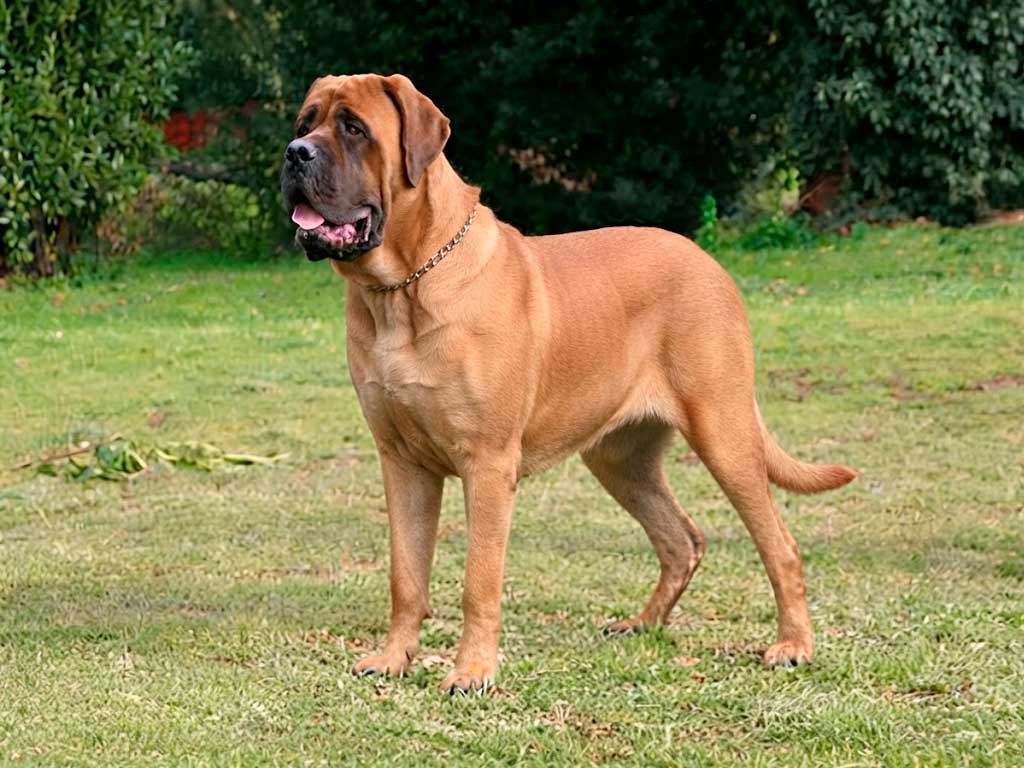
The English Mastiff ranks among the largest dog breeds in the world, yet it’s also one of the calmest. In this guide, you’ll discover its ancient history, its true temperament, and exactly what daily care this giant breed requires.
We’ve pulled together veterinary insights and breed data to give you a reliable, practical resource. By the end, you’ll know whether this massive but mellow companion fits your household.
History and Origin
Records of mastiff-type dogs in Britain stretch back to pre-Roman times, making this one of the oldest breeds in existence. Roman conquerors later adopted the breed, using it as a fighter in amphitheater spectacles.
The English Mastiff also served as a war dog for centuries. According to breed history, Henry VIII once gifted around 400 mastiffs to Emperor Charles V to strengthen his armies.
Beyond warfare, the breed appeared in brutal blood sports, including bull-baiting and bear-baiting events. Throughout all of this, it also worked reliably as a guard dog protecting estates and property.
Physical Characteristics
Adult English Mastiffs typically stand between 72 and 80 cm tall and can weigh up to 73 kg. That combination makes this breed one of the heaviest you’ll ever meet.
A wide chest, thick neck, and powerful legs give the English Mastiff its unmistakable, muscular silhouette. The short coat comes in apricot, fawn, and brindle shades, with a slightly rougher texture around the neck and shoulders.
This breed isn’t hypoallergenic, and moderate shedding is normal. Some drooling should also be expected, though it’s generally mild compared to other giant breeds.
Temperament and Personality
Calm and deeply affectionate sums up the English Mastiff’s nature toward its own family. It bonds closely with the people it loves and generally stays indifferent, rather than hostile, toward strangers.
Because of its enormous size, however, the breed can accidentally hurt small children during play. Therefore, homes with older kids tend to be a better match than households with toddlers.
Alertness comes naturally to this breed too. It watches over its home instinctively, and its sheer presence often deters trouble before it starts.
Care Guide
Diet and Nutrition
Giant breeds need a different balance of minerals and vitamins to support healthy joints and cartilage. The English Mastiff also has a hearty appetite, so portion control matters as much as nutrient quality.
This breed is prone to bloat and other stomach issues, a serious condition that requires immediate veterinary attention. Smaller, more frequent meals throughout the day can help lower that risk.
Exercise Requirements
Plan for at least one hour of daily exercise, though this breed can turn surprisingly lazy once it settles in. Cozy naps in warm spots are practically a favorite pastime for the English Mastiff.
Puppies need extra caution, since overexertion during growth can worsen bone problems already common in the breed. Muscle strains and sprains are more likely in young, still-developing dogs.
Grooming Needs
Weekly brushing is usually enough to manage this breed’s short coat. Pay closer attention to the ruff around the neck and shoulders, where the texture runs a bit rougher.
Beyond brushing, check for skin folds or wrinkles that might trap moisture. Regular grooming sessions also help you catch any lumps or irritation early.
Training and Education
Early socialization and consistent training matter enormously for a dog this size. An untrained adult English Mastiff can be difficult to manage simply due to sheer weight and strength.
Positive reinforcement remains the most effective approach. Additionally, extra training around other pets is often necessary, since supervision helps this breed adjust smoothly to a multi-pet household.
Health and Longevity
Life expectancy for the English Mastiff ranges from 6 to 12 years, a relatively wide window shaped heavily by breeding practices. Extreme breeding for size has unfortunately contributed to several inherited health conditions.
Hip and elbow dysplasia are common concerns, along with hereditary eye disorders and cruciate ligament problems in the knee. Responsible breeders screen hips and eyes before breeding, so ask about this if you’re buying from a breeder.
This article provides general information only. Always consult a licensed veterinarian for guidance specific to your dog’s health and breeding history.
Is This the Right Dog for You?
Experience with large-breed ownership makes a real difference here. First-time owners can succeed with an English Mastiff, but they should be ready for extra training and handling challenges.
Space and a calm household suit this breed best. Families with older children, rather than toddlers, are generally a safer match given the dog’s size.
If you’re drawn to giant, loyal guardians, this breed delivers in spades. Just be prepared for the drool, the shedding, and the sheer scale of daily life with a dog this size.
Frequently Asked Questions
Is the English Mastiff good with children?
Yes, though its massive size means it can unintentionally knock over or injure small children during play. Homes with older kids tend to work out better.
How much exercise does an English Mastiff need?
At least one hour of daily activity is recommended. That said, this breed often prefers relaxed naps once it reaches adulthood.
What health problems are common in this breed?
Hip and elbow dysplasia, hereditary eye conditions, and cruciate ligament issues appear most frequently. Screening breeding dogs for these conditions helps reduce the risk in puppies.
Does the English Mastiff drool a lot?
Some drooling is normal, though it’s typically milder than what you’d see in other giant breeds like the Saint Bernard.
Is the English Mastiff easy to train?
Training requires consistency and an early start, since this breed’s size makes bad habits harder to manage later. Positive reinforcement works best throughout.
Start your research by talking to a reputable breeder about hip and eye screening results. It’s the single most important step toward raising a healthy English Mastiff. For more giant breed comparisons, check out our Spanish Mastiff guide on Happy Pet Zone.