Cat Deworming Guide: Types, Schedule & Best Dewormers Compared
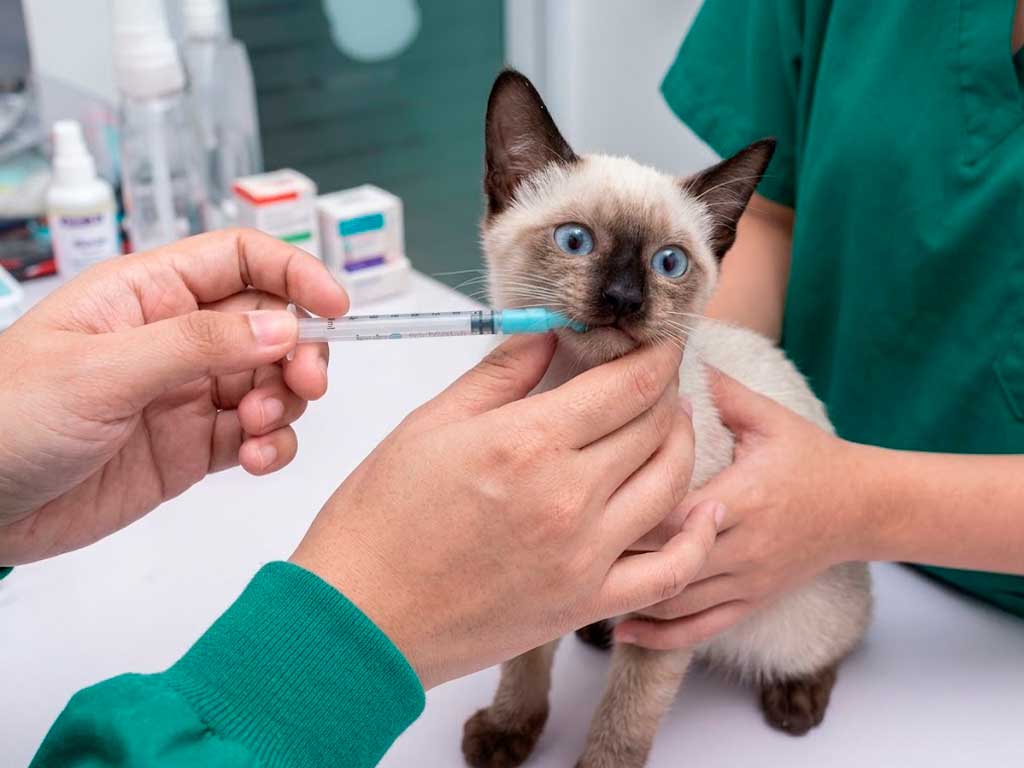
If you’ve ever spotted something that looks like a grain of rice moving near your cat’s tail, congratulations you’ve just met a tapeworm segment, and your cat needs deworming.
Cat deworming isn’t optional maintenance, it’s basic biology: nearly every kitten is born with roundworms already on board, passed straight through their mother’s milk.
Spoiler: your cat probably won’t act sick until the worm load gets serious, which is exactly why guessing doesn’t work.
This guide breaks down the worms cats actually get, a real age-by-age deworming schedule, how the major dewormers Drontal, Profender, Panacur, and the rest stack up against each other, and what actually keeps worms from coming back. No scare tactics, just what to do about it.
What Worms Actually Affect Cats
Here’s what’s really going on inside that worm category everyone lumps together: it’s not one problem, it’s several, and they spread in completely different ways.
Roundworms are the most common intestinal parasite in cats worldwide, and kittens get them almost automatically. The larvae sit dormant in a mother cat’s tissue, then migrate to her mammary glands during pregnancy and pass straight into her milk. Assume every kitten has them.
Hookworms attach to the intestinal lining and feed there, which can cause anemia and weight loss over time. Cats pick them up from contaminated soil, from eating an infected rodent, or less pleasantly from larvae burrowing directly through the skin.
Tapeworms are the ones you’ll actually see. Dipylidium caninum, the most common species, travels through fleas: a flea larva eats tapeworm eggs, your cat swallows the infected flea while grooming, and the cycle continues. If your cat has fleas, assume tapeworms are along for the ride too which is why keeping fleas under control does double duty as parasite prevention.
Less common but worth knowing about: heartworm and lungworm, which don’t live in the gut and won’t show up in a standard fecal check. These matter more in certain regions, so ask your vet if they’re a concern where you live.
A couple of these worms don’t stay confined to your cat, either. Roundworms and hookworms can pass to humans, which is one more reason regular deworming matters not just for your cat’s sake, but especially in households with kids.
How to Tell If Your Cat Has Worms
Most cats with a mild worm burden show nothing. Zero signs. That’s the part people don’t expect parasites are good at staying quiet enough to keep their host around.
When symptoms do show up, they tend to be weight loss, a dull coat, vomiting, diarrhea, or in kittens, a pot-bellied look from a heavier load. Tapeworm segments near the anus or in bedding are the one sign you can actually catch with your own eyes. Everything else usually needs a lab to confirm vets typically want a fresh stool sample, about the size of a walnut, checked under a microscope.
I’ve written a full breakdown of what to watch for, including the specific signs by worm type, in the signs your cat has worms.
Cat Deworming Schedule by Age
This is the part people get wrong most often treating deworming as a one-time fix instead of an ongoing schedule tied to your cat’s age and lifestyle.
Kittens
Because roundworm infection through nursing is basically guaranteed, kittens start young: fortnightly (every two weeks) from about 3 weeks old until 8 weeks, then monthly until they hit 6 months. If a kitten already has fleas, add a tapeworm-specific product to the rotation too, since the flea-tapeworm link doesn’t wait for adulthood.
Adult Cats
Once a cat passes 6 months, the schedule loosens up but doesn’t disappear. Outdoor cats and hunters need treatment every 1 to 3 months. Strictly indoor cats can often stretch to once or twice a year though vets have found indoor-only cats testing positive after two full years inside, so “indoor” isn’t a free pass, just a lower-risk category.
Senior Cats
Senior cats don’t need a fundamentally different schedule, but a heavy worm burden lands harder on top of other age-related issues like kidney or thyroid disease. If your senior cat’s usual interval has lapsed, or their lifestyle changed a formerly indoor-only cat spending more time outside, say treat that as a reason to check in with your vet rather than just picking the old schedule back up.
A Quick Note on Safety
None of this replaces an actual vet visit, especially for a cat with an unknown history, a heavy suspected load, or any symptom beyond “seems a little off.” A vet can confirm exactly which worm they’re dealing with before deciding on a dose.
Long-Term Worm Prevention
Deworming your cat once doesn’t make worms someone else’s problem forever. A few habits actually keep them from coming back.
Get an annual fecal exam done even for a cat who never sets a paw outside. Vets have found strictly indoor cats testing positive years into an infection nobody suspected, and a walnut-sized stool sample under a microscope is the only reliable way to catch it early.
Fleas are the single biggest reason tapeworms return, so a consistent flea product matters as much as the dewormer itself an over-the-counter flea option is worth having on hand if you don’t already use one.
If your cat hunts, treat every mouse or bird they bring home as a fresh worm exposure, not a trophy. Outdoor and hunting cats genuinely need the tighter end of that 1-to-3-month schedule, no matter how healthy they look.
Wash bedding and scoop litter daily during and right after treatment. Tapeworm segments and roundworm eggs shed in stool for a window after deworming, and a cat that reinfects itself from its own litter box has effectively undone the treatment.
In a multi-cat household, treat everyone at the same time. One untreated cat sharing a litter box or grooming session with a treated one restarts the cycle for the whole group something I learned the hard way with my own two, Miso and Pepper.
Types of Cat Dewormers Explained
Dewormers come in three basic forms, and which one fits your cat probably has more to do with your cat’s personality than the medicine itself.
Tablets and chewables are the most common and usually the most affordable, but only work if the cat actually swallows the whole thing crushed into food is a common workaround.
Topical (spot-on) treatments go on the skin between the shoulder blades, which solves the pilling problem entirely. Several also double as flea or heartworm prevention in one product.
Liquids get measured out with a syringe and mixed into food or given directly. They’re flexible on dosing but easy to underdose or overdose if you’re not careful with the measurement worth double-checking against the label every single time.
Beyond form, dewormers split into broad-spectrum products that knock out several worm types at once, and targeted ones built for a single parasite, like a tapeworm-only tablet. Broad-spectrum is the safer default when you don’t know exactly what you’re dealing with.
One practical tip: whatever you buy, check that the label lists your cat’s actual weight range. A dose sized for a 15-pound cat isn’t automatically safe scaled down for a 6-pound one, and guessing here is exactly where liquid dewormers get people into trouble.
Best Cat Dewormers Compared
Drontal combines pyrantel pamoate and praziquantel and covers roundworms, hookworms, and tapeworms in one tablet probably the most recognizable broad-spectrum option on the market.

FROM BESTVETCARE.COM
Drontal Allwormer Tablets for Cats: Oral Worming Treatment
A broad-spectrum tablet that treats roundworms and tapeworms in cats up to 4kg (8.8lbs) in a single dose.
Shop on BestVetCare.comHappy Pet Zone may earn a commission when you click through to BestVetCare.com, at no extra cost to you.
Profender is a topical, applied between the shoulder blades, using praziquantel and emodepside. It’s the go-to pick for cats who fight every pill you’ve ever offered them.

FROM CANADAPETCARE.COM
Profender Medium Cats (0.70 ml) 5.5-11 lbs
A topical spot-on dewormer for medium cats that treats roundworms and tapeworms without a pill, applied to the skin at the base of the neck.
Shop on CanadaPetCare.comHappy Pet Zone may earn a commission when you click through to CanadaPetCare.com, at no extra cost to you.
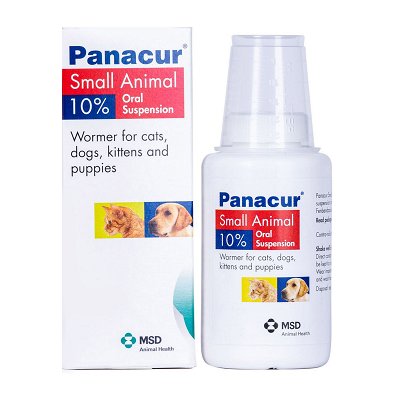
Panacur (fenbendazole) is technically labeled for dogs, but vets use it in cats routinely it’s broad-spectrum and one of the few options that also treats Giardia, which the others don’t touch.
FROM BESTVETCARE.COM
Panacur Oral Suspension: Liquid Worming Treatment for Dogs and Cats
A fenbendazole-based liquid dewormer that covers roundworms, hookworms, whipworms, and Giardia, dosed by exact body weight for dogs and cats.
Shop on BestVetCare.comHappy Pet Zone may earn a commission when you click through to BestVetCare.com, at no extra cost to you.
Revolution and Revolution Plus are topical monthly treatments built primarily around flea and heartworm prevention, but they cover roundworms and hookworms as a side benefit rather than their main job worth knowing if tapeworms are the actual concern, since neither treats those.
Milbemax pairs milbemycin oxime with praziquantel and covers tapeworms, roundworms, and hookworms in a single tablet from 6 weeks of age a solid middle ground between Drontal’s tablet format and Profender’s topical one.
None of these are interchangeable. A flea-and-heartworm product that happens to touch roundworms isn’t the same as a dedicated tapeworm dewormer, and mixing that up is the single most common reason a “dewormed” cat still has worms.
Over-the-Counter vs. Prescription Cat Dewormers
Here’s the nuance nobody puts on the label: “over-the-counter” for cat dewormers doesn’t mean what it means for, say, allergy medicine. A lot of the broad-spectrum, multi-worm products sit behind a prescription in the US, while single-ingredient options pyrantel pamoate for roundworms, mainly are genuinely available without one.
That gap matters more than it sounds. A basic OTC roundworm product won’t touch a tapeworm infection, so treating the wrong worm with the wrong medicine buys you nothing except a false sense of “handled.”
And dosing errors aren’t hypothetical liquid dewormers bought without guidance have landed cats in the emergency room after a bad reaction, according to more than one owner review online. If you’re going OTC, match the product to the worm you’ve actually confirmed, not the worm you’re guessing at.
Natural and Home Remedies: Do They Work?
Short answer: mostly no, and a couple are actively dangerous.
Apple cider vinegar and garlic show up constantly in “natural dewormer” searches, and both can genuinely harm a cat garlic in particular is toxic to cats in real doses, not just theoretical ones. It’s also on the list of foods that are actually dangerous for cats, which tells you something about using it as medicine.
Pumpkin seed is the one natural option with any research behind it, and even that evidence is thin studies show a marginal reduction in fecal egg counts at best, nowhere close to what an actual antiparasitic does. Treat it as a maybe-helpful extra, never a replacement.
Your cat isn’t broken and doesn’t need a home remedy science experiment. It needs a product that’s actually been tested against the parasite it has.
Giving Your Cat a Dewormer Without a Fight
Pilling a cat is its own skill, and not every cat is going to make it easy on you.
Crushing a tablet into a small amount of strong-smelling wet food works for a lot of cats the trick is a small portion first, so they finish it completely before getting full. If your cat sniffs out medicine in anything, a topical option sidesteps the whole standoff. And good litter box hygiene afterward isn’t just tidiness it cuts down on reinfection from eggs shed in the days right after treatment.
In a house with more than one cat, keep them apart for the first hour after dosing if you can. Cats are thorough about tasting anything unusual on a housemate, and a curious grooming session can undo a carefully measured dose in minutes.
Got a dog in the house too? The basics overlap, but doses, products, and safe schedules diverge fast between species the dog deworming guide covers the canine side properly.
Frequently Asked Questions
Found this useful? Get more of this site in your Google.
Or add us in your Google settings →Similar Posts
Signs of Liver Failure in Cats: When Disease Becomes an Emergency
Signs of liver failure in cats differ from routine liver disease. Learn the emergency signs, causes, and when it’s time to act fast.
Do Cats Understand Us When We Speak? Decoding the Feline Mind
Picture the scene: You’ve just returned from the store, excited because you bought that expensive, gourmet pâté your cat supposedly loves. You crouch down, look them in the eyes, and give a heartfelt speech: “Look what I got you! It’s the best feast ever because you’re such a good kitty.” Your cat stares blankly, blinks…
Smells to Stop Cats Spraying: 10 Safe Natural Scents That Actually Work
If you are searching for smells to stop cats spraying, you are probably staring at a stained door frame or a ruined couch cushion right now. It is frustrating, and it is also completely fixable. We have tested and researched these scent-based solutions extensively, and we know exactly which ones work and which ones carry…
Chartreux Cat: The Blue ‘Silent Monk’ Breed of France
Your cat isn’t taking a vow of silence — though for centuries, people genuinely believed that’s exactly what it was doing. A popular legend claims the Chartreux cat once lived in French monasteries and adopted the monks’ quiet, contemplative lifestyle, right down to staying silent. It’s a charming story, and it’s not true. But here’s…
7 Surprising Smells Cats Absolutely Hate (and Why)
As cat owners, we often marvel at our pets’ mysterious behaviors, but we sometimes forget that their world is experienced primarily through their noses. A cat’s sense of smell is roughly 14 times stronger than a human’s, meaning that a scent you find “refreshing” might feel like an olfactory assault to your feline companion. Understanding…
Hepatic Lipidosis in Cats: What Fatty Liver Disease Really Means
Hepatic lipidosis in cats, or fatty liver disease, is treatable when caught early. Learn the signs, causes, and what recovery actually looks like.