Kuhli Loach Care: Tank Size, Diet, Water Parameters & Tank Mates
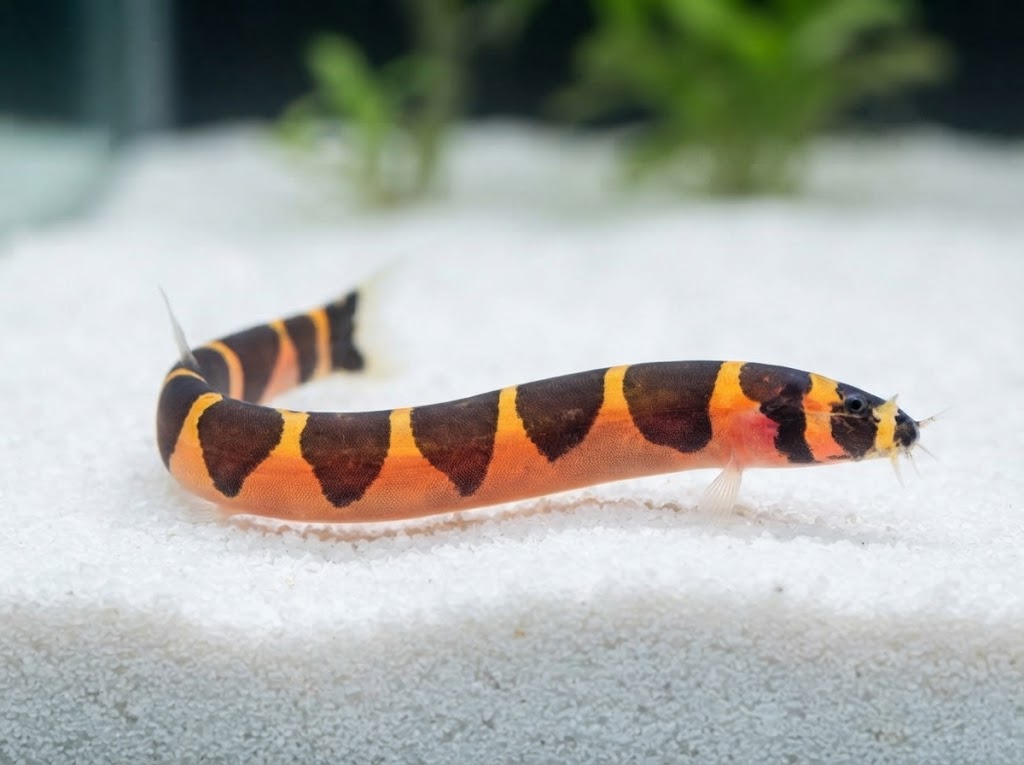
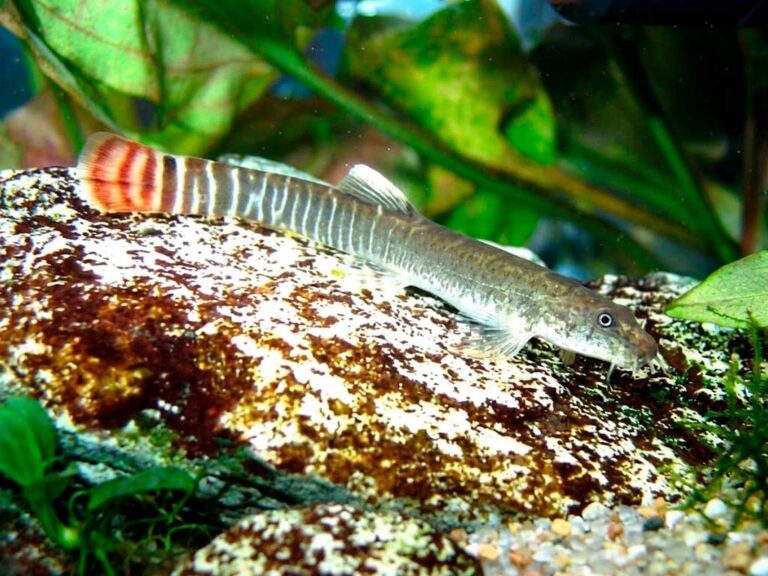
Kuhli Loaches (Pangio kuhlii) grow to around 3–4 inches (7.5–10 cm) and spend much of the day hiding beneath wood, plants, and substrate. These peaceful, eel-shaped bottom dwellers thrive in a mature aquarium with fine sand, warm water, plenty of cover, and a group of their own kind.
Successful Kuhli Loach care depends on more than providing a hiding place. You need enough floor space for a social group, food that reaches the bottom, secure openings around equipment, and stable water conditions. This guide covers tank size, water parameters, feeding, behavior, health, breeding, and four compatible tank mates.
Kuhli Loach Care at a Glance
| Care requirement | Recommended setup |
|---|---|
| Common name | Kuhli Loach |
| Scientific name | Pangio kuhlii |
| Adult size | Usually around 3–4 inches (7.5–10 cm) |
| Minimum aquarium | 20 US gallons, preferably with a long footprint |
| Group size | At least 6 individuals is a practical target |
| Temperature | 75–82°F (24–28°C) |
| pH | Approximately 5.5–7.0 |
| Water hardness | Soft water; around 1–10 dGH |
| Temperament | Peaceful and social |
| Swimming level | Bottom |
| Diet | Omnivorous; sinking foods are essential |
| Activity | Mainly nocturnal or most active in dim light |
| Substrate | Fine, smooth sand |
| Lifespan | Often several years; some live for a decade or longer with good care |
| Care level | Moderate; substrate, feeding, and tank security matter |
Quick recommendation: plan for a group of six Kuhli Loaches in a fully cycled aquarium of at least 20 gallons, with fine sand and several hiding places. A larger aquarium is useful when you want a bigger group or additional tank mates.
What Is a Kuhli Loach?
The Kuhli Loach is a slender freshwater fish associated with Southeast Asian streams and forest waterways. Its long body, dark bands, small barbels, and habit of disappearing into narrow spaces make it distinctive among community aquarium fish.
Kuhli Loaches spend much of the daylight period resting under cover or burrowing into suitable substrate. They tend to become more active in the evening, when they search the bottom for small invertebrates and other edible material.
One identification detail is worth knowing: fish sold under the common name “Kuhli Loach” may belong to closely related Pangio species rather than true Pangio kuhlii. Their appearance can be similar, and common-name labels are not always precise. For most home aquariums, the core care priorities remain the same: soft substrate, warm stable water, group housing, and safe hiding spaces.
Tank Size and Group Requirements
A 20-gallon aquarium with a long footprint is a practical starting point for a group of Kuhli Loaches. These fish spend their time near the bottom, so usable floor area is more important than extra tank height.

FROM AMAZON.COM
Tetra 20 Gallon Complete Tropical Fish Tank Kit
Everything included: 20-gallon glass tank with hinged hood, LED light, filter, filter cartridge, and décor. Ready for freshwater fish.
Buy on Amazon.comAs an Amazon Associate, Happy Pet Zone earns from qualifying purchases, at no extra cost to you.
Keep at least six together when possible. A single Kuhli Loach or a pair may spend most of its time hidden, while a larger group often behaves more confidently and explores more frequently.
Why Floor Space Matters
Kuhli Loaches forage along the substrate, squeeze beneath decorations, and gather in sheltered areas. Their aquarium should offer enough room for several fish to move around without competing for the same narrow hiding place.
A longer tank also makes it easier to create separate areas for feeding, shelter, and swimming. If you plan to keep a community of bottom-dwelling fish, consider the floor space those species will share before adding more animals.
Essential Tank Setup
| Aquarium feature | What to provide |
|---|---|
| Tank footprint | A long aquarium with adequate bottom area |
| Substrate | Fine, smooth sand |
| Hiding places | Driftwood, caves, plant roots, and smooth decorations |
| Plants | Java fern, Anubias, Cryptocoryne, and other suitable aquarium plants |
| Lighting | Moderate or subdued light with shaded areas |
| Filtration | Reliable biological filtration with gentle flow near the bottom |
| Filter intake | A suitable sponge guard or protective cover |
| Lid | A secure cover with gaps around equipment sealed |
| Water movement | Gentle to moderate circulation without a strong bottom current |
Why Fine Sand Is So Important
Kuhli Loaches use their mouths and barbels to explore the substrate and locate food. Fine, smooth sand allows them to sift through the bottom and move naturally without repeatedly scraping their delicate skin.
Coarse gravel and sharp substrate can cause abrasions or damage around the mouth and barbels. If your aquarium already uses gravel, replacing it with suitable sand is worth considering before adding this species.
Choose sand intended for aquarium use or another verified aquarium-safe option. Rinse it as directed before adding it to the tank, and avoid materials with sharp particles.
Provide More Than One Hiding Place
Kuhli Loaches often rest together beneath wood, inside caves, or among dense plants. Give them several sheltered areas so the entire group can choose where to settle.
Useful options include:
- Smooth caves and aquarium-safe ceramic shelters.
- Driftwood with broad gaps beneath it.
- Dense planting around the edges of the aquarium.
- Leaf litter prepared for aquarium use.
- Shaded spaces beneath plants or decorations.
Check that decorations cannot shift or collapse when the fish burrow. Avoid narrow openings that could trap a fish, and keep the substrate free of sharp debris.
Water Parameters for Kuhli Loaches
Kuhli Loaches generally prefer warm, soft water that is slightly acidic to near neutral. A stable aquarium is more important than constantly adjusting the pH to match one exact number.
| Water parameter | Practical target |
|---|---|
| Temperature | 75–82°F (24–28°C) |
| pH | 5.5–7.0 |
| General hardness (GH) | Approximately 1–10 dGH |
| Ammonia | 0 ppm |
| Nitrite | 0 ppm |
| Nitrate | Keep low and stable |
| Water flow | Gentle around the substrate |
| Aquarium condition | Fully cycled and biologically stable |
Temperature
Maintain a consistent temperature within the recommended range. A heater with a reliable thermostat may be necessary if the room temperature fluctuates, and a separate thermometer helps you check the actual water temperature.
Avoid sudden temperature changes during water changes. Replacement water should be reasonably close to the aquarium temperature so the fish do not experience an abrupt shift.
pH and Hardness
Soft, slightly acidic water reflects the conditions associated with the species’ natural habitat. If your source water is moderately hard or close to neutral, test it before making changes.
Do not use pH-adjusting products simply to chase a particular reading. Rapid changes can stress fish, especially when the aquarium’s buffering capacity is low. If you need to adjust water chemistry, plan the change carefully and monitor the results.
Ammonia, Nitrite, and Nitrate
Ammonia and nitrite should remain at zero in an established aquarium. Nitrate should be controlled through appropriate stocking, filtration, feeding, and regular partial water changes.
Kuhli Loaches spend time among the substrate and decorations, but they are not a substitute for aquarium maintenance. They still need clean water and a functioning biological filter.
If you detect ammonia or nitrite, investigate promptly. Check the filter, recent stocking changes, feeding levels, and any disturbance to the biological filtration.
Water Changes
Use regular partial water changes to remove dissolved waste and maintain stable conditions. The appropriate schedule depends on stocking, feeding, plant growth, and test results.
During maintenance, avoid stirring large amounts of accumulated debris into the water at once. Use a gravel vacuum carefully around the sand and decorations, leaving the fish’s preferred hiding areas undisturbed whenever possible.
Kuhli Loach Diet and Feeding
Kuhli Loaches are omnivores that search the substrate for small worms, insect larvae, tiny invertebrates, and other edible material. In an aquarium, they need their own feeding plan rather than relying on scraps left by fish swimming higher in the water.
Sinking food is especially important because these loaches often feed after the lights dim. If the other fish eat everything before it reaches the bottom, the Kuhli Loaches may gradually lose condition even when the aquarium appears well fed.
Best Foods for Kuhli Loaches
| Food | How to use it |
|---|---|
| Sinking micro pellets | A convenient staple when the size is suitable |
| Bottom-feeder tablets or wafers | Break into portions appropriate for the group |
| Frozen bloodworms | A protein-rich supplemental food |
| Frozen brine shrimp | Adds variety to the diet |
| Small live worms | Offer only from a safe, reliable source |
| Other small frozen invertebrates | Use as part of a varied feeding routine |
| Suitable vegetable-based foods | Offer occasionally if accepted as part of a balanced diet |
A varied diet helps cover different nutritional needs. Use a high-quality staple food and supplement it with appropriate frozen or live foods rather than depending on one treat.
When and How Often Should You Feed Them?
Once-daily feeding in the evening is a useful starting point for many adult Kuhli Loaches. Adjust portions to the group size, body condition, and the amount they actually consume.
To make sure they receive enough food:
- Dim the lights or wait until the main aquarium lights are off.
- Place sinking food near their usual hiding places.
- Observe the group periodically to see whether individuals are eating.
- Remove uneaten food if it remains in the aquarium and begins to affect water quality.
- Check body condition over time rather than judging feeding success from one evening.
Kuhli Loaches are scavengers, but they should not be expected to survive on leftovers alone. This is particularly important in community aquariums with active mid-water fish.
Behavior: Why Kuhli Loaches Hide
Kuhli Loaches are peaceful, bottom-dwelling fish that often rest during the day and become more active after dark. Hiding is normal, especially when they have recently been introduced or when the aquarium is brightly lit.
They may also pile together beneath wood or inside a cave. This behavior is generally consistent with their preference for sheltered resting areas and social contact.
How to Help Them Feel Secure
- Keep them in a group of at least six when the aquarium allows.
- Provide several caves and sheltered spaces.
- Use fine sand so they can burrow naturally.
- Avoid large, aggressive, or predatory tank mates.
- Keep the filter current gentle near the bottom.
- Offer food in the evening when the fish are more active.
- Maintain stable water parameters and a predictable maintenance routine.
You may still see them during the day once they settle in, particularly in a mature, well-planted aquarium. However, they are not ideal if you want a fish that remains visible in open water throughout daylight hours.
Can Kuhli Loaches Escape?
Yes. Their slender bodies allow them to pass through surprisingly small openings around equipment, airline tubing, and filter cables. A secure lid should cover the aquarium while leaving only the openings necessary for equipment, with those gaps protected.
Also cover exposed filter intakes where a fish could become trapped. Check the aquarium after maintenance, when covers or equipment may have been moved.
Four Compatible Kuhli Loach Tank Mates
Kuhli Loaches generally coexist well with peaceful fish that use the middle or upper water levels and do not compete aggressively for bottom food. Compatibility still depends on aquarium size, water conditions, feeding behavior, and the temperament of individual fish.
These four species have already been covered in Happy Pet Zone’s fish-profile work and are potential companions when their needs can all be met.
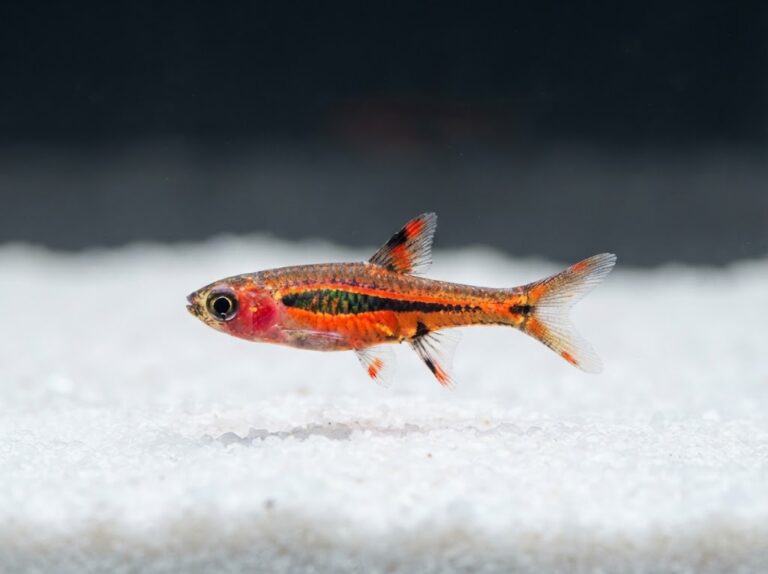
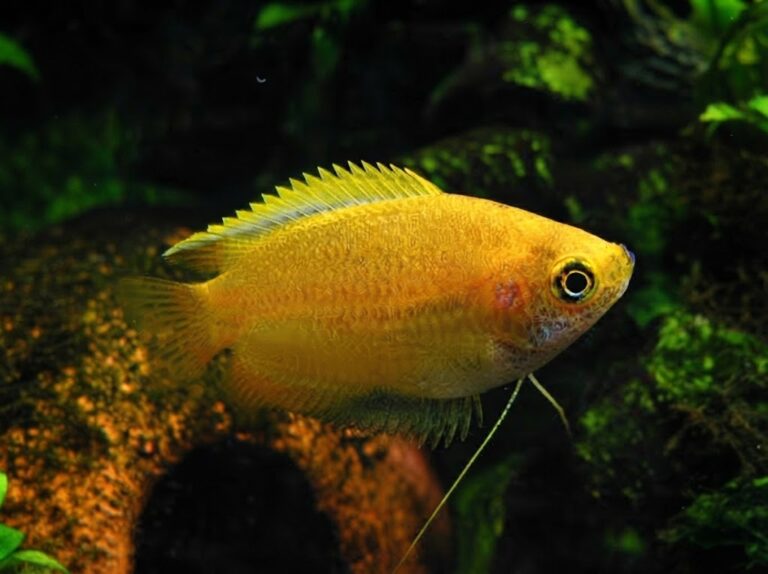
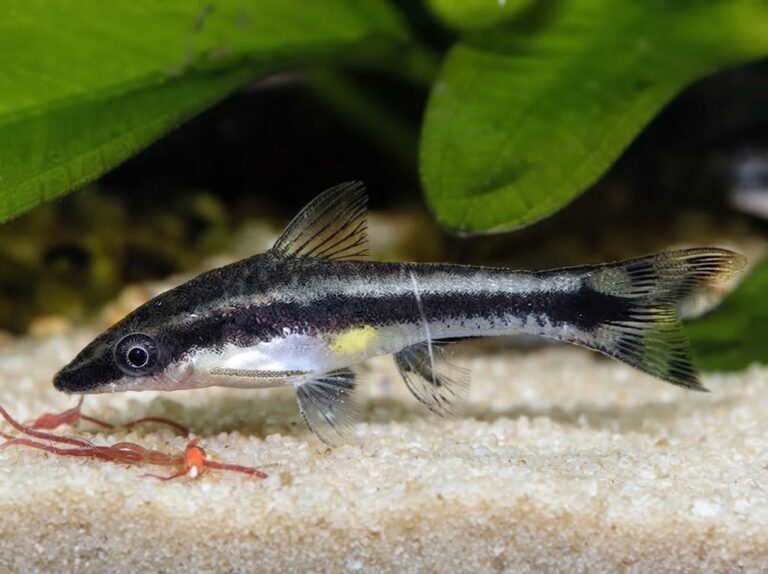
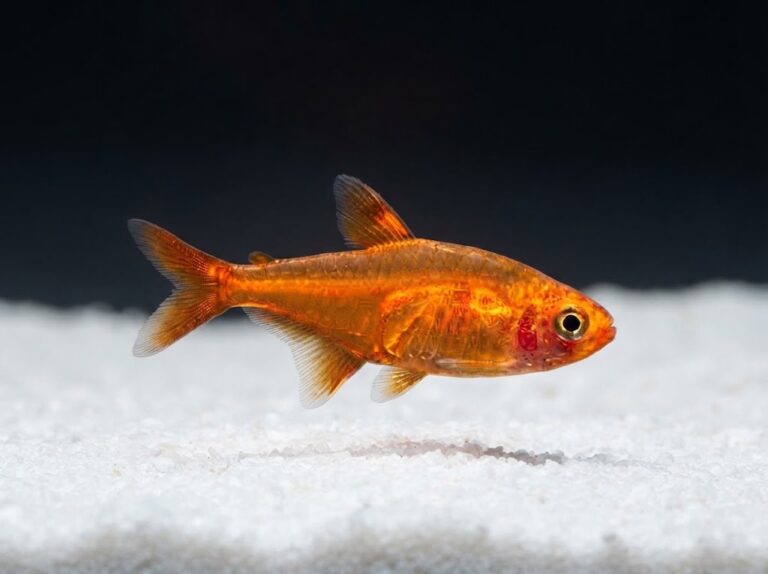
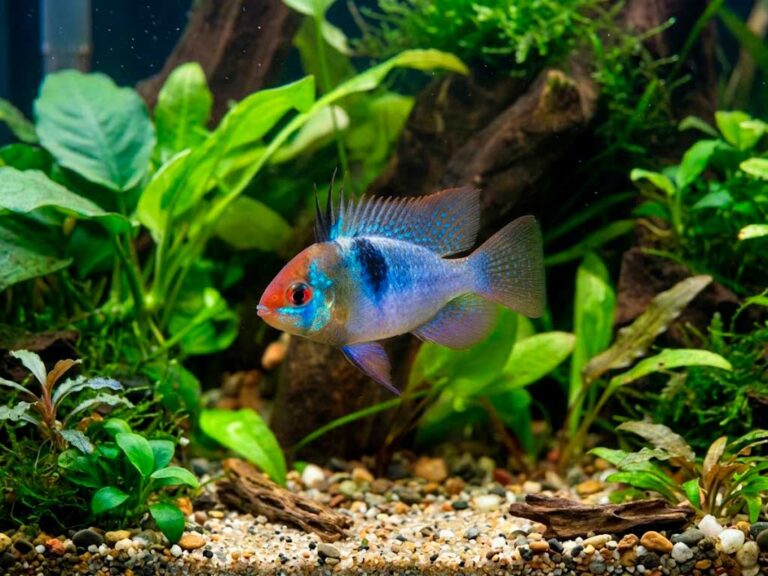
These combinations should not be treated as a stocking list for every 20-gallon aquarium. Ember Tetras, Chili Rasboras, Honey Gouramis, and Otocinclus have their own social and environmental requirements. A larger aquarium may be needed to house multiple groups responsibly.
Tank Mates to Avoid
Avoid large predatory fish, aggressive cichlids, and species that may swallow or injure a Kuhli Loach. Fish that aggressively defend the bottom or monopolize sinking food can also create problems.
Other bottom-dwelling species are not automatically incompatible, but they compete for floor space and food. Before adding another bottom feeder, make sure the aquarium has sufficient substrate area, shelters, and feeding locations.
Kuhli Loach Health and Common Problems
Kuhli Loaches can be resilient once established, but their delicate skin, burrowing habits, and tendency to feed after dark make a few husbandry details especially important.
Warning Signs
| Sign | What to check |
|---|---|
| Persistent hiding, including after dark | Group size, cover, tank mates, and water quality |
| Weight loss or a sunken abdomen | Whether food reaches the bottom and whether the fish is eating |
| Damaged barbels or skin abrasions | Substrate texture, decorations, and accumulated debris |
| Rapid breathing or unusual surface behavior | Temperature, oxygenation, and water quality |
| Loss of appetite or unusual swimming | Water parameters, stress, and possible illness |
| Visible spots, sores, or other lesions | Quarantine needs and whether qualified aquatic-health advice is appropriate |
These signs can have several causes and should not be used to diagnose a specific disease on their own. Test the water first, observe the fish closely, and seek qualified aquatic-veterinary advice if illness is suspected.
Preventive Care
- Maintain a fully cycled aquarium and test water when problems arise.
- Use fine, smooth substrate and inspect decorations for sharp edges.
- Feed sinking foods after lights out when necessary.
- Protect filter intakes and seal gaps in the lid.
- Quarantine new fish when practical before introducing them to an established community.
- Be cautious with medications because scaleless or lightly scaled fish can be sensitive to some treatments. Follow product guidance and obtain appropriate advice rather than automatically applying a reduced dose.
Breeding Kuhli Loaches
Breeding Kuhli Loaches in a home aquarium can be difficult. They are egg scatterers and do not provide parental care, so eggs and fry may be eaten by adults or other tank inhabitants.
A mature group, stable water, dense plant cover, and a varied diet may help create suitable conditions. Very soft water and fine-leaved plants or floating vegetation may be useful in a dedicated breeding setup, but spawning is not guaranteed.
If eggs are produced, the fry will require extremely small foods at first. Infusoria and other appropriately tiny foods may be needed before the young fish can accept larger options. Separating eggs or fry from adult fish can improve survival, provided the separate setup maintains suitable water quality.
For most community keepers, the priority should be establishing a healthy adult group rather than expecting regular breeding.