Canary Bird Care Guide: Everything to Know
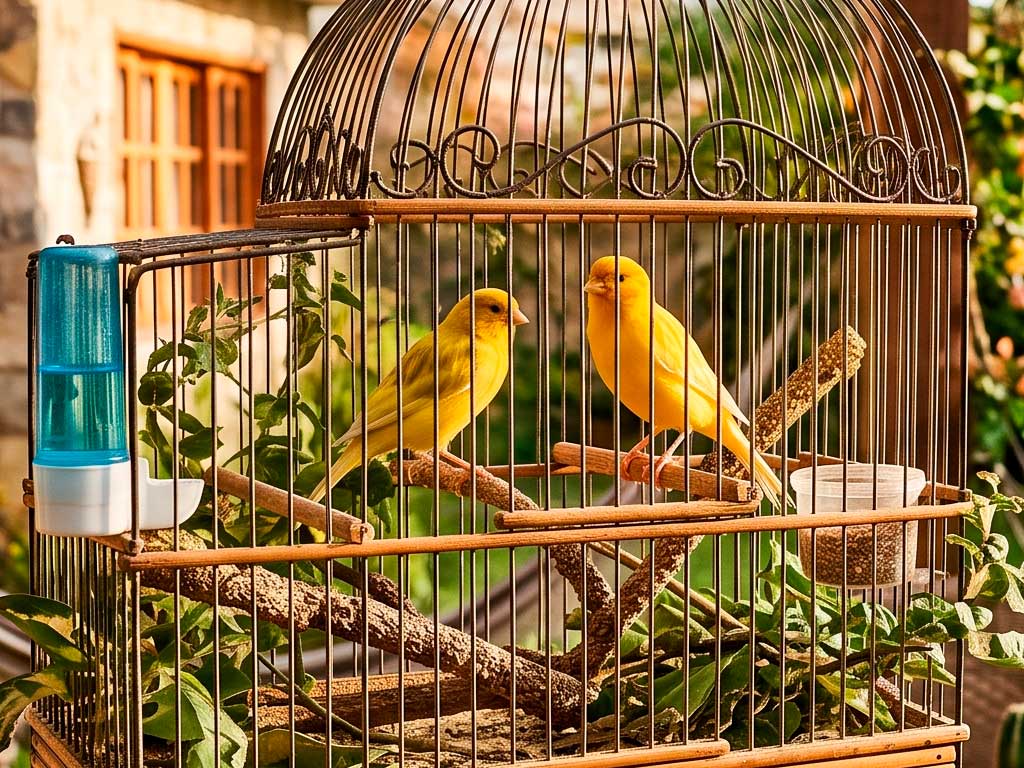
A canary bird earns its reputation the moment it opens its beak. There’s a reason this small, unassuming finch has been a favorite pet for over five centuries: nothing else in the bird world sings quite like it. Did you know male canaries can hold a continuous, unbroken song for several seconds, using breathing tricks too fast for the human ear to notice?
This guide covers everything from the different canary types and their singing styles to cage setup, diet, and the health signs worth watching for, so your bird thrives for a decade or more.
Quick Facts: Canary Bird
- Lifespan: 7–10+ years, some individuals live longer with excellent care
- Adult size: 3–5 inches (7–13 cm), roughly 12–25 grams
- Care level: Beginner-friendly
- Diet: Quality canary seed mix, a pelleted supplement, and daily fresh greens
- Minimum cage size (single bird): Around 24″ L x 14″ W x 18″ H, wider is better than taller
- Temperament: Calm, independent, and not typically interested in handling
Canary Bird Types and Color Varieties
There are over 200 recognized canary breeds, grouped into three broad categories. Song canaries, like American Singers and German Rollers, are bred specifically for the quality and style of their song. Color canaries, including the classic yellow and the vivid red-factor varieties, are bred for feather color. Type canaries, such as the Gloster with its distinctive tufted crest, are bred for body shape and silhouette.
Only male canaries sing in the full sense of the word. Females produce soft chirps but don’t perform the sustained, melodic song males use to attract mates and claim territory, so if a singing canary bird is the whole point for you, ask specifically for a male. Red-factor canaries need a beta-carotene-rich diet during molting to maintain their signature orange-red color, since the pigment comes entirely from food, not genetics alone.
Where Canaries Come From
The domestic canary descends from the wild Atlantic canary, native to the Canary Islands, the Azores, and Madeira off the coast of northwestern Africa. Spanish breeders began selectively developing canaries for song and color starting in the 15th century, which makes this one of the oldest continuously kept pet birds in history.
Here’s a fact most owners never learn: the islands weren’t named after the birds. The Latin name Canariae Insulae actually means “Island of Dogs,” referring to large dogs Roman explorers reportedly found there. The birds were simply named after the islands where they were discovered, not the other way around. And in a genuinely useful historical footnote, canaries were used in coal mines from the 1890s through the 1980s to detect carbon monoxide, since their heightened sensitivity to the gas gave miners an early warning system decades before electronic detectors existed.
Setting Up the Right Enclosure
A canary bird flies horizontally rather than climbing, so cage width matters more than height. A single canary needs a minimum of 24″ L x 14″ W x 18″ H, and a longer, wider cage always beats a taller one. Bar spacing should stay under 1/2 inch to prevent escape or injury, and round cages are a poor fit since they don’t give enough room for genuine flight.
The Prevue Pet Products Steel Bird Flight Cage gives a canary real horizontal flying room and works well for owners who eventually want to add a second bird. For a rolling-stand option that’s easy to reposition around the house, the ZENY 53-Inch Parakeet Bird Cage is a solid budget-friendly alternative.
Skip wood or galvanized wire enclosures, since both can expose your bird to toxic materials. Keep the cage in a quiet, draft-free spot with natural light but no direct sun, and never near the kitchen, since cooking fumes are dangerous to birds.
Canary Diet and Nutrition
A canary bird’s diet starts with a quality canary seed mix as the foundation, refreshed daily rather than topped off over old husks, since canaries eat the seed inside and leave the empty husk behind. A canary or finch pellet supplement fills in the nutritional gaps that seed alone can’t cover.
Round things out with fresh greens daily, including spinach, endive, dandelion greens, and grated carrot, along with the occasional small piece of apple or boiled egg for extra protein during molting. Never offer avocado, chocolate, caffeine, or onion, all of which are toxic to birds. Separate dry food, fresh food, and water into their own dishes. Stainless steel feeding cups with a clamp holder make it easy to keep everything clean and securely attached to the cage bars. A cuttlebone should stay available at all times for calcium.
Daily Care and Song Behavior
A well-kept canary bird sings consistently through most of the year, going quiet mainly during the summer molt. If a male stops singing outside of that window, it’s usually the earliest sign something is off, whether that’s stress, poor lighting, or illness.
Canaries need less out-of-cage time than parrots but still benefit from a few supervised flights around a bird-proofed room each week. Close windows and doors, cover mirrors, and turn off ceiling fans before letting your bird out. Playing a recording of canary song near the cage can encourage a quiet male to sing more, since it reads as a social exchange rather than isolation.
Handling and Temperament
Here’s the honest expectation to set early: canaries are not a hands-on pet in the way budgies or cockatiels are. Most don’t enjoy being held and are happiest observed rather than handled. Over time, a canary bird will still learn to recognize your voice and presence, and some will even sing when you approach the cage.
If you already keep a lovebird, you’ll notice canaries are a completely different kind of companion, more about ambiance and song than physical interaction. That’s not a downside, it just means the relationship looks different than it does with a parrot-family bird.
Grooming Basics
Canaries fly for exercise and shouldn’t have their flight feathers clipped, unlike some larger parrot species. Most will bathe on their own if a water dish large enough to splash in is available, and a gentle misting a few times a week works well for birds that don’t bathe independently.
Nail trims are occasional rather than routine, and beak length usually stays in check through normal use. Leave both to an avian-experienced vet or trained groomer to avoid injury.
Cleaning and Maintenance
Spot-clean the cage daily, removing droppings and leftover food before it builds up. Wash food and water dishes every day, and replace cage liner at least weekly. Nature’s Miracle Small Animal Cage & Surface Cleaner handles the bio-enzymatic side of cage cleaning well, cutting through stains and odor without harsh chemicals that could bother a bird’s sensitive respiratory system. Give perches and toys a full wash whenever they look soiled and let everything dry completely before it goes back in the cage.
Canary Health and Common Problems
This section is general guidance rather than veterinary advice, so treat any of the signs below as a reason to call an avian-experienced vet rather than wait and see. A healthy canary bird has bright eyes, smooth feathers, a clean vent, and a strong appetite.
A few conditions come up often enough to know in advance. Respiratory infections are usually tied to drafts or damp, poorly ventilated spaces. Mites and lice cause restlessness and feather damage, and regular cage cleaning helps keep them at bay. Poor or prolonged molting often traces back to a nutritional gap, particularly not enough protein during that period. Egg binding is a real risk in breeding females and needs prompt veterinary attention. Annual wellness checkups catch most of these issues early, well before they’re visible at home.
Frequently Asked Questions
Do all canaries sing?
No. Only male canaries sing in the full sense. Females produce soft chirps but not the sustained, melodic song males use, so ask specifically for a male if singing is your priority.
Are canaries good pets for beginners?
Yes. Canaries are widely considered one of the easiest pet birds to keep, thanks to their simple care needs, low noise for most households, and independent nature that doesn’t require daily handling.
Do canaries need to be in pairs?
No. Canaries are solitary by nature and generally do best kept alone, unlike flock species such as finches. A well-furnished cage and regular interaction from you meets their social needs.
Why did my canary bird stop singing?
The most common causes are the annual summer molt, insufficient light, stress, or illness. If molting isn’t the explanation, review the bird’s environment and consult a vet if the silence continues.
Can you hold a pet canary?
Most canaries don’t enjoy being held and prefer their own space. They can be trained to perch on a finger with patience, but heavy handling isn’t part of typical canary care.
How big of a cage does a canary need?
A single canary needs a minimum of 24″ L x 14″ W x 18″ H, with width mattering more than height since canaries fly horizontally. Bigger is always better if you have the space.
What do canaries eat besides seed?
A balanced diet centers on a quality canary seed mix and pellet supplement, rounded out with fresh greens daily and occasional protein like boiled egg during molting season.
Are canaries loud?
Not in a disruptive way. Male canaries sing a pleasant, melodic song rather than the loud screeching some parrots produce, making them a solid choice for apartments and quiet households.
Do canaries recognize their owners?
Yes. Over time, canaries learn to recognize your voice and presence, and some will sing more when you approach, even though they remain independent birds that don’t crave physical affection.
Do canaries need a vet?
Yes. An annual wellness visit with an avian-experienced vet catches most issues early, and any of the warning signs covered above are worth a sooner appointment.
A canary bird is proof that a pet doesn’t need to climb on your shoulder to earn its place in the house. Get the cage size, diet, and quiet, well-lit environment right, and you’ll have a genuinely low-maintenance companion with one of the most rewarding songs in the pet bird world.
For a broader look at beginner-friendly species, our best pet birds for beginners guide covers how canaries compare to budgies, cockatiels, and lovebirds, and our complete guide to bird feeding goes deeper on nutrition basics across species.
Happy Pet Zone may earn a commission from qualifying purchases made through the Amazon links in this article, at no extra cost to you.