Czechoslovakian Wolfdog: The Complete Breed Guide
The Czechoslovakian Wolfdog looks like a wolf, behaves like a loyal dog, and asks more of its owner than most breeds do. If you’re considering one, you need to know where it came from, what the law says where you live, and what daily life with it really looks like.
This guide covers all three, using the official FCI breed standard as the foundation. Let’s start with the story behind it.
History and Origin of the Czechoslovakian Wolfdog
The story begins in 1955, when researchers in what was then Czechoslovakia ran a biological experiment. They crossed German Shepherds with Carpathian wolves, in both directions: male dog with female wolf, and male wolf with female dog. The offspring could be raised and bred, and most of them were fertile enough to continue the line. That result gave the program its footing.
The goal was practical. Breeders wanted to combine the useful qualities of the wolf, such as endurance and keen senses, with the trainability and companionship of the dog. A formal breeding plan followed in 1965. In 1982, the breed was recognized as a national breed in the former Czechoslovakia.
The official FCI standard, No. 332, was published in 1999. It classifies the breed in Group 1 (Sheepdogs and Cattle Dogs), Section 1, as a working dog. The standard’s own name for the breed is Ceskoslovensky Vlciak, which is why you’ll see it spelled many different ways online, including Czechoslovakian Vlciak and Czechoslovakian Wolfhound. They all refer to the same dog.
Some sources describe the breed as a military project. The FCI standard describes it as a biological experiment, so this guide follows the standard. Either way, the breed was built with a clear purpose in mind: a dog with the stamina and senses of a wolf and the working ability of a dog.
If you already know the Belgian Malinois, you’ll recognize the work-first mindset. Our Belgian Malinois guide covers another working breed, and it shows how much structure these dogs need every single day.
Physical Characteristics
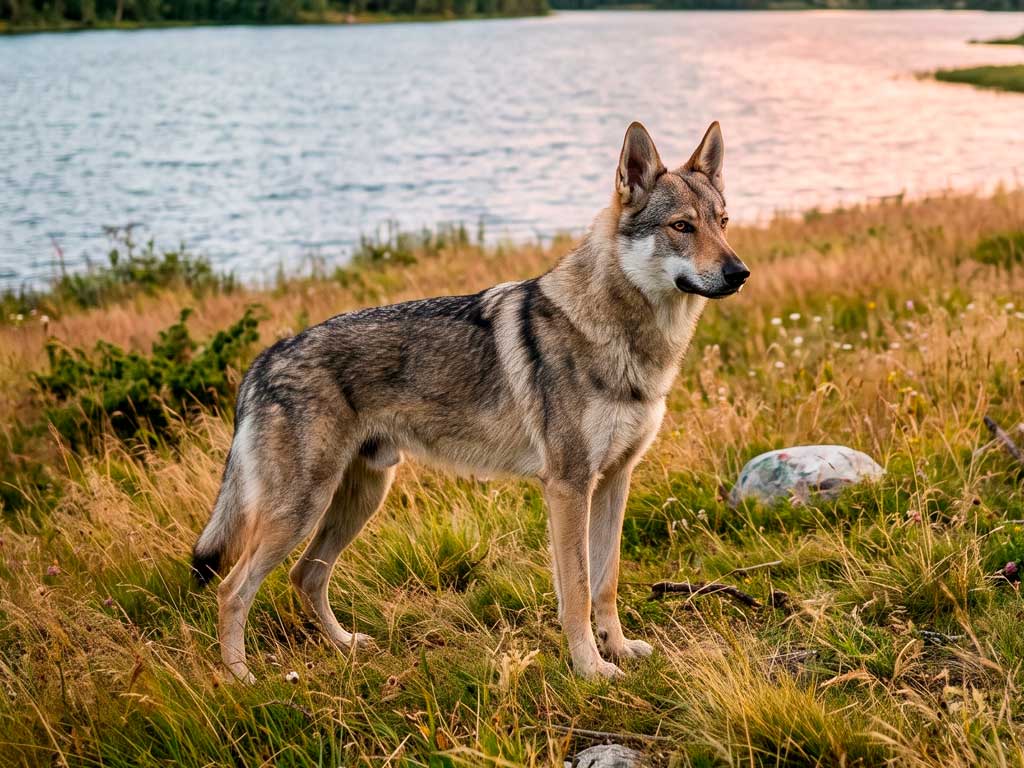
The FCI standard describes a firm, above-average-sized dog with a rectangular frame. Its body shape, movement, coat texture, coat color, and mask are all meant to resemble the wolf. Many people meet a Czechoslovakian Wolfdog for the first time and assume it’s a wolf-dog cross, which is a reasonable first impression.
Size and Weight
The standard sets minimum sizes rather than a range. Males should stand at least 65 cm (about 25.5 inches) at the withers and weigh at least 26 kg (about 57 pounds). Females should stand at least 60 cm (about 23.5 inches) and weigh at least 20 kg (about 44 pounds). Many adults are larger than these minimums, so think of them as the starting point.
Head, Eyes, and Ears
The head forms a blunt wedge when viewed from the side and from above. The muzzle is clean, not broad, with a straight bridge. The eyes are small, slanted, and amber. The ears are pricked, thin, triangular, and short, with a length no greater than one-sixth of the height at the withers. The standard counts dark brown or black eyes as a fault, so amber is the expected color.
Body and Movement
The body is lean and well muscled. The topline flows smoothly from neck to back, and the chest is deep and roomy without reaching the elbows. The tail is set high, hangs straight down at rest, and rises in a sickle shape when the dog gets excited. The movement is meant to be light and ground-covering, with the limbs skimming the ground.
The Coat
The coat is one of the most striking features of this breed. The outer coat is straight and close. In winter, a thick undercoat grows in and covers the belly, the inner thighs, the inner ears, and the area between the toes. The standard allows yellowish-gray to silver-gray coloring with a characteristic light mask. Dark gray with the light mask is also acceptable.
Faults and Disqualifications
The standard lists many faults, including a flat forehead, coarse ears, a long croup, and weak pasterns. Some faults are serious enough to disqualify a dog from breeding. Disqualifications include aggression, excessive shyness, dewlap, a strong slope in the croup, and any clear physical or behavioral abnormality. For buyers, the takeaway is simple: a healthy adult should look like the standard, act with confidence, and never be aggressive or fearful.
| Quick Facts | Details |
|---|---|
| Size | Large |
| Height (FCI minimum) | Males 65 cm, females 60 cm |
| Weight (FCI minimum) | Males 26 kg, females 20 kg |
| Coat | Dense double coat, silver-gray or yellowish-gray |
| Life expectancy | Estimates vary by source, commonly 12 to 15 years |
| Exercise needs | High, with daily physical and mental activity |
Temperament and Personality
The FCI standard describes a dog that is lively, very active, and capable of long stretches of endurance. It is fearless and courageous, and it shows tremendous loyalty to its master. It is also described as suspicious, which is a trait new owners need to plan for rather than ignore.
Here’s the thing: the standard treats aggression and excessive shyness as disqualifying faults. A well-bred Czechoslovakian Wolfdog should be neither. It should be watchful and self-assured, and it should settle once it has checked out a new person.
At home, expect a dog that wants to be close to its people. This breed bonds tightly with its family and does best when it feels like part of the pack. Long stretches alone don’t suit it, and a lonely dog often turns to destructive habits. If you already notice that pattern in an adult dog, our guide on curing hyper-attachment and separation anxiety in dogs explains the steps that help.
Wolf ancestry also shapes how these dogs communicate. According to the European Wilderness Society, many individuals find barking unnatural and communicate more through body language and quiet sounds like whines. Many owners do hear howling, though, so plan for vocal neighbors if you live close to others. Our article on naturally vocal dog breeds offers practical ways to manage noise.
With children, this breed tends toward patience and gentleness. Its size and energy still call for supervision, especially around toddlers. Early socialization helps the dog stay calm around other dogs, visitors, and unfamiliar sounds, and it reduces the chance of fear-based reactions later on.
Is It Legal to Own a Czechoslovakian Wolfdog?
Before you think about puppies, check the law where you live. The rules vary widely, and a dog you can’t legally keep is a dog you shouldn’t buy.
In the United States, there is no federal ban on this breed. Ownership is regulated at the state, county, and city level instead. Some states prohibit wolf-hybrid ownership, others require permits, and some allow ownership under strict containment and vaccination rules. Some local governments go further and ban it entirely. Because the rules can change, check your state and county before you commit.
In the United Kingdom, wolf-dog hybrids with a wolf as a parent or grandparent need a licence from the local authority to be kept at home, under the Dangerous Wild Animals Act 1976. Breeds further removed from wolf ancestry are treated differently, so ask your local council before buying. Don’t assume that the dog’s looks decide its legal status.
In Canada, rules vary by province and often by municipality. Some cities ban wolf hybrids outright, while others allow ownership with permits.
Across Europe, many countries restrict or prohibit wolf-hybrid ownership, and the rules differ from one country to the next. Check your national regulations with the relevant government agency before you buy.
Where you live is only part of the picture. A dog’s legal classification may depend on its documentation, and in some places a DNA test can change how an animal is classified. Keep the breeder’s registration papers and health records together, and get a written copy of the lineage. These documents protect both you and the dog.
Shop for Your Breed

Just Food For Dogs – Fresh Frozen
Fresh meals. Gently cooked, then frozen to lock in nutrients. 100% Human Grade Ingredients. Gently Cooked in the USA. #1 Vet-Recommended Fresh Food.
Shop on JustFoodForDogs
Raw Paws Pet Food – Frozen Raw Pet Food
Feeding your pet a frozen raw pet food diet is a simple way to deliver real, whole-food nutrition in its most natural form.
Shop on RawPawsPetFood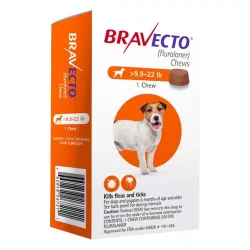
Bravecto Chews for Dogs
Bravecto is a long-lasting flea and tick protection option for your dog. 1 dose of Bravecto chew provides up to 12 weeks of powerful protection, which is nearly 3 times longer than a monthly treatment.
Shop on BestVetCare.com
Deworming Treatments for Dogs
BestVetCare offers you a wide range of worm treatments which come in a variety of forms such as oral paste, tablets, granules, and liquid solutions.
Shop on BestVetCare.comHappyPetZone participates in various affiliate programs with brands and retailers. We may receive a commission on purchases made through our links, at no extra cost to you.
Care Guide
Diet and Nutrition
Feed your Czechoslovakian Wolfdog a complete diet formulated for large, active breeds. This dog burns a lot of energy, so food quality matters. Choose a food with a clear protein source and balanced nutrients, and ask your veterinarian to help you choose the right portion for your dog’s age, weight, and activity.
Portion control is important. Free-feeding, where food stays out all day, can encourage extra weight, and extra weight puts more stress on the joints. Many owners find measured meals twice a day easier to manage. Adjust portions as the dog grows and as its activity changes.
Fresh water should always be available. Refill the bowl after long hikes, training sessions, and hot days.
Exercise Requirements
This breed needs serious daily exercise, both physical and mental. Long walks, extended runs, hiking, and dog sports all help burn off its energy. Many owners find that a structured routine works better than random play.
A simple weekday plan might look like this:
- A morning walk or run of 30 to 45 minutes to start the day with energy spent.
- A training or scent game in the afternoon to challenge the dog’s mind.
- A longer outing on weekends, such as hiking on trails where the dog can explore safely.
If your dog is still restless after a full routine, our guide on how to tire out a hyperactive dog has more ideas for channeling that energy.
Prey drive is a real concern with this breed. Reliable recall matters a great deal in rural areas, and the breed’s endurance means it can cover a lot of ground quickly. Keep your dog leashed near livestock, sheep, poultry, or other farm animals until you’re confident in its recall, and even then, supervise closely.
Grooming Needs
Brush the coat weekly to control loose hair and keep the undercoat clean. Expect heavier shedding during seasonal coat changes, when brushing two or three times a week makes a noticeable difference. The thick winter undercoat can trap debris, so a thorough brush after outdoor walks helps.
Bathe only when needed. The coat sheds dirt on its own, and overwashing can strip the natural oils that protect the skin and coat. Routine nail trims, ear checks, and dental care complete the grooming routine. Check the ears regularly, since the inner ear is covered with fine hair that can hold moisture and debris.
Training and Socialization
Consistency matters more than intensity with this breed. Harsh corrections tend to build distrust rather than obedience, so use positive reinforcement in every session. Keep training sessions short and rewarding, and end on a success. Repetitive drills bore this dog quickly, so vary the exercises.
Start socialization early. Introduce the puppy to different people, sounds, surfaces, vehicles, and calm dogs during its first months. The breed’s wariness toward strangers is much easier to manage when the dog learns early that the world is safe. Socialization is the single biggest factor in turning a watchful adult into a stable companion.
The breed is intelligent, and that intelligence needs an outlet. Like the Border Collie, this is a thinking dog. Scent work, puzzle toys, and problem-solving games keep its mind busy. An understimulated Czechoslovakian Wolfdog can become very difficult to manage, and that’s usually the reason a home gets into trouble.
Health and Longevity
Life expectancy estimates vary by source, but most fall between 12 and 15 years. That’s longer than many large breeds. Owners should plan for the long haul, because a dog that lives this long needs consistent care for well over a decade.
The most commonly reported health concerns are hip and elbow dysplasia, which are malformations of the joints that also affect many large breeds. Eye problems and degenerative myelopathy, a condition affecting the hind legs, have also been reported in some dogs. Bloat is another risk for deep-chested large breeds, so learn the signs of a swollen abdomen, restlessness, and unproductive retching, and get emergency care right away.
Joint care matters over the years. Watch for stiffness, reluctance to climb stairs, or changes in how the dog gets up after rest. Regular veterinary checkups catch developing problems early. Ask your vet about screening and about a plan for diet and exercise as the dog ages.
Veterinary costs can add up quickly with a large, active dog. If you’re weighing options for coverage, our pet insurance guide explains what to compare before you choose a policy.
This information is educational and doesn’t replace professional veterinary care. Always consult a licensed veterinarian about diagnosis, treatment, or any specific health concern for your dog.

Lemonade Pet Insurance
Explore customizable pet insurance coverage and learn whether Lemonade is the right fit for your dog or cat.
- Customizable coverage options
- Online policy management
How to Choose a Responsible Breeder
The FCI standard states that only functionally and clinically healthy dogs with breed-typical conformation should be used for breeding. That single line should guide your search. A responsible breeder protects the dog’s health and can prove it.
Ask the breeder for the following before you put down a deposit:
- Registration papers from a recognized kennel club, and proof that the parents are registered too.
- Hip and elbow screening results for both parents. Ask for the actual scores, not just a verbal assurance.
- Eye examination results for both parents.
- A chance to meet the mother, and ideally the father, so you can see their temperament firsthand.
- A written health guarantee and a clear statement about what happens if the puppy develops a serious problem.
- Questions about socialization. A good breeder will describe how the puppies were raised and handled during their first weeks.
Be cautious of anyone who offers puppies without these answers, who can’t show papers, or who wants a fast sale. Those are common warning signs for puppy mills and unethical breeders, and they can leave you with a dog that has serious problems.
Keep in mind that a dog’s legal status and documentation are linked. Ask the breeder for paperwork that will help you comply with local laws, not only paperwork that proves the dog’s breed.
Is the Czechoslovakian Wolfdog Right for You?
This breed suits owners with real experience handling strong-willed, high-energy dogs. It rewards commitment, but it doesn’t suit casual or first-time owners. If your past dogs have been easygoing companions, this one will feel like a major step up.
Space matters a great deal. A fenced yard or regular access to open land makes daily life much easier. Apartment living rarely meets this breed’s needs for exploration and movement, and it’s rarely the right choice for a home without a secure outdoor area.
Families with older children and an active lifestyle often do well with this dog, as long as everyone commits to socialization and exercise. Households with toddlers should think carefully and plan close supervision at all times.
People who work long hours away from home should weigh this decision carefully. Long periods of isolation don’t suit a pack-oriented dog. If your schedule leaves the dog alone for most of the day, another breed will likely be a better match.
Finally, consider the legal side. If the law where you live restricts this breed, the answer is no, no matter how much you love the look of it.
Frequently Asked Questions
Start with early socialization and daily exercise. Those two habits shape how well a Czechoslovakian Wolfdog adjusts to family life. Choose your breeder with the same care, and this breed’s loyalty and intelligence can make it a truly unique companion.