Bearded Collies: Everything You Need to Know About This Spirited Scottish Breed
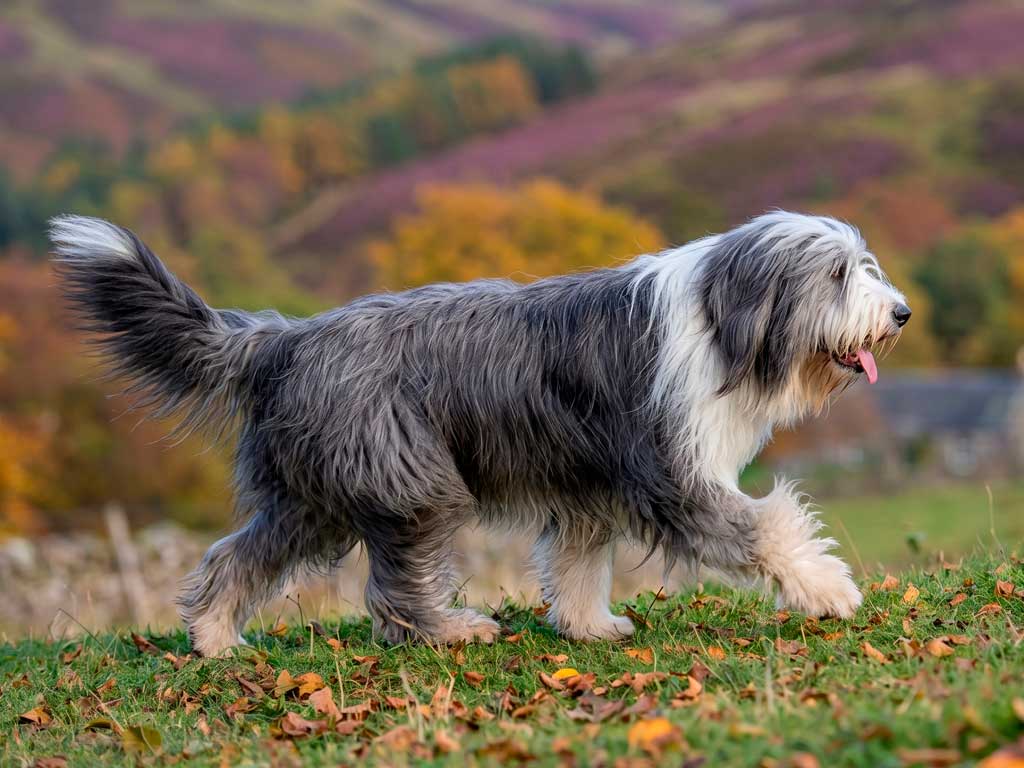
The Bearded Collie is an energetic Scottish herding dog known for its long, flowing coat, playful personality, and remarkable stamina.
Originally bred to work with sheep and cattle, this medium-sized breed thrives in active homes where daily exercise, mental stimulation, and regular grooming are part of the routine.
If you’re considering bringing a Bearded Collie into your family, understanding its temperament, physical characteristics, grooming requirements, and potential health concerns will help you make an informed decision.
Bearded Collie at a Glance
| Characteristic | Details |
|---|---|
| Breed origin | Scotland |
| Original purpose | Herding sheep and cattle |
| Size | Medium |
| Male height | 21–22 inches (53–56 cm) |
| Female height | 20–21 inches (51–53 cm) |
| Weight | 40–62 lbs (18–28 kg) |
| Coat | Long, shaggy double coat |
| Coat colors | Black, blue, brown, reddish-tan, gray, and sandy |
| Temperament | Intelligent, playful, sociable, and energetic |
| Daily exercise | Approximately 1–2 hours |
| Grooming | Daily brushing |
| Typical lifespan | 14–15 years |
| Best suited for | Active households |
Quick answer: Bearded Collies are intelligent, affectionate working dogs that need substantial daily exercise and consistent coat maintenance. They are generally better suited to active owners than sedentary households.
History and Origin of the Bearded Collie
The Bearded Collie’s origins trace back to the Scottish Highlands, where farmers developed working dogs capable of managing sheep and cattle across challenging terrain.
The breed’s name comes from the long hair covering its muzzle, which creates its characteristic bearded appearance.
How the breed developed
Historical accounts suggest that Scottish herders combined local working dogs with other European herding breeds. Possible influences include:
- Old English Sheepdog.
- Polish Lowland Sheepdog.
- Komondor.
Two distinct working types may have existed historically:
- Highland shepherd type: A lighter-boned dog primarily associated with sheep herding.
- Lowland cattle type: A heavier-built dog, often described as having a predominantly black coat.
The modern Bearded Collie developed from these historical working types.
How the Bearded Collie survived near extinction
The breed faced a serious decline during the early 20th century. Its revival began in the 1940s through the efforts of Mrs. Willison.
Her dog, Jeannie of Bothkennar, became an important foundation for the modern breed.
Physical Characteristics: Size, Coat and Appearance
The Bearded Collie has a medium-sized, athletic frame covered by a distinctive long double coat. Its appearance reflects its working heritage, with a body built for endurance and movement.
Bearded Collie size and weight
| Measurement | Male | Female |
|---|---|---|
| Height | 21–22 inches | 20–21 inches |
| Height in centimeters | 53–56 cm | 51–53 cm |
| Weight range | 40–62 lbs | 40–62 lbs |
These measurements describe the ranges provided in this breed guide.
Coat colors and distinctive features
The Bearded Collie has a long, flowing double coat that naturally parts along the middle of its back.
Common coat colors include:
- Black.
- Blue.
- Brown.
- Reddish-tan.
- Different shades of gray.
- Sandy.
White markings may also appear.
Other recognizable physical features include:
- Long facial hair forming the characteristic beard.
- Expressive eyes.
- A lean, athletic body.
- Long, proportionate legs.
- A thick coat with a woolly underlayer.
Its flowing coat gives the breed a distinctive appearance, although maintaining it requires considerable attention.
Bearded Collie Temperament and Personality
The Bearded Collie is an intelligent, sociable, and energetic dog that enjoys being involved in family activities.
Its herding background influences its behavior, particularly its alertness, stamina, and desire for regular mental challenges.
Are Bearded Collies friendly?
Generally, yes. Bearded Collies are affectionate with their families and often enjoy interacting with other dogs and household pets.
Their typical personality traits include:
- Affectionate: They enjoy spending time with their human companions.
- Intelligent: They learn commands and respond well to structured activities.
- Playful: Their energetic nature makes them enthusiastic playmates.
- Sociable: They generally enjoy interacting with other dogs and people.
- Alert: They may bark when strangers approach or something catches their attention.
- Independent: Their working background can sometimes make training challenging.
Do Bearded Collies bark a lot?
Bearded Collies are naturally vocal dogs. They may bark when excited, alerting their owners to unfamiliar activity or communicating their reactions to their surroundings.
This behavior deserves attention if you live in an apartment or a neighborhood with strict noise restrictions.
Consistent training can help manage excessive barking, although owners should expect some vocal behavior.
Shop for Your Breed

Just Food For Dogs – Fresh Frozen
Fresh meals. Gently cooked, then frozen to lock in nutrients. 100% Human Grade Ingredients. Gently Cooked in the USA. #1 Vet-Recommended Fresh Food.
Shop on JustFoodForDogs
Raw Paws Pet Food – Frozen Raw Pet Food
Feeding your pet a frozen raw pet food diet is a simple way to deliver real, whole-food nutrition in its most natural form.
Shop on RawPawsPetFood
Bravecto Chews for Dogs
Bravecto is a long-lasting flea and tick protection option for your dog. 1 dose of Bravecto chew provides up to 12 weeks of powerful protection, which is nearly 3 times longer than a monthly treatment.
Shop on BestVetCare.com
Deworming Treatments for Dogs
BestVetCare offers you a wide range of worm treatments which come in a variety of forms such as oral paste, tablets, granules, and liquid solutions.
Shop on BestVetCare.comHappyPetZone participates in various affiliate programs with brands and retailers. We may receive a commission on purchases made through our links, at no extra cost to you.
Bearded Collie Care Guide
Caring for a Bearded Collie requires a consistent routine. Exercise, nutrition, grooming, and mental stimulation all contribute to maintaining its overall well-being.
1. Diet and Nutrition
A balanced diet provides the nutrients an active Bearded Collie needs to maintain a healthy body condition.
Its food should supply appropriate amounts of:
- Protein.
- Fat.
- Carbohydrates.
- Vitamins.
- Minerals.
Practical feeding recommendations:
- Offer two meals daily, adjusting portions to the dog’s age, weight, and activity level.
- Follow the feeding guidance on the food packaging as a starting point.
- Provide fresh, clean drinking water throughout the day.
- Monitor body condition regularly.
- Discuss age-related nutritional changes with your veterinarian.
Maintaining a healthy weight is particularly important because excess body weight can place additional strain on the joints.
2. Exercise Requirements
Bearded Collies need approximately 1–2 hours of daily exercise.
Their working background gives them considerable stamina, so short walks alone may not provide enough activity.
Suitable activities include:
- Long daily walks.
- Running with appropriate conditioning.
- Agility training.
- Obedience exercises.
- Tracking activities.
- Interactive games and problem-solving tasks.
Mental stimulation matters too. Training sessions and activities that encourage problem-solving help keep these intelligent dogs engaged.
What happens without enough exercise?
Insufficient physical and mental activity may contribute to:
- Destructive behavior.
- Excessive barking.
- Restlessness.
- Difficulty settling indoors.
3. Grooming Needs
The Bearded Collie’s long double coat requires daily maintenance. Its dense undercoat can develop tangles and mats when brushing is neglected.
| Grooming task | Recommended frequency |
|---|---|
| Full coat brushing | Daily |
| Undercoat inspection | During every brushing session |
| Professional grooming | Every 6–8 weeks |
| Extra attention to tangled areas | Whenever needed |
Essential grooming tools:
- Slicker brush.
- Metal comb with suitable teeth.
- Professional grooming services when needed.
How to brush a Bearded Collie’s coat properly
- Separate the coat into manageable sections.
- Work through the outer coat and undercoat.
- Brush down toward the skin rather than smoothing only the surface.
- Check behind the ears for developing tangles.
- Inspect the hair underneath the legs.
- Carefully work through any mats before they become difficult to remove.
Daily brushing helps control loose hair and reduces the risk of painful matting.
Bearded Collies shed moderately throughout the year, with heavier shedding during seasonal coat changes.
Bearded Collie Training and Education
Bearded Collies are intelligent learners, although their independent streak can make training challenging at times.
They generally respond best to positive reinforcement, using rewards, praise, and treats to encourage desirable behavior.
Essential training priorities
Start training during puppyhood and establish consistent expectations.
Focus on:
- Basic obedience: Teach commands such as sit, stay, come, and leave it.
- Early socialization: Introduce your puppy to appropriate people, animals, and everyday environments.
- Leash manners: Practice calm walking and appropriate responses to distractions.
- Impulse control: Reward calm behavior and patience.
- Mental enrichment: Include puzzle games and short training exercises.
Which activities suit Bearded Collies?
Their intelligence and athletic ability make them suitable candidates for several organized activities.
| Activity | Main benefit |
|---|---|
| Agility | Builds coordination and physical fitness |
| Obedience | Develops responsiveness and focus |
| Tracking | Encourages scent-based problem-solving |
| Herding activities | Provides an outlet for working instincts |
Keep training sessions consistent and positive. Providing sufficient exercise before a training session may also help improve focus.
Bearded Collie Health and Life Expectancy
The typical Bearded Collie lifespan is approximately 14–15 years.
Although many individuals enjoy long lives, the breed has potential hereditary health concerns that prospective owners should understand.
Common health concerns
| Health condition | What owners should know |
|---|---|
| Hip dysplasia | Can cause joint discomfort and mobility difficulties |
| Elbow dysplasia | May affect normal joint development and movement |
| Hereditary eye disorders | Certain inherited conditions can affect vision |
Health screening before buying a puppy
When choosing a Bearded Collie puppy, ask the breeder for documentation of relevant health examinations.
Important screening areas include:
- Hip evaluations.
- Elbow evaluations.
- Eye examinations.
A responsible breeder should be willing to discuss the health history of the parents and provide available screening documentation.
Keeping your Bearded Collie healthy
Owners can support their dog’s long-term health through:
- Regular veterinary examinations.
- Appropriate daily exercise.
- Maintaining a healthy body weight.
- Providing balanced nutrition.
- Monitoring changes in movement or vision.
- Following veterinary recommendations for preventive care.

Lemonade Pet Insurance
Explore customizable pet insurance coverage and learn whether Lemonade is the right fit for your dog or cat.
- Customizable coverage options
- Online policy management
Veterinary note: Breed predispositions do not mean an individual dog will necessarily develop these conditions. A veterinarian can recommend appropriate examinations based on age, symptoms, and family history.
Is the Bearded Collie the Right Dog for You?
The Bearded Collie can be an excellent companion for people who enjoy an active lifestyle and have enough time for daily exercise and coat maintenance.
However, its energy level and grooming requirements deserve careful consideration before bringing one home.
A Bearded Collie may suit your lifestyle if you:
- Enjoy long walks, outdoor activities, or running.
- Want an intelligent and interactive companion.
- Can dedicate time to daily grooming.
- Have patience for consistent training.
- Can provide at least 1–2 hours of daily activity.
- Are comfortable managing a vocal dog.
Another breed may be a better choice if you:
- Prefer a low-energy companion.
- Work long hours and cannot provide sufficient daily activity.
- Have strict noise restrictions.
- Want a dog requiring minimal grooming.
- Cannot commit to regular training.
- Have limited time for exercise and mental stimulation.
Bearded Collie ownership: Main advantages and challenges
| Advantages | Challenges |
|---|---|
| Affectionate family companion | High daily exercise needs |
| Intelligent and trainable | Can be independent |
| Sociable personality | May bark frequently |
| Athletic and playful | Requires daily brushing |
| Long typical lifespan | Significant grooming commitment |
Frequently Asked Questions
Is a Bearded Collie a Good Match for Your Family?
The Bearded Collie is a lively, intelligent companion with a distinctive appearance and a strong working heritage. It can thrive in an active household where owners have time for exercise, training, and daily grooming.
Before choosing this breed, consider whether your routine can accommodate its energy level and coat maintenance requirements.
If you’re prepared for that commitment, a Bearded Collie can become a wonderful part of your family. Start by speaking with responsible breeders, reviewing health-screening records, and meeting adult dogs to understand what living with this breed is really like.