
Cat Hygiene: Tips to Keep Your Cat Clean and Healthy
Good cat hygiene is one of the simplest things you can do for your cat’s long-term health, and it takes far less effort than most owners assume.
From brushing to dental care to nail trimming, a consistent routine prevents most of the common problems vets see, well before they become serious. This guide breaks down exactly what your cat needs, section by section, so you can build a routine that actually sticks.
Quick Facts: Cat Hygiene
- Brushing: 2-3 times a week for short hair, daily for long hair
- Dental care: Brushing 2-3 times a week significantly reduces plaque and tartar buildup
- Bathing: Rarely needed — most cats only need a bath when visibly dirty or told to by a vet
- Nail trims: Every 2-3 weeks for most cats
- Litter box: Scoop daily, fully clean weekly
Coat and Brushing
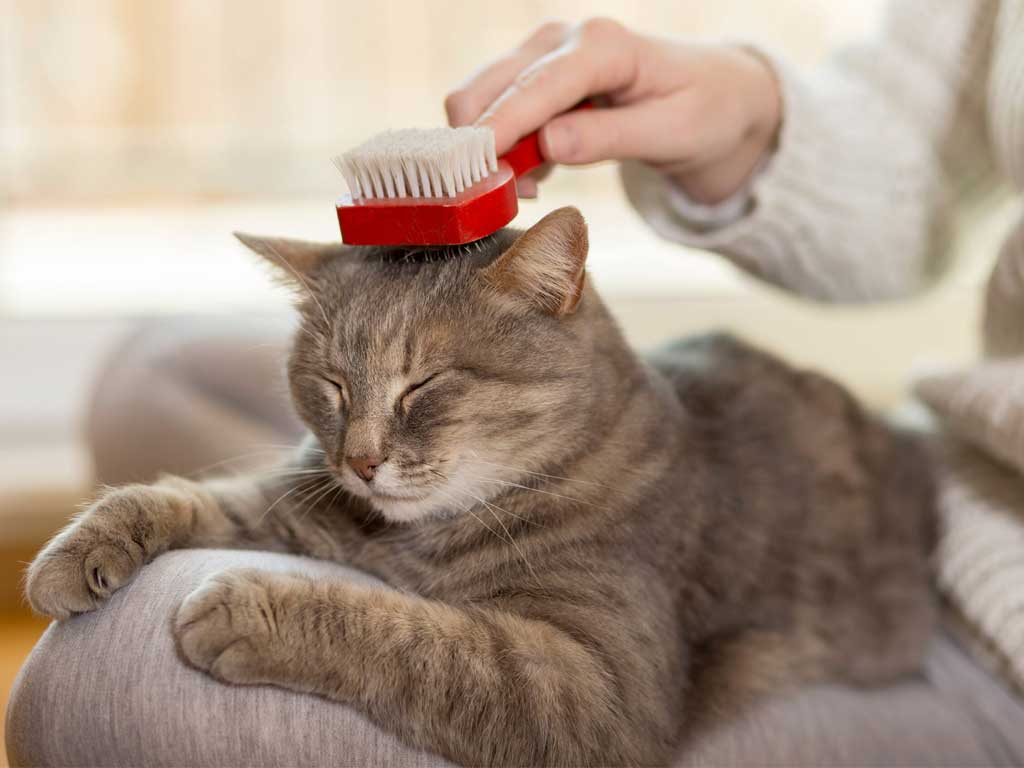
Regular brushing is the single highest-impact habit for cat hygiene. It removes loose and dead hair before your cat swallows it during self-grooming, which directly reduces hairballs. It also distributes natural skin oils, keeps the coat looking healthy, and gives you a chance to spot lumps, parasites, or skin issues early.
Start at the back and work toward the sides, using a gentle touch and a soft, encouraging tone. Short-haired cats generally do well with brushing 2 to 3 times a week, while long-haired breeds benefit from daily brushing to prevent mats before they form.
For cats that shed heavily, a dedicated deshedding tool makes a real difference. The Depets Self-Cleaning Slicker Brush pulls out loose undercoat efficiently and has a one-button release that makes cleanup fast, which matters if you’re brushing a shedding cat several times a week.
Dental Care: Often Skipped, Genuinely Important
Cat dental hygiene is one of the most overlooked parts of pet care, yet dental disease is extremely common in adult cats and can lead to pain, infection, and even affect other organs if left unmanaged. The good news is that a consistent brushing routine makes a real difference.
Use a toothbrush and toothpaste made specifically for cats, since human toothpaste contains ingredients that are unsafe for them. The Petrodex Dental Care Kit for Cats includes a malt-flavored toothpaste cats tend to tolerate well, paired with a dual-end brush sized for a cat’s mouth. Aim for brushing 2 to 3 times a week if daily isn’t realistic; consistency matters more than perfection here.
These are affiliate links, which means Happy Pet Zone may earn a small commission at no extra cost to you if you make a purchase. See our full Affiliate Disclaimer for details.
Nail Care
Overgrown nails can catch on fabric, curl into paw pads, or make normal walking uncomfortable, so regular trims matter even for indoor cats with a scratching post. Most cats need a trim every 2 to 3 weeks, though this varies by individual.
Use a nail clipper made specifically for cats rather than human clippers, since the angle and blade shape are different. The Pet Republique Cat Nail Clippers are sized appropriately for cats and small animals, with a comfortable grip that helps you trim confidently instead of guessing. Trim just the sharp tip, avoiding the pink “quick” where the blood vessel sits, and go slowly if your cat is nervous about having their paws handled.
Ears and Eyes
Check your cat’s ears weekly for redness, odor, or dark discharge, which can signal an infection or ear mites. If cleaning is needed, use a soft, damp cloth on the visible parts of the ear only, never inserting anything into the ear canal itself.
For the eyes, gently wipe away any discharge with a clean cloth dampened with warm water. Some breeds with flatter faces are more prone to tear staining and may need this more often than others.
Bathing: Less Often Than You Think
According to veterinarians, most cats don’t need regular baths at all. Cats are exceptionally clean animals and groom themselves constantly throughout the day. A bath is generally only necessary if your cat gets visibly dirty, gets into something sticky or smelly, or if a vet recommends it for a specific skin condition.
When a bath genuinely isn’t practical, or your cat tolerates water poorly, a waterless option can bridge the gap. The Cat Waterless Shampoo with Brush is a no-rinse formula that’s hypoallergenic and designed to reduce itchy skin and odor between full baths, which is especially handy for kittens or senior cats who find bathing stressful.
Litter Box Hygiene
A clean litter box isn’t just about odor control, it’s directly tied to your cat’s health and behavior. A dirty box is one of the most common reasons cats start eliminating outside it. Scoop solid waste daily, and do a full litter change and box wash with hot water and mild soap on a weekly basis.
Keep the box in a quiet, accessible spot, and in multi-cat households, the general rule is one box per cat plus one extra, spread across different locations rather than clustered together.
Building a Simple Hygiene Routine
You don’t need to do everything every day. A realistic routine looks something like: quick daily litter box scoop, brushing 2 to 3 times a week (more for long-haired cats), teeth brushing 2 to 3 times a week, nail checks every couple of weeks, and a weekly glance at ears and eyes. Spread across the week, none of this takes much time, and it adds up to a genuinely healthier cat.
Frequently Asked Questions
How often should I groom my cat?
Brush short-haired cats 2 to 3 times a week and long-haired cats daily. Combine this with weekly ear and eye checks and nail trims every 2 to 3 weeks.
Do indoor cats need regular baths?
No. Most cats, indoor or outdoor, rarely need baths since they groom themselves effectively. Bathe only when visibly dirty or advised by a vet.
How can I brush my cat’s teeth if they hate it?
Start slowly with just a taste of cat-safe toothpaste on your finger before introducing the brush, and keep sessions short and positive. Consistency matters more than daily perfection.
How often should I trim my cat’s nails?
Most cats need a trim every 2 to 3 weeks, though this varies based on activity level and how much natural wear they get from scratching posts.
What are signs of an ear infection in cats?
Redness, a strong odor, dark discharge, or your cat scratching at or shaking their head frequently are all signs worth a vet visit.
Can I use human shampoo or toothpaste on my cat?
No. Human products often contain ingredients that are unsafe for cats. Always use products formulated specifically for feline use.
Why does my cat need brushing if they groom themselves?
Self-grooming doesn’t remove all loose hair, and swallowed hair contributes to hairballs. Brushing also lets you catch skin issues early.
How do I know if my cat’s litter box is clean enough?
If you can smell it before you see it, it needs attention. Daily scooping and a full weekly wash with mild soap keeps it genuinely clean.
Is dental disease really common in cats?
Yes, it’s one of the most common health issues in adult cats. Regular brushing significantly reduces plaque and tartar buildup that leads to more serious problems.
What’s the easiest way to start a hygiene routine with a resistant cat?
Introduce each habit gradually and pair it with something positive, like a treat or calm praise, so your cat associates the routine with a good experience rather than stress.
Good cat hygiene doesn’t require a complicated routine, just consistency across a few key habits: brushing, dental care, nail trims, and a clean litter box. Build these into your week gradually, and your cat’s coat, teeth, and overall health will show it.