Smooth Collie Dogs: The Sensitive Soul Behind the Elegant Coat
The Smooth Collie is often overshadowed by its long-haired counterpart, yet this elegant Scottish herding dog deserves recognition as a distinct breed with unique characteristics and care requirements. Unlike their Rough Collie cousins, Smooth Collies boast a short, sleek coat while maintaining the same intelligence, grace, and surprising emotional sensitivity. Understanding this breed goes beyond knowing their physical traits—it requires appreciating their gentle nature and specific needs as owners. This comprehensive guide covers everything you need to know about Smooth Collies, from their fascinating origins to their distinct personality quirks.
History and Origin: The Separation That Changed Two Breeds
The story of the Smooth Collie begins in the Scottish Highlands and Lowlands, where two distinct herding environments shaped entirely different dogs. Rough Collies and Smooth Collies are genetically the same breed—the difference lies in their coats, which were deliberately selected based on climate and working conditions.
In the Scottish Highlands, shepherds bred Collies with long, dense coats to withstand harsh weather and rough terrain. The Rough Collie evolved to protect themselves in challenging conditions. Meanwhile, in the Lowlands where the climate was milder, shepherds developed Smooth Collies with shorter coats for managing sheep in gentler environments. This climate-driven distinction created two visually distinct dogs from the same bloodline.
The Smooth Collie has been recognized as a distinct canine breed for over two centuries. However, Queen Victoria’s profound love for Smooth Collies elevated the breed’s status during the 19th century. Her favorite Smooth Collie, Sharp, appeared in countless photographs with the queen and is memorialized with a bronze statue at Windsor Castle. This royal endorsement significantly boosted the breed’s popularity across Britain.
Interestingly, Victoria’s affection for the Smooth Collie inadvertently benefited the Rough Collie as well. Since both breeds were simply called “Collies” and photographs were rare, many Victorians assumed the queen’s beloved Smooth Collies were actually the long-haired variety. This confusion helped establish both breeds in the public consciousness, though today the Rough Collie dominates popular culture.
Physical Characteristics: The Majestic Athlete
Smooth Collies are medium to large dogs that embody grace and athletic capability. Male Smooth Collies typically stand 56 to 61 centimeters tall (22 to 24 inches) and weigh 20.5 to 29.5 kilograms (45 to 65 pounds). Females are slightly smaller, measuring 51 to 56 centimeters (20 to 22 inches) and weighing 18 to 25 kilograms (40 to 55 pounds).
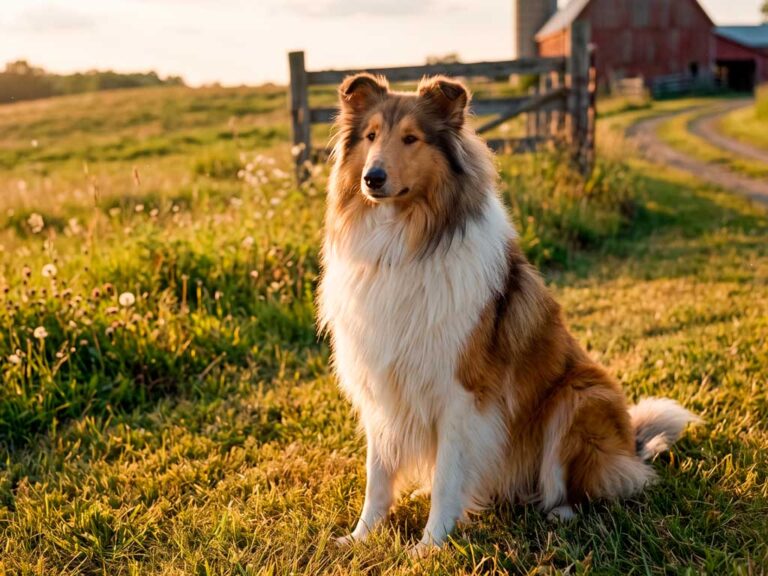
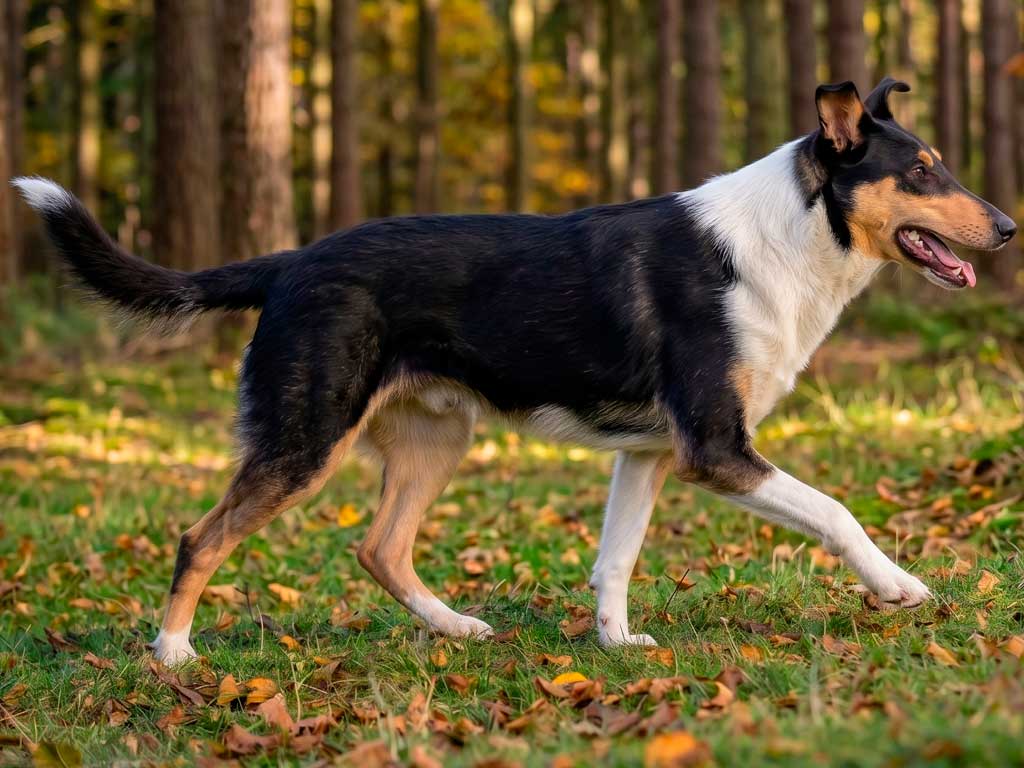
Their most distinguishing feature is the short, flat, harsh-to-the-touch outer coat paired with a dense undercoat. The coat appears in three color patterns: fawn and white, tricolor (black and tan with white markings), and blue merle (silvery-blue with black). These striking color combinations, combined with their refined bone structure, create an air of quiet majesty.
Structurally, Smooth Collies are well-proportioned athletes. Their long legs provide endurance and grace, while their balanced frame suggests capability for a full day’s work. The breed’s overall appearance conveys both strength and elegance—a combination that appealed to Victorian sensibilities and remains captivating today.
Temperament and Personality: Emotional Sensitivity Beneath the Surface
The Smooth Collie’s personality distinguishes this breed most significantly from casual observers’ expectations. While they maintain the breed’s trademark intelligence and herding drive, Smooth Collies are remarkably sensitive dogs that require gentle handling and emotional awareness from their owners.
These dogs are family-oriented and genuinely dislike being separated from their people for extended periods. They thrive on inclusion in family activities and become anxious or destructive when isolated or bored. This isn’t neediness—it’s a fundamental aspect of their nature that prospective owners must understand.
Smooth Collies are naturally alert watchdogs with a tendency toward excessive barking if not properly trained or mentally stimulated. They’ll greet strangers with enthusiasm and warning barks in equal measure, though their core temperament remains fundamentally friendly. However, this expressiveness requires consistent, patient training to manage.
Critically, Smooth Collies respond poorly to harsh corrections. Their sensitive nature means they need calm, careful training approaches. Punishment-based methods damage their confidence and create anxiety rather than obedience. Positive reinforcement, patience, and consistency are essential.
Care Guide
Diet and Nutrition
Large-breed dogs require nutritional considerations different from smaller canines. Smooth Collies need properly balanced diets with appropriate proportions of proteins, fats, carbohydrates, vitamins, and minerals. Their larger frame means significant nutritional demands.
Feed your Smooth Collie high-quality food formulated for large breeds. Follow manufacturer guidelines based on your dog’s weight and activity level. Many owners find twice-daily feeding maintains stable energy levels and digestive health. Always provide fresh, clean water.
Regular veterinary check-ups help monitor your dog’s weight and overall condition, ensuring optimal nutrition throughout their life.
Exercise Requirements
Smooth Collies need at least one hour of exercise daily, though these active dogs often thrive with more. Mental stimulation matters as much as physical exertion. Repeating the same walk daily leads to boredom and behavioral problems.
Vary your routes, introduce new environments, and consider organized activities like agility training, obedience competitions, rally obedience, canine freestyle, or flyball. These activities provide the mental engagement Smooth Collies crave while channeling their intelligence productively. Without adequate stimulation, these sensitive dogs become anxious or develop destructive behaviors.
Grooming Needs
Unlike their Rough Collie cousins, Smooth Collies are relatively low-maintenance in the grooming department. The short, flat coat requires brushing once weekly to maintain health and minimize shedding. A slicker brush or short-haired coat brush works well for this breed.
During seasonal shedding periods, more frequent brushing prevents excessive hair around your home. Occasional bathing keeps the coat clean and healthy. This minimal grooming requirement is a significant advantage for busy owners.
Training and Education
Smooth Collies are intelligent, eager learners that respond exceptionally well to positive reinforcement. Their sensitivity means harsh corrections backfire—these dogs need encouragement, praise, and rewards to excel.
Start training early with puppies, establishing clear household rules and basic commands. Their intelligence allows advanced training for agility, obedience trials, and other canine sports. Consistent, patient training prevents behavioral problems and builds a strong bond.
Address excessive barking early through training and mental stimulation rather than punishment. A well-trained Smooth Collie becomes a remarkable companion, but training requires understanding their sensitive nature and working with—not against—their personality.
Health and Longevity
Smooth Collies typically live 12 to 15 years, offering substantial lifespan for a large breed. However, the breed is prone to specific health concerns stemming from extreme breeding practices.
Hip dysplasia is common in Smooth Collies and can cause joint pain and mobility problems. Hereditary eye disorders also affect the breed. Before acquiring a puppy, ask breeders for documentation of hip and eye examinations on both parents. Reputable breeders conduct these health screenings to reduce genetic disease transmission.
Importantly, support responsible breeders who prioritize health over extreme physical traits. The Kennel Club of the United Kingdom lists the Smooth Collie as a vulnerable native breed, meaning population numbers are concerning. Choosing breeders committed to breed health preservation supports the breed’s future.
Is This the Right Dog for You?
Smooth Collies excel in households where owners understand and embrace their sensitive, family-oriented nature. These dogs need active owners committed to mental stimulation and emotional connection.
Choose a Smooth Collie if you:
- Have time for at least one hour daily exercise plus mental enrichment
- Prefer gentle training approaches based on positive reinforcement
- Enjoy training and canine sports
- Want an intelligent, emotionally connected companion
- Appreciate a dog that dislikes being alone
- Can manage a vocal, alert dog
- Appreciate a breed that responds well to calm, patient guidance
Look elsewhere if you:
- Work long hours and cannot provide companionship
- Prefer independent dogs that don’t require constant engagement
- Use harsh training methods
- Need a low-energy, low-maintenance companion
- Cannot tolerate barking
- Prefer breeds less sensitive to emotional stress
Frequently Asked Questions About Smooth Collies
1. How much do Smooth Collies shed? Smooth Collies shed moderately year-round, with heavier shedding during seasonal coat changes. Weekly brushing significantly reduces loose hair and prevents matting. While shedding is manageable compared to Rough Collies, it’s still noticeable. This breed is not hypoallergenic.
2. Are Smooth Collies good family dogs? Smooth Collies are excellent family companions with proper socialization. Their gentle nature suits homes with older children. However, their sensitivity means they need respectful handling and supervision with young children. Their herding instinct may cause nipping during play, which requires training to manage appropriately.
3. Why do Smooth Collies bark so much? Barking is breed-typical behavior. Originally bred as herding dogs, they remain alert, vocal dogs that use barking to communicate excitement and alert their families to changes. Training helps manage excessive barking, but complete elimination isn’t realistic. If noise is a dealbreaker, this breed isn’t ideal.
4. Are Smooth Collies sensitive? Yes, absolutely. Smooth Collies are emotionally sensitive dogs that require calm, consistent handling. They respond poorly to harsh corrections, loud voices, or punishment-based training. These dogs thrive with positive reinforcement, gentle guidance, and emotional connection with their families.
5. How does a Smooth Collie differ from a Rough Collie? Smooth and Rough Collies are genetically identical—the only difference is coat length and maintenance. Rough Collies have long, dense coats requiring daily brushing. Smooth Collies have short coats needing weekly brushing. Both breeds share the same temperament, intelligence, and personality traits. The choice between them often comes down to grooming preference.
Understanding the Breed’s Unique Appeal
The Smooth Collie represents an underappreciated breed with remarkable qualities. Their short coat appeals to owners who want a Collie without extensive grooming demands. Their sensitive nature creates deep emotional bonds for owners who appreciate gentleness and respond to their dogs’ emotional needs.
Recognizing the Smooth Collie as a vulnerable native breed in the United Kingdom should inspire thoughtful ownership and support for responsible breeders. By choosing ethical breeders who prioritize health and temperament, owners directly contribute to preserving this historical Scottish breed.
If you’re drawn to intelligent, emotionally connected dogs that respond to gentle guidance and thrive in active, engaged households, the Smooth Collie offers incomparable companionship. Their elegant appearance, combined with their surprising sensitivity and intelligence, makes them remarkable family dogs for the right owner.